

Protect yourself first. A campaign to prevent melanoma
20.02.2026
The University of Padua, the Veneto Oncology Institute, and Vivo Bene Veneto are jointly launching the campaign “Protect Yourself First” with the aim of reducing the risk of melanoma through widespread dissemination of the main prevention rules.
Exposure to sunlight is important for psychological and physical well-being: sunlight, for example, stimulates the production of serotonin, helping to counteract disorders such as seasonal depression, and activates vitamin D, which is essential for bone health. However, knowing how to protect your skin from ultraviolet rays is both a fundamental and simple action.
Some consistent habits can significantly reduce the risk of melanoma. Here are the main ones:
Avoid the sun between 10 a.m. and 4 p.m.: choosing shade and reducing direct exposure when the sun is at its highest significantly decreases the amount of UV absorbed by the skin. This means less DNA damage, better cellular repair capacity, and lower risk of melanoma and other skin cancers.
Always use sunscreen. Choose a broad-spectrum SPF 30 or higher, and water-resistant when necessary. Apply it at least 15 minutes before sun exposure and reapply every two hours or after swimming.
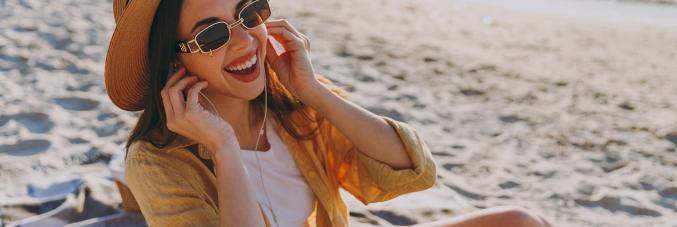
Wear a hat and protective clothing. Wide-brimmed hats drastically reduce UV exposure to the most exposed areas, such as the face, neck, and ears, and are a simple but highly effective form of protection.
Wear sunglasses. UV exposure to the eyes increases the risk of cataracts and other eye conditions, as well as skin cancers around the eyes. Choose lenses that block 99% of UVA and UVB rays or are labeled UV400. Opt for large or wraparound frames.
Check your skin once a month, including often overlooked areas (soles of the feet, scalp, back, spaces between the toes). When detected early, melanoma has a high probability of cure.
Follow the ABCDE rule for moles: Asymmetry, irregular Borders, uneven Color, Diameter larger than 6 mm or increasing, and Evolution. If you notice changes or have doubts, consult your doctor or dermatologist.
Avoid tanning beds, as they are classified as carcinogenic by the International Agency for Research on Cancer. The WHO confirms: there is no such thing as a safe tan from tanning beds.
Add a healthy diet rich in vegetables, fruit, and fish which, thanks to antioxidants (vegetables and fruit) and omega-3 fatty acids (fish), supports repair processes, reduces inflammation, and improves hydration. Remember: diet supports but does not replace sun protection.
You are at higher risk if you: have fair skin; have already had melanoma or a precancerous lesion; have had sunburns, especially at a young age; have many moles; have a family history of melanoma; are immunocompromised; or take photosensitizing medications.
Science advances and research never stops, but prevention remains the first line of defense.