
How to preserve the water quality in the city of Padua
26.02.2026
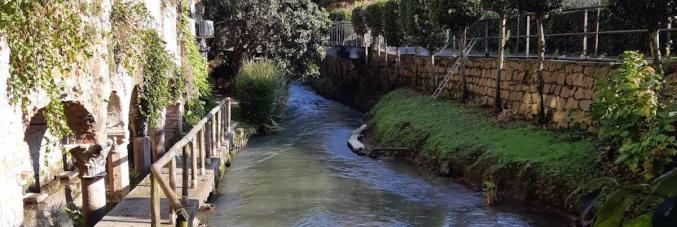
An international study coordinated by the University of Padua and published in the journal "Journal of Environmental Management" highlights that managing urban canals requires an integrated and multifunctional approach, capable of balancing environmental and landscape protection, usage, and needs such as hydraulic safety and navigation. Water quality, in fact, impacts biodiversity, activities (water sports, fishing, navigation), and even the enhancement of heritage sites, such as the Renaissance walls along the canals.
The monitoring, which lasted two years (physical, chemical, and biological indicators), shows that water quality tends to deteriorate as it flows through the city, especially during rain, due to urban runoff and combined sewers. "Water quality degrades during rain due to runoff from impermeable urban surfaces and the normal operation of overflow devices in combined sewers. Padua is a significant case internationally because hydraulic maneuvers to protect the city from floods amplify the impact of rain on water quality, making the problem more complex. Hydraulic risk defense is the priority, but multifunctional management solutions must be sought," explain PhD students Alex Faccin and Aurora Voltolina.
"The collaboration between public actors around the 'Padua Water Plan' could initiate permanent working groups to find solutions for Padua's canals, combining hydraulic risk defense with an environmental perspective," says Alberto Barausse, professor at the Department of Biology at the University of Padua and corresponding author of the study.
In Padua, hydraulic defense management is closely linked to water quality. Successful international experiences in multifunctional management, such as those illustrated by Luca Vezzaro, professor at the Technical University of Denmark, indicate that solutions must be found through a participatory approach that respects the competencies of all entities involved in water management. Alberto Barausse emphasizes, "It is essential to also include the opinions of the Third Sector, particularly active on issues related to walls and urban canals. A continuous dialogue on the environmental quality of the canals would allow combining various available skills, directing them towards the common goal of enhancing 'Padua city of waters'."