

Depression, towards non-hallucinogenic therapies: new developments from Italian research
23.03.2026
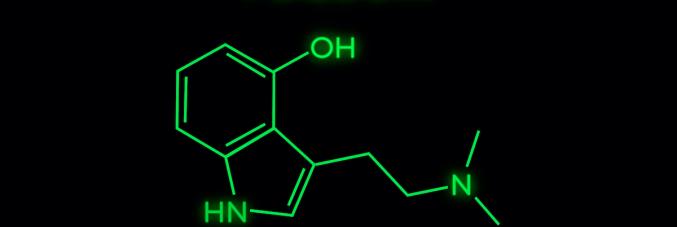
A research group led by the University of Padua has developed new versions of psilocin, the active ingredient in psychedelic mushrooms, with the aim of treating disorders such as depression and anxiety while reducing hallucinogenic effects. In recent years, psilocybin has been increasingly studied for its potential in the neuropsychiatric field. However, the perception alterations it causes still limit its widespread use.
Modified molecules for controlled release
To overcome this obstacle, a team of researchers led by Andrea Mattarei and Sara De Martin from the Department of Pharmaceutical Sciences at the University of Padua, and Paolo Manfredi from NeuroArbor Therapeutics, has designed psilocin derivatives capable of being released into the brain in a slower and more controlled manner. The study was published in the Journal of Medicinal Chemistry.
A promising candidate
The researchers synthesized five new psilocin derivatives and evaluated their stability, absorption, and biological activity. Among these, a compound named 4e proved to be the most promising candidate due to its ability to gradually release psilocin while maintaining strong activity on serotonin receptors. In experiments on murine models, the compound was able to effectively cross the blood-brain barrier, producing lower but more prolonged brain levels of psilocin compared to psilocybin.
Results of preclinical tests
In preliminary tests on animal models, these molecules maintained activity on serotonin receptors while showing significantly reduced psychedelic effects compared to traditional psilocybin. "Our results suggest that the psychedelic effects and serotoninergic activity of psilocin could be separable," explains Andrea Mattarei. "This paves the way for the development of new drugs that maintain therapeutic efficacy while reducing hallucinogenic effects."
Prospects and next steps
Among the compounds analyzed, one in particular stood out for its ability to gradually release the active substance, ensuring lower but more lasting brain levels. "These results demonstrate the possibility of developing derivatives capable of maintaining activity on serotonin receptors while reducing acute perception-altering effects," adds the researcher, noting that "further studies will be necessary to fully evaluate their therapeutic potential and safety in humans." The research was also supported by NeuroArbor Therapeutics, in collaboration with MGGM Therapeutics.
In this direction, another recent study from the University of Padua on low-dose psilocybin has shown metabolic benefits in preclinical models without inducing psychedelic effects.