Indizione Elezione degli Studenti specializzandi nell’Osservatorio Regionale per la formazione medico – specialistica – triennio accademico 2019 – 2022.

Array ( [field_titolo_frontend_all] => Array ( [#theme] => field [#weight] => -4 [#title] => Titolo frontend [#access] => 1 [#label_display] => above [#view_mode] => teaser [#language] => und [#field_name] => field_titolo_frontend_all [#field_type] => text_long [#field_translatable] => 0 [#entity_type] => node [#bundle] => allegato [#object] => stdClass Object ( [vid] => 300987 [uid] => 4 [title] => Indizione Elezione degli Studenti specializzandi nell’Osservatorio Regionale per la formazione medico – specialistica – triennio accademico 2019 – 2022. [log] => [status] => 1 [comment] => 0 [promote] => 1 [sticky] => 0 [nid] => 60355 [type] => allegato [language] => it [created] => 1567508659 [changed] => 1567508659 [tnid] => 0 [translate] => 0 [revision_timestamp] => 1567508659 [revision_uid] => 4 [taxonomy_vocabulary_2] => Array ( ) [taxonomy_vocabulary_8] => Array ( ) [body] => Array ( ) [field_titolo_frontend_all] => Array ( [und] => Array ( [0] => Array ( [value] => Decreto di indizione [format] => [safe_value] => Decreto di indizione ) ) ) [field_allegato_file] => Array ( [und] => Array ( [0] => Array ( [fid] => 75121 [uid] => 4 [filename] => Rev_4_-_DR_indizione osservatorio.pdf [uri] => public://2019/Rev_4_-_DR_indizione osservatorio.pdf [filemime] => application/pdf [filesize] => 170858 [status] => 1 [timestamp] => 1567508650 [type] => document [field_folder] => Array ( [und] => Array ( [0] => Array ( [tid] => 2272 ) ) ) [metadata] => Array ( ) [display] => 1 [description] => ) ) ) [name] => simonetta.capparotto [picture] => 0 [data] => a:2:{s:13:"form_build_id";s:37:"form-fe5ebd9e5e240c4294455b6b42fa6a76";s:14:"wysiwyg_status";a:1:{i:1;i:1;}} [num_revisions] => 1 [current_revision_id] => 300987 [is_current] => 1 [is_pending] => [revision_moderation] => [entity_view_prepared] => 1 ) [#items] => Array ( [0] => Array ( [value] => Decreto di indizione [format] => [safe_value] => Decreto di indizione ) ) [#formatter] => text_default [0] => Array ( [#markup] => Decreto di indizione ) ) [field_allegato_file] => Array ( [#theme] => field [#weight] => -3 [#title] => File [#access] => 1 [#label_display] => above [#view_mode] => teaser [#language] => und [#field_name] => field_allegato_file [#field_type] => file [#field_translatable] => 0 [#entity_type] => node [#bundle] => allegato [#object] => stdClass Object ( [vid] => 300987 [uid] => 4 [title] => Indizione Elezione degli Studenti specializzandi nell’Osservatorio Regionale per la formazione medico – specialistica – triennio accademico 2019 – 2022. [log] => [status] => 1 [comment] => 0 [promote] => 1 [sticky] => 0 [nid] => 60355 [type] => allegato [language] => it [created] => 1567508659 [changed] => 1567508659 [tnid] => 0 [translate] => 0 [revision_timestamp] => 1567508659 [revision_uid] => 4 [taxonomy_vocabulary_2] => Array ( ) [taxonomy_vocabulary_8] => Array ( ) [body] => Array ( ) [field_titolo_frontend_all] => Array ( [und] => Array ( [0] => Array ( [value] => Decreto di indizione [format] => [safe_value] => Decreto di indizione ) ) ) [field_allegato_file] => Array ( [und] => Array ( [0] => Array ( [fid] => 75121 [uid] => 4 [filename] => Rev_4_-_DR_indizione osservatorio.pdf [uri] => public://2019/Rev_4_-_DR_indizione osservatorio.pdf [filemime] => application/pdf [filesize] => 170858 [status] => 1 [timestamp] => 1567508650 [type] => document [field_folder] => Array ( [und] => Array ( [0] => Array ( [tid] => 2272 ) ) ) [metadata] => Array ( ) [display] => 1 [description] => ) ) ) [name] => simonetta.capparotto [picture] => 0 [data] => a:2:{s:13:"form_build_id";s:37:"form-fe5ebd9e5e240c4294455b6b42fa6a76";s:14:"wysiwyg_status";a:1:{i:1;i:1;}} [num_revisions] => 1 [current_revision_id] => 300987 [is_current] => 1 [is_pending] => [revision_moderation] => [entity_view_prepared] => 1 ) [#items] => Array ( [0] => Array ( [fid] => 75121 [uid] => 4 [filename] => Rev_4_-_DR_indizione osservatorio.pdf [uri] => public://2019/Rev_4_-_DR_indizione osservatorio.pdf [filemime] => application/pdf [filesize] => 170858 [status] => 1 [timestamp] => 1567508650 [type] => document [field_folder] => Array ( [und] => Array ( [0] => Array ( [tid] => 2272 ) ) ) [metadata] => Array ( ) [display] => 1 [description] => ) ) [#formatter] => file_default [0] => Array ( [#theme] => file_link [#file] => stdClass Object ( [fid] => 75121 [uid] => 4 [filename] => Rev_4_-_DR_indizione osservatorio.pdf [uri] => public://2019/Rev_4_-_DR_indizione osservatorio.pdf [filemime] => application/pdf [filesize] => 170858 [status] => 1 [timestamp] => 1567508650 [type] => document [field_folder] => Array ( [und] => Array ( [0] => Array ( [tid] => 2272 ) ) ) [metadata] => Array ( ) [display] => 1 [description] => ) ) ) [links] => Array ( [#theme] => links__node [#pre_render] => Array ( [0] => drupal_pre_render_links ) [#attributes] => Array ( [class] => Array ( [0] => links [1] => inline ) ) [node] => Array ( [#theme] => links__node__node [#links] => Array ( [node-readmore] => Array ( [title] => Read more about Indizione Elezione degli Studenti specializzandi nell’Osservatorio Regionale per la formazione medico – specialistica – triennio accademico 2019 – 2022. [href] => node/60355 [html] => 1 [attributes] => Array ( [rel] => tag [title] => Indizione Elezione degli Studenti specializzandi nell’Osservatorio Regionale per la formazione medico – specialistica – triennio accademico 2019 – 2022. ) ) ) [#attributes] => Array ( [class] => Array ( [0] => links [1] => inline ) ) ) ) )

Elezioni Osservatorio regionale per la formazione medico-specialistica

Array ( [field_accordion_element] => Array ( [#theme] => field [#weight] => -1 [#title] => Elementi accordion [#access] => 1 [#label_display] => above [#view_mode] => teaser [#language] => und [#field_name] => field_accordion_element [#field_type] => node_reference [#field_translatable] => 0 [#entity_type] => node [#bundle] => accordion [#object] => stdClass Object ( [vid] => 311613 [uid] => 4 [title] => Elezioni Osservatorio regionale per la formazione medico-specialistica [log] => [status] => 1 [comment] => 0 [promote] => 1 [sticky] => 0 [nid] => 60354 [type] => accordion [language] => it [created] => 1567508528 [changed] => 1578996096 [tnid] => 0 [translate] => 0 [revision_timestamp] => 1578996096 [revision_uid] => 4 [taxonomy_vocabulary_8] => Array ( ) [body] => Array ( ) [field_accordion_element] => Array ( [und] => Array ( [0] => Array ( [nid] => 60356 [access] => 1 [node] => stdClass Object ( [vid] => 300988 [uid] => 4 [title] => Elezione degli Studenti specializzandi nell’Osservatorio Regionale per la formazione medico – specialistica – triennio accademico 2019 – 2022. [log] => [status] => 1 [comment] => 0 [promote] => 1 [sticky] => 0 [nid] => 60356 [type] => elemento_accordion [language] => it [created] => 1567508679 [changed] => 1567509238 [tnid] => 0 [translate] => 0 [revision_timestamp] => 1567509238 [revision_uid] => 4 [taxonomy_vocabulary_8] => Array ( ) [body] => Array ( ) [field_accordion_state] => Array ( [und] => Array ( [0] => Array ( [value] => chiuso ) ) ) [field_allegato_element] => Array ( [und] => Array ( [0] => Array ( [nid] => 60355 ) ) ) [field_outline_level] => Array ( [und] => Array ( [0] => Array ( [value] => h3 ) ) ) [field_titolo_frontend] => Array ( [und] => Array ( [0] => Array ( [value] => Elezione degli Studenti per il triennio accademico 2019 – 2022 [format] => [safe_value] => Elezione degli Studenti per il triennio accademico 2019 – 2022 ) ) ) [name] => simonetta.capparotto [picture] => 0 [data] => a:2:{s:13:"form_build_id";s:37:"form-fe5ebd9e5e240c4294455b6b42fa6a76";s:14:"wysiwyg_status";a:1:{i:1;i:1;}} [num_revisions] => 1 [current_revision_id] => 300988 [is_current] => 1 [is_pending] => [revision_moderation] => ) ) ) ) [field_accordion_sottotitolo] => Array ( ) [field_accordion_titolo_fro] => Array ( ) [field_allegato_element] => Array ( ) [name] => simonetta.capparotto [picture] => 0 [data] => a:2:{s:13:"form_build_id";s:37:"form-fe5ebd9e5e240c4294455b6b42fa6a76";s:14:"wysiwyg_status";a:1:{i:1;i:1;}} [num_revisions] => 5 [current_revision_id] => 311613 [is_current] => 1 [is_pending] => [revision_moderation] => [entity_view_prepared] => 1 ) [#items] => Array ( [0] => Array ( [nid] => 60356 [access] => 1 [node] => stdClass Object ( [vid] => 300988 [uid] => 4 [title] => Elezione degli Studenti specializzandi nell’Osservatorio Regionale per la formazione medico – specialistica – triennio accademico 2019 – 2022. [log] => [status] => 1 [comment] => 0 [promote] => 1 [sticky] => 0 [nid] => 60356 [type] => elemento_accordion [language] => it [created] => 1567508679 [changed] => 1567509238 [tnid] => 0 [translate] => 0 [revision_timestamp] => 1567509238 [revision_uid] => 4 [taxonomy_vocabulary_8] => Array ( ) [body] => Array ( ) [field_accordion_state] => Array ( [und] => Array ( [0] => Array ( [value] => chiuso ) ) ) [field_allegato_element] => Array ( [und] => Array ( [0] => Array ( [nid] => 60355 ) ) ) [field_outline_level] => Array ( [und] => Array ( [0] => Array ( [value] => h3 ) ) ) [field_titolo_frontend] => Array ( [und] => Array ( [0] => Array ( [value] => Elezione degli Studenti per il triennio accademico 2019 – 2022 [format] => [safe_value] => Elezione degli Studenti per il triennio accademico 2019 – 2022 ) ) ) [name] => simonetta.capparotto [picture] => 0 [data] => a:2:{s:13:"form_build_id";s:37:"form-fe5ebd9e5e240c4294455b6b42fa6a76";s:14:"wysiwyg_status";a:1:{i:1;i:1;}} [num_revisions] => 1 [current_revision_id] => 300988 [is_current] => 1 [is_pending] => [revision_moderation] => ) ) ) [#formatter] => node_reference_default [0] => Array ( [#type] => link [#title] => Elezione degli Studenti specializzandi nell’Osservatorio Regionale per la formazione medico – specialistica – triennio accademico 2019 – 2022. [#href] => node/60356 [#options] => Array ( [entity_type] => node [entity] => stdClass Object ( [vid] => 300988 [uid] => 4 [title] => Elezione degli Studenti specializzandi nell’Osservatorio Regionale per la formazione medico – specialistica – triennio accademico 2019 – 2022. [log] => [status] => 1 [comment] => 0 [promote] => 1 [sticky] => 0 [nid] => 60356 [type] => elemento_accordion [language] => it [created] => 1567508679 [changed] => 1567509238 [tnid] => 0 [translate] => 0 [revision_timestamp] => 1567509238 [revision_uid] => 4 [taxonomy_vocabulary_8] => Array ( ) [body] => Array ( ) [field_accordion_state] => Array ( [und] => Array ( [0] => Array ( [value] => chiuso ) ) ) [field_allegato_element] => Array ( [und] => Array ( [0] => Array ( [nid] => 60355 ) ) ) [field_outline_level] => Array ( [und] => Array ( [0] => Array ( [value] => h3 ) ) ) [field_titolo_frontend] => Array ( [und] => Array ( [0] => Array ( [value] => Elezione degli Studenti per il triennio accademico 2019 – 2022 [format] => [safe_value] => Elezione degli Studenti per il triennio accademico 2019 – 2022 ) ) ) [name] => simonetta.capparotto [picture] => 0 [data] => a:2:{s:13:"form_build_id";s:37:"form-fe5ebd9e5e240c4294455b6b42fa6a76";s:14:"wysiwyg_status";a:1:{i:1;i:1;}} [num_revisions] => 1 [current_revision_id] => 300988 [is_current] => 1 [is_pending] => [revision_moderation] => ) ) ) ) [links] => Array ( [#theme] => links__node [#pre_render] => Array ( [0] => drupal_pre_render_links ) [#attributes] => Array ( [class] => Array ( [0] => links [1] => inline ) ) [node] => Array ( [#theme] => links__node__node [#links] => Array ( [node-readmore] => Array ( [title] => Read more about Elezioni Osservatorio regionale per la formazione medico-specialistica [href] => node/60354 [html] => 1 [attributes] => Array ( [rel] => tag [title] => Elezioni Osservatorio regionale per la formazione medico-specialistica ) ) ) [#attributes] => Array ( [class] => Array ( [0] => links [1] => inline ) ) ) ) )

219S47 - Esito della selezione

Array ( [field_titolo_frontend_all] => Array ( [#theme] => field [#weight] => -4 [#title] => Titolo frontend [#access] => 1 [#label_display] => above [#view_mode] => teaser [#language] => und [#field_name] => field_titolo_frontend_all [#field_type] => text_long [#field_translatable] => 0 [#entity_type] => node [#bundle] => allegato [#object] => stdClass Object ( [vid] => 300982 [uid] => 4 [title] => 219S47 - Esito della selezione [log] => [status] => 1 [comment] => 0 [promote] => 1 [sticky] => 0 [nid] => 60353 [type] => allegato [language] => it [created] => 1567507604 [changed] => 1597923775 [tnid] => 0 [translate] => 0 [revision_timestamp] => 1597923775 [revision_uid] => 102 [taxonomy_vocabulary_2] => Array ( ) [taxonomy_vocabulary_8] => Array ( ) [body] => Array ( ) [field_titolo_frontend_all] => Array ( [und] => Array ( [0] => Array ( [value] => Esito della selezione [format] => [safe_value] => Esito della selezione ) ) ) [field_allegato_file] => Array ( [und] => Array ( [0] => Array ( [fid] => 75119 [uid] => 32 [filename] => 11 Esito2019S47 web.pdf [uri] => public://2019/11 Esito2019S47 web.pdf [filemime] => application/pdf [filesize] => 235437 [status] => 1 [timestamp] => 1567507566 [type] => document [field_folder] => Array ( [und] => Array ( [0] => Array ( [tid] => 2272 ) ) ) [metadata] => Array ( ) [display] => 1 [description] => ) ) ) [name] => simonetta.capparotto [picture] => 0 [data] => a:2:{s:13:"form_build_id";s:37:"form-fe5ebd9e5e240c4294455b6b42fa6a76";s:14:"wysiwyg_status";a:1:{i:1;i:1;}} [num_revisions] => 1 [current_revision_id] => 300982 [is_current] => 1 [is_pending] => [revision_moderation] => [entity_view_prepared] => 1 ) [#items] => Array ( [0] => Array ( [value] => Esito della selezione [format] => [safe_value] => Esito della selezione ) ) [#formatter] => text_default [0] => Array ( [#markup] => Esito della selezione ) ) [field_allegato_file] => Array ( [#theme] => field [#weight] => -3 [#title] => File [#access] => 1 [#label_display] => above [#view_mode] => teaser [#language] => und [#field_name] => field_allegato_file [#field_type] => file [#field_translatable] => 0 [#entity_type] => node [#bundle] => allegato [#object] => stdClass Object ( [vid] => 300982 [uid] => 4 [title] => 219S47 - Esito della selezione [log] => [status] => 1 [comment] => 0 [promote] => 1 [sticky] => 0 [nid] => 60353 [type] => allegato [language] => it [created] => 1567507604 [changed] => 1597923775 [tnid] => 0 [translate] => 0 [revision_timestamp] => 1597923775 [revision_uid] => 102 [taxonomy_vocabulary_2] => Array ( ) [taxonomy_vocabulary_8] => Array ( ) [body] => Array ( ) [field_titolo_frontend_all] => Array ( [und] => Array ( [0] => Array ( [value] => Esito della selezione [format] => [safe_value] => Esito della selezione ) ) ) [field_allegato_file] => Array ( [und] => Array ( [0] => Array ( [fid] => 75119 [uid] => 32 [filename] => 11 Esito2019S47 web.pdf [uri] => public://2019/11 Esito2019S47 web.pdf [filemime] => application/pdf [filesize] => 235437 [status] => 1 [timestamp] => 1567507566 [type] => document [field_folder] => Array ( [und] => Array ( [0] => Array ( [tid] => 2272 ) ) ) [metadata] => Array ( ) [display] => 1 [description] => ) ) ) [name] => simonetta.capparotto [picture] => 0 [data] => a:2:{s:13:"form_build_id";s:37:"form-fe5ebd9e5e240c4294455b6b42fa6a76";s:14:"wysiwyg_status";a:1:{i:1;i:1;}} [num_revisions] => 1 [current_revision_id] => 300982 [is_current] => 1 [is_pending] => [revision_moderation] => [entity_view_prepared] => 1 ) [#items] => Array ( [0] => Array ( [fid] => 75119 [uid] => 32 [filename] => 11 Esito2019S47 web.pdf [uri] => public://2019/11 Esito2019S47 web.pdf [filemime] => application/pdf [filesize] => 235437 [status] => 1 [timestamp] => 1567507566 [type] => document [field_folder] => Array ( [und] => Array ( [0] => Array ( [tid] => 2272 ) ) ) [metadata] => Array ( ) [display] => 1 [description] => ) ) [#formatter] => file_default [0] => Array ( [#theme] => file_link [#file] => stdClass Object ( [fid] => 75119 [uid] => 32 [filename] => 11 Esito2019S47 web.pdf [uri] => public://2019/11 Esito2019S47 web.pdf [filemime] => application/pdf [filesize] => 235437 [status] => 1 [timestamp] => 1567507566 [type] => document [field_folder] => Array ( [und] => Array ( [0] => Array ( [tid] => 2272 ) ) ) [metadata] => Array ( ) [display] => 1 [description] => ) ) ) [links] => Array ( [#theme] => links__node [#pre_render] => Array ( [0] => drupal_pre_render_links ) [#attributes] => Array ( [class] => Array ( [0] => links [1] => inline ) ) [node] => Array ( [#theme] => links__node__node [#links] => Array ( [node-readmore] => Array ( [title] => Read more about 219S47 - Esito della selezione [href] => node/60353 [html] => 1 [attributes] => Array ( [rel] => tag [title] => 219S47 - Esito della selezione ) ) ) [#attributes] => Array ( [class] => Array ( [0] => links [1] => inline ) ) ) ) )

Progetto OpenQkd: Unipd in prima linea con il gruppo di ricerca “QuantumFuture”

Array ( [body] => Array ( [#theme] => field [#weight] => 0 [#title] => Body [#access] => 1 [#label_display] => hidden [#view_mode] => teaser [#language] => und [#field_name] => body [#field_type] => text_with_summary [#field_translatable] => 0 [#entity_type] => node [#bundle] => box_lancio_news [#object] => stdClass Object ( [vid] => 378494 [uid] => 13 [title] => Progetto OpenQkd: Unipd in prima linea con il gruppo di ricerca “QuantumFuture” [log] => [status] => 1 [comment] => 0 [promote] => 1 [sticky] => 0 [nid] => 60348 [type] => box_lancio_news [language] => it [created] => 1567503578 [changed] => 1640181097 [tnid] => 0 [translate] => 0 [revision_timestamp] => 1640181097 [revision_uid] => 102 [body] => Array ( [und] => Array ( [0] => Array ( [value] =>

È partito il 2 settembre il progetto “OPENQKD” (Open European Quantum Key Distribution Testbed) che installerà e testerà una nuova infrastruttura europea per le comunicazioni quantistiche. Questa nuova tecnologia permetterà di mettere in sicurezza settori cruciali nell’interesse nazionale ed europeo, come le telecomunicazioni, la sanità, la distribuzione di energia elettrica e i trasporti. Il progetto intende trasformare il modo in cui vengono percepite, capite e utilizzate le comunicazioni quantistiche.

L’obiettivo principale del nuovo progetto europeo è creare e testare una vera e propria rete continentale per le comunicazioni quantistiche, basata sull’utilizzo della distribuzione quantistica di chiavi crittografiche (in inglese QKD, da Quantum Key Distribution). La QKD è, ad oggi, la tecnica di crittografia che garantisce il più elevato livello di sicurezza nelle comunicazioni. Per questo motivo l’Europa ha deciso di puntare su questa tecnologia per la sua nuova infrastruttura che connetterà varie città e regioni d’Europa, utilizzando sia nodi a terra collegati da fibre ottiche che satelliti dedicati in orbita.

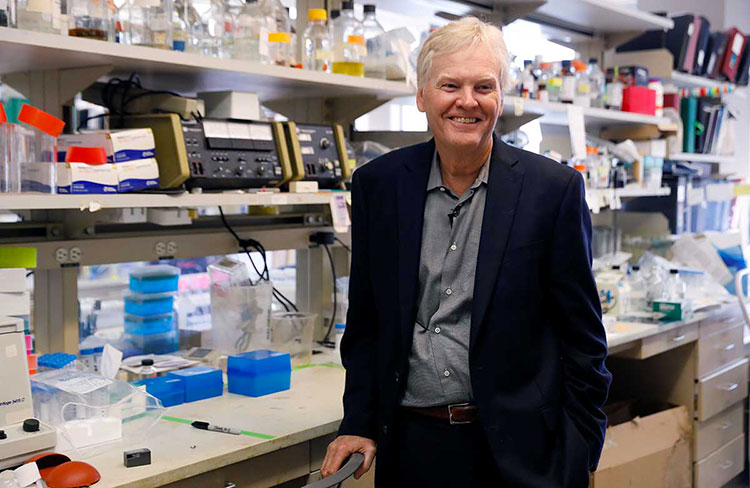
Anche l’Italia partecipa al progetto con il gruppo di ricerca QuantumFuture del Dipartimento di Ingegneria dell’Informazione dell’Università di Padova, guidato da Paolo Villoresi. Il gruppo di ricerca padovano si è affermato negli ultimi anni nel panorama nazionale e internazionale delle tecnologie quantistiche grazie ai propri studi sulla fattibilità delle comunicazioni quantistiche satellitari (in collaborazione con il Centro di Geodesia Spaziale dell’Agenzia Spaziale Italiana a Matera), la generazione e il controllo di fenomeni quantistici come l’entanglement per investigare principi base della meccanica quantistica, lo sviluppo di nuovi dispositivi di fotonica integrata per applicazioni di crittografia quantistica, l’ideazione di nuovi ed efficienti schemi per produrre gli stati quantistici sfruttati nella realizzazione di sistemi di QKD e la generazione sicura e veloce di numeri casuali, che sono necessari nell’implementazione dei protocolli crittografici. La partecipazione a OPENQKD permetterà all’Università di Padova di mantenere un ruolo chiave a livello europeo nelle tecnologie quantistiche, ed aiuterà a sviluppare la collaborazione tra università e industrie anche nel nostro paese.

Il coordinatore dell’intero progetto OPENQKD è Hannes Hübel, scienziato all’Istituto Austriaco di Tecnologia (AIT Austrian Institute of Technology), che afferma: “Dopo aver dimostrato che la QKD funziona, ora la crittografia quantistica ha raggiunto una tale maturità tecnologica da poter passare dall’Accademia al mercato, per poter essere sfruttata in applicazioni di tutti i giorni”. OPENQKD cercherà inoltre di far crescere l’ecosistema europeo dei fornitori e produttori di tecnologie quantistiche, e i relativi sviluppatori di applicazioni e servizi. Un altro obiettivo è poi dare supporto a piccole-medie-imprese interessate al settore, così come l’individuazione di nuovi azionisti pubblici e privati disposti ad investire in queste nuove tecnologie. Per questo motivo anche l’individuazione e la definizione di nuovi standard tecnologici è un obiettivo centrale del progetto.

Per poter raggiungere tutti gli obiettivi del progetto, la durata di OPENQKD è stata fissata in tre anni, con un budget totale di 15 milioni di euro, diviso tra 38 partner di 13 diversi stati membri dell’Unione o affiliati all’iniziativa Horizon2020.

[summary] => [format] => 2 [safe_value] =>

È partito il 2 settembre il progetto “OPENQKD” (Open European Quantum Key Distribution Testbed) che installerà e testerà una nuova infrastruttura europea per le comunicazioni quantistiche. Questa nuova tecnologia permetterà di mettere in sicurezza settori cruciali nell’interesse nazionale ed europeo, come le telecomunicazioni, la sanità, la distribuzione di energia elettrica e i trasporti. Il progetto intende trasformare il modo in cui vengono percepite, capite e utilizzate le comunicazioni quantistiche.

L’obiettivo principale del nuovo progetto europeo è creare e testare una vera e propria rete continentale per le comunicazioni quantistiche, basata sull’utilizzo della distribuzione quantistica di chiavi crittografiche (in inglese QKD, da Quantum Key Distribution). La QKD è, ad oggi, la tecnica di crittografia che garantisce il più elevato livello di sicurezza nelle comunicazioni. Per questo motivo l’Europa ha deciso di puntare su questa tecnologia per la sua nuova infrastruttura che connetterà varie città e regioni d’Europa, utilizzando sia nodi a terra collegati da fibre ottiche che satelliti dedicati in orbita.

Anche l’Italia partecipa al progetto con il gruppo di ricerca QuantumFuture del Dipartimento di Ingegneria dell’Informazione dell’Università di Padova, guidato da Paolo Villoresi. Il gruppo di ricerca padovano si è affermato negli ultimi anni nel panorama nazionale e internazionale delle tecnologie quantistiche grazie ai propri studi sulla fattibilità delle comunicazioni quantistiche satellitari (in collaborazione con il Centro di Geodesia Spaziale dell’Agenzia Spaziale Italiana a Matera), la generazione e il controllo di fenomeni quantistici come l’entanglement per investigare principi base della meccanica quantistica, lo sviluppo di nuovi dispositivi di fotonica integrata per applicazioni di crittografia quantistica, l’ideazione di nuovi ed efficienti schemi per produrre gli stati quantistici sfruttati nella realizzazione di sistemi di QKD e la generazione sicura e veloce di numeri casuali, che sono necessari nell’implementazione dei protocolli crittografici. La partecipazione a OPENQKD permetterà all’Università di Padova di mantenere un ruolo chiave a livello europeo nelle tecnologie quantistiche, ed aiuterà a sviluppare la collaborazione tra università e industrie anche nel nostro paese.

Il coordinatore dell’intero progetto OPENQKD è Hannes Hübel, scienziato all’Istituto Austriaco di Tecnologia (AIT Austrian Institute of Technology), che afferma: “Dopo aver dimostrato che la QKD funziona, ora la crittografia quantistica ha raggiunto una tale maturità tecnologica da poter passare dall’Accademia al mercato, per poter essere sfruttata in applicazioni di tutti i giorni”. OPENQKD cercherà inoltre di far crescere l’ecosistema europeo dei fornitori e produttori di tecnologie quantistiche, e i relativi sviluppatori di applicazioni e servizi. Un altro obiettivo è poi dare supporto a piccole-medie-imprese interessate al settore, così come l’individuazione di nuovi azionisti pubblici e privati disposti ad investire in queste nuove tecnologie. Per questo motivo anche l’individuazione e la definizione di nuovi standard tecnologici è un obiettivo centrale del progetto.

Per poter raggiungere tutti gli obiettivi del progetto, la durata di OPENQKD è stata fissata in tre anni, con un budget totale di 15 milioni di euro, diviso tra 38 partner di 13 diversi stati membri dell’Unione o affiliati all’iniziativa Horizon2020.

[safe_summary] => ) ) ) [field_date_box_lancio_news] => Array ( [und] => Array ( [0] => Array ( [value] => 2019-09-03T00:00:00 [timezone] => Europe/Paris [timezone_db] => Europe/Paris [date_type] => date ) ) ) [field_etichetta_box_lancio_news] => Array ( ) [field_img_box_lancio_news] => Array ( [und] => Array ( [0] => Array ( [fid] => 75114 [uid] => 13 [filename] => Villoresi OPENQKD.jpg [uri] => public://Villoresi OPENQKD.jpg [filemime] => image/jpeg [filesize] => 118286 [status] => 1 [timestamp] => 1567503706 [type] => image [field_file_image_alt_text] => Array ( ) [field_file_image_title_text] => Array ( ) [field_folder] => Array ( [und] => Array ( [0] => Array ( [tid] => 2048 ) ) ) [metadata] => Array ( [height] => 484 [width] => 1387 ) [height] => 484 [width] => 1387 [alt] => gruppo di ricerca [title] => ) ) ) [field_link_alla_news] => Array ( ) [field_link_esterno_news] => Array ( ) [field_pagina_associata] => Array ( ) [field_link_etichetta] => Array ( ) [field_abstract_news] => Array ( [und] => Array ( [0] => Array ( [value] => È partito il 2 settembre il progetto “OPENQKD” che installerà e testerà una nuova infrastruttura europea per le comunicazioni quantistiche. Questa nuova tecnologia permetterà di mettere in sicurezza settori cruciali nell’interesse nazionale ed europeo, come le telecomunicazioni, la sanità, la distribuzione di energia elettrica e i trasporti. [format] => [safe_value] => È partito il 2 settembre il progetto “OPENQKD” che installerà e testerà una nuova infrastruttura europea per le comunicazioni quantistiche. Questa nuova tecnologia permetterà di mettere in sicurezza settori cruciali nell’interesse nazionale ed europeo, come le telecomunicazioni, la sanità, la distribuzione di energia elettrica e i trasporti. ) ) ) [field_allegato_news] => Array ( ) [field_categorie_news] => Array ( [und] => Array ( [0] => Array ( [tid] => 2264 ) [1] => Array ( [tid] => 2267 ) ) ) [field_pub_date] => Array ( [und] => Array ( [0] => Array ( [value] => 2019-09-03T00:00:00 [value2] => 2020-01-31T00:00:00 [timezone] => Europe/Paris [timezone_db] => Europe/Paris [date_type] => date ) ) ) [field_layout_news] => Array ( [und] => Array ( [0] => Array ( [value] => single ) ) ) [field_testo_opzionale_news] => Array ( ) [field_url_en_page] => Array ( ) [field_url_en_page_label] => Array ( ) [path] => Array ( [pathauto] => 0 ) [name] => chiara.mezzalira [picture] => 0 [data] => a:2:{s:13:"form_build_id";s:37:"form-e496b743db3766e42eb8a4d1ccc1c014";s:14:"wysiwyg_status";a:1:{i:1;i:1;}} [num_revisions] => 9 [current_revision_id] => 378494 [is_current] => 1 [is_pending] => [revision_moderation] => [entity_view_prepared] => 1 ) [#items] => Array ( [0] => Array ( [value] =>

È partito il 2 settembre il progetto “OPENQKD” (Open European Quantum Key Distribution Testbed) che installerà e testerà una nuova infrastruttura europea per le comunicazioni quantistiche. Questa nuova tecnologia permetterà di mettere in sicurezza settori cruciali nell’interesse nazionale ed europeo, come le telecomunicazioni, la sanità, la distribuzione di energia elettrica e i trasporti. Il progetto intende trasformare il modo in cui vengono percepite, capite e utilizzate le comunicazioni quantistiche.

L’obiettivo principale del nuovo progetto europeo è creare e testare una vera e propria rete continentale per le comunicazioni quantistiche, basata sull’utilizzo della distribuzione quantistica di chiavi crittografiche (in inglese QKD, da Quantum Key Distribution). La QKD è, ad oggi, la tecnica di crittografia che garantisce il più elevato livello di sicurezza nelle comunicazioni. Per questo motivo l’Europa ha deciso di puntare su questa tecnologia per la sua nuova infrastruttura che connetterà varie città e regioni d’Europa, utilizzando sia nodi a terra collegati da fibre ottiche che satelliti dedicati in orbita.

Anche l’Italia partecipa al progetto con il gruppo di ricerca QuantumFuture del Dipartimento di Ingegneria dell’Informazione dell’Università di Padova, guidato da Paolo Villoresi. Il gruppo di ricerca padovano si è affermato negli ultimi anni nel panorama nazionale e internazionale delle tecnologie quantistiche grazie ai propri studi sulla fattibilità delle comunicazioni quantistiche satellitari (in collaborazione con il Centro di Geodesia Spaziale dell’Agenzia Spaziale Italiana a Matera), la generazione e il controllo di fenomeni quantistici come l’entanglement per investigare principi base della meccanica quantistica, lo sviluppo di nuovi dispositivi di fotonica integrata per applicazioni di crittografia quantistica, l’ideazione di nuovi ed efficienti schemi per produrre gli stati quantistici sfruttati nella realizzazione di sistemi di QKD e la generazione sicura e veloce di numeri casuali, che sono necessari nell’implementazione dei protocolli crittografici. La partecipazione a OPENQKD permetterà all’Università di Padova di mantenere un ruolo chiave a livello europeo nelle tecnologie quantistiche, ed aiuterà a sviluppare la collaborazione tra università e industrie anche nel nostro paese.

Il coordinatore dell’intero progetto OPENQKD è Hannes Hübel, scienziato all’Istituto Austriaco di Tecnologia (AIT Austrian Institute of Technology), che afferma: “Dopo aver dimostrato che la QKD funziona, ora la crittografia quantistica ha raggiunto una tale maturità tecnologica da poter passare dall’Accademia al mercato, per poter essere sfruttata in applicazioni di tutti i giorni”. OPENQKD cercherà inoltre di far crescere l’ecosistema europeo dei fornitori e produttori di tecnologie quantistiche, e i relativi sviluppatori di applicazioni e servizi. Un altro obiettivo è poi dare supporto a piccole-medie-imprese interessate al settore, così come l’individuazione di nuovi azionisti pubblici e privati disposti ad investire in queste nuove tecnologie. Per questo motivo anche l’individuazione e la definizione di nuovi standard tecnologici è un obiettivo centrale del progetto.

Per poter raggiungere tutti gli obiettivi del progetto, la durata di OPENQKD è stata fissata in tre anni, con un budget totale di 15 milioni di euro, diviso tra 38 partner di 13 diversi stati membri dell’Unione o affiliati all’iniziativa Horizon2020.

[summary] => [format] => 2 [safe_value] =>

È partito il 2 settembre il progetto “OPENQKD” (Open European Quantum Key Distribution Testbed) che installerà e testerà una nuova infrastruttura europea per le comunicazioni quantistiche. Questa nuova tecnologia permetterà di mettere in sicurezza settori cruciali nell’interesse nazionale ed europeo, come le telecomunicazioni, la sanità, la distribuzione di energia elettrica e i trasporti. Il progetto intende trasformare il modo in cui vengono percepite, capite e utilizzate le comunicazioni quantistiche.

L’obiettivo principale del nuovo progetto europeo è creare e testare una vera e propria rete continentale per le comunicazioni quantistiche, basata sull’utilizzo della distribuzione quantistica di chiavi crittografiche (in inglese QKD, da Quantum Key Distribution). La QKD è, ad oggi, la tecnica di crittografia che garantisce il più elevato livello di sicurezza nelle comunicazioni. Per questo motivo l’Europa ha deciso di puntare su questa tecnologia per la sua nuova infrastruttura che connetterà varie città e regioni d’Europa, utilizzando sia nodi a terra collegati da fibre ottiche che satelliti dedicati in orbita.

Anche l’Italia partecipa al progetto con il gruppo di ricerca QuantumFuture del Dipartimento di Ingegneria dell’Informazione dell’Università di Padova, guidato da Paolo Villoresi. Il gruppo di ricerca padovano si è affermato negli ultimi anni nel panorama nazionale e internazionale delle tecnologie quantistiche grazie ai propri studi sulla fattibilità delle comunicazioni quantistiche satellitari (in collaborazione con il Centro di Geodesia Spaziale dell’Agenzia Spaziale Italiana a Matera), la generazione e il controllo di fenomeni quantistici come l’entanglement per investigare principi base della meccanica quantistica, lo sviluppo di nuovi dispositivi di fotonica integrata per applicazioni di crittografia quantistica, l’ideazione di nuovi ed efficienti schemi per produrre gli stati quantistici sfruttati nella realizzazione di sistemi di QKD e la generazione sicura e veloce di numeri casuali, che sono necessari nell’implementazione dei protocolli crittografici. La partecipazione a OPENQKD permetterà all’Università di Padova di mantenere un ruolo chiave a livello europeo nelle tecnologie quantistiche, ed aiuterà a sviluppare la collaborazione tra università e industrie anche nel nostro paese.

Il coordinatore dell’intero progetto OPENQKD è Hannes Hübel, scienziato all’Istituto Austriaco di Tecnologia (AIT Austrian Institute of Technology), che afferma: “Dopo aver dimostrato che la QKD funziona, ora la crittografia quantistica ha raggiunto una tale maturità tecnologica da poter passare dall’Accademia al mercato, per poter essere sfruttata in applicazioni di tutti i giorni”. OPENQKD cercherà inoltre di far crescere l’ecosistema europeo dei fornitori e produttori di tecnologie quantistiche, e i relativi sviluppatori di applicazioni e servizi. Un altro obiettivo è poi dare supporto a piccole-medie-imprese interessate al settore, così come l’individuazione di nuovi azionisti pubblici e privati disposti ad investire in queste nuove tecnologie. Per questo motivo anche l’individuazione e la definizione di nuovi standard tecnologici è un obiettivo centrale del progetto.

Per poter raggiungere tutti gli obiettivi del progetto, la durata di OPENQKD è stata fissata in tre anni, con un budget totale di 15 milioni di euro, diviso tra 38 partner di 13 diversi stati membri dell’Unione o affiliati all’iniziativa Horizon2020.

[safe_summary] => ) ) [#formatter] => text_summary_or_trimmed [0] => Array ( [#markup] =>

È partito il 2 settembre il progetto “OPENQKD” (Open European Quantum Key Distribution Testbed) che installerà e testerà una nuova infrastruttura europea per le comunicazioni quantistiche. Questa nuova tecnologia permetterà di mettere in sicurezza settori cruciali nell’interesse nazionale ed europeo, come le telecomunicazioni, la sanità, la distribuzione di energia elettrica e i trasporti. Il progetto intende trasformare il modo in cui vengono percepite, capite e utilizzate le comunicazioni quantistiche.

) ) [field_img_box_lancio_news] => Array ( [#theme] => field [#weight] => 0 [#title] => Immagine [#access] => 1 [#label_display] => above [#view_mode] => teaser [#language] => und [#field_name] => field_img_box_lancio_news [#field_type] => image [#field_translatable] => 0 [#entity_type] => node [#bundle] => box_lancio_news [#object] => stdClass Object ( [vid] => 378494 [uid] => 13 [title] => Progetto OpenQkd: Unipd in prima linea con il gruppo di ricerca “QuantumFuture” [log] => [status] => 1 [comment] => 0 [promote] => 1 [sticky] => 0 [nid] => 60348 [type] => box_lancio_news [language] => it [created] => 1567503578 [changed] => 1640181097 [tnid] => 0 [translate] => 0 [revision_timestamp] => 1640181097 [revision_uid] => 102 [body] => Array ( [und] => Array ( [0] => Array ( [value] =>

È partito il 2 settembre il progetto “OPENQKD” (Open European Quantum Key Distribution Testbed) che installerà e testerà una nuova infrastruttura europea per le comunicazioni quantistiche. Questa nuova tecnologia permetterà di mettere in sicurezza settori cruciali nell’interesse nazionale ed europeo, come le telecomunicazioni, la sanità, la distribuzione di energia elettrica e i trasporti. Il progetto intende trasformare il modo in cui vengono percepite, capite e utilizzate le comunicazioni quantistiche.

L’obiettivo principale del nuovo progetto europeo è creare e testare una vera e propria rete continentale per le comunicazioni quantistiche, basata sull’utilizzo della distribuzione quantistica di chiavi crittografiche (in inglese QKD, da Quantum Key Distribution). La QKD è, ad oggi, la tecnica di crittografia che garantisce il più elevato livello di sicurezza nelle comunicazioni. Per questo motivo l’Europa ha deciso di puntare su questa tecnologia per la sua nuova infrastruttura che connetterà varie città e regioni d’Europa, utilizzando sia nodi a terra collegati da fibre ottiche che satelliti dedicati in orbita.

Anche l’Italia partecipa al progetto con il gruppo di ricerca QuantumFuture del Dipartimento di Ingegneria dell’Informazione dell’Università di Padova, guidato da Paolo Villoresi. Il gruppo di ricerca padovano si è affermato negli ultimi anni nel panorama nazionale e internazionale delle tecnologie quantistiche grazie ai propri studi sulla fattibilità delle comunicazioni quantistiche satellitari (in collaborazione con il Centro di Geodesia Spaziale dell’Agenzia Spaziale Italiana a Matera), la generazione e il controllo di fenomeni quantistici come l’entanglement per investigare principi base della meccanica quantistica, lo sviluppo di nuovi dispositivi di fotonica integrata per applicazioni di crittografia quantistica, l’ideazione di nuovi ed efficienti schemi per produrre gli stati quantistici sfruttati nella realizzazione di sistemi di QKD e la generazione sicura e veloce di numeri casuali, che sono necessari nell’implementazione dei protocolli crittografici. La partecipazione a OPENQKD permetterà all’Università di Padova di mantenere un ruolo chiave a livello europeo nelle tecnologie quantistiche, ed aiuterà a sviluppare la collaborazione tra università e industrie anche nel nostro paese.

Il coordinatore dell’intero progetto OPENQKD è Hannes Hübel, scienziato all’Istituto Austriaco di Tecnologia (AIT Austrian Institute of Technology), che afferma: “Dopo aver dimostrato che la QKD funziona, ora la crittografia quantistica ha raggiunto una tale maturità tecnologica da poter passare dall’Accademia al mercato, per poter essere sfruttata in applicazioni di tutti i giorni”. OPENQKD cercherà inoltre di far crescere l’ecosistema europeo dei fornitori e produttori di tecnologie quantistiche, e i relativi sviluppatori di applicazioni e servizi. Un altro obiettivo è poi dare supporto a piccole-medie-imprese interessate al settore, così come l’individuazione di nuovi azionisti pubblici e privati disposti ad investire in queste nuove tecnologie. Per questo motivo anche l’individuazione e la definizione di nuovi standard tecnologici è un obiettivo centrale del progetto.

Per poter raggiungere tutti gli obiettivi del progetto, la durata di OPENQKD è stata fissata in tre anni, con un budget totale di 15 milioni di euro, diviso tra 38 partner di 13 diversi stati membri dell’Unione o affiliati all’iniziativa Horizon2020.

[summary] => [format] => 2 [safe_value] =>

È partito il 2 settembre il progetto “OPENQKD” (Open European Quantum Key Distribution Testbed) che installerà e testerà una nuova infrastruttura europea per le comunicazioni quantistiche. Questa nuova tecnologia permetterà di mettere in sicurezza settori cruciali nell’interesse nazionale ed europeo, come le telecomunicazioni, la sanità, la distribuzione di energia elettrica e i trasporti. Il progetto intende trasformare il modo in cui vengono percepite, capite e utilizzate le comunicazioni quantistiche.

L’obiettivo principale del nuovo progetto europeo è creare e testare una vera e propria rete continentale per le comunicazioni quantistiche, basata sull’utilizzo della distribuzione quantistica di chiavi crittografiche (in inglese QKD, da Quantum Key Distribution). La QKD è, ad oggi, la tecnica di crittografia che garantisce il più elevato livello di sicurezza nelle comunicazioni. Per questo motivo l’Europa ha deciso di puntare su questa tecnologia per la sua nuova infrastruttura che connetterà varie città e regioni d’Europa, utilizzando sia nodi a terra collegati da fibre ottiche che satelliti dedicati in orbita.

Anche l’Italia partecipa al progetto con il gruppo di ricerca QuantumFuture del Dipartimento di Ingegneria dell’Informazione dell’Università di Padova, guidato da Paolo Villoresi. Il gruppo di ricerca padovano si è affermato negli ultimi anni nel panorama nazionale e internazionale delle tecnologie quantistiche grazie ai propri studi sulla fattibilità delle comunicazioni quantistiche satellitari (in collaborazione con il Centro di Geodesia Spaziale dell’Agenzia Spaziale Italiana a Matera), la generazione e il controllo di fenomeni quantistici come l’entanglement per investigare principi base della meccanica quantistica, lo sviluppo di nuovi dispositivi di fotonica integrata per applicazioni di crittografia quantistica, l’ideazione di nuovi ed efficienti schemi per produrre gli stati quantistici sfruttati nella realizzazione di sistemi di QKD e la generazione sicura e veloce di numeri casuali, che sono necessari nell’implementazione dei protocolli crittografici. La partecipazione a OPENQKD permetterà all’Università di Padova di mantenere un ruolo chiave a livello europeo nelle tecnologie quantistiche, ed aiuterà a sviluppare la collaborazione tra università e industrie anche nel nostro paese.

Il coordinatore dell’intero progetto OPENQKD è Hannes Hübel, scienziato all’Istituto Austriaco di Tecnologia (AIT Austrian Institute of Technology), che afferma: “Dopo aver dimostrato che la QKD funziona, ora la crittografia quantistica ha raggiunto una tale maturità tecnologica da poter passare dall’Accademia al mercato, per poter essere sfruttata in applicazioni di tutti i giorni”. OPENQKD cercherà inoltre di far crescere l’ecosistema europeo dei fornitori e produttori di tecnologie quantistiche, e i relativi sviluppatori di applicazioni e servizi. Un altro obiettivo è poi dare supporto a piccole-medie-imprese interessate al settore, così come l’individuazione di nuovi azionisti pubblici e privati disposti ad investire in queste nuove tecnologie. Per questo motivo anche l’individuazione e la definizione di nuovi standard tecnologici è un obiettivo centrale del progetto.

Per poter raggiungere tutti gli obiettivi del progetto, la durata di OPENQKD è stata fissata in tre anni, con un budget totale di 15 milioni di euro, diviso tra 38 partner di 13 diversi stati membri dell’Unione o affiliati all’iniziativa Horizon2020.

[safe_summary] => ) ) ) [field_date_box_lancio_news] => Array ( [und] => Array ( [0] => Array ( [value] => 2019-09-03T00:00:00 [timezone] => Europe/Paris [timezone_db] => Europe/Paris [date_type] => date ) ) ) [field_etichetta_box_lancio_news] => Array ( ) [field_img_box_lancio_news] => Array ( [und] => Array ( [0] => Array ( [fid] => 75114 [uid] => 13 [filename] => Villoresi OPENQKD.jpg [uri] => public://Villoresi OPENQKD.jpg [filemime] => image/jpeg [filesize] => 118286 [status] => 1 [timestamp] => 1567503706 [type] => image [field_file_image_alt_text] => Array ( ) [field_file_image_title_text] => Array ( ) [field_folder] => Array ( [und] => Array ( [0] => Array ( [tid] => 2048 ) ) ) [metadata] => Array ( [height] => 484 [width] => 1387 ) [height] => 484 [width] => 1387 [alt] => gruppo di ricerca [title] => ) ) ) [field_link_alla_news] => Array ( ) [field_link_esterno_news] => Array ( ) [field_pagina_associata] => Array ( ) [field_link_etichetta] => Array ( ) [field_abstract_news] => Array ( [und] => Array ( [0] => Array ( [value] => È partito il 2 settembre il progetto “OPENQKD” che installerà e testerà una nuova infrastruttura europea per le comunicazioni quantistiche. Questa nuova tecnologia permetterà di mettere in sicurezza settori cruciali nell’interesse nazionale ed europeo, come le telecomunicazioni, la sanità, la distribuzione di energia elettrica e i trasporti. [format] => [safe_value] => È partito il 2 settembre il progetto “OPENQKD” che installerà e testerà una nuova infrastruttura europea per le comunicazioni quantistiche. Questa nuova tecnologia permetterà di mettere in sicurezza settori cruciali nell’interesse nazionale ed europeo, come le telecomunicazioni, la sanità, la distribuzione di energia elettrica e i trasporti. ) ) ) [field_allegato_news] => Array ( ) [field_categorie_news] => Array ( [und] => Array ( [0] => Array ( [tid] => 2264 ) [1] => Array ( [tid] => 2267 ) ) ) [field_pub_date] => Array ( [und] => Array ( [0] => Array ( [value] => 2019-09-03T00:00:00 [value2] => 2020-01-31T00:00:00 [timezone] => Europe/Paris [timezone_db] => Europe/Paris [date_type] => date ) ) ) [field_layout_news] => Array ( [und] => Array ( [0] => Array ( [value] => single ) ) ) [field_testo_opzionale_news] => Array ( ) [field_url_en_page] => Array ( ) [field_url_en_page_label] => Array ( ) [path] => Array ( [pathauto] => 0 ) [name] => chiara.mezzalira [picture] => 0 [data] => a:2:{s:13:"form_build_id";s:37:"form-e496b743db3766e42eb8a4d1ccc1c014";s:14:"wysiwyg_status";a:1:{i:1;i:1;}} [num_revisions] => 9 [current_revision_id] => 378494 [is_current] => 1 [is_pending] => [revision_moderation] => [entity_view_prepared] => 1 ) [#items] => Array ( [0] => Array ( [fid] => 75114 [uid] => 13 [filename] => Villoresi OPENQKD.jpg [uri] => public://Villoresi OPENQKD.jpg [filemime] => image/jpeg [filesize] => 118286 [status] => 1 [timestamp] => 1567503706 [type] => image [field_file_image_alt_text] => Array ( ) [field_file_image_title_text] => Array ( ) [field_folder] => Array ( [und] => Array ( [0] => Array ( [tid] => 2048 ) ) ) [metadata] => Array ( [height] => 484 [width] => 1387 ) [height] => 484 [width] => 1387 [alt] => gruppo di ricerca [title] => ) ) [#formatter] => image [0] => Array ( [#theme] => image_formatter [#item] => Array ( [fid] => 75114 [uid] => 13 [filename] => Villoresi OPENQKD.jpg [uri] => public://Villoresi OPENQKD.jpg [filemime] => image/jpeg [filesize] => 118286 [status] => 1 [timestamp] => 1567503706 [type] => image [field_file_image_alt_text] => Array ( ) [field_file_image_title_text] => Array ( ) [field_folder] => Array ( [und] => Array ( [0] => Array ( [tid] => 2048 ) ) ) [metadata] => Array ( [height] => 484 [width] => 1387 ) [height] => 484 [width] => 1387 [alt] => gruppo di ricerca [title] => ) [#image_style] => [#path] => ) ) [field_abstract_news] => Array ( [#theme] => field [#weight] => 0 [#title] => Abstract [#access] => 1 [#label_display] => above [#view_mode] => teaser [#language] => und [#field_name] => field_abstract_news [#field_type] => text_long [#field_translatable] => 0 [#entity_type] => node [#bundle] => box_lancio_news [#object] => stdClass Object ( [vid] => 378494 [uid] => 13 [title] => Progetto OpenQkd: Unipd in prima linea con il gruppo di ricerca “QuantumFuture” [log] => [status] => 1 [comment] => 0 [promote] => 1 [sticky] => 0 [nid] => 60348 [type] => box_lancio_news [language] => it [created] => 1567503578 [changed] => 1640181097 [tnid] => 0 [translate] => 0 [revision_timestamp] => 1640181097 [revision_uid] => 102 [body] => Array ( [und] => Array ( [0] => Array ( [value] =>

È partito il 2 settembre il progetto “OPENQKD” (Open European Quantum Key Distribution Testbed) che installerà e testerà una nuova infrastruttura europea per le comunicazioni quantistiche. Questa nuova tecnologia permetterà di mettere in sicurezza settori cruciali nell’interesse nazionale ed europeo, come le telecomunicazioni, la sanità, la distribuzione di energia elettrica e i trasporti. Il progetto intende trasformare il modo in cui vengono percepite, capite e utilizzate le comunicazioni quantistiche.

L’obiettivo principale del nuovo progetto europeo è creare e testare una vera e propria rete continentale per le comunicazioni quantistiche, basata sull’utilizzo della distribuzione quantistica di chiavi crittografiche (in inglese QKD, da Quantum Key Distribution). La QKD è, ad oggi, la tecnica di crittografia che garantisce il più elevato livello di sicurezza nelle comunicazioni. Per questo motivo l’Europa ha deciso di puntare su questa tecnologia per la sua nuova infrastruttura che connetterà varie città e regioni d’Europa, utilizzando sia nodi a terra collegati da fibre ottiche che satelliti dedicati in orbita.

Anche l’Italia partecipa al progetto con il gruppo di ricerca QuantumFuture del Dipartimento di Ingegneria dell’Informazione dell’Università di Padova, guidato da Paolo Villoresi. Il gruppo di ricerca padovano si è affermato negli ultimi anni nel panorama nazionale e internazionale delle tecnologie quantistiche grazie ai propri studi sulla fattibilità delle comunicazioni quantistiche satellitari (in collaborazione con il Centro di Geodesia Spaziale dell’Agenzia Spaziale Italiana a Matera), la generazione e il controllo di fenomeni quantistici come l’entanglement per investigare principi base della meccanica quantistica, lo sviluppo di nuovi dispositivi di fotonica integrata per applicazioni di crittografia quantistica, l’ideazione di nuovi ed efficienti schemi per produrre gli stati quantistici sfruttati nella realizzazione di sistemi di QKD e la generazione sicura e veloce di numeri casuali, che sono necessari nell’implementazione dei protocolli crittografici. La partecipazione a OPENQKD permetterà all’Università di Padova di mantenere un ruolo chiave a livello europeo nelle tecnologie quantistiche, ed aiuterà a sviluppare la collaborazione tra università e industrie anche nel nostro paese.

Il coordinatore dell’intero progetto OPENQKD è Hannes Hübel, scienziato all’Istituto Austriaco di Tecnologia (AIT Austrian Institute of Technology), che afferma: “Dopo aver dimostrato che la QKD funziona, ora la crittografia quantistica ha raggiunto una tale maturità tecnologica da poter passare dall’Accademia al mercato, per poter essere sfruttata in applicazioni di tutti i giorni”. OPENQKD cercherà inoltre di far crescere l’ecosistema europeo dei fornitori e produttori di tecnologie quantistiche, e i relativi sviluppatori di applicazioni e servizi. Un altro obiettivo è poi dare supporto a piccole-medie-imprese interessate al settore, così come l’individuazione di nuovi azionisti pubblici e privati disposti ad investire in queste nuove tecnologie. Per questo motivo anche l’individuazione e la definizione di nuovi standard tecnologici è un obiettivo centrale del progetto.

Per poter raggiungere tutti gli obiettivi del progetto, la durata di OPENQKD è stata fissata in tre anni, con un budget totale di 15 milioni di euro, diviso tra 38 partner di 13 diversi stati membri dell’Unione o affiliati all’iniziativa Horizon2020.

[summary] => [format] => 2 [safe_value] =>

È partito il 2 settembre il progetto “OPENQKD” (Open European Quantum Key Distribution Testbed) che installerà e testerà una nuova infrastruttura europea per le comunicazioni quantistiche. Questa nuova tecnologia permetterà di mettere in sicurezza settori cruciali nell’interesse nazionale ed europeo, come le telecomunicazioni, la sanità, la distribuzione di energia elettrica e i trasporti. Il progetto intende trasformare il modo in cui vengono percepite, capite e utilizzate le comunicazioni quantistiche.

L’obiettivo principale del nuovo progetto europeo è creare e testare una vera e propria rete continentale per le comunicazioni quantistiche, basata sull’utilizzo della distribuzione quantistica di chiavi crittografiche (in inglese QKD, da Quantum Key Distribution). La QKD è, ad oggi, la tecnica di crittografia che garantisce il più elevato livello di sicurezza nelle comunicazioni. Per questo motivo l’Europa ha deciso di puntare su questa tecnologia per la sua nuova infrastruttura che connetterà varie città e regioni d’Europa, utilizzando sia nodi a terra collegati da fibre ottiche che satelliti dedicati in orbita.

Anche l’Italia partecipa al progetto con il gruppo di ricerca QuantumFuture del Dipartimento di Ingegneria dell’Informazione dell’Università di Padova, guidato da Paolo Villoresi. Il gruppo di ricerca padovano si è affermato negli ultimi anni nel panorama nazionale e internazionale delle tecnologie quantistiche grazie ai propri studi sulla fattibilità delle comunicazioni quantistiche satellitari (in collaborazione con il Centro di Geodesia Spaziale dell’Agenzia Spaziale Italiana a Matera), la generazione e il controllo di fenomeni quantistici come l’entanglement per investigare principi base della meccanica quantistica, lo sviluppo di nuovi dispositivi di fotonica integrata per applicazioni di crittografia quantistica, l’ideazione di nuovi ed efficienti schemi per produrre gli stati quantistici sfruttati nella realizzazione di sistemi di QKD e la generazione sicura e veloce di numeri casuali, che sono necessari nell’implementazione dei protocolli crittografici. La partecipazione a OPENQKD permetterà all’Università di Padova di mantenere un ruolo chiave a livello europeo nelle tecnologie quantistiche, ed aiuterà a sviluppare la collaborazione tra università e industrie anche nel nostro paese.

Il coordinatore dell’intero progetto OPENQKD è Hannes Hübel, scienziato all’Istituto Austriaco di Tecnologia (AIT Austrian Institute of Technology), che afferma: “Dopo aver dimostrato che la QKD funziona, ora la crittografia quantistica ha raggiunto una tale maturità tecnologica da poter passare dall’Accademia al mercato, per poter essere sfruttata in applicazioni di tutti i giorni”. OPENQKD cercherà inoltre di far crescere l’ecosistema europeo dei fornitori e produttori di tecnologie quantistiche, e i relativi sviluppatori di applicazioni e servizi. Un altro obiettivo è poi dare supporto a piccole-medie-imprese interessate al settore, così come l’individuazione di nuovi azionisti pubblici e privati disposti ad investire in queste nuove tecnologie. Per questo motivo anche l’individuazione e la definizione di nuovi standard tecnologici è un obiettivo centrale del progetto.

Per poter raggiungere tutti gli obiettivi del progetto, la durata di OPENQKD è stata fissata in tre anni, con un budget totale di 15 milioni di euro, diviso tra 38 partner di 13 diversi stati membri dell’Unione o affiliati all’iniziativa Horizon2020.

[safe_summary] => ) ) ) [field_date_box_lancio_news] => Array ( [und] => Array ( [0] => Array ( [value] => 2019-09-03T00:00:00 [timezone] => Europe/Paris [timezone_db] => Europe/Paris [date_type] => date ) ) ) [field_etichetta_box_lancio_news] => Array ( ) [field_img_box_lancio_news] => Array ( [und] => Array ( [0] => Array ( [fid] => 75114 [uid] => 13 [filename] => Villoresi OPENQKD.jpg [uri] => public://Villoresi OPENQKD.jpg [filemime] => image/jpeg [filesize] => 118286 [status] => 1 [timestamp] => 1567503706 [type] => image [field_file_image_alt_text] => Array ( ) [field_file_image_title_text] => Array ( ) [field_folder] => Array ( [und] => Array ( [0] => Array ( [tid] => 2048 ) ) ) [metadata] => Array ( [height] => 484 [width] => 1387 ) [height] => 484 [width] => 1387 [alt] => gruppo di ricerca [title] => ) ) ) [field_link_alla_news] => Array ( ) [field_link_esterno_news] => Array ( ) [field_pagina_associata] => Array ( ) [field_link_etichetta] => Array ( ) [field_abstract_news] => Array ( [und] => Array ( [0] => Array ( [value] => È partito il 2 settembre il progetto “OPENQKD” che installerà e testerà una nuova infrastruttura europea per le comunicazioni quantistiche. Questa nuova tecnologia permetterà di mettere in sicurezza settori cruciali nell’interesse nazionale ed europeo, come le telecomunicazioni, la sanità, la distribuzione di energia elettrica e i trasporti. [format] => [safe_value] => È partito il 2 settembre il progetto “OPENQKD” che installerà e testerà una nuova infrastruttura europea per le comunicazioni quantistiche. Questa nuova tecnologia permetterà di mettere in sicurezza settori cruciali nell’interesse nazionale ed europeo, come le telecomunicazioni, la sanità, la distribuzione di energia elettrica e i trasporti. ) ) ) [field_allegato_news] => Array ( ) [field_categorie_news] => Array ( [und] => Array ( [0] => Array ( [tid] => 2264 ) [1] => Array ( [tid] => 2267 ) ) ) [field_pub_date] => Array ( [und] => Array ( [0] => Array ( [value] => 2019-09-03T00:00:00 [value2] => 2020-01-31T00:00:00 [timezone] => Europe/Paris [timezone_db] => Europe/Paris [date_type] => date ) ) ) [field_layout_news] => Array ( [und] => Array ( [0] => Array ( [value] => single ) ) ) [field_testo_opzionale_news] => Array ( ) [field_url_en_page] => Array ( ) [field_url_en_page_label] => Array ( ) [path] => Array ( [pathauto] => 0 ) [name] => chiara.mezzalira [picture] => 0 [data] => a:2:{s:13:"form_build_id";s:37:"form-e496b743db3766e42eb8a4d1ccc1c014";s:14:"wysiwyg_status";a:1:{i:1;i:1;}} [num_revisions] => 9 [current_revision_id] => 378494 [is_current] => 1 [is_pending] => [revision_moderation] => [entity_view_prepared] => 1 ) [#items] => Array ( [0] => Array ( [value] => È partito il 2 settembre il progetto “OPENQKD” che installerà e testerà una nuova infrastruttura europea per le comunicazioni quantistiche. Questa nuova tecnologia permetterà di mettere in sicurezza settori cruciali nell’interesse nazionale ed europeo, come le telecomunicazioni, la sanità, la distribuzione di energia elettrica e i trasporti. [format] => [safe_value] => È partito il 2 settembre il progetto “OPENQKD” che installerà e testerà una nuova infrastruttura europea per le comunicazioni quantistiche. Questa nuova tecnologia permetterà di mettere in sicurezza settori cruciali nell’interesse nazionale ed europeo, come le telecomunicazioni, la sanità, la distribuzione di energia elettrica e i trasporti. ) ) [#formatter] => text_default [0] => Array ( [#markup] => È partito il 2 settembre il progetto “OPENQKD” che installerà e testerà una nuova infrastruttura europea per le comunicazioni quantistiche. Questa nuova tecnologia permetterà di mettere in sicurezza settori cruciali nell’interesse nazionale ed europeo, come le telecomunicazioni, la sanità, la distribuzione di energia elettrica e i trasporti. ) ) [links] => Array ( [#theme] => links__node [#pre_render] => Array ( [0] => drupal_pre_render_links ) [#attributes] => Array ( [class] => Array ( [0] => links [1] => inline ) ) [node] => Array ( [#theme] => links__node__node [#links] => Array ( [node-readmore] => Array ( [title] => Read more about Progetto OpenQkd: Unipd in prima linea con il gruppo di ricerca “QuantumFuture” [href] => node/60348 [html] => 1 [attributes] => Array ( [rel] => tag [title] => Progetto OpenQkd: Unipd in prima linea con il gruppo di ricerca “QuantumFuture” ) ) ) [#attributes] => Array ( [class] => Array ( [0] => links [1] => inline ) ) ) ) [field_date_box_lancio_news] => Array ( [#theme] => field [#weight] => 1 [#title] => Data [#access] => 1 [#label_display] => above [#view_mode] => teaser [#language] => und [#field_name] => field_date_box_lancio_news [#field_type] => date [#field_translatable] => 0 [#entity_type] => node [#bundle] => box_lancio_news [#object] => stdClass Object ( [vid] => 378494 [uid] => 13 [title] => Progetto OpenQkd: Unipd in prima linea con il gruppo di ricerca “QuantumFuture” [log] => [status] => 1 [comment] => 0 [promote] => 1 [sticky] => 0 [nid] => 60348 [type] => box_lancio_news [language] => it [created] => 1567503578 [changed] => 1640181097 [tnid] => 0 [translate] => 0 [revision_timestamp] => 1640181097 [revision_uid] => 102 [body] => Array ( [und] => Array ( [0] => Array ( [value] =>

È partito il 2 settembre il progetto “OPENQKD” (Open European Quantum Key Distribution Testbed) che installerà e testerà una nuova infrastruttura europea per le comunicazioni quantistiche. Questa nuova tecnologia permetterà di mettere in sicurezza settori cruciali nell’interesse nazionale ed europeo, come le telecomunicazioni, la sanità, la distribuzione di energia elettrica e i trasporti. Il progetto intende trasformare il modo in cui vengono percepite, capite e utilizzate le comunicazioni quantistiche.

L’obiettivo principale del nuovo progetto europeo è creare e testare una vera e propria rete continentale per le comunicazioni quantistiche, basata sull’utilizzo della distribuzione quantistica di chiavi crittografiche (in inglese QKD, da Quantum Key Distribution). La QKD è, ad oggi, la tecnica di crittografia che garantisce il più elevato livello di sicurezza nelle comunicazioni. Per questo motivo l’Europa ha deciso di puntare su questa tecnologia per la sua nuova infrastruttura che connetterà varie città e regioni d’Europa, utilizzando sia nodi a terra collegati da fibre ottiche che satelliti dedicati in orbita.

Anche l’Italia partecipa al progetto con il gruppo di ricerca QuantumFuture del Dipartimento di Ingegneria dell’Informazione dell’Università di Padova, guidato da Paolo Villoresi. Il gruppo di ricerca padovano si è affermato negli ultimi anni nel panorama nazionale e internazionale delle tecnologie quantistiche grazie ai propri studi sulla fattibilità delle comunicazioni quantistiche satellitari (in collaborazione con il Centro di Geodesia Spaziale dell’Agenzia Spaziale Italiana a Matera), la generazione e il controllo di fenomeni quantistici come l’entanglement per investigare principi base della meccanica quantistica, lo sviluppo di nuovi dispositivi di fotonica integrata per applicazioni di crittografia quantistica, l’ideazione di nuovi ed efficienti schemi per produrre gli stati quantistici sfruttati nella realizzazione di sistemi di QKD e la generazione sicura e veloce di numeri casuali, che sono necessari nell’implementazione dei protocolli crittografici. La partecipazione a OPENQKD permetterà all’Università di Padova di mantenere un ruolo chiave a livello europeo nelle tecnologie quantistiche, ed aiuterà a sviluppare la collaborazione tra università e industrie anche nel nostro paese.

Il coordinatore dell’intero progetto OPENQKD è Hannes Hübel, scienziato all’Istituto Austriaco di Tecnologia (AIT Austrian Institute of Technology), che afferma: “Dopo aver dimostrato che la QKD funziona, ora la crittografia quantistica ha raggiunto una tale maturità tecnologica da poter passare dall’Accademia al mercato, per poter essere sfruttata in applicazioni di tutti i giorni”. OPENQKD cercherà inoltre di far crescere l’ecosistema europeo dei fornitori e produttori di tecnologie quantistiche, e i relativi sviluppatori di applicazioni e servizi. Un altro obiettivo è poi dare supporto a piccole-medie-imprese interessate al settore, così come l’individuazione di nuovi azionisti pubblici e privati disposti ad investire in queste nuove tecnologie. Per questo motivo anche l’individuazione e la definizione di nuovi standard tecnologici è un obiettivo centrale del progetto.

Per poter raggiungere tutti gli obiettivi del progetto, la durata di OPENQKD è stata fissata in tre anni, con un budget totale di 15 milioni di euro, diviso tra 38 partner di 13 diversi stati membri dell’Unione o affiliati all’iniziativa Horizon2020.

[summary] => [format] => 2 [safe_value] =>

È partito il 2 settembre il progetto “OPENQKD” (Open European Quantum Key Distribution Testbed) che installerà e testerà una nuova infrastruttura europea per le comunicazioni quantistiche. Questa nuova tecnologia permetterà di mettere in sicurezza settori cruciali nell’interesse nazionale ed europeo, come le telecomunicazioni, la sanità, la distribuzione di energia elettrica e i trasporti. Il progetto intende trasformare il modo in cui vengono percepite, capite e utilizzate le comunicazioni quantistiche.

L’obiettivo principale del nuovo progetto europeo è creare e testare una vera e propria rete continentale per le comunicazioni quantistiche, basata sull’utilizzo della distribuzione quantistica di chiavi crittografiche (in inglese QKD, da Quantum Key Distribution). La QKD è, ad oggi, la tecnica di crittografia che garantisce il più elevato livello di sicurezza nelle comunicazioni. Per questo motivo l’Europa ha deciso di puntare su questa tecnologia per la sua nuova infrastruttura che connetterà varie città e regioni d’Europa, utilizzando sia nodi a terra collegati da fibre ottiche che satelliti dedicati in orbita.

Anche l’Italia partecipa al progetto con il gruppo di ricerca QuantumFuture del Dipartimento di Ingegneria dell’Informazione dell’Università di Padova, guidato da Paolo Villoresi. Il gruppo di ricerca padovano si è affermato negli ultimi anni nel panorama nazionale e internazionale delle tecnologie quantistiche grazie ai propri studi sulla fattibilità delle comunicazioni quantistiche satellitari (in collaborazione con il Centro di Geodesia Spaziale dell’Agenzia Spaziale Italiana a Matera), la generazione e il controllo di fenomeni quantistici come l’entanglement per investigare principi base della meccanica quantistica, lo sviluppo di nuovi dispositivi di fotonica integrata per applicazioni di crittografia quantistica, l’ideazione di nuovi ed efficienti schemi per produrre gli stati quantistici sfruttati nella realizzazione di sistemi di QKD e la generazione sicura e veloce di numeri casuali, che sono necessari nell’implementazione dei protocolli crittografici. La partecipazione a OPENQKD permetterà all’Università di Padova di mantenere un ruolo chiave a livello europeo nelle tecnologie quantistiche, ed aiuterà a sviluppare la collaborazione tra università e industrie anche nel nostro paese.

Il coordinatore dell’intero progetto OPENQKD è Hannes Hübel, scienziato all’Istituto Austriaco di Tecnologia (AIT Austrian Institute of Technology), che afferma: “Dopo aver dimostrato che la QKD funziona, ora la crittografia quantistica ha raggiunto una tale maturità tecnologica da poter passare dall’Accademia al mercato, per poter essere sfruttata in applicazioni di tutti i giorni”. OPENQKD cercherà inoltre di far crescere l’ecosistema europeo dei fornitori e produttori di tecnologie quantistiche, e i relativi sviluppatori di applicazioni e servizi. Un altro obiettivo è poi dare supporto a piccole-medie-imprese interessate al settore, così come l’individuazione di nuovi azionisti pubblici e privati disposti ad investire in queste nuove tecnologie. Per questo motivo anche l’individuazione e la definizione di nuovi standard tecnologici è un obiettivo centrale del progetto.

Per poter raggiungere tutti gli obiettivi del progetto, la durata di OPENQKD è stata fissata in tre anni, con un budget totale di 15 milioni di euro, diviso tra 38 partner di 13 diversi stati membri dell’Unione o affiliati all’iniziativa Horizon2020.

[safe_summary] => ) ) ) [field_date_box_lancio_news] => Array ( [und] => Array ( [0] => Array ( [value] => 2019-09-03T00:00:00 [timezone] => Europe/Paris [timezone_db] => Europe/Paris [date_type] => date ) ) ) [field_etichetta_box_lancio_news] => Array ( ) [field_img_box_lancio_news] => Array ( [und] => Array ( [0] => Array ( [fid] => 75114 [uid] => 13 [filename] => Villoresi OPENQKD.jpg [uri] => public://Villoresi OPENQKD.jpg [filemime] => image/jpeg [filesize] => 118286 [status] => 1 [timestamp] => 1567503706 [type] => image [field_file_image_alt_text] => Array ( ) [field_file_image_title_text] => Array ( ) [field_folder] => Array ( [und] => Array ( [0] => Array ( [tid] => 2048 ) ) ) [metadata] => Array ( [height] => 484 [width] => 1387 ) [height] => 484 [width] => 1387 [alt] => gruppo di ricerca [title] => ) ) ) [field_link_alla_news] => Array ( ) [field_link_esterno_news] => Array ( ) [field_pagina_associata] => Array ( ) [field_link_etichetta] => Array ( ) [field_abstract_news] => Array ( [und] => Array ( [0] => Array ( [value] => È partito il 2 settembre il progetto “OPENQKD” che installerà e testerà una nuova infrastruttura europea per le comunicazioni quantistiche. Questa nuova tecnologia permetterà di mettere in sicurezza settori cruciali nell’interesse nazionale ed europeo, come le telecomunicazioni, la sanità, la distribuzione di energia elettrica e i trasporti. [format] => [safe_value] => È partito il 2 settembre il progetto “OPENQKD” che installerà e testerà una nuova infrastruttura europea per le comunicazioni quantistiche. Questa nuova tecnologia permetterà di mettere in sicurezza settori cruciali nell’interesse nazionale ed europeo, come le telecomunicazioni, la sanità, la distribuzione di energia elettrica e i trasporti. ) ) ) [field_allegato_news] => Array ( ) [field_categorie_news] => Array ( [und] => Array ( [0] => Array ( [tid] => 2264 ) [1] => Array ( [tid] => 2267 ) ) ) [field_pub_date] => Array ( [und] => Array ( [0] => Array ( [value] => 2019-09-03T00:00:00 [value2] => 2020-01-31T00:00:00 [timezone] => Europe/Paris [timezone_db] => Europe/Paris [date_type] => date ) ) ) [field_layout_news] => Array ( [und] => Array ( [0] => Array ( [value] => single ) ) ) [field_testo_opzionale_news] => Array ( ) [field_url_en_page] => Array ( ) [field_url_en_page_label] => Array ( ) [path] => Array ( [pathauto] => 0 ) [name] => chiara.mezzalira [picture] => 0 [data] => a:2:{s:13:"form_build_id";s:37:"form-e496b743db3766e42eb8a4d1ccc1c014";s:14:"wysiwyg_status";a:1:{i:1;i:1;}} [num_revisions] => 9 [current_revision_id] => 378494 [is_current] => 1 [is_pending] => [revision_moderation] => [entity_view_prepared] => 1 ) [#items] => Array ( [0] => Array ( [value] => 2019-09-03T00:00:00 [timezone] => Europe/Paris [timezone_db] => Europe/Paris [date_type] => date ) ) [#formatter] => date_default [0] => Array ( [#markup] => Mar, 03/09/2019 ) ) )
2019RUB07 - Allegato 4 - DR nomina commissione

Array ( [field_titolo_frontend_all] => Array ( [#theme] => field [#weight] => -4 [#title] => Titolo frontend [#access] => 1 [#label_display] => above [#view_mode] => teaser [#language] => und [#field_name] => field_titolo_frontend_all [#field_type] => text_long [#field_translatable] => 0 [#entity_type] => node [#bundle] => allegato [#object] => stdClass Object ( [vid] => 300963 [uid] => 8831 [title] => 2019RUB07 - Allegato 4 - DR nomina commissione [log] => [status] => 1 [comment] => 0 [promote] => 1 [sticky] => 0 [nid] => 60346 [type] => allegato [language] => it [created] => 1567500713 [changed] => 1617700798 [tnid] => 0 [translate] => 0 [revision_timestamp] => 1617700798 [revision_uid] => 102 [taxonomy_vocabulary_2] => Array ( ) [taxonomy_vocabulary_8] => Array ( ) [body] => Array ( ) [field_titolo_frontend_all] => Array ( [und] => Array ( [0] => Array ( [value] => DR nomina commissione [format] => [safe_value] => DR nomina commissione ) ) ) [field_allegato_file] => Array ( [und] => Array ( [0] => Array ( [fid] => 75106 [uid] => 32 [filename] => 2019RUB07 All. 4 M-PSI02 DR nomina commissione.pdf [uri] => public://2019/2019RUB07 All. 4 M-PSI02 DR nomina commissione.pdf [filemime] => application/pdf [filesize] => 143659 [status] => 1 [timestamp] => 1567500708 [type] => document [field_folder] => Array ( [und] => Array ( [0] => Array ( [tid] => 2272 ) ) ) [metadata] => Array ( ) [display] => 1 [description] => ) ) ) [name] => carriere.docenti [picture] => 0 [data] => b:0; [num_revisions] => 1 [current_revision_id] => 300963 [is_current] => 1 [is_pending] => [revision_moderation] => [entity_view_prepared] => 1 ) [#items] => Array ( [0] => Array ( [value] => DR nomina commissione [format] => [safe_value] => DR nomina commissione ) ) [#formatter] => text_default [0] => Array ( [#markup] => DR nomina commissione ) ) [field_allegato_file] => Array ( [#theme] => field [#weight] => -3 [#title] => File [#access] => 1 [#label_display] => above [#view_mode] => teaser [#language] => und [#field_name] => field_allegato_file [#field_type] => file [#field_translatable] => 0 [#entity_type] => node [#bundle] => allegato [#object] => stdClass Object ( [vid] => 300963 [uid] => 8831 [title] => 2019RUB07 - Allegato 4 - DR nomina commissione [log] => [status] => 1 [comment] => 0 [promote] => 1 [sticky] => 0 [nid] => 60346 [type] => allegato [language] => it [created] => 1567500713 [changed] => 1617700798 [tnid] => 0 [translate] => 0 [revision_timestamp] => 1617700798 [revision_uid] => 102 [taxonomy_vocabulary_2] => Array ( ) [taxonomy_vocabulary_8] => Array ( ) [body] => Array ( ) [field_titolo_frontend_all] => Array ( [und] => Array ( [0] => Array ( [value] => DR nomina commissione [format] => [safe_value] => DR nomina commissione ) ) ) [field_allegato_file] => Array ( [und] => Array ( [0] => Array ( [fid] => 75106 [uid] => 32 [filename] => 2019RUB07 All. 4 M-PSI02 DR nomina commissione.pdf [uri] => public://2019/2019RUB07 All. 4 M-PSI02 DR nomina commissione.pdf [filemime] => application/pdf [filesize] => 143659 [status] => 1 [timestamp] => 1567500708 [type] => document [field_folder] => Array ( [und] => Array ( [0] => Array ( [tid] => 2272 ) ) ) [metadata] => Array ( ) [display] => 1 [description] => ) ) ) [name] => carriere.docenti [picture] => 0 [data] => b:0; [num_revisions] => 1 [current_revision_id] => 300963 [is_current] => 1 [is_pending] => [revision_moderation] => [entity_view_prepared] => 1 ) [#items] => Array ( [0] => Array ( [fid] => 75106 [uid] => 32 [filename] => 2019RUB07 All. 4 M-PSI02 DR nomina commissione.pdf [uri] => public://2019/2019RUB07 All. 4 M-PSI02 DR nomina commissione.pdf [filemime] => application/pdf [filesize] => 143659 [status] => 1 [timestamp] => 1567500708 [type] => document [field_folder] => Array ( [und] => Array ( [0] => Array ( [tid] => 2272 ) ) ) [metadata] => Array ( ) [display] => 1 [description] => ) ) [#formatter] => file_default [0] => Array ( [#theme] => file_link [#file] => stdClass Object ( [fid] => 75106 [uid] => 32 [filename] => 2019RUB07 All. 4 M-PSI02 DR nomina commissione.pdf [uri] => public://2019/2019RUB07 All. 4 M-PSI02 DR nomina commissione.pdf [filemime] => application/pdf [filesize] => 143659 [status] => 1 [timestamp] => 1567500708 [type] => document [field_folder] => Array ( [und] => Array ( [0] => Array ( [tid] => 2272 ) ) ) [metadata] => Array ( ) [display] => 1 [description] => ) ) ) [links] => Array ( [#theme] => links__node [#pre_render] => Array ( [0] => drupal_pre_render_links ) [#attributes] => Array ( [class] => Array ( [0] => links [1] => inline ) ) [node] => Array ( [#theme] => links__node__node [#links] => Array ( [node-readmore] => Array ( [title] => Read more about 2019RUB07 - Allegato 4 - DR nomina commissione [href] => node/60346 [html] => 1 [attributes] => Array ( [rel] => tag [title] => 2019RUB07 - Allegato 4 - DR nomina commissione ) ) ) [#attributes] => Array ( [class] => Array ( [0] => links [1] => inline ) ) ) ) )

2019RUB07 - Allegato 1 - Verbale 2 - Elenco candidati

Array ( [field_titolo_frontend_all] => Array ( [#theme] => field [#weight] => -4 [#title] => Titolo frontend [#access] => 1 [#label_display] => above [#view_mode] => teaser [#language] => und [#field_name] => field_titolo_frontend_all [#field_type] => text_long [#field_translatable] => 0 [#entity_type] => node [#bundle] => allegato [#object] => stdClass Object ( [vid] => 300962 [uid] => 8831 [title] => 2019RUB07 - Allegato 1 - Verbale 2 - Elenco candidati [log] => [status] => 1 [comment] => 0 [promote] => 1 [sticky] => 0 [nid] => 60345 [type] => allegato [language] => it [created] => 1567500648 [changed] => 1617700798 [tnid] => 0 [translate] => 0 [revision_timestamp] => 1617700798 [revision_uid] => 102 [taxonomy_vocabulary_2] => Array ( ) [taxonomy_vocabulary_8] => Array ( ) [body] => Array ( ) [field_titolo_frontend_all] => Array ( [und] => Array ( [0] => Array ( [value] => Verbale 2 - Elenco candidati [format] => [safe_value] => Verbale 2 - Elenco candidati ) ) ) [field_allegato_file] => Array ( [und] => Array ( [0] => Array ( [fid] => 75105 [uid] => 32 [filename] => 2019RUB07 ALL. 1 DFA FIS01 Verbale 2 - Elenco candidati.pdf [uri] => public://2019/2019RUB07 ALL. 1 DFA FIS01 Verbale 2 - Elenco candidati.pdf [filemime] => application/pdf [filesize] => 1545098 [status] => 1 [timestamp] => 1567500640 [type] => document [field_folder] => Array ( [und] => Array ( [0] => Array ( [tid] => 2272 ) ) ) [metadata] => Array ( ) [display] => 1 [description] => ) ) ) [name] => carriere.docenti [picture] => 0 [data] => b:0; [num_revisions] => 1 [current_revision_id] => 300962 [is_current] => 1 [is_pending] => [revision_moderation] => [entity_view_prepared] => 1 ) [#items] => Array ( [0] => Array ( [value] => Verbale 2 - Elenco candidati [format] => [safe_value] => Verbale 2 - Elenco candidati ) ) [#formatter] => text_default [0] => Array ( [#markup] => Verbale 2 - Elenco candidati ) ) [field_allegato_file] => Array ( [#theme] => field [#weight] => -3 [#title] => File [#access] => 1 [#label_display] => above [#view_mode] => teaser [#language] => und [#field_name] => field_allegato_file [#field_type] => file [#field_translatable] => 0 [#entity_type] => node [#bundle] => allegato [#object] => stdClass Object ( [vid] => 300962 [uid] => 8831 [title] => 2019RUB07 - Allegato 1 - Verbale 2 - Elenco candidati [log] => [status] => 1 [comment] => 0 [promote] => 1 [sticky] => 0 [nid] => 60345 [type] => allegato [language] => it [created] => 1567500648 [changed] => 1617700798 [tnid] => 0 [translate] => 0 [revision_timestamp] => 1617700798 [revision_uid] => 102 [taxonomy_vocabulary_2] => Array ( ) [taxonomy_vocabulary_8] => Array ( ) [body] => Array ( ) [field_titolo_frontend_all] => Array ( [und] => Array ( [0] => Array ( [value] => Verbale 2 - Elenco candidati [format] => [safe_value] => Verbale 2 - Elenco candidati ) ) ) [field_allegato_file] => Array ( [und] => Array ( [0] => Array ( [fid] => 75105 [uid] => 32 [filename] => 2019RUB07 ALL. 1 DFA FIS01 Verbale 2 - Elenco candidati.pdf [uri] => public://2019/2019RUB07 ALL. 1 DFA FIS01 Verbale 2 - Elenco candidati.pdf [filemime] => application/pdf [filesize] => 1545098 [status] => 1 [timestamp] => 1567500640 [type] => document [field_folder] => Array ( [und] => Array ( [0] => Array ( [tid] => 2272 ) ) ) [metadata] => Array ( ) [display] => 1 [description] => ) ) ) [name] => carriere.docenti [picture] => 0 [data] => b:0; [num_revisions] => 1 [current_revision_id] => 300962 [is_current] => 1 [is_pending] => [revision_moderation] => [entity_view_prepared] => 1 ) [#items] => Array ( [0] => Array ( [fid] => 75105 [uid] => 32 [filename] => 2019RUB07 ALL. 1 DFA FIS01 Verbale 2 - Elenco candidati.pdf [uri] => public://2019/2019RUB07 ALL. 1 DFA FIS01 Verbale 2 - Elenco candidati.pdf [filemime] => application/pdf [filesize] => 1545098 [status] => 1 [timestamp] => 1567500640 [type] => document [field_folder] => Array ( [und] => Array ( [0] => Array ( [tid] => 2272 ) ) ) [metadata] => Array ( ) [display] => 1 [description] => ) ) [#formatter] => file_default [0] => Array ( [#theme] => file_link [#file] => stdClass Object ( [fid] => 75105 [uid] => 32 [filename] => 2019RUB07 ALL. 1 DFA FIS01 Verbale 2 - Elenco candidati.pdf [uri] => public://2019/2019RUB07 ALL. 1 DFA FIS01 Verbale 2 - Elenco candidati.pdf [filemime] => application/pdf [filesize] => 1545098 [status] => 1 [timestamp] => 1567500640 [type] => document [field_folder] => Array ( [und] => Array ( [0] => Array ( [tid] => 2272 ) ) ) [metadata] => Array ( ) [display] => 1 [description] => ) ) ) [links] => Array ( [#theme] => links__node [#pre_render] => Array ( [0] => drupal_pre_render_links ) [#attributes] => Array ( [class] => Array ( [0] => links [1] => inline ) ) [node] => Array ( [#theme] => links__node__node [#links] => Array ( [node-readmore] => Array ( [title] => Read more about 2019RUB07 - Allegato 1 - Verbale 2 - Elenco candidati [href] => node/60345 [html] => 1 [attributes] => Array ( [rel] => tag [title] => 2019RUB07 - Allegato 1 - Verbale 2 - Elenco candidati ) ) ) [#attributes] => Array ( [class] => Array ( [0] => links [1] => inline ) ) ) ) )

2019RUB07 - Allegato 1 - Verbale 1 - Criteri

Array ( [field_titolo_frontend_all] => Array ( [#theme] => field [#weight] => -4 [#title] => Titolo frontend [#access] => 1 [#label_display] => above [#view_mode] => teaser [#language] => und [#field_name] => field_titolo_frontend_all [#field_type] => text_long [#field_translatable] => 0 [#entity_type] => node [#bundle] => allegato [#object] => stdClass Object ( [vid] => 300961 [uid] => 8831 [title] => 2019RUB07 - Allegato 1 - Verbale 1 - Criteri [log] => [status] => 1 [comment] => 0 [promote] => 1 [sticky] => 0 [nid] => 60344 [type] => allegato [language] => it [created] => 1567500583 [changed] => 1617700798 [tnid] => 0 [translate] => 0 [revision_timestamp] => 1617700798 [revision_uid] => 102 [taxonomy_vocabulary_2] => Array ( ) [taxonomy_vocabulary_8] => Array ( ) [body] => Array ( ) [field_titolo_frontend_all] => Array ( [und] => Array ( [0] => Array ( [value] => Verbale 1 - Criteri [format] => [safe_value] => Verbale 1 - Criteri ) ) ) [field_allegato_file] => Array ( [und] => Array ( [0] => Array ( [fid] => 75104 [uid] => 32 [filename] => 2019RUB07 ALL. 1 DFA FIS01 Verbale 1 - Criteri.pdf [uri] => public://2019/2019RUB07 ALL. 1 DFA FIS01 Verbale 1 - Criteri.pdf [filemime] => application/pdf [filesize] => 2787361 [status] => 1 [timestamp] => 1567500573 [type] => document [field_folder] => Array ( [und] => Array ( [0] => Array ( [tid] => 2272 ) ) ) [metadata] => Array ( ) [display] => 1 [description] => ) ) ) [name] => carriere.docenti [picture] => 0 [data] => b:0; [num_revisions] => 1 [current_revision_id] => 300961 [is_current] => 1 [is_pending] => [revision_moderation] => [entity_view_prepared] => 1 ) [#items] => Array ( [0] => Array ( [value] => Verbale 1 - Criteri [format] => [safe_value] => Verbale 1 - Criteri ) ) [#formatter] => text_default [0] => Array ( [#markup] => Verbale 1 - Criteri ) ) [field_allegato_file] => Array ( [#theme] => field [#weight] => -3 [#title] => File [#access] => 1 [#label_display] => above [#view_mode] => teaser [#language] => und [#field_name] => field_allegato_file [#field_type] => file [#field_translatable] => 0 [#entity_type] => node [#bundle] => allegato [#object] => stdClass Object ( [vid] => 300961 [uid] => 8831 [title] => 2019RUB07 - Allegato 1 - Verbale 1 - Criteri [log] => [status] => 1 [comment] => 0 [promote] => 1 [sticky] => 0 [nid] => 60344 [type] => allegato [language] => it [created] => 1567500583 [changed] => 1617700798 [tnid] => 0 [translate] => 0 [revision_timestamp] => 1617700798 [revision_uid] => 102 [taxonomy_vocabulary_2] => Array ( ) [taxonomy_vocabulary_8] => Array ( ) [body] => Array ( ) [field_titolo_frontend_all] => Array ( [und] => Array ( [0] => Array ( [value] => Verbale 1 - Criteri [format] => [safe_value] => Verbale 1 - Criteri ) ) ) [field_allegato_file] => Array ( [und] => Array ( [0] => Array ( [fid] => 75104 [uid] => 32 [filename] => 2019RUB07 ALL. 1 DFA FIS01 Verbale 1 - Criteri.pdf [uri] => public://2019/2019RUB07 ALL. 1 DFA FIS01 Verbale 1 - Criteri.pdf [filemime] => application/pdf [filesize] => 2787361 [status] => 1 [timestamp] => 1567500573 [type] => document [field_folder] => Array ( [und] => Array ( [0] => Array ( [tid] => 2272 ) ) ) [metadata] => Array ( ) [display] => 1 [description] => ) ) ) [name] => carriere.docenti [picture] => 0 [data] => b:0; [num_revisions] => 1 [current_revision_id] => 300961 [is_current] => 1 [is_pending] => [revision_moderation] => [entity_view_prepared] => 1 ) [#items] => Array ( [0] => Array ( [fid] => 75104 [uid] => 32 [filename] => 2019RUB07 ALL. 1 DFA FIS01 Verbale 1 - Criteri.pdf [uri] => public://2019/2019RUB07 ALL. 1 DFA FIS01 Verbale 1 - Criteri.pdf [filemime] => application/pdf [filesize] => 2787361 [status] => 1 [timestamp] => 1567500573 [type] => document [field_folder] => Array ( [und] => Array ( [0] => Array ( [tid] => 2272 ) ) ) [metadata] => Array ( ) [display] => 1 [description] => ) ) [#formatter] => file_default [0] => Array ( [#theme] => file_link [#file] => stdClass Object ( [fid] => 75104 [uid] => 32 [filename] => 2019RUB07 ALL. 1 DFA FIS01 Verbale 1 - Criteri.pdf [uri] => public://2019/2019RUB07 ALL. 1 DFA FIS01 Verbale 1 - Criteri.pdf [filemime] => application/pdf [filesize] => 2787361 [status] => 1 [timestamp] => 1567500573 [type] => document [field_folder] => Array ( [und] => Array ( [0] => Array ( [tid] => 2272 ) ) ) [metadata] => Array ( ) [display] => 1 [description] => ) ) ) [links] => Array ( [#theme] => links__node [#pre_render] => Array ( [0] => drupal_pre_render_links ) [#attributes] => Array ( [class] => Array ( [0] => links [1] => inline ) ) [node] => Array ( [#theme] => links__node__node [#links] => Array ( [node-readmore] => Array ( [title] => Read more about 2019RUB07 - Allegato 1 - Verbale 1 - Criteri [href] => node/60344 [html] => 1 [attributes] => Array ( [rel] => tag [title] => 2019RUB07 - Allegato 1 - Verbale 1 - Criteri ) ) ) [#attributes] => Array ( [class] => Array ( [0] => links [1] => inline ) ) ) ) )

Certificato di conformità alla norma ISO 9001:2015 – Medicina dello sport e dell’esercizio fisico

Array ( [field_titolo_frontend_all] => Array ( [#theme] => field [#weight] => -4 [#title] => Titolo frontend [#access] => 1 [#label_display] => above [#view_mode] => teaser [#language] => und [#field_name] => field_titolo_frontend_all [#field_type] => text_long [#field_translatable] => 0 [#entity_type] => node [#bundle] => allegato [#object] => stdClass Object ( [vid] => 300939 [uid] => 4 [title] => Certificato di conformità alla norma ISO 9001:2015 – Medicina dello sport e dell’esercizio fisico [log] => [status] => 1 [comment] => 0 [promote] => 1 [sticky] => 0 [nid] => 60334 [type] => allegato [language] => it [created] => 1567496175 [changed] => 1759731588 [tnid] => 0 [translate] => 0 [revision_timestamp] => 1759731588 [revision_uid] => 4 [taxonomy_vocabulary_2] => Array ( ) [taxonomy_vocabulary_8] => Array ( ) [body] => Array ( ) [field_titolo_frontend_all] => Array ( [und] => Array ( [0] => Array ( [value] => Certificato di conformità alla norma ISO 9001:2015 [format] => [safe_value] => Certificato di conformità alla norma ISO 9001:2015 ) ) ) [field_allegato_file] => Array ( [und] => Array ( [0] => Array ( [fid] => 143094 [uid] => 4 [filename] => Certificato Medicina dello sport.pdf [uri] => public://Z_Cestino/Certificato Medicina dello sport.pdf [filemime] => application/pdf [filesize] => 297386 [status] => 1 [timestamp] => 1759731575 [type] => document [field_folder] => Array ( [und] => Array ( [0] => Array ( [tid] => 2097 ) ) ) [metadata] => Array ( ) [display] => 1 [description] => ) ) ) [name] => simonetta.capparotto [picture] => 0 [data] => a:2:{s:13:"form_build_id";s:37:"form-fe5ebd9e5e240c4294455b6b42fa6a76";s:14:"wysiwyg_status";a:1:{i:1;i:1;}} [num_revisions] => 1 [current_revision_id] => 300939 [is_current] => 1 [is_pending] => [revision_moderation] => [entity_view_prepared] => 1 ) [#items] => Array ( [0] => Array ( [value] => Certificato di conformità alla norma ISO 9001:2015 [format] => [safe_value] => Certificato di conformità alla norma ISO 9001:2015 ) ) [#formatter] => text_default [0] => Array ( [#markup] => Certificato di conformità alla norma ISO 9001:2015 ) ) [field_allegato_file] => Array ( [#theme] => field [#weight] => -3 [#title] => File [#access] => 1 [#label_display] => above [#view_mode] => teaser [#language] => und [#field_name] => field_allegato_file [#field_type] => file [#field_translatable] => 0 [#entity_type] => node [#bundle] => allegato [#object] => stdClass Object ( [vid] => 300939 [uid] => 4 [title] => Certificato di conformità alla norma ISO 9001:2015 – Medicina dello sport e dell’esercizio fisico [log] => [status] => 1 [comment] => 0 [promote] => 1 [sticky] => 0 [nid] => 60334 [type] => allegato [language] => it [created] => 1567496175 [changed] => 1759731588 [tnid] => 0 [translate] => 0 [revision_timestamp] => 1759731588 [revision_uid] => 4 [taxonomy_vocabulary_2] => Array ( ) [taxonomy_vocabulary_8] => Array ( ) [body] => Array ( ) [field_titolo_frontend_all] => Array ( [und] => Array ( [0] => Array ( [value] => Certificato di conformità alla norma ISO 9001:2015 [format] => [safe_value] => Certificato di conformità alla norma ISO 9001:2015 ) ) ) [field_allegato_file] => Array ( [und] => Array ( [0] => Array ( [fid] => 143094 [uid] => 4 [filename] => Certificato Medicina dello sport.pdf [uri] => public://Z_Cestino/Certificato Medicina dello sport.pdf [filemime] => application/pdf [filesize] => 297386 [status] => 1 [timestamp] => 1759731575 [type] => document [field_folder] => Array ( [und] => Array ( [0] => Array ( [tid] => 2097 ) ) ) [metadata] => Array ( ) [display] => 1 [description] => ) ) ) [name] => simonetta.capparotto [picture] => 0 [data] => a:2:{s:13:"form_build_id";s:37:"form-fe5ebd9e5e240c4294455b6b42fa6a76";s:14:"wysiwyg_status";a:1:{i:1;i:1;}} [num_revisions] => 1 [current_revision_id] => 300939 [is_current] => 1 [is_pending] => [revision_moderation] => [entity_view_prepared] => 1 ) [#items] => Array ( [0] => Array ( [fid] => 143094 [uid] => 4 [filename] => Certificato Medicina dello sport.pdf [uri] => public://Z_Cestino/Certificato Medicina dello sport.pdf [filemime] => application/pdf [filesize] => 297386 [status] => 1 [timestamp] => 1759731575 [type] => document [field_folder] => Array ( [und] => Array ( [0] => Array ( [tid] => 2097 ) ) ) [metadata] => Array ( ) [display] => 1 [description] => ) ) [#formatter] => file_default [0] => Array ( [#theme] => file_link [#file] => stdClass Object ( [fid] => 143094 [uid] => 4 [filename] => Certificato Medicina dello sport.pdf [uri] => public://Z_Cestino/Certificato Medicina dello sport.pdf [filemime] => application/pdf [filesize] => 297386 [status] => 1 [timestamp] => 1759731575 [type] => document [field_folder] => Array ( [und] => Array ( [0] => Array ( [tid] => 2097 ) ) ) [metadata] => Array ( ) [display] => 1 [description] => ) ) ) [links] => Array ( [#theme] => links__node [#pre_render] => Array ( [0] => drupal_pre_render_links ) [#attributes] => Array ( [class] => Array ( [0] => links [1] => inline ) ) [node] => Array ( [#theme] => links__node__node [#links] => Array ( [node-readmore] => Array ( [title] => Read more about Certificato di conformità alla norma ISO 9001:2015 – Medicina dello sport e dell’esercizio fisico [href] => node/60334 [html] => 1 [attributes] => Array ( [rel] => tag [title] => Certificato di conformità alla norma ISO 9001:2015 – Medicina dello sport e dell’esercizio fisico ) ) ) [#attributes] => Array ( [class] => Array ( [0] => links [1] => inline ) ) ) ) )

The Nobel laureate Michael W. Young is the first to be given a honorary research doctorate degree from the University of Padova

Array ( [body] => Array ( [#theme] => field [#weight] => 0 [#title] => Body [#access] => 1 [#label_display] => hidden [#view_mode] => teaser [#language] => und [#field_name] => body [#field_type] => text_with_summary [#field_translatable] => 0 [#entity_type] => node [#bundle] => box_lancio_news [#object] => stdClass Object ( [vid] => 300938 [uid] => 13 [title] => The Nobel laureate Michael W. Young is the first to be given a honorary research doctorate degree from the University of Padova [log] => [status] => 1 [comment] => 0 [promote] => 1 [sticky] => 0 [nid] => 60333 [type] => box_lancio_news [language] => it [created] => 1567494930 [changed] => 1567495579 [tnid] => 0 [translate] => 0 [revision_timestamp] => 1567495579 [revision_uid] => 13 [body] => Array ( [und] => Array ( [0] => Array ( [value] =>

Michael W. Young, 2017 Nobel laureate in medicine and physiology, to become the first honorary research doctor of the University of Padova in relation to his "exceptional profile of scientist and researcher, the vastness and his importance of scientific production" as well as "for the fundamental discoveries in the field of chronobiology". 

ceremony will be held on September 18, as Rector Rosario Rizzuto will present the conferral of doctorate in Biosciences to the American scholar. Prof. Young will hold a lecture on the molecular mechanisms that control circadian rhythms; his contributions in this field has earned him the Nobel Prize, shared with colleagues Jeffrey Hall and Michael Rosbash. 

Michael W. Young has discovered many of the genes and proteins that make up the circadian clock of the fruit fly (Drosophila melanogaster). The principles of his research demonstrate that this internal clock response revealed to be in common to that of most organisms, including humans. His findings have profoundly affected the understanding of the mechanisms that regulate the alternation of sleep and wakefulness, thought to be the origin of some metabolic, immune response, and learning disorders. 

Participation in the ceremony is free by registration only (registration date to be announced).

young

[summary] => [format] => 2 [safe_value] =>

Michael W. Young, 2017 Nobel laureate in medicine and physiology, to become the first honorary research doctor of the University of Padova in relation to his "exceptional profile of scientist and researcher, the vastness and his importance of scientific production" as well as "for the fundamental discoveries in the field of chronobiology". 

ceremony will be held on September 18, as Rector Rosario Rizzuto will present the conferral of doctorate in Biosciences to the American scholar. Prof. Young will hold a lecture on the molecular mechanisms that control circadian rhythms; his contributions in this field has earned him the Nobel Prize, shared with colleagues Jeffrey Hall and Michael Rosbash. 

Michael W. Young has discovered many of the genes and proteins that make up the circadian clock of the fruit fly (Drosophila melanogaster). The principles of his research demonstrate that this internal clock response revealed to be in common to that of most organisms, including humans. His findings have profoundly affected the understanding of the mechanisms that regulate the alternation of sleep and wakefulness, thought to be the origin of some metabolic, immune response, and learning disorders. 

Participation in the ceremony is free by registration only (registration date to be announced).

young

[safe_summary] => ) ) ) [field_date_box_lancio_news] => Array ( [und] => Array ( [0] => Array ( [value] => 2019-09-03T00:00:00 [timezone] => Europe/Paris [timezone_db] => Europe/Paris [date_type] => date ) ) ) [field_etichetta_box_lancio_news] => Array ( ) [field_img_box_lancio_news] => Array ( [und] => Array ( [0] => Array ( [fid] => 75081 [uid] => 13 [filename] => n_aulacortile.jpg [uri] => public://n_aulacortile.jpg [filemime] => image/jpeg [filesize] => 68150 [status] => 1 [timestamp] => 1567495199 [type] => image [field_file_image_alt_text] => Array ( ) [field_file_image_title_text] => Array ( ) [field_folder] => Array ( [und] => Array ( [0] => Array ( [tid] => 2048 ) ) ) [metadata] => Array ( [height] => 302 [width] => 677 ) [height] => 302 [width] => 677 [alt] => cortile [title] => ) ) ) [field_link_alla_news] => Array ( ) [field_link_esterno_news] => Array ( ) [field_pagina_associata] => Array ( ) [field_link_etichetta] => Array ( ) [field_abstract_news] => Array ( [und] => Array ( [0] => Array ( [value] => A ceremony will be held on September 18, as Rector Rosario Rizzuto will present the conferral of doctorate in Biosciences to the American scholar. Prof. Young will hold a lecture on the molecular mechanisms that control circadian rhythms [format] => [safe_value] => A ceremony will be held on September 18, as Rector Rosario Rizzuto will present the conferral of doctorate in Biosciences to the American scholar. Prof. Young will hold a lecture on the molecular mechanisms that control circadian rhythms ) ) ) [field_allegato_news] => Array ( ) [field_categorie_news] => Array ( [und] => Array ( [0] => Array ( [tid] => 2296 ) ) ) [field_pub_date] => Array ( [und] => Array ( [0] => Array ( [value] => 2019-09-03T00:00:00 [value2] => 2019-09-30T00:00:00 [timezone] => Europe/Paris [timezone_db] => Europe/Paris [date_type] => date ) ) ) [field_layout_news] => Array ( ) [field_testo_opzionale_news] => Array ( ) [field_url_en_page] => Array ( ) [field_url_en_page_label] => Array ( ) [path] => Array ( [pathauto] => 1 ) [name] => chiara.mezzalira [picture] => 0 [data] => a:2:{s:13:"form_build_id";s:37:"form-e496b743db3766e42eb8a4d1ccc1c014";s:14:"wysiwyg_status";a:1:{i:1;i:1;}} [num_revisions] => 4 [current_revision_id] => 300938 [is_current] => 1 [is_pending] => [revision_moderation] => [entity_view_prepared] => 1 ) [#items] => Array ( [0] => Array ( [value] =>

Michael W. Young, 2017 Nobel laureate in medicine and physiology, to become the first honorary research doctor of the University of Padova in relation to his "exceptional profile of scientist and researcher, the vastness and his importance of scientific production" as well as "for the fundamental discoveries in the field of chronobiology". 

ceremony will be held on September 18, as Rector Rosario Rizzuto will present the conferral of doctorate in Biosciences to the American scholar. Prof. Young will hold a lecture on the molecular mechanisms that control circadian rhythms; his contributions in this field has earned him the Nobel Prize, shared with colleagues Jeffrey Hall and Michael Rosbash. 

Michael W. Young has discovered many of the genes and proteins that make up the circadian clock of the fruit fly (Drosophila melanogaster). The principles of his research demonstrate that this internal clock response revealed to be in common to that of most organisms, including humans. His findings have profoundly affected the understanding of the mechanisms that regulate the alternation of sleep and wakefulness, thought to be the origin of some metabolic, immune response, and learning disorders. 

Participation in the ceremony is free by registration only (registration date to be announced).

young

[summary] => [format] => 2 [safe_value] =>

Michael W. Young, 2017 Nobel laureate in medicine and physiology, to become the first honorary research doctor of the University of Padova in relation to his "exceptional profile of scientist and researcher, the vastness and his importance of scientific production" as well as "for the fundamental discoveries in the field of chronobiology". 

ceremony will be held on September 18, as Rector Rosario Rizzuto will present the conferral of doctorate in Biosciences to the American scholar. Prof. Young will hold a lecture on the molecular mechanisms that control circadian rhythms; his contributions in this field has earned him the Nobel Prize, shared with colleagues Jeffrey Hall and Michael Rosbash. 

Michael W. Young has discovered many of the genes and proteins that make up the circadian clock of the fruit fly (Drosophila melanogaster). The principles of his research demonstrate that this internal clock response revealed to be in common to that of most organisms, including humans. His findings have profoundly affected the understanding of the mechanisms that regulate the alternation of sleep and wakefulness, thought to be the origin of some metabolic, immune response, and learning disorders. 

Participation in the ceremony is free by registration only (registration date to be announced).

young

[safe_summary] => ) ) [#formatter] => text_summary_or_trimmed [0] => Array ( [#markup] =>

Michael W. Young, 2017 Nobel laureate in medicine and physiology, to become the first honorary research doctor of the University of Padova in relation to his "exceptional profile of scientist and researcher, the vastness and his importance of scientific production" as well as "for the fundamental discoveries in the field of chronobiology". 

) ) [field_img_box_lancio_news] => Array ( [#theme] => field [#weight] => 0 [#title] => Immagine [#access] => 1 [#label_display] => above [#view_mode] => teaser [#language] => und [#field_name] => field_img_box_lancio_news [#field_type] => image [#field_translatable] => 0 [#entity_type] => node [#bundle] => box_lancio_news [#object] => stdClass Object ( [vid] => 300938 [uid] => 13 [title] => The Nobel laureate Michael W. Young is the first to be given a honorary research doctorate degree from the University of Padova [log] => [status] => 1 [comment] => 0 [promote] => 1 [sticky] => 0 [nid] => 60333 [type] => box_lancio_news [language] => it [created] => 1567494930 [changed] => 1567495579 [tnid] => 0 [translate] => 0 [revision_timestamp] => 1567495579 [revision_uid] => 13 [body] => Array ( [und] => Array ( [0] => Array ( [value] =>

Michael W. Young, 2017 Nobel laureate in medicine and physiology, to become the first honorary research doctor of the University of Padova in relation to his "exceptional profile of scientist and researcher, the vastness and his importance of scientific production" as well as "for the fundamental discoveries in the field of chronobiology". 

ceremony will be held on September 18, as Rector Rosario Rizzuto will present the conferral of doctorate in Biosciences to the American scholar. Prof. Young will hold a lecture on the molecular mechanisms that control circadian rhythms; his contributions in this field has earned him the Nobel Prize, shared with colleagues Jeffrey Hall and Michael Rosbash. 

Michael W. Young has discovered many of the genes and proteins that make up the circadian clock of the fruit fly (Drosophila melanogaster). The principles of his research demonstrate that this internal clock response revealed to be in common to that of most organisms, including humans. His findings have profoundly affected the understanding of the mechanisms that regulate the alternation of sleep and wakefulness, thought to be the origin of some metabolic, immune response, and learning disorders. 

Participation in the ceremony is free by registration only (registration date to be announced).

young

[summary] => [format] => 2 [safe_value] =>

Michael W. Young, 2017 Nobel laureate in medicine and physiology, to become the first honorary research doctor of the University of Padova in relation to his "exceptional profile of scientist and researcher, the vastness and his importance of scientific production" as well as "for the fundamental discoveries in the field of chronobiology". 

ceremony will be held on September 18, as Rector Rosario Rizzuto will present the conferral of doctorate in Biosciences to the American scholar. Prof. Young will hold a lecture on the molecular mechanisms that control circadian rhythms; his contributions in this field has earned him the Nobel Prize, shared with colleagues Jeffrey Hall and Michael Rosbash. 

Michael W. Young has discovered many of the genes and proteins that make up the circadian clock of the fruit fly (Drosophila melanogaster). The principles of his research demonstrate that this internal clock response revealed to be in common to that of most organisms, including humans. His findings have profoundly affected the understanding of the mechanisms that regulate the alternation of sleep and wakefulness, thought to be the origin of some metabolic, immune response, and learning disorders. 

Participation in the ceremony is free by registration only (registration date to be announced).

young

[safe_summary] => ) ) ) [field_date_box_lancio_news] => Array ( [und] => Array ( [0] => Array ( [value] => 2019-09-03T00:00:00 [timezone] => Europe/Paris [timezone_db] => Europe/Paris [date_type] => date ) ) ) [field_etichetta_box_lancio_news] => Array ( ) [field_img_box_lancio_news] => Array ( [und] => Array ( [0] => Array ( [fid] => 75081 [uid] => 13 [filename] => n_aulacortile.jpg [uri] => public://n_aulacortile.jpg [filemime] => image/jpeg [filesize] => 68150 [status] => 1 [timestamp] => 1567495199 [type] => image [field_file_image_alt_text] => Array ( ) [field_file_image_title_text] => Array ( ) [field_folder] => Array ( [und] => Array ( [0] => Array ( [tid] => 2048 ) ) ) [metadata] => Array ( [height] => 302 [width] => 677 ) [height] => 302 [width] => 677 [alt] => cortile [title] => ) ) ) [field_link_alla_news] => Array ( ) [field_link_esterno_news] => Array ( ) [field_pagina_associata] => Array ( ) [field_link_etichetta] => Array ( ) [field_abstract_news] => Array ( [und] => Array ( [0] => Array ( [value] => A ceremony will be held on September 18, as Rector Rosario Rizzuto will present the conferral of doctorate in Biosciences to the American scholar. Prof. Young will hold a lecture on the molecular mechanisms that control circadian rhythms [format] => [safe_value] => A ceremony will be held on September 18, as Rector Rosario Rizzuto will present the conferral of doctorate in Biosciences to the American scholar. Prof. Young will hold a lecture on the molecular mechanisms that control circadian rhythms ) ) ) [field_allegato_news] => Array ( ) [field_categorie_news] => Array ( [und] => Array ( [0] => Array ( [tid] => 2296 ) ) ) [field_pub_date] => Array ( [und] => Array ( [0] => Array ( [value] => 2019-09-03T00:00:00 [value2] => 2019-09-30T00:00:00 [timezone] => Europe/Paris [timezone_db] => Europe/Paris [date_type] => date ) ) ) [field_layout_news] => Array ( ) [field_testo_opzionale_news] => Array ( ) [field_url_en_page] => Array ( ) [field_url_en_page_label] => Array ( ) [path] => Array ( [pathauto] => 1 ) [name] => chiara.mezzalira [picture] => 0 [data] => a:2:{s:13:"form_build_id";s:37:"form-e496b743db3766e42eb8a4d1ccc1c014";s:14:"wysiwyg_status";a:1:{i:1;i:1;}} [num_revisions] => 4 [current_revision_id] => 300938 [is_current] => 1 [is_pending] => [revision_moderation] => [entity_view_prepared] => 1 ) [#items] => Array ( [0] => Array ( [fid] => 75081 [uid] => 13 [filename] => n_aulacortile.jpg [uri] => public://n_aulacortile.jpg [filemime] => image/jpeg [filesize] => 68150 [status] => 1 [timestamp] => 1567495199 [type] => image [field_file_image_alt_text] => Array ( ) [field_file_image_title_text] => Array ( ) [field_folder] => Array ( [und] => Array ( [0] => Array ( [tid] => 2048 ) ) ) [metadata] => Array ( [height] => 302 [width] => 677 ) [height] => 302 [width] => 677 [alt] => cortile [title] => ) ) [#formatter] => image [0] => Array ( [#theme] => image_formatter [#item] => Array ( [fid] => 75081 [uid] => 13 [filename] => n_aulacortile.jpg [uri] => public://n_aulacortile.jpg [filemime] => image/jpeg [filesize] => 68150 [status] => 1 [timestamp] => 1567495199 [type] => image [field_file_image_alt_text] => Array ( ) [field_file_image_title_text] => Array ( ) [field_folder] => Array ( [und] => Array ( [0] => Array ( [tid] => 2048 ) ) ) [metadata] => Array ( [height] => 302 [width] => 677 ) [height] => 302 [width] => 677 [alt] => cortile [title] => ) [#image_style] => [#path] => ) ) [field_abstract_news] => Array ( [#theme] => field [#weight] => 0 [#title] => Abstract [#access] => 1 [#label_display] => above [#view_mode] => teaser [#language] => und [#field_name] => field_abstract_news [#field_type] => text_long [#field_translatable] => 0 [#entity_type] => node [#bundle] => box_lancio_news [#object] => stdClass Object ( [vid] => 300938 [uid] => 13 [title] => The Nobel laureate Michael W. Young is the first to be given a honorary research doctorate degree from the University of Padova [log] => [status] => 1 [comment] => 0 [promote] => 1 [sticky] => 0 [nid] => 60333 [type] => box_lancio_news [language] => it [created] => 1567494930 [changed] => 1567495579 [tnid] => 0 [translate] => 0 [revision_timestamp] => 1567495579 [revision_uid] => 13 [body] => Array ( [und] => Array ( [0] => Array ( [value] =>

Michael W. Young, 2017 Nobel laureate in medicine and physiology, to become the first honorary research doctor of the University of Padova in relation to his "exceptional profile of scientist and researcher, the vastness and his importance of scientific production" as well as "for the fundamental discoveries in the field of chronobiology". 

ceremony will be held on September 18, as Rector Rosario Rizzuto will present the conferral of doctorate in Biosciences to the American scholar. Prof. Young will hold a lecture on the molecular mechanisms that control circadian rhythms; his contributions in this field has earned him the Nobel Prize, shared with colleagues Jeffrey Hall and Michael Rosbash. 

Michael W. Young has discovered many of the genes and proteins that make up the circadian clock of the fruit fly (Drosophila melanogaster). The principles of his research demonstrate that this internal clock response revealed to be in common to that of most organisms, including humans. His findings have profoundly affected the understanding of the mechanisms that regulate the alternation of sleep and wakefulness, thought to be the origin of some metabolic, immune response, and learning disorders. 

Participation in the ceremony is free by registration only (registration date to be announced).

young

[summary] => [format] => 2 [safe_value] =>

Michael W. Young, 2017 Nobel laureate in medicine and physiology, to become the first honorary research doctor of the University of Padova in relation to his "exceptional profile of scientist and researcher, the vastness and his importance of scientific production" as well as "for the fundamental discoveries in the field of chronobiology". 

ceremony will be held on September 18, as Rector Rosario Rizzuto will present the conferral of doctorate in Biosciences to the American scholar. Prof. Young will hold a lecture on the molecular mechanisms that control circadian rhythms; his contributions in this field has earned him the Nobel Prize, shared with colleagues Jeffrey Hall and Michael Rosbash. 

Michael W. Young has discovered many of the genes and proteins that make up the circadian clock of the fruit fly (Drosophila melanogaster). The principles of his research demonstrate that this internal clock response revealed to be in common to that of most organisms, including humans. His findings have profoundly affected the understanding of the mechanisms that regulate the alternation of sleep and wakefulness, thought to be the origin of some metabolic, immune response, and learning disorders. 

Participation in the ceremony is free by registration only (registration date to be announced).

young

[safe_summary] => ) ) ) [field_date_box_lancio_news] => Array ( [und] => Array ( [0] => Array ( [value] => 2019-09-03T00:00:00 [timezone] => Europe/Paris [timezone_db] => Europe/Paris [date_type] => date ) ) ) [field_etichetta_box_lancio_news] => Array ( ) [field_img_box_lancio_news] => Array ( [und] => Array ( [0] => Array ( [fid] => 75081 [uid] => 13 [filename] => n_aulacortile.jpg [uri] => public://n_aulacortile.jpg [filemime] => image/jpeg [filesize] => 68150 [status] => 1 [timestamp] => 1567495199 [type] => image [field_file_image_alt_text] => Array ( ) [field_file_image_title_text] => Array ( ) [field_folder] => Array ( [und] => Array ( [0] => Array ( [tid] => 2048 ) ) ) [metadata] => Array ( [height] => 302 [width] => 677 ) [height] => 302 [width] => 677 [alt] => cortile [title] => ) ) ) [field_link_alla_news] => Array ( ) [field_link_esterno_news] => Array ( ) [field_pagina_associata] => Array ( ) [field_link_etichetta] => Array ( ) [field_abstract_news] => Array ( [und] => Array ( [0] => Array ( [value] => A ceremony will be held on September 18, as Rector Rosario Rizzuto will present the conferral of doctorate in Biosciences to the American scholar. Prof. Young will hold a lecture on the molecular mechanisms that control circadian rhythms [format] => [safe_value] => A ceremony will be held on September 18, as Rector Rosario Rizzuto will present the conferral of doctorate in Biosciences to the American scholar. Prof. Young will hold a lecture on the molecular mechanisms that control circadian rhythms ) ) ) [field_allegato_news] => Array ( ) [field_categorie_news] => Array ( [und] => Array ( [0] => Array ( [tid] => 2296 ) ) ) [field_pub_date] => Array ( [und] => Array ( [0] => Array ( [value] => 2019-09-03T00:00:00 [value2] => 2019-09-30T00:00:00 [timezone] => Europe/Paris [timezone_db] => Europe/Paris [date_type] => date ) ) ) [field_layout_news] => Array ( ) [field_testo_opzionale_news] => Array ( ) [field_url_en_page] => Array ( ) [field_url_en_page_label] => Array ( ) [path] => Array ( [pathauto] => 1 ) [name] => chiara.mezzalira [picture] => 0 [data] => a:2:{s:13:"form_build_id";s:37:"form-e496b743db3766e42eb8a4d1ccc1c014";s:14:"wysiwyg_status";a:1:{i:1;i:1;}} [num_revisions] => 4 [current_revision_id] => 300938 [is_current] => 1 [is_pending] => [revision_moderation] => [entity_view_prepared] => 1 ) [#items] => Array ( [0] => Array ( [value] => A ceremony will be held on September 18, as Rector Rosario Rizzuto will present the conferral of doctorate in Biosciences to the American scholar. Prof. Young will hold a lecture on the molecular mechanisms that control circadian rhythms [format] => [safe_value] => A ceremony will be held on September 18, as Rector Rosario Rizzuto will present the conferral of doctorate in Biosciences to the American scholar. Prof. Young will hold a lecture on the molecular mechanisms that control circadian rhythms ) ) [#formatter] => text_default [0] => Array ( [#markup] => A ceremony will be held on September 18, as Rector Rosario Rizzuto will present the conferral of doctorate in Biosciences to the American scholar. Prof. Young will hold a lecture on the molecular mechanisms that control circadian rhythms ) ) [links] => Array ( [#theme] => links__node [#pre_render] => Array ( [0] => drupal_pre_render_links ) [#attributes] => Array ( [class] => Array ( [0] => links [1] => inline ) ) [node] => Array ( [#theme] => links__node__node [#links] => Array ( [node-readmore] => Array ( [title] => Read more about The Nobel laureate Michael W. Young is the first to be given a honorary research doctorate degree from the University of Padova [href] => node/60333 [html] => 1 [attributes] => Array ( [rel] => tag [title] => The Nobel laureate Michael W. Young is the first to be given a honorary research doctorate degree from the University of Padova ) ) ) [#attributes] => Array ( [class] => Array ( [0] => links [1] => inline ) ) ) ) [field_date_box_lancio_news] => Array ( [#theme] => field [#weight] => 1 [#title] => Data [#access] => 1 [#label_display] => above [#view_mode] => teaser [#language] => und [#field_name] => field_date_box_lancio_news [#field_type] => date [#field_translatable] => 0 [#entity_type] => node [#bundle] => box_lancio_news [#object] => stdClass Object ( [vid] => 300938 [uid] => 13 [title] => The Nobel laureate Michael W. Young is the first to be given a honorary research doctorate degree from the University of Padova [log] => [status] => 1 [comment] => 0 [promote] => 1 [sticky] => 0 [nid] => 60333 [type] => box_lancio_news [language] => it [created] => 1567494930 [changed] => 1567495579 [tnid] => 0 [translate] => 0 [revision_timestamp] => 1567495579 [revision_uid] => 13 [body] => Array ( [und] => Array ( [0] => Array ( [value] =>

Michael W. Young, 2017 Nobel laureate in medicine and physiology, to become the first honorary research doctor of the University of Padova in relation to his "exceptional profile of scientist and researcher, the vastness and his importance of scientific production" as well as "for the fundamental discoveries in the field of chronobiology". 

ceremony will be held on September 18, as Rector Rosario Rizzuto will present the conferral of doctorate in Biosciences to the American scholar. Prof. Young will hold a lecture on the molecular mechanisms that control circadian rhythms; his contributions in this field has earned him the Nobel Prize, shared with colleagues Jeffrey Hall and Michael Rosbash. 

Michael W. Young has discovered many of the genes and proteins that make up the circadian clock of the fruit fly (Drosophila melanogaster). The principles of his research demonstrate that this internal clock response revealed to be in common to that of most organisms, including humans. His findings have profoundly affected the understanding of the mechanisms that regulate the alternation of sleep and wakefulness, thought to be the origin of some metabolic, immune response, and learning disorders. 

Participation in the ceremony is free by registration only (registration date to be announced).

young

[summary] => [format] => 2 [safe_value] =>

Michael W. Young, 2017 Nobel laureate in medicine and physiology, to become the first honorary research doctor of the University of Padova in relation to his "exceptional profile of scientist and researcher, the vastness and his importance of scientific production" as well as "for the fundamental discoveries in the field of chronobiology". 

ceremony will be held on September 18, as Rector Rosario Rizzuto will present the conferral of doctorate in Biosciences to the American scholar. Prof. Young will hold a lecture on the molecular mechanisms that control circadian rhythms; his contributions in this field has earned him the Nobel Prize, shared with colleagues Jeffrey Hall and Michael Rosbash. 

Michael W. Young has discovered many of the genes and proteins that make up the circadian clock of the fruit fly (Drosophila melanogaster). The principles of his research demonstrate that this internal clock response revealed to be in common to that of most organisms, including humans. His findings have profoundly affected the understanding of the mechanisms that regulate the alternation of sleep and wakefulness, thought to be the origin of some metabolic, immune response, and learning disorders. 

Participation in the ceremony is free by registration only (registration date to be announced).

young

[safe_summary] => ) ) ) [field_date_box_lancio_news] => Array ( [und] => Array ( [0] => Array ( [value] => 2019-09-03T00:00:00 [timezone] => Europe/Paris [timezone_db] => Europe/Paris [date_type] => date ) ) ) [field_etichetta_box_lancio_news] => Array ( ) [field_img_box_lancio_news] => Array ( [und] => Array ( [0] => Array ( [fid] => 75081 [uid] => 13 [filename] => n_aulacortile.jpg [uri] => public://n_aulacortile.jpg [filemime] => image/jpeg [filesize] => 68150 [status] => 1 [timestamp] => 1567495199 [type] => image [field_file_image_alt_text] => Array ( ) [field_file_image_title_text] => Array ( ) [field_folder] => Array ( [und] => Array ( [0] => Array ( [tid] => 2048 ) ) ) [metadata] => Array ( [height] => 302 [width] => 677 ) [height] => 302 [width] => 677 [alt] => cortile [title] => ) ) ) [field_link_alla_news] => Array ( ) [field_link_esterno_news] => Array ( ) [field_pagina_associata] => Array ( ) [field_link_etichetta] => Array ( ) [field_abstract_news] => Array ( [und] => Array ( [0] => Array ( [value] => A ceremony will be held on September 18, as Rector Rosario Rizzuto will present the conferral of doctorate in Biosciences to the American scholar. Prof. Young will hold a lecture on the molecular mechanisms that control circadian rhythms [format] => [safe_value] => A ceremony will be held on September 18, as Rector Rosario Rizzuto will present the conferral of doctorate in Biosciences to the American scholar. Prof. Young will hold a lecture on the molecular mechanisms that control circadian rhythms ) ) ) [field_allegato_news] => Array ( ) [field_categorie_news] => Array ( [und] => Array ( [0] => Array ( [tid] => 2296 ) ) ) [field_pub_date] => Array ( [und] => Array ( [0] => Array ( [value] => 2019-09-03T00:00:00 [value2] => 2019-09-30T00:00:00 [timezone] => Europe/Paris [timezone_db] => Europe/Paris [date_type] => date ) ) ) [field_layout_news] => Array ( ) [field_testo_opzionale_news] => Array ( ) [field_url_en_page] => Array ( ) [field_url_en_page_label] => Array ( ) [path] => Array ( [pathauto] => 1 ) [name] => chiara.mezzalira [picture] => 0 [data] => a:2:{s:13:"form_build_id";s:37:"form-e496b743db3766e42eb8a4d1ccc1c014";s:14:"wysiwyg_status";a:1:{i:1;i:1;}} [num_revisions] => 4 [current_revision_id] => 300938 [is_current] => 1 [is_pending] => [revision_moderation] => [entity_view_prepared] => 1 ) [#items] => Array ( [0] => Array ( [value] => 2019-09-03T00:00:00 [timezone] => Europe/Paris [timezone_db] => Europe/Paris [date_type] => date ) ) [#formatter] => date_default [0] => Array ( [#markup] => Mar, 03/09/2019 ) ) )

2019S5 - Criteri di valutazione

Array ( [field_titolo_frontend_all] => Array ( [#theme] => field [#weight] => -4 [#title] => Titolo frontend [#access] => 1 [#label_display] => above [#view_mode] => teaser [#language] => und [#field_name] => field_titolo_frontend_all [#field_type] => text_long [#field_translatable] => 0 [#entity_type] => node [#bundle] => allegato [#object] => stdClass Object ( [vid] => 300930 [uid] => 32 [title] => 2019S5 - Criteri di valutazione [log] => [status] => 1 [comment] => 0 [promote] => 1 [sticky] => 0 [nid] => 60331 [type] => allegato [language] => it [created] => 1567435361 [changed] => 1567435361 [tnid] => 0 [translate] => 0 [revision_timestamp] => 1567435361 [revision_uid] => 32 [taxonomy_vocabulary_2] => Array ( ) [taxonomy_vocabulary_8] => Array ( ) [body] => Array ( ) [field_titolo_frontend_all] => Array ( [und] => Array ( [0] => Array ( [value] => Criteri di valutazione [format] => [safe_value] => Criteri di valutazione ) ) ) [field_allegato_file] => Array ( [und] => Array ( [0] => Array ( [fid] => 75077 [uid] => 32 [filename] => 12 criteri di valutazione 2019S5.pdf [uri] => public://2019/12 criteri di valutazione 2019S5_0.pdf [filemime] => application/pdf [filesize] => 400295 [status] => 1 [timestamp] => 1567435352 [type] => document [field_folder] => Array ( [und] => Array ( [0] => Array ( [tid] => 2272 ) ) ) [metadata] => Array ( ) [display] => 1 [description] => ) ) ) [name] => stefano.zampieri [picture] => 0 [data] => a:2:{s:13:"form_build_id";s:48:"form-WsCySmos4vAVlyFhG6gU5T7knfAyqco8LxlocSU_yIA";s:14:"wysiwyg_status";a:1:{i:1;i:1;}} [num_revisions] => 1 [current_revision_id] => 300930 [is_current] => 1 [is_pending] => [revision_moderation] => [entity_view_prepared] => 1 ) [#items] => Array ( [0] => Array ( [value] => Criteri di valutazione [format] => [safe_value] => Criteri di valutazione ) ) [#formatter] => text_default [0] => Array ( [#markup] => Criteri di valutazione ) ) [field_allegato_file] => Array ( [#theme] => field [#weight] => -3 [#title] => File [#access] => 1 [#label_display] => above [#view_mode] => teaser [#language] => und [#field_name] => field_allegato_file [#field_type] => file [#field_translatable] => 0 [#entity_type] => node [#bundle] => allegato [#object] => stdClass Object ( [vid] => 300930 [uid] => 32 [title] => 2019S5 - Criteri di valutazione [log] => [status] => 1 [comment] => 0 [promote] => 1 [sticky] => 0 [nid] => 60331 [type] => allegato [language] => it [created] => 1567435361 [changed] => 1567435361 [tnid] => 0 [translate] => 0 [revision_timestamp] => 1567435361 [revision_uid] => 32 [taxonomy_vocabulary_2] => Array ( ) [taxonomy_vocabulary_8] => Array ( ) [body] => Array ( ) [field_titolo_frontend_all] => Array ( [und] => Array ( [0] => Array ( [value] => Criteri di valutazione [format] => [safe_value] => Criteri di valutazione ) ) ) [field_allegato_file] => Array ( [und] => Array ( [0] => Array ( [fid] => 75077 [uid] => 32 [filename] => 12 criteri di valutazione 2019S5.pdf [uri] => public://2019/12 criteri di valutazione 2019S5_0.pdf [filemime] => application/pdf [filesize] => 400295 [status] => 1 [timestamp] => 1567435352 [type] => document [field_folder] => Array ( [und] => Array ( [0] => Array ( [tid] => 2272 ) ) ) [metadata] => Array ( ) [display] => 1 [description] => ) ) ) [name] => stefano.zampieri [picture] => 0 [data] => a:2:{s:13:"form_build_id";s:48:"form-WsCySmos4vAVlyFhG6gU5T7knfAyqco8LxlocSU_yIA";s:14:"wysiwyg_status";a:1:{i:1;i:1;}} [num_revisions] => 1 [current_revision_id] => 300930 [is_current] => 1 [is_pending] => [revision_moderation] => [entity_view_prepared] => 1 ) [#items] => Array ( [0] => Array ( [fid] => 75077 [uid] => 32 [filename] => 12 criteri di valutazione 2019S5.pdf [uri] => public://2019/12 criteri di valutazione 2019S5_0.pdf [filemime] => application/pdf [filesize] => 400295 [status] => 1 [timestamp] => 1567435352 [type] => document [field_folder] => Array ( [und] => Array ( [0] => Array ( [tid] => 2272 ) ) ) [metadata] => Array ( ) [display] => 1 [description] => ) ) [#formatter] => file_default [0] => Array ( [#theme] => file_link [#file] => stdClass Object ( [fid] => 75077 [uid] => 32 [filename] => 12 criteri di valutazione 2019S5.pdf [uri] => public://2019/12 criteri di valutazione 2019S5_0.pdf [filemime] => application/pdf [filesize] => 400295 [status] => 1 [timestamp] => 1567435352 [type] => document [field_folder] => Array ( [und] => Array ( [0] => Array ( [tid] => 2272 ) ) ) [metadata] => Array ( ) [display] => 1 [description] => ) ) ) [links] => Array ( [#theme] => links__node [#pre_render] => Array ( [0] => drupal_pre_render_links ) [#attributes] => Array ( [class] => Array ( [0] => links [1] => inline ) ) [node] => Array ( [#theme] => links__node__node [#links] => Array ( [node-readmore] => Array ( [title] => Read more about 2019S5 - Criteri di valutazione [href] => node/60331 [html] => 1 [attributes] => Array ( [rel] => tag [title] => 2019S5 - Criteri di valutazione ) ) ) [#attributes] => Array ( [class] => Array ( [0] => links [1] => inline ) ) ) ) )

Pagine