

Informazioni per l’ammissione in breve - LM pharmaceutical

Array ( [field_accordion_titolo_fro] => Array ( [#theme] => field [#weight] => -4 [#title] => Titolo frontend [#access] => 1 [#label_display] => above [#view_mode] => teaser [#language] => und [#field_name] => field_accordion_titolo_fro [#field_type] => text_long [#field_translatable] => 0 [#entity_type] => node [#bundle] => accordion [#object] => stdClass Object ( [vid] => 519009 [uid] => 26525 [title] => Informazioni per l’ammissione in breve - LM pharmaceutical [log] => [status] => 1 [comment] => 0 [promote] => 1 [sticky] => 0 [nid] => 108957 [type] => accordion [language] => it [created] => 1711627584 [changed] => 1771861906 [tnid] => 0 [translate] => 0 [revision_timestamp] => 1771861906 [revision_uid] => 26525 [taxonomy_vocabulary_8] => Array ( ) [body] => Array ( ) [field_accordion_element] => Array ( [und] => Array ( [0] => Array ( [nid] => 88303 [access] => 1 [node] => stdClass Object ( [vid] => 389322 [uid] => 26525 [title] => LM con prova - In breve: Immatricolazione al primo anno [log] => [status] => 1 [comment] => 0 [promote] => 1 [sticky] => 0 [nid] => 88303 [type] => elemento_accordion [language] => it [created] => 1650525333 [changed] => 1769782950 [tnid] => 0 [translate] => 0 [revision_timestamp] => 1769782950 [revision_uid] => 26525 [taxonomy_vocabulary_8] => Array ( ) [body] => Array ( [und] => Array ( [0] => Array ( [value] =>

Per accedere al primo anno è necessario preimmatricolarsi, presentare la domanda di valutazione dei requisiti curriculari e sostenere la prova di ammissione.

Una volta ottenuta l'idoneità in seguito alla valutazione dei requisiti curriculari e l'ammissione in graduatoria è possibile presentare domanda di immatricolazione online seguendo le istruzioni riportate alla pagina dedicata.

Il periodo in cui è possibile presentare domanda (completa di pagamento della prima rata per l'a.a. 2026/27) è riportato nel bando di ammissione. L'immatricolazione viene perfezionata d'ufficio con l'assegnazione del numero di matricola dopo la registrazione del conseguimento del titolo di accesso e le necessarie verifiche amministrative.

Attenzione: chi accede al corso utilizzando un titolo di laurea di primo livello (triennale o equivalente) conseguito all'estero deve seguire delle procedure aggiuntive per la verifica del titolo di accesso. Per informazioni in merito è necessario fare riferimento al bando di ammissione.

[summary] => [format] => 2 [safe_value] =>

Per accedere al primo anno è necessario preimmatricolarsi, presentare la domanda di valutazione dei requisiti curriculari e sostenere la prova di ammissione.

Una volta ottenuta l'idoneità in seguito alla valutazione dei requisiti curriculari e l'ammissione in graduatoria è possibile presentare domanda di immatricolazione online seguendo le istruzioni riportate alla pagina dedicata.

Il periodo in cui è possibile presentare domanda (completa di pagamento della prima rata per l'a.a. 2026/27) è riportato nel bando di ammissione. L'immatricolazione viene perfezionata d'ufficio con l'assegnazione del numero di matricola dopo la registrazione del conseguimento del titolo di accesso e le necessarie verifiche amministrative.

Attenzione: chi accede al corso utilizzando un titolo di laurea di primo livello (triennale o equivalente) conseguito all'estero deve seguire delle procedure aggiuntive per la verifica del titolo di accesso. Per informazioni in merito è necessario fare riferimento al bando di ammissione.

[safe_summary] => ) ) ) [field_accordion_state] => Array ( [und] => Array ( [0] => Array ( [value] => chiuso ) ) ) [field_allegato_element] => Array ( ) [field_outline_level] => Array ( [und] => Array ( [0] => Array ( [value] => h3 ) ) ) [field_titolo_frontend] => Array ( [und] => Array ( [0] => Array ( [value] => In breve: Immatricolazione al primo anno [format] => [safe_value] => In breve: Immatricolazione al primo anno ) ) ) [name] => alessandro.galeone [picture] => 0 [data] => b:0; [num_revisions] => 1 [current_revision_id] => 389322 [is_current] => 1 [is_pending] => [revision_moderation] => ) ) [1] => Array ( [nid] => 88304 [access] => 1 [node] => stdClass Object ( [vid] => 389323 [uid] => 26525 [title] => LM con prova - In breve: Cambio corso [log] => [status] => 1 [comment] => 0 [promote] => 1 [sticky] => 0 [nid] => 88304 [type] => elemento_accordion [language] => it [created] => 1650525376 [changed] => 1769782967 [tnid] => 0 [translate] => 0 [revision_timestamp] => 1769782967 [revision_uid] => 26525 [taxonomy_vocabulary_8] => Array ( ) [body] => Array ( [und] => Array ( [0] => Array ( [value] =>

Il cambio corso per accedere al primo anno, a livello procedurale, differisce dall'immatricolazione standard solo per quanto riguarda la fase finale del processo: è necessario quindi seguire le procedure come gli altri studenti, preimmatricolarsi, presentare la domanda di valutazione dei requisiti curriculari e sostenere la prova di ammissione. Una volta ottenuta l'idoneità in seguito alla valutazione dei requisiti curriculari e l'ammissione in graduatoria anziché richiedere l'immatricolazione, andrà presentata la domanda di cambio corso.

Ci sono delle implicazioni economiche rispetto alla scelta tra cambio corso e immatricolazione: le informazioni in merito sono disponibili in un documento dedicato, alla pagina https://www.unipd.it/cambi-corso.

Il cambio corso non implica il passaggio automatico di eventuali esami/attività già sostenute da precedenti carriere alla nuova. Gli interessati devono presentare una apposita domanda di riconoscimento crediti online come indicato nel paragrafo "In breve: Abbreviazione di carriera". Le modalità di accesso variano a seconda dei riconoscimenti e dell'anno di ammissione proposto.

Le informazioni sui requisiti e sulle procedure da seguire per richiedere il cambio corso sono disponibili alla pagina https://www.unipd.it/cambi-corso.

Attenzione: chi accede al corso utilizzando un titolo di laurea di primo livello (triennale o equivalente) conseguito all'estero deve seguire le procedure e rispettare le scadenze riportate alla pagina https://www.unipd.it/en/degree-programme-change


[summary] => [format] => 2 [safe_value] =>

Il cambio corso per accedere al primo anno, a livello procedurale, differisce dall'immatricolazione standard solo per quanto riguarda la fase finale del processo: è necessario quindi seguire le procedure come gli altri studenti, preimmatricolarsi, presentare la domanda di valutazione dei requisiti curriculari e sostenere la prova di ammissione. Una volta ottenuta l'idoneità in seguito alla valutazione dei requisiti curriculari e l'ammissione in graduatoria anziché richiedere l'immatricolazione, andrà presentata la domanda di cambio corso.

Ci sono delle implicazioni economiche rispetto alla scelta tra cambio corso e immatricolazione: le informazioni in merito sono disponibili in un documento dedicato, alla pagina https://www.unipd.it/cambi-corso.

Il cambio corso non implica il passaggio automatico di eventuali esami/attività già sostenute da precedenti carriere alla nuova. Gli interessati devono presentare una apposita domanda di riconoscimento crediti online come indicato nel paragrafo "In breve: Abbreviazione di carriera". Le modalità di accesso variano a seconda dei riconoscimenti e dell'anno di ammissione proposto.

Le informazioni sui requisiti e sulle procedure da seguire per richiedere il cambio corso sono disponibili alla pagina https://www.unipd.it/cambi-corso.

Attenzione: chi accede al corso utilizzando un titolo di laurea di primo livello (triennale o equivalente) conseguito all'estero deve seguire le procedure e rispettare le scadenze riportate alla pagina https://www.unipd.it/en/degree-programme-change


[safe_summary] => ) ) ) [field_accordion_state] => Array ( [und] => Array ( [0] => Array ( [value] => chiuso ) ) ) [field_allegato_element] => Array ( ) [field_outline_level] => Array ( [und] => Array ( [0] => Array ( [value] => h3 ) ) ) [field_titolo_frontend] => Array ( [und] => Array ( [0] => Array ( [value] => In breve: Cambio corso [format] => [safe_value] => In breve: Cambio corso ) ) ) [name] => alessandro.galeone [picture] => 0 [data] => b:0; [num_revisions] => 1 [current_revision_id] => 389323 [is_current] => 1 [is_pending] => [revision_moderation] => ) ) [2] => Array ( [nid] => 88305 [access] => 1 [node] => stdClass Object ( [vid] => 389324 [uid] => 26525 [title] => LM con prova - In breve: Trasferimento in ingresso [log] => [status] => 1 [comment] => 0 [promote] => 1 [sticky] => 0 [nid] => 88305 [type] => elemento_accordion [language] => it [created] => 1650525432 [changed] => 1769782977 [tnid] => 0 [translate] => 0 [revision_timestamp] => 1769782977 [revision_uid] => 26525 [taxonomy_vocabulary_8] => Array ( ) [body] => Array ( [und] => Array ( [0] => Array ( [value] =>

Il trasferimento da un altro ateneo per accedere al primo anno, a livello procedurale, differisce dall'immatricolazione standard solo per quanto riguarda la fase finale del processo: è necessario quindi seguire le procedure come gli altri studenti, preimmatricolarsi, presentare la domanda di valutazione dei requisiti curriculari e sostenere la prova di ammissione. Una volta ottenuta l'idoneità in seguito alla valutazione dei requisiti curriculari e l'ammissione in graduatoria anziché richiedere l'immatricolazione, andrà presentata la domanda di trasferimento in ingresso. È inoltre necessario seguire le procedure per la richiesta del trasferimento in uscita nel proprio ateneo di provenienza.

Ci sono delle implicazioni economiche rispetto alla scelta tra il trasferimento da un altro ateneo e l'immatricolazione: le informazioni in merito sono disponibili in un documento dedicato, alla pagina https://www.unipd.it/trasferirsi-altro-ateneo.

Il trasferimento in ingresso non implica il passaggio automatico di eventuali esami/attività già sostenute da precedenti carriere alla nuova. Gli interessati devono presentare una apposita domanda di riconoscimento online come indicato nel paragrafo "In breve: Abbreviazione di carriera". Le modalità di accesso variano a seconda dei riconoscimenti e dell'anno di ammissione proposto, il primo o quelli successivi al primo.

Le informazioni sui requisiti e sulle procedure da seguire per richiedere il trasferimento da altro ateneo sono disponibili alla pagina https://www.unipd.it/trasferirsi-altro-ateneo.

Attenzione: chi accede al corso utilizzando un titolo di laurea di primo livello (triennale o equivalente) conseguito all'estero deve seguire le procedure e rispettare le scadenze riportate alla pagina https://www.unipd.it/ammissione-studenti-internazionali.

[summary] => [format] => 2 [safe_value] =>

Il trasferimento da un altro ateneo per accedere al primo anno, a livello procedurale, differisce dall'immatricolazione standard solo per quanto riguarda la fase finale del processo: è necessario quindi seguire le procedure come gli altri studenti, preimmatricolarsi, presentare la domanda di valutazione dei requisiti curriculari e sostenere la prova di ammissione. Una volta ottenuta l'idoneità in seguito alla valutazione dei requisiti curriculari e l'ammissione in graduatoria anziché richiedere l'immatricolazione, andrà presentata la domanda di trasferimento in ingresso. È inoltre necessario seguire le procedure per la richiesta del trasferimento in uscita nel proprio ateneo di provenienza.

Ci sono delle implicazioni economiche rispetto alla scelta tra il trasferimento da un altro ateneo e l'immatricolazione: le informazioni in merito sono disponibili in un documento dedicato, alla pagina https://www.unipd.it/trasferirsi-altro-ateneo.

Il trasferimento in ingresso non implica il passaggio automatico di eventuali esami/attività già sostenute da precedenti carriere alla nuova. Gli interessati devono presentare una apposita domanda di riconoscimento online come indicato nel paragrafo "In breve: Abbreviazione di carriera". Le modalità di accesso variano a seconda dei riconoscimenti e dell'anno di ammissione proposto, il primo o quelli successivi al primo.

Le informazioni sui requisiti e sulle procedure da seguire per richiedere il trasferimento da altro ateneo sono disponibili alla pagina https://www.unipd.it/trasferirsi-altro-ateneo.

Attenzione: chi accede al corso utilizzando un titolo di laurea di primo livello (triennale o equivalente) conseguito all'estero deve seguire le procedure e rispettare le scadenze riportate alla pagina https://www.unipd.it/ammissione-studenti-internazionali.

[safe_summary] => ) ) ) [field_accordion_state] => Array ( [und] => Array ( [0] => Array ( [value] => chiuso ) ) ) [field_allegato_element] => Array ( ) [field_outline_level] => Array ( [und] => Array ( [0] => Array ( [value] => h3 ) ) ) [field_titolo_frontend] => Array ( [und] => Array ( [0] => Array ( [value] => In breve: Trasferimento in ingresso [format] => [safe_value] => In breve: Trasferimento in ingresso ) ) ) [name] => alessandro.galeone [picture] => 0 [data] => b:0; [num_revisions] => 1 [current_revision_id] => 389324 [is_current] => 1 [is_pending] => [revision_moderation] => ) ) [3] => Array ( [nid] => 88186 [access] => 1 [node] => stdClass Object ( [vid] => 388920 [uid] => 26525 [title] => LM - In breve: Abbreviazione di carriera [log] => [status] => 1 [comment] => 0 [promote] => 1 [sticky] => 0 [nid] => 88186 [type] => elemento_accordion [language] => it [created] => 1649945852 [changed] => 1771413822 [tnid] => 0 [translate] => 0 [revision_timestamp] => 1771413822 [revision_uid] => 26525 [taxonomy_vocabulary_8] => Array ( ) [body] => Array ( [und] => Array ( [0] => Array ( [value] =>

È possibile richiedere il riconoscimento di attività accademiche e professionali certificate, di esami sostenuti (anche all'estero), come corsi singoli o in carriere universitarie precedenti, in modo da non doverli sostenere nuovamente nel corso di studio che si seguirà presso l'Università di Padova.

La richiesta di riconoscimento crediti va presentata seguendo una apposita procedura on line, contestualmente alla domanda di valutazione dei requisiti curriculari.

I crediti formativi universitari necessari al raggiungimento dei requisiti curriculari minimi, o quelli ricompresi nel titolo utilizzato per accedere al corso non vengono considerati per l'abbreviazione di carriera.

La commissione incaricata emette una delibera con la lista degli esami/attività riconosciute e l'anno di ammissione proposto.
Dopo aver ottenuto l'idoneità per i requisiti e l'ammissione al corso, e la delibera di riconoscimento crediti, è possibile procedere con l'immatricolazione, il cambio corso, il trasferimento in ingresso o la contemporanea iscrizione, come indicato alla pagina www.unipd.it/istruzioniaccesso-triennali-magistrali-ciclounico

L'inserimento delle convalide/riconoscimenti nel libretto online viene effettuato dal Back Office di riferimento entro la prima sessione di esami prevista per l'a.a. 2026/27, senza necessità di ulteriori procedure o richieste.

Per domande e assistenza in merito alla presentazione della domanda di riconoscimento crediti, all'emissione delle delibere e all'inserimento degli esami riconosciuti nella nuova carriera è possibile contattare il back office di riferimento per il corso di proprio interesse: www.unipd.it/backoffice-carriere-studenti.

[summary] => [format] => 2 [safe_value] =>

È possibile richiedere il riconoscimento di attività accademiche e professionali certificate, di esami sostenuti (anche all'estero), come corsi singoli o in carriere universitarie precedenti, in modo da non doverli sostenere nuovamente nel corso di studio che si seguirà presso l'Università di Padova.

La richiesta di riconoscimento crediti va presentata seguendo una apposita procedura on line, contestualmente alla domanda di valutazione dei requisiti curriculari.

I crediti formativi universitari necessari al raggiungimento dei requisiti curriculari minimi, o quelli ricompresi nel titolo utilizzato per accedere al corso non vengono considerati per l'abbreviazione di carriera.

La commissione incaricata emette una delibera con la lista degli esami/attività riconosciute e l'anno di ammissione proposto.
Dopo aver ottenuto l'idoneità per i requisiti e l'ammissione al corso, e la delibera di riconoscimento crediti, è possibile procedere con l'immatricolazione, il cambio corso, il trasferimento in ingresso o la contemporanea iscrizione, come indicato alla pagina www.unipd.it/istruzioniaccesso-triennali-magistrali-ciclounico

L'inserimento delle convalide/riconoscimenti nel libretto online viene effettuato dal Back Office di riferimento entro la prima sessione di esami prevista per l'a.a. 2026/27, senza necessità di ulteriori procedure o richieste.

Per domande e assistenza in merito alla presentazione della domanda di riconoscimento crediti, all'emissione delle delibere e all'inserimento degli esami riconosciuti nella nuova carriera è possibile contattare il back office di riferimento per il corso di proprio interesse: www.unipd.it/backoffice-carriere-studenti.

[safe_summary] => ) ) ) [field_accordion_state] => Array ( [und] => Array ( [0] => Array ( [value] => chiuso ) ) ) [field_allegato_element] => Array ( ) [field_outline_level] => Array ( [und] => Array ( [0] => Array ( [value] => h3 ) ) ) [field_titolo_frontend] => Array ( [und] => Array ( [0] => Array ( [value] => In breve: Abbreviazione di carriera [format] => [safe_value] => In breve: Abbreviazione di carriera ) ) ) [name] => alessandro.galeone [picture] => 0 [data] => b:0; [num_revisions] => 1 [current_revision_id] => 388920 [is_current] => 1 [is_pending] => [revision_moderation] => ) ) [4] => Array ( [nid] => 107477 [access] => 1 [node] => stdClass Object ( [vid] => 448851 [uid] => 26525 [title] => L2/LM programmati - Punteggi ultimi candidati ammessi [log] => [status] => 1 [comment] => 0 [promote] => 1 [sticky] => 0 [nid] => 107477 [type] => elemento_accordion [language] => it [created] => 1707385280 [changed] => 1771858382 [tnid] => 0 [translate] => 0 [revision_timestamp] => 1771858382 [revision_uid] => 26525 [taxonomy_vocabulary_8] => Array ( ) [body] => Array ( ) [field_accordion_state] => Array ( [und] => Array ( [0] => Array ( [value] => chiuso ) ) ) [field_allegato_element] => Array ( [und] => Array ( [0] => Array ( [nid] => 108761 ) ) ) [field_outline_level] => Array ( [und] => Array ( [0] => Array ( [value] => h3 ) ) ) [field_titolo_frontend] => Array ( [und] => Array ( [0] => Array ( [value] => Punteggi ultimi candidati e candidate ammessi/e – anno accademico 2025-26 [format] => [safe_value] => Punteggi ultimi candidati e candidate ammessi/e – anno accademico 2025-26 ) ) ) [name] => alessandro.galeone [picture] => 0 [data] => b:0; [num_revisions] => 1 [current_revision_id] => 448851 [is_current] => 1 [is_pending] => [revision_moderation] => ) ) ) ) [field_accordion_sottotitolo] => Array ( ) [field_accordion_titolo_fro] => Array ( [und] => Array ( [0] => Array ( [value] =>

Informazioni per l’ammissione in breve 

[format] => 1 [safe_value] =>

Informazioni per l’ammissione in breve 

) ) ) [field_allegato_element] => Array ( ) [name] => alessandro.galeone [picture] => 0 [data] => b:0; [num_revisions] => 12 [current_revision_id] => 519009 [is_current] => 1 [is_pending] => [revision_moderation] => [entity_view_prepared] => 1 ) [#items] => Array ( [0] => Array ( [value] =>

Informazioni per l’ammissione in breve 

[format] => 1 [safe_value] =>

Informazioni per l’ammissione in breve 

) ) [#formatter] => text_default [0] => Array ( [#markup] =>

Informazioni per l’ammissione in breve 

) ) [field_accordion_element] => Array ( [#theme] => field [#weight] => -1 [#title] => Elementi accordion [#access] => 1 [#label_display] => above [#view_mode] => teaser [#language] => und [#field_name] => field_accordion_element [#field_type] => node_reference [#field_translatable] => 0 [#entity_type] => node [#bundle] => accordion [#object] => stdClass Object ( [vid] => 519009 [uid] => 26525 [title] => Informazioni per l’ammissione in breve - LM pharmaceutical [log] => [status] => 1 [comment] => 0 [promote] => 1 [sticky] => 0 [nid] => 108957 [type] => accordion [language] => it [created] => 1711627584 [changed] => 1771861906 [tnid] => 0 [translate] => 0 [revision_timestamp] => 1771861906 [revision_uid] => 26525 [taxonomy_vocabulary_8] => Array ( ) [body] => Array ( ) [field_accordion_element] => Array ( [und] => Array ( [0] => Array ( [nid] => 88303 [access] => 1 [node] => stdClass Object ( [vid] => 389322 [uid] => 26525 [title] => LM con prova - In breve: Immatricolazione al primo anno [log] => [status] => 1 [comment] => 0 [promote] => 1 [sticky] => 0 [nid] => 88303 [type] => elemento_accordion [language] => it [created] => 1650525333 [changed] => 1769782950 [tnid] => 0 [translate] => 0 [revision_timestamp] => 1769782950 [revision_uid] => 26525 [taxonomy_vocabulary_8] => Array ( ) [body] => Array ( [und] => Array ( [0] => Array ( [value] =>

Per accedere al primo anno è necessario preimmatricolarsi, presentare la domanda di valutazione dei requisiti curriculari e sostenere la prova di ammissione.

Una volta ottenuta l'idoneità in seguito alla valutazione dei requisiti curriculari e l'ammissione in graduatoria è possibile presentare domanda di immatricolazione online seguendo le istruzioni riportate alla pagina dedicata.

Il periodo in cui è possibile presentare domanda (completa di pagamento della prima rata per l'a.a. 2026/27) è riportato nel bando di ammissione. L'immatricolazione viene perfezionata d'ufficio con l'assegnazione del numero di matricola dopo la registrazione del conseguimento del titolo di accesso e le necessarie verifiche amministrative.

Attenzione: chi accede al corso utilizzando un titolo di laurea di primo livello (triennale o equivalente) conseguito all'estero deve seguire delle procedure aggiuntive per la verifica del titolo di accesso. Per informazioni in merito è necessario fare riferimento al bando di ammissione.

[summary] => [format] => 2 [safe_value] =>

Per accedere al primo anno è necessario preimmatricolarsi, presentare la domanda di valutazione dei requisiti curriculari e sostenere la prova di ammissione.

Una volta ottenuta l'idoneità in seguito alla valutazione dei requisiti curriculari e l'ammissione in graduatoria è possibile presentare domanda di immatricolazione online seguendo le istruzioni riportate alla pagina dedicata.

Il periodo in cui è possibile presentare domanda (completa di pagamento della prima rata per l'a.a. 2026/27) è riportato nel bando di ammissione. L'immatricolazione viene perfezionata d'ufficio con l'assegnazione del numero di matricola dopo la registrazione del conseguimento del titolo di accesso e le necessarie verifiche amministrative.

Attenzione: chi accede al corso utilizzando un titolo di laurea di primo livello (triennale o equivalente) conseguito all'estero deve seguire delle procedure aggiuntive per la verifica del titolo di accesso. Per informazioni in merito è necessario fare riferimento al bando di ammissione.

[safe_summary] => ) ) ) [field_accordion_state] => Array ( [und] => Array ( [0] => Array ( [value] => chiuso ) ) ) [field_allegato_element] => Array ( ) [field_outline_level] => Array ( [und] => Array ( [0] => Array ( [value] => h3 ) ) ) [field_titolo_frontend] => Array ( [und] => Array ( [0] => Array ( [value] => In breve: Immatricolazione al primo anno [format] => [safe_value] => In breve: Immatricolazione al primo anno ) ) ) [name] => alessandro.galeone [picture] => 0 [data] => b:0; [num_revisions] => 1 [current_revision_id] => 389322 [is_current] => 1 [is_pending] => [revision_moderation] => ) ) [1] => Array ( [nid] => 88304 [access] => 1 [node] => stdClass Object ( [vid] => 389323 [uid] => 26525 [title] => LM con prova - In breve: Cambio corso [log] => [status] => 1 [comment] => 0 [promote] => 1 [sticky] => 0 [nid] => 88304 [type] => elemento_accordion [language] => it [created] => 1650525376 [changed] => 1769782967 [tnid] => 0 [translate] => 0 [revision_timestamp] => 1769782967 [revision_uid] => 26525 [taxonomy_vocabulary_8] => Array ( ) [body] => Array ( [und] => Array ( [0] => Array ( [value] =>

Il cambio corso per accedere al primo anno, a livello procedurale, differisce dall'immatricolazione standard solo per quanto riguarda la fase finale del processo: è necessario quindi seguire le procedure come gli altri studenti, preimmatricolarsi, presentare la domanda di valutazione dei requisiti curriculari e sostenere la prova di ammissione. Una volta ottenuta l'idoneità in seguito alla valutazione dei requisiti curriculari e l'ammissione in graduatoria anziché richiedere l'immatricolazione, andrà presentata la domanda di cambio corso.

Ci sono delle implicazioni economiche rispetto alla scelta tra cambio corso e immatricolazione: le informazioni in merito sono disponibili in un documento dedicato, alla pagina https://www.unipd.it/cambi-corso.

Il cambio corso non implica il passaggio automatico di eventuali esami/attività già sostenute da precedenti carriere alla nuova. Gli interessati devono presentare una apposita domanda di riconoscimento crediti online come indicato nel paragrafo "In breve: Abbreviazione di carriera". Le modalità di accesso variano a seconda dei riconoscimenti e dell'anno di ammissione proposto.

Le informazioni sui requisiti e sulle procedure da seguire per richiedere il cambio corso sono disponibili alla pagina https://www.unipd.it/cambi-corso.

Attenzione: chi accede al corso utilizzando un titolo di laurea di primo livello (triennale o equivalente) conseguito all'estero deve seguire le procedure e rispettare le scadenze riportate alla pagina https://www.unipd.it/en/degree-programme-change


[summary] => [format] => 2 [safe_value] =>

Il cambio corso per accedere al primo anno, a livello procedurale, differisce dall'immatricolazione standard solo per quanto riguarda la fase finale del processo: è necessario quindi seguire le procedure come gli altri studenti, preimmatricolarsi, presentare la domanda di valutazione dei requisiti curriculari e sostenere la prova di ammissione. Una volta ottenuta l'idoneità in seguito alla valutazione dei requisiti curriculari e l'ammissione in graduatoria anziché richiedere l'immatricolazione, andrà presentata la domanda di cambio corso.

Ci sono delle implicazioni economiche rispetto alla scelta tra cambio corso e immatricolazione: le informazioni in merito sono disponibili in un documento dedicato, alla pagina https://www.unipd.it/cambi-corso.

Il cambio corso non implica il passaggio automatico di eventuali esami/attività già sostenute da precedenti carriere alla nuova. Gli interessati devono presentare una apposita domanda di riconoscimento crediti online come indicato nel paragrafo "In breve: Abbreviazione di carriera". Le modalità di accesso variano a seconda dei riconoscimenti e dell'anno di ammissione proposto.

Le informazioni sui requisiti e sulle procedure da seguire per richiedere il cambio corso sono disponibili alla pagina https://www.unipd.it/cambi-corso.

Attenzione: chi accede al corso utilizzando un titolo di laurea di primo livello (triennale o equivalente) conseguito all'estero deve seguire le procedure e rispettare le scadenze riportate alla pagina https://www.unipd.it/en/degree-programme-change


[safe_summary] => ) ) ) [field_accordion_state] => Array ( [und] => Array ( [0] => Array ( [value] => chiuso ) ) ) [field_allegato_element] => Array ( ) [field_outline_level] => Array ( [und] => Array ( [0] => Array ( [value] => h3 ) ) ) [field_titolo_frontend] => Array ( [und] => Array ( [0] => Array ( [value] => In breve: Cambio corso [format] => [safe_value] => In breve: Cambio corso ) ) ) [name] => alessandro.galeone [picture] => 0 [data] => b:0; [num_revisions] => 1 [current_revision_id] => 389323 [is_current] => 1 [is_pending] => [revision_moderation] => ) ) [2] => Array ( [nid] => 88305 [access] => 1 [node] => stdClass Object ( [vid] => 389324 [uid] => 26525 [title] => LM con prova - In breve: Trasferimento in ingresso [log] => [status] => 1 [comment] => 0 [promote] => 1 [sticky] => 0 [nid] => 88305 [type] => elemento_accordion [language] => it [created] => 1650525432 [changed] => 1769782977 [tnid] => 0 [translate] => 0 [revision_timestamp] => 1769782977 [revision_uid] => 26525 [taxonomy_vocabulary_8] => Array ( ) [body] => Array ( [und] => Array ( [0] => Array ( [value] =>

Il trasferimento da un altro ateneo per accedere al primo anno, a livello procedurale, differisce dall'immatricolazione standard solo per quanto riguarda la fase finale del processo: è necessario quindi seguire le procedure come gli altri studenti, preimmatricolarsi, presentare la domanda di valutazione dei requisiti curriculari e sostenere la prova di ammissione. Una volta ottenuta l'idoneità in seguito alla valutazione dei requisiti curriculari e l'ammissione in graduatoria anziché richiedere l'immatricolazione, andrà presentata la domanda di trasferimento in ingresso. È inoltre necessario seguire le procedure per la richiesta del trasferimento in uscita nel proprio ateneo di provenienza.

Ci sono delle implicazioni economiche rispetto alla scelta tra il trasferimento da un altro ateneo e l'immatricolazione: le informazioni in merito sono disponibili in un documento dedicato, alla pagina https://www.unipd.it/trasferirsi-altro-ateneo.

Il trasferimento in ingresso non implica il passaggio automatico di eventuali esami/attività già sostenute da precedenti carriere alla nuova. Gli interessati devono presentare una apposita domanda di riconoscimento online come indicato nel paragrafo "In breve: Abbreviazione di carriera". Le modalità di accesso variano a seconda dei riconoscimenti e dell'anno di ammissione proposto, il primo o quelli successivi al primo.

Le informazioni sui requisiti e sulle procedure da seguire per richiedere il trasferimento da altro ateneo sono disponibili alla pagina https://www.unipd.it/trasferirsi-altro-ateneo.

Attenzione: chi accede al corso utilizzando un titolo di laurea di primo livello (triennale o equivalente) conseguito all'estero deve seguire le procedure e rispettare le scadenze riportate alla pagina https://www.unipd.it/ammissione-studenti-internazionali.

[summary] => [format] => 2 [safe_value] =>

Il trasferimento da un altro ateneo per accedere al primo anno, a livello procedurale, differisce dall'immatricolazione standard solo per quanto riguarda la fase finale del processo: è necessario quindi seguire le procedure come gli altri studenti, preimmatricolarsi, presentare la domanda di valutazione dei requisiti curriculari e sostenere la prova di ammissione. Una volta ottenuta l'idoneità in seguito alla valutazione dei requisiti curriculari e l'ammissione in graduatoria anziché richiedere l'immatricolazione, andrà presentata la domanda di trasferimento in ingresso. È inoltre necessario seguire le procedure per la richiesta del trasferimento in uscita nel proprio ateneo di provenienza.

Ci sono delle implicazioni economiche rispetto alla scelta tra il trasferimento da un altro ateneo e l'immatricolazione: le informazioni in merito sono disponibili in un documento dedicato, alla pagina https://www.unipd.it/trasferirsi-altro-ateneo.

Il trasferimento in ingresso non implica il passaggio automatico di eventuali esami/attività già sostenute da precedenti carriere alla nuova. Gli interessati devono presentare una apposita domanda di riconoscimento online come indicato nel paragrafo "In breve: Abbreviazione di carriera". Le modalità di accesso variano a seconda dei riconoscimenti e dell'anno di ammissione proposto, il primo o quelli successivi al primo.

Le informazioni sui requisiti e sulle procedure da seguire per richiedere il trasferimento da altro ateneo sono disponibili alla pagina https://www.unipd.it/trasferirsi-altro-ateneo.

Attenzione: chi accede al corso utilizzando un titolo di laurea di primo livello (triennale o equivalente) conseguito all'estero deve seguire le procedure e rispettare le scadenze riportate alla pagina https://www.unipd.it/ammissione-studenti-internazionali.

[safe_summary] => ) ) ) [field_accordion_state] => Array ( [und] => Array ( [0] => Array ( [value] => chiuso ) ) ) [field_allegato_element] => Array ( ) [field_outline_level] => Array ( [und] => Array ( [0] => Array ( [value] => h3 ) ) ) [field_titolo_frontend] => Array ( [und] => Array ( [0] => Array ( [value] => In breve: Trasferimento in ingresso [format] => [safe_value] => In breve: Trasferimento in ingresso ) ) ) [name] => alessandro.galeone [picture] => 0 [data] => b:0; [num_revisions] => 1 [current_revision_id] => 389324 [is_current] => 1 [is_pending] => [revision_moderation] => ) ) [3] => Array ( [nid] => 88186 [access] => 1 [node] => stdClass Object ( [vid] => 388920 [uid] => 26525 [title] => LM - In breve: Abbreviazione di carriera [log] => [status] => 1 [comment] => 0 [promote] => 1 [sticky] => 0 [nid] => 88186 [type] => elemento_accordion [language] => it [created] => 1649945852 [changed] => 1771413822 [tnid] => 0 [translate] => 0 [revision_timestamp] => 1771413822 [revision_uid] => 26525 [taxonomy_vocabulary_8] => Array ( ) [body] => Array ( [und] => Array ( [0] => Array ( [value] =>

È possibile richiedere il riconoscimento di attività accademiche e professionali certificate, di esami sostenuti (anche all'estero), come corsi singoli o in carriere universitarie precedenti, in modo da non doverli sostenere nuovamente nel corso di studio che si seguirà presso l'Università di Padova.

La richiesta di riconoscimento crediti va presentata seguendo una apposita procedura on line, contestualmente alla domanda di valutazione dei requisiti curriculari.

I crediti formativi universitari necessari al raggiungimento dei requisiti curriculari minimi, o quelli ricompresi nel titolo utilizzato per accedere al corso non vengono considerati per l'abbreviazione di carriera.

La commissione incaricata emette una delibera con la lista degli esami/attività riconosciute e l'anno di ammissione proposto.
Dopo aver ottenuto l'idoneità per i requisiti e l'ammissione al corso, e la delibera di riconoscimento crediti, è possibile procedere con l'immatricolazione, il cambio corso, il trasferimento in ingresso o la contemporanea iscrizione, come indicato alla pagina www.unipd.it/istruzioniaccesso-triennali-magistrali-ciclounico

L'inserimento delle convalide/riconoscimenti nel libretto online viene effettuato dal Back Office di riferimento entro la prima sessione di esami prevista per l'a.a. 2026/27, senza necessità di ulteriori procedure o richieste.

Per domande e assistenza in merito alla presentazione della domanda di riconoscimento crediti, all'emissione delle delibere e all'inserimento degli esami riconosciuti nella nuova carriera è possibile contattare il back office di riferimento per il corso di proprio interesse: www.unipd.it/backoffice-carriere-studenti.

[summary] => [format] => 2 [safe_value] =>

È possibile richiedere il riconoscimento di attività accademiche e professionali certificate, di esami sostenuti (anche all'estero), come corsi singoli o in carriere universitarie precedenti, in modo da non doverli sostenere nuovamente nel corso di studio che si seguirà presso l'Università di Padova.

La richiesta di riconoscimento crediti va presentata seguendo una apposita procedura on line, contestualmente alla domanda di valutazione dei requisiti curriculari.

I crediti formativi universitari necessari al raggiungimento dei requisiti curriculari minimi, o quelli ricompresi nel titolo utilizzato per accedere al corso non vengono considerati per l'abbreviazione di carriera.

La commissione incaricata emette una delibera con la lista degli esami/attività riconosciute e l'anno di ammissione proposto.
Dopo aver ottenuto l'idoneità per i requisiti e l'ammissione al corso, e la delibera di riconoscimento crediti, è possibile procedere con l'immatricolazione, il cambio corso, il trasferimento in ingresso o la contemporanea iscrizione, come indicato alla pagina www.unipd.it/istruzioniaccesso-triennali-magistrali-ciclounico

L'inserimento delle convalide/riconoscimenti nel libretto online viene effettuato dal Back Office di riferimento entro la prima sessione di esami prevista per l'a.a. 2026/27, senza necessità di ulteriori procedure o richieste.

Per domande e assistenza in merito alla presentazione della domanda di riconoscimento crediti, all'emissione delle delibere e all'inserimento degli esami riconosciuti nella nuova carriera è possibile contattare il back office di riferimento per il corso di proprio interesse: www.unipd.it/backoffice-carriere-studenti.

[safe_summary] => ) ) ) [field_accordion_state] => Array ( [und] => Array ( [0] => Array ( [value] => chiuso ) ) ) [field_allegato_element] => Array ( ) [field_outline_level] => Array ( [und] => Array ( [0] => Array ( [value] => h3 ) ) ) [field_titolo_frontend] => Array ( [und] => Array ( [0] => Array ( [value] => In breve: Abbreviazione di carriera [format] => [safe_value] => In breve: Abbreviazione di carriera ) ) ) [name] => alessandro.galeone [picture] => 0 [data] => b:0; [num_revisions] => 1 [current_revision_id] => 388920 [is_current] => 1 [is_pending] => [revision_moderation] => ) ) [4] => Array ( [nid] => 107477 [access] => 1 [node] => stdClass Object ( [vid] => 448851 [uid] => 26525 [title] => L2/LM programmati - Punteggi ultimi candidati ammessi [log] => [status] => 1 [comment] => 0 [promote] => 1 [sticky] => 0 [nid] => 107477 [type] => elemento_accordion [language] => it [created] => 1707385280 [changed] => 1771858382 [tnid] => 0 [translate] => 0 [revision_timestamp] => 1771858382 [revision_uid] => 26525 [taxonomy_vocabulary_8] => Array ( ) [body] => Array ( ) [field_accordion_state] => Array ( [und] => Array ( [0] => Array ( [value] => chiuso ) ) ) [field_allegato_element] => Array ( [und] => Array ( [0] => Array ( [nid] => 108761 ) ) ) [field_outline_level] => Array ( [und] => Array ( [0] => Array ( [value] => h3 ) ) ) [field_titolo_frontend] => Array ( [und] => Array ( [0] => Array ( [value] => Punteggi ultimi candidati e candidate ammessi/e – anno accademico 2025-26 [format] => [safe_value] => Punteggi ultimi candidati e candidate ammessi/e – anno accademico 2025-26 ) ) ) [name] => alessandro.galeone [picture] => 0 [data] => b:0; [num_revisions] => 1 [current_revision_id] => 448851 [is_current] => 1 [is_pending] => [revision_moderation] => ) ) ) ) [field_accordion_sottotitolo] => Array ( ) [field_accordion_titolo_fro] => Array ( [und] => Array ( [0] => Array ( [value] =>

Informazioni per l’ammissione in breve 

[format] => 1 [safe_value] =>

Informazioni per l’ammissione in breve 

) ) ) [field_allegato_element] => Array ( ) [name] => alessandro.galeone [picture] => 0 [data] => b:0; [num_revisions] => 12 [current_revision_id] => 519009 [is_current] => 1 [is_pending] => [revision_moderation] => [entity_view_prepared] => 1 ) [#items] => Array ( [0] => Array ( [nid] => 88303 [access] => 1 [node] => stdClass Object ( [vid] => 389322 [uid] => 26525 [title] => LM con prova - In breve: Immatricolazione al primo anno [log] => [status] => 1 [comment] => 0 [promote] => 1 [sticky] => 0 [nid] => 88303 [type] => elemento_accordion [language] => it [created] => 1650525333 [changed] => 1769782950 [tnid] => 0 [translate] => 0 [revision_timestamp] => 1769782950 [revision_uid] => 26525 [taxonomy_vocabulary_8] => Array ( ) [body] => Array ( [und] => Array ( [0] => Array ( [value] =>

Per accedere al primo anno è necessario preimmatricolarsi, presentare la domanda di valutazione dei requisiti curriculari e sostenere la prova di ammissione.

Una volta ottenuta l'idoneità in seguito alla valutazione dei requisiti curriculari e l'ammissione in graduatoria è possibile presentare domanda di immatricolazione online seguendo le istruzioni riportate alla pagina dedicata.

Il periodo in cui è possibile presentare domanda (completa di pagamento della prima rata per l'a.a. 2026/27) è riportato nel bando di ammissione. L'immatricolazione viene perfezionata d'ufficio con l'assegnazione del numero di matricola dopo la registrazione del conseguimento del titolo di accesso e le necessarie verifiche amministrative.

Attenzione: chi accede al corso utilizzando un titolo di laurea di primo livello (triennale o equivalente) conseguito all'estero deve seguire delle procedure aggiuntive per la verifica del titolo di accesso. Per informazioni in merito è necessario fare riferimento al bando di ammissione.

[summary] => [format] => 2 [safe_value] =>

Per accedere al primo anno è necessario preimmatricolarsi, presentare la domanda di valutazione dei requisiti curriculari e sostenere la prova di ammissione.

Una volta ottenuta l'idoneità in seguito alla valutazione dei requisiti curriculari e l'ammissione in graduatoria è possibile presentare domanda di immatricolazione online seguendo le istruzioni riportate alla pagina dedicata.

Il periodo in cui è possibile presentare domanda (completa di pagamento della prima rata per l'a.a. 2026/27) è riportato nel bando di ammissione. L'immatricolazione viene perfezionata d'ufficio con l'assegnazione del numero di matricola dopo la registrazione del conseguimento del titolo di accesso e le necessarie verifiche amministrative.

Attenzione: chi accede al corso utilizzando un titolo di laurea di primo livello (triennale o equivalente) conseguito all'estero deve seguire delle procedure aggiuntive per la verifica del titolo di accesso. Per informazioni in merito è necessario fare riferimento al bando di ammissione.

[safe_summary] => ) ) ) [field_accordion_state] => Array ( [und] => Array ( [0] => Array ( [value] => chiuso ) ) ) [field_allegato_element] => Array ( ) [field_outline_level] => Array ( [und] => Array ( [0] => Array ( [value] => h3 ) ) ) [field_titolo_frontend] => Array ( [und] => Array ( [0] => Array ( [value] => In breve: Immatricolazione al primo anno [format] => [safe_value] => In breve: Immatricolazione al primo anno ) ) ) [name] => alessandro.galeone [picture] => 0 [data] => b:0; [num_revisions] => 1 [current_revision_id] => 389322 [is_current] => 1 [is_pending] => [revision_moderation] => ) ) [1] => Array ( [nid] => 88304 [access] => 1 [node] => stdClass Object ( [vid] => 389323 [uid] => 26525 [title] => LM con prova - In breve: Cambio corso [log] => [status] => 1 [comment] => 0 [promote] => 1 [sticky] => 0 [nid] => 88304 [type] => elemento_accordion [language] => it [created] => 1650525376 [changed] => 1769782967 [tnid] => 0 [translate] => 0 [revision_timestamp] => 1769782967 [revision_uid] => 26525 [taxonomy_vocabulary_8] => Array ( ) [body] => Array ( [und] => Array ( [0] => Array ( [value] =>

Il cambio corso per accedere al primo anno, a livello procedurale, differisce dall'immatricolazione standard solo per quanto riguarda la fase finale del processo: è necessario quindi seguire le procedure come gli altri studenti, preimmatricolarsi, presentare la domanda di valutazione dei requisiti curriculari e sostenere la prova di ammissione. Una volta ottenuta l'idoneità in seguito alla valutazione dei requisiti curriculari e l'ammissione in graduatoria anziché richiedere l'immatricolazione, andrà presentata la domanda di cambio corso.

Ci sono delle implicazioni economiche rispetto alla scelta tra cambio corso e immatricolazione: le informazioni in merito sono disponibili in un documento dedicato, alla pagina https://www.unipd.it/cambi-corso.

Il cambio corso non implica il passaggio automatico di eventuali esami/attività già sostenute da precedenti carriere alla nuova. Gli interessati devono presentare una apposita domanda di riconoscimento crediti online come indicato nel paragrafo "In breve: Abbreviazione di carriera". Le modalità di accesso variano a seconda dei riconoscimenti e dell'anno di ammissione proposto.

Le informazioni sui requisiti e sulle procedure da seguire per richiedere il cambio corso sono disponibili alla pagina https://www.unipd.it/cambi-corso.

Attenzione: chi accede al corso utilizzando un titolo di laurea di primo livello (triennale o equivalente) conseguito all'estero deve seguire le procedure e rispettare le scadenze riportate alla pagina https://www.unipd.it/en/degree-programme-change


[summary] => [format] => 2 [safe_value] =>

Il cambio corso per accedere al primo anno, a livello procedurale, differisce dall'immatricolazione standard solo per quanto riguarda la fase finale del processo: è necessario quindi seguire le procedure come gli altri studenti, preimmatricolarsi, presentare la domanda di valutazione dei requisiti curriculari e sostenere la prova di ammissione. Una volta ottenuta l'idoneità in seguito alla valutazione dei requisiti curriculari e l'ammissione in graduatoria anziché richiedere l'immatricolazione, andrà presentata la domanda di cambio corso.

Ci sono delle implicazioni economiche rispetto alla scelta tra cambio corso e immatricolazione: le informazioni in merito sono disponibili in un documento dedicato, alla pagina https://www.unipd.it/cambi-corso.

Il cambio corso non implica il passaggio automatico di eventuali esami/attività già sostenute da precedenti carriere alla nuova. Gli interessati devono presentare una apposita domanda di riconoscimento crediti online come indicato nel paragrafo "In breve: Abbreviazione di carriera". Le modalità di accesso variano a seconda dei riconoscimenti e dell'anno di ammissione proposto.

Le informazioni sui requisiti e sulle procedure da seguire per richiedere il cambio corso sono disponibili alla pagina https://www.unipd.it/cambi-corso.

Attenzione: chi accede al corso utilizzando un titolo di laurea di primo livello (triennale o equivalente) conseguito all'estero deve seguire le procedure e rispettare le scadenze riportate alla pagina https://www.unipd.it/en/degree-programme-change


[safe_summary] => ) ) ) [field_accordion_state] => Array ( [und] => Array ( [0] => Array ( [value] => chiuso ) ) ) [field_allegato_element] => Array ( ) [field_outline_level] => Array ( [und] => Array ( [0] => Array ( [value] => h3 ) ) ) [field_titolo_frontend] => Array ( [und] => Array ( [0] => Array ( [value] => In breve: Cambio corso [format] => [safe_value] => In breve: Cambio corso ) ) ) [name] => alessandro.galeone [picture] => 0 [data] => b:0; [num_revisions] => 1 [current_revision_id] => 389323 [is_current] => 1 [is_pending] => [revision_moderation] => ) ) [2] => Array ( [nid] => 88305 [access] => 1 [node] => stdClass Object ( [vid] => 389324 [uid] => 26525 [title] => LM con prova - In breve: Trasferimento in ingresso [log] => [status] => 1 [comment] => 0 [promote] => 1 [sticky] => 0 [nid] => 88305 [type] => elemento_accordion [language] => it [created] => 1650525432 [changed] => 1769782977 [tnid] => 0 [translate] => 0 [revision_timestamp] => 1769782977 [revision_uid] => 26525 [taxonomy_vocabulary_8] => Array ( ) [body] => Array ( [und] => Array ( [0] => Array ( [value] =>

Il trasferimento da un altro ateneo per accedere al primo anno, a livello procedurale, differisce dall'immatricolazione standard solo per quanto riguarda la fase finale del processo: è necessario quindi seguire le procedure come gli altri studenti, preimmatricolarsi, presentare la domanda di valutazione dei requisiti curriculari e sostenere la prova di ammissione. Una volta ottenuta l'idoneità in seguito alla valutazione dei requisiti curriculari e l'ammissione in graduatoria anziché richiedere l'immatricolazione, andrà presentata la domanda di trasferimento in ingresso. È inoltre necessario seguire le procedure per la richiesta del trasferimento in uscita nel proprio ateneo di provenienza.

Ci sono delle implicazioni economiche rispetto alla scelta tra il trasferimento da un altro ateneo e l'immatricolazione: le informazioni in merito sono disponibili in un documento dedicato, alla pagina https://www.unipd.it/trasferirsi-altro-ateneo.

Il trasferimento in ingresso non implica il passaggio automatico di eventuali esami/attività già sostenute da precedenti carriere alla nuova. Gli interessati devono presentare una apposita domanda di riconoscimento online come indicato nel paragrafo "In breve: Abbreviazione di carriera". Le modalità di accesso variano a seconda dei riconoscimenti e dell'anno di ammissione proposto, il primo o quelli successivi al primo.

Le informazioni sui requisiti e sulle procedure da seguire per richiedere il trasferimento da altro ateneo sono disponibili alla pagina https://www.unipd.it/trasferirsi-altro-ateneo.

Attenzione: chi accede al corso utilizzando un titolo di laurea di primo livello (triennale o equivalente) conseguito all'estero deve seguire le procedure e rispettare le scadenze riportate alla pagina https://www.unipd.it/ammissione-studenti-internazionali.

[summary] => [format] => 2 [safe_value] =>

Il trasferimento da un altro ateneo per accedere al primo anno, a livello procedurale, differisce dall'immatricolazione standard solo per quanto riguarda la fase finale del processo: è necessario quindi seguire le procedure come gli altri studenti, preimmatricolarsi, presentare la domanda di valutazione dei requisiti curriculari e sostenere la prova di ammissione. Una volta ottenuta l'idoneità in seguito alla valutazione dei requisiti curriculari e l'ammissione in graduatoria anziché richiedere l'immatricolazione, andrà presentata la domanda di trasferimento in ingresso. È inoltre necessario seguire le procedure per la richiesta del trasferimento in uscita nel proprio ateneo di provenienza.

Ci sono delle implicazioni economiche rispetto alla scelta tra il trasferimento da un altro ateneo e l'immatricolazione: le informazioni in merito sono disponibili in un documento dedicato, alla pagina https://www.unipd.it/trasferirsi-altro-ateneo.

Il trasferimento in ingresso non implica il passaggio automatico di eventuali esami/attività già sostenute da precedenti carriere alla nuova. Gli interessati devono presentare una apposita domanda di riconoscimento online come indicato nel paragrafo "In breve: Abbreviazione di carriera". Le modalità di accesso variano a seconda dei riconoscimenti e dell'anno di ammissione proposto, il primo o quelli successivi al primo.

Le informazioni sui requisiti e sulle procedure da seguire per richiedere il trasferimento da altro ateneo sono disponibili alla pagina https://www.unipd.it/trasferirsi-altro-ateneo.

Attenzione: chi accede al corso utilizzando un titolo di laurea di primo livello (triennale o equivalente) conseguito all'estero deve seguire le procedure e rispettare le scadenze riportate alla pagina https://www.unipd.it/ammissione-studenti-internazionali.

[safe_summary] => ) ) ) [field_accordion_state] => Array ( [und] => Array ( [0] => Array ( [value] => chiuso ) ) ) [field_allegato_element] => Array ( ) [field_outline_level] => Array ( [und] => Array ( [0] => Array ( [value] => h3 ) ) ) [field_titolo_frontend] => Array ( [und] => Array ( [0] => Array ( [value] => In breve: Trasferimento in ingresso [format] => [safe_value] => In breve: Trasferimento in ingresso ) ) ) [name] => alessandro.galeone [picture] => 0 [data] => b:0; [num_revisions] => 1 [current_revision_id] => 389324 [is_current] => 1 [is_pending] => [revision_moderation] => ) ) [3] => Array ( [nid] => 88186 [access] => 1 [node] => stdClass Object ( [vid] => 388920 [uid] => 26525 [title] => LM - In breve: Abbreviazione di carriera [log] => [status] => 1 [comment] => 0 [promote] => 1 [sticky] => 0 [nid] => 88186 [type] => elemento_accordion [language] => it [created] => 1649945852 [changed] => 1771413822 [tnid] => 0 [translate] => 0 [revision_timestamp] => 1771413822 [revision_uid] => 26525 [taxonomy_vocabulary_8] => Array ( ) [body] => Array ( [und] => Array ( [0] => Array ( [value] =>

È possibile richiedere il riconoscimento di attività accademiche e professionali certificate, di esami sostenuti (anche all'estero), come corsi singoli o in carriere universitarie precedenti, in modo da non doverli sostenere nuovamente nel corso di studio che si seguirà presso l'Università di Padova.

La richiesta di riconoscimento crediti va presentata seguendo una apposita procedura on line, contestualmente alla domanda di valutazione dei requisiti curriculari.

I crediti formativi universitari necessari al raggiungimento dei requisiti curriculari minimi, o quelli ricompresi nel titolo utilizzato per accedere al corso non vengono considerati per l'abbreviazione di carriera.

La commissione incaricata emette una delibera con la lista degli esami/attività riconosciute e l'anno di ammissione proposto.
Dopo aver ottenuto l'idoneità per i requisiti e l'ammissione al corso, e la delibera di riconoscimento crediti, è possibile procedere con l'immatricolazione, il cambio corso, il trasferimento in ingresso o la contemporanea iscrizione, come indicato alla pagina www.unipd.it/istruzioniaccesso-triennali-magistrali-ciclounico

L'inserimento delle convalide/riconoscimenti nel libretto online viene effettuato dal Back Office di riferimento entro la prima sessione di esami prevista per l'a.a. 2026/27, senza necessità di ulteriori procedure o richieste.

Per domande e assistenza in merito alla presentazione della domanda di riconoscimento crediti, all'emissione delle delibere e all'inserimento degli esami riconosciuti nella nuova carriera è possibile contattare il back office di riferimento per il corso di proprio interesse: www.unipd.it/backoffice-carriere-studenti.

[summary] => [format] => 2 [safe_value] =>

È possibile richiedere il riconoscimento di attività accademiche e professionali certificate, di esami sostenuti (anche all'estero), come corsi singoli o in carriere universitarie precedenti, in modo da non doverli sostenere nuovamente nel corso di studio che si seguirà presso l'Università di Padova.

La richiesta di riconoscimento crediti va presentata seguendo una apposita procedura on line, contestualmente alla domanda di valutazione dei requisiti curriculari.

I crediti formativi universitari necessari al raggiungimento dei requisiti curriculari minimi, o quelli ricompresi nel titolo utilizzato per accedere al corso non vengono considerati per l'abbreviazione di carriera.

La commissione incaricata emette una delibera con la lista degli esami/attività riconosciute e l'anno di ammissione proposto.
Dopo aver ottenuto l'idoneità per i requisiti e l'ammissione al corso, e la delibera di riconoscimento crediti, è possibile procedere con l'immatricolazione, il cambio corso, il trasferimento in ingresso o la contemporanea iscrizione, come indicato alla pagina www.unipd.it/istruzioniaccesso-triennali-magistrali-ciclounico

L'inserimento delle convalide/riconoscimenti nel libretto online viene effettuato dal Back Office di riferimento entro la prima sessione di esami prevista per l'a.a. 2026/27, senza necessità di ulteriori procedure o richieste.

Per domande e assistenza in merito alla presentazione della domanda di riconoscimento crediti, all'emissione delle delibere e all'inserimento degli esami riconosciuti nella nuova carriera è possibile contattare il back office di riferimento per il corso di proprio interesse: www.unipd.it/backoffice-carriere-studenti.

[safe_summary] => ) ) ) [field_accordion_state] => Array ( [und] => Array ( [0] => Array ( [value] => chiuso ) ) ) [field_allegato_element] => Array ( ) [field_outline_level] => Array ( [und] => Array ( [0] => Array ( [value] => h3 ) ) ) [field_titolo_frontend] => Array ( [und] => Array ( [0] => Array ( [value] => In breve: Abbreviazione di carriera [format] => [safe_value] => In breve: Abbreviazione di carriera ) ) ) [name] => alessandro.galeone [picture] => 0 [data] => b:0; [num_revisions] => 1 [current_revision_id] => 388920 [is_current] => 1 [is_pending] => [revision_moderation] => ) ) [4] => Array ( [nid] => 107477 [access] => 1 [node] => stdClass Object ( [vid] => 448851 [uid] => 26525 [title] => L2/LM programmati - Punteggi ultimi candidati ammessi [log] => [status] => 1 [comment] => 0 [promote] => 1 [sticky] => 0 [nid] => 107477 [type] => elemento_accordion [language] => it [created] => 1707385280 [changed] => 1771858382 [tnid] => 0 [translate] => 0 [revision_timestamp] => 1771858382 [revision_uid] => 26525 [taxonomy_vocabulary_8] => Array ( ) [body] => Array ( ) [field_accordion_state] => Array ( [und] => Array ( [0] => Array ( [value] => chiuso ) ) ) [field_allegato_element] => Array ( [und] => Array ( [0] => Array ( [nid] => 108761 ) ) ) [field_outline_level] => Array ( [und] => Array ( [0] => Array ( [value] => h3 ) ) ) [field_titolo_frontend] => Array ( [und] => Array ( [0] => Array ( [value] => Punteggi ultimi candidati e candidate ammessi/e – anno accademico 2025-26 [format] => [safe_value] => Punteggi ultimi candidati e candidate ammessi/e – anno accademico 2025-26 ) ) ) [name] => alessandro.galeone [picture] => 0 [data] => b:0; [num_revisions] => 1 [current_revision_id] => 448851 [is_current] => 1 [is_pending] => [revision_moderation] => ) ) ) [#formatter] => node_reference_default [0] => Array ( [#type] => link [#title] => LM con prova - In breve: Immatricolazione al primo anno [#href] => node/88303 [#options] => Array ( [entity_type] => node [entity] => stdClass Object ( [vid] => 389322 [uid] => 26525 [title] => LM con prova - In breve: Immatricolazione al primo anno [log] => [status] => 1 [comment] => 0 [promote] => 1 [sticky] => 0 [nid] => 88303 [type] => elemento_accordion [language] => it [created] => 1650525333 [changed] => 1769782950 [tnid] => 0 [translate] => 0 [revision_timestamp] => 1769782950 [revision_uid] => 26525 [taxonomy_vocabulary_8] => Array ( ) [body] => Array ( [und] => Array ( [0] => Array ( [value] =>

Per accedere al primo anno è necessario preimmatricolarsi, presentare la domanda di valutazione dei requisiti curriculari e sostenere la prova di ammissione.

Una volta ottenuta l'idoneità in seguito alla valutazione dei requisiti curriculari e l'ammissione in graduatoria è possibile presentare domanda di immatricolazione online seguendo le istruzioni riportate alla pagina dedicata.

Il periodo in cui è possibile presentare domanda (completa di pagamento della prima rata per l'a.a. 2026/27) è riportato nel bando di ammissione. L'immatricolazione viene perfezionata d'ufficio con l'assegnazione del numero di matricola dopo la registrazione del conseguimento del titolo di accesso e le necessarie verifiche amministrative.

Attenzione: chi accede al corso utilizzando un titolo di laurea di primo livello (triennale o equivalente) conseguito all'estero deve seguire delle procedure aggiuntive per la verifica del titolo di accesso. Per informazioni in merito è necessario fare riferimento al bando di ammissione.

[summary] => [format] => 2 [safe_value] =>

Per accedere al primo anno è necessario preimmatricolarsi, presentare la domanda di valutazione dei requisiti curriculari e sostenere la prova di ammissione.

Una volta ottenuta l'idoneità in seguito alla valutazione dei requisiti curriculari e l'ammissione in graduatoria è possibile presentare domanda di immatricolazione online seguendo le istruzioni riportate alla pagina dedicata.

Il periodo in cui è possibile presentare domanda (completa di pagamento della prima rata per l'a.a. 2026/27) è riportato nel bando di ammissione. L'immatricolazione viene perfezionata d'ufficio con l'assegnazione del numero di matricola dopo la registrazione del conseguimento del titolo di accesso e le necessarie verifiche amministrative.

Attenzione: chi accede al corso utilizzando un titolo di laurea di primo livello (triennale o equivalente) conseguito all'estero deve seguire delle procedure aggiuntive per la verifica del titolo di accesso. Per informazioni in merito è necessario fare riferimento al bando di ammissione.

[safe_summary] => ) ) ) [field_accordion_state] => Array ( [und] => Array ( [0] => Array ( [value] => chiuso ) ) ) [field_allegato_element] => Array ( ) [field_outline_level] => Array ( [und] => Array ( [0] => Array ( [value] => h3 ) ) ) [field_titolo_frontend] => Array ( [und] => Array ( [0] => Array ( [value] => In breve: Immatricolazione al primo anno [format] => [safe_value] => In breve: Immatricolazione al primo anno ) ) ) [name] => alessandro.galeone [picture] => 0 [data] => b:0; [num_revisions] => 1 [current_revision_id] => 389322 [is_current] => 1 [is_pending] => [revision_moderation] => ) ) ) [1] => Array ( [#type] => link [#title] => LM con prova - In breve: Cambio corso [#href] => node/88304 [#options] => Array ( [entity_type] => node [entity] => stdClass Object ( [vid] => 389323 [uid] => 26525 [title] => LM con prova - In breve: Cambio corso [log] => [status] => 1 [comment] => 0 [promote] => 1 [sticky] => 0 [nid] => 88304 [type] => elemento_accordion [language] => it [created] => 1650525376 [changed] => 1769782967 [tnid] => 0 [translate] => 0 [revision_timestamp] => 1769782967 [revision_uid] => 26525 [taxonomy_vocabulary_8] => Array ( ) [body] => Array ( [und] => Array ( [0] => Array ( [value] =>

Il cambio corso per accedere al primo anno, a livello procedurale, differisce dall'immatricolazione standard solo per quanto riguarda la fase finale del processo: è necessario quindi seguire le procedure come gli altri studenti, preimmatricolarsi, presentare la domanda di valutazione dei requisiti curriculari e sostenere la prova di ammissione. Una volta ottenuta l'idoneità in seguito alla valutazione dei requisiti curriculari e l'ammissione in graduatoria anziché richiedere l'immatricolazione, andrà presentata la domanda di cambio corso.

Ci sono delle implicazioni economiche rispetto alla scelta tra cambio corso e immatricolazione: le informazioni in merito sono disponibili in un documento dedicato, alla pagina https://www.unipd.it/cambi-corso.

Il cambio corso non implica il passaggio automatico di eventuali esami/attività già sostenute da precedenti carriere alla nuova. Gli interessati devono presentare una apposita domanda di riconoscimento crediti online come indicato nel paragrafo "In breve: Abbreviazione di carriera". Le modalità di accesso variano a seconda dei riconoscimenti e dell'anno di ammissione proposto.

Le informazioni sui requisiti e sulle procedure da seguire per richiedere il cambio corso sono disponibili alla pagina https://www.unipd.it/cambi-corso.

Attenzione: chi accede al corso utilizzando un titolo di laurea di primo livello (triennale o equivalente) conseguito all'estero deve seguire le procedure e rispettare le scadenze riportate alla pagina https://www.unipd.it/en/degree-programme-change


[summary] => [format] => 2 [safe_value] =>

Il cambio corso per accedere al primo anno, a livello procedurale, differisce dall'immatricolazione standard solo per quanto riguarda la fase finale del processo: è necessario quindi seguire le procedure come gli altri studenti, preimmatricolarsi, presentare la domanda di valutazione dei requisiti curriculari e sostenere la prova di ammissione. Una volta ottenuta l'idoneità in seguito alla valutazione dei requisiti curriculari e l'ammissione in graduatoria anziché richiedere l'immatricolazione, andrà presentata la domanda di cambio corso.

Ci sono delle implicazioni economiche rispetto alla scelta tra cambio corso e immatricolazione: le informazioni in merito sono disponibili in un documento dedicato, alla pagina https://www.unipd.it/cambi-corso.

Il cambio corso non implica il passaggio automatico di eventuali esami/attività già sostenute da precedenti carriere alla nuova. Gli interessati devono presentare una apposita domanda di riconoscimento crediti online come indicato nel paragrafo "In breve: Abbreviazione di carriera". Le modalità di accesso variano a seconda dei riconoscimenti e dell'anno di ammissione proposto.

Le informazioni sui requisiti e sulle procedure da seguire per richiedere il cambio corso sono disponibili alla pagina https://www.unipd.it/cambi-corso.

Attenzione: chi accede al corso utilizzando un titolo di laurea di primo livello (triennale o equivalente) conseguito all'estero deve seguire le procedure e rispettare le scadenze riportate alla pagina https://www.unipd.it/en/degree-programme-change


[safe_summary] => ) ) ) [field_accordion_state] => Array ( [und] => Array ( [0] => Array ( [value] => chiuso ) ) ) [field_allegato_element] => Array ( ) [field_outline_level] => Array ( [und] => Array ( [0] => Array ( [value] => h3 ) ) ) [field_titolo_frontend] => Array ( [und] => Array ( [0] => Array ( [value] => In breve: Cambio corso [format] => [safe_value] => In breve: Cambio corso ) ) ) [name] => alessandro.galeone [picture] => 0 [data] => b:0; [num_revisions] => 1 [current_revision_id] => 389323 [is_current] => 1 [is_pending] => [revision_moderation] => ) ) ) [2] => Array ( [#type] => link [#title] => LM con prova - In breve: Trasferimento in ingresso [#href] => node/88305 [#options] => Array ( [entity_type] => node [entity] => stdClass Object ( [vid] => 389324 [uid] => 26525 [title] => LM con prova - In breve: Trasferimento in ingresso [log] => [status] => 1 [comment] => 0 [promote] => 1 [sticky] => 0 [nid] => 88305 [type] => elemento_accordion [language] => it [created] => 1650525432 [changed] => 1769782977 [tnid] => 0 [translate] => 0 [revision_timestamp] => 1769782977 [revision_uid] => 26525 [taxonomy_vocabulary_8] => Array ( ) [body] => Array ( [und] => Array ( [0] => Array ( [value] =>

Il trasferimento da un altro ateneo per accedere al primo anno, a livello procedurale, differisce dall'immatricolazione standard solo per quanto riguarda la fase finale del processo: è necessario quindi seguire le procedure come gli altri studenti, preimmatricolarsi, presentare la domanda di valutazione dei requisiti curriculari e sostenere la prova di ammissione. Una volta ottenuta l'idoneità in seguito alla valutazione dei requisiti curriculari e l'ammissione in graduatoria anziché richiedere l'immatricolazione, andrà presentata la domanda di trasferimento in ingresso. È inoltre necessario seguire le procedure per la richiesta del trasferimento in uscita nel proprio ateneo di provenienza.

Ci sono delle implicazioni economiche rispetto alla scelta tra il trasferimento da un altro ateneo e l'immatricolazione: le informazioni in merito sono disponibili in un documento dedicato, alla pagina https://www.unipd.it/trasferirsi-altro-ateneo.

Il trasferimento in ingresso non implica il passaggio automatico di eventuali esami/attività già sostenute da precedenti carriere alla nuova. Gli interessati devono presentare una apposita domanda di riconoscimento online come indicato nel paragrafo "In breve: Abbreviazione di carriera". Le modalità di accesso variano a seconda dei riconoscimenti e dell'anno di ammissione proposto, il primo o quelli successivi al primo.

Le informazioni sui requisiti e sulle procedure da seguire per richiedere il trasferimento da altro ateneo sono disponibili alla pagina https://www.unipd.it/trasferirsi-altro-ateneo.

Attenzione: chi accede al corso utilizzando un titolo di laurea di primo livello (triennale o equivalente) conseguito all'estero deve seguire le procedure e rispettare le scadenze riportate alla pagina https://www.unipd.it/ammissione-studenti-internazionali.

[summary] => [format] => 2 [safe_value] =>

Il trasferimento da un altro ateneo per accedere al primo anno, a livello procedurale, differisce dall'immatricolazione standard solo per quanto riguarda la fase finale del processo: è necessario quindi seguire le procedure come gli altri studenti, preimmatricolarsi, presentare la domanda di valutazione dei requisiti curriculari e sostenere la prova di ammissione. Una volta ottenuta l'idoneità in seguito alla valutazione dei requisiti curriculari e l'ammissione in graduatoria anziché richiedere l'immatricolazione, andrà presentata la domanda di trasferimento in ingresso. È inoltre necessario seguire le procedure per la richiesta del trasferimento in uscita nel proprio ateneo di provenienza.

Ci sono delle implicazioni economiche rispetto alla scelta tra il trasferimento da un altro ateneo e l'immatricolazione: le informazioni in merito sono disponibili in un documento dedicato, alla pagina https://www.unipd.it/trasferirsi-altro-ateneo.

Il trasferimento in ingresso non implica il passaggio automatico di eventuali esami/attività già sostenute da precedenti carriere alla nuova. Gli interessati devono presentare una apposita domanda di riconoscimento online come indicato nel paragrafo "In breve: Abbreviazione di carriera". Le modalità di accesso variano a seconda dei riconoscimenti e dell'anno di ammissione proposto, il primo o quelli successivi al primo.

Le informazioni sui requisiti e sulle procedure da seguire per richiedere il trasferimento da altro ateneo sono disponibili alla pagina https://www.unipd.it/trasferirsi-altro-ateneo.

Attenzione: chi accede al corso utilizzando un titolo di laurea di primo livello (triennale o equivalente) conseguito all'estero deve seguire le procedure e rispettare le scadenze riportate alla pagina https://www.unipd.it/ammissione-studenti-internazionali.

[safe_summary] => ) ) ) [field_accordion_state] => Array ( [und] => Array ( [0] => Array ( [value] => chiuso ) ) ) [field_allegato_element] => Array ( ) [field_outline_level] => Array ( [und] => Array ( [0] => Array ( [value] => h3 ) ) ) [field_titolo_frontend] => Array ( [und] => Array ( [0] => Array ( [value] => In breve: Trasferimento in ingresso [format] => [safe_value] => In breve: Trasferimento in ingresso ) ) ) [name] => alessandro.galeone [picture] => 0 [data] => b:0; [num_revisions] => 1 [current_revision_id] => 389324 [is_current] => 1 [is_pending] => [revision_moderation] => ) ) ) [3] => Array ( [#type] => link [#title] => LM - In breve: Abbreviazione di carriera [#href] => node/88186 [#options] => Array ( [entity_type] => node [entity] => stdClass Object ( [vid] => 388920 [uid] => 26525 [title] => LM - In breve: Abbreviazione di carriera [log] => [status] => 1 [comment] => 0 [promote] => 1 [sticky] => 0 [nid] => 88186 [type] => elemento_accordion [language] => it [created] => 1649945852 [changed] => 1771413822 [tnid] => 0 [translate] => 0 [revision_timestamp] => 1771413822 [revision_uid] => 26525 [taxonomy_vocabulary_8] => Array ( ) [body] => Array ( [und] => Array ( [0] => Array ( [value] =>

È possibile richiedere il riconoscimento di attività accademiche e professionali certificate, di esami sostenuti (anche all'estero), come corsi singoli o in carriere universitarie precedenti, in modo da non doverli sostenere nuovamente nel corso di studio che si seguirà presso l'Università di Padova.

La richiesta di riconoscimento crediti va presentata seguendo una apposita procedura on line, contestualmente alla domanda di valutazione dei requisiti curriculari.

I crediti formativi universitari necessari al raggiungimento dei requisiti curriculari minimi, o quelli ricompresi nel titolo utilizzato per accedere al corso non vengono considerati per l'abbreviazione di carriera.

La commissione incaricata emette una delibera con la lista degli esami/attività riconosciute e l'anno di ammissione proposto.
Dopo aver ottenuto l'idoneità per i requisiti e l'ammissione al corso, e la delibera di riconoscimento crediti, è possibile procedere con l'immatricolazione, il cambio corso, il trasferimento in ingresso o la contemporanea iscrizione, come indicato alla pagina www.unipd.it/istruzioniaccesso-triennali-magistrali-ciclounico

L'inserimento delle convalide/riconoscimenti nel libretto online viene effettuato dal Back Office di riferimento entro la prima sessione di esami prevista per l'a.a. 2026/27, senza necessità di ulteriori procedure o richieste.

Per domande e assistenza in merito alla presentazione della domanda di riconoscimento crediti, all'emissione delle delibere e all'inserimento degli esami riconosciuti nella nuova carriera è possibile contattare il back office di riferimento per il corso di proprio interesse: www.unipd.it/backoffice-carriere-studenti.

[summary] => [format] => 2 [safe_value] =>

È possibile richiedere il riconoscimento di attività accademiche e professionali certificate, di esami sostenuti (anche all'estero), come corsi singoli o in carriere universitarie precedenti, in modo da non doverli sostenere nuovamente nel corso di studio che si seguirà presso l'Università di Padova.

La richiesta di riconoscimento crediti va presentata seguendo una apposita procedura on line, contestualmente alla domanda di valutazione dei requisiti curriculari.

I crediti formativi universitari necessari al raggiungimento dei requisiti curriculari minimi, o quelli ricompresi nel titolo utilizzato per accedere al corso non vengono considerati per l'abbreviazione di carriera.

La commissione incaricata emette una delibera con la lista degli esami/attività riconosciute e l'anno di ammissione proposto.
Dopo aver ottenuto l'idoneità per i requisiti e l'ammissione al corso, e la delibera di riconoscimento crediti, è possibile procedere con l'immatricolazione, il cambio corso, il trasferimento in ingresso o la contemporanea iscrizione, come indicato alla pagina www.unipd.it/istruzioniaccesso-triennali-magistrali-ciclounico

L'inserimento delle convalide/riconoscimenti nel libretto online viene effettuato dal Back Office di riferimento entro la prima sessione di esami prevista per l'a.a. 2026/27, senza necessità di ulteriori procedure o richieste.

Per domande e assistenza in merito alla presentazione della domanda di riconoscimento crediti, all'emissione delle delibere e all'inserimento degli esami riconosciuti nella nuova carriera è possibile contattare il back office di riferimento per il corso di proprio interesse: www.unipd.it/backoffice-carriere-studenti.

[safe_summary] => ) ) ) [field_accordion_state] => Array ( [und] => Array ( [0] => Array ( [value] => chiuso ) ) ) [field_allegato_element] => Array ( ) [field_outline_level] => Array ( [und] => Array ( [0] => Array ( [value] => h3 ) ) ) [field_titolo_frontend] => Array ( [und] => Array ( [0] => Array ( [value] => In breve: Abbreviazione di carriera [format] => [safe_value] => In breve: Abbreviazione di carriera ) ) ) [name] => alessandro.galeone [picture] => 0 [data] => b:0; [num_revisions] => 1 [current_revision_id] => 388920 [is_current] => 1 [is_pending] => [revision_moderation] => ) ) ) [4] => Array ( [#type] => link [#title] => L2/LM programmati - Punteggi ultimi candidati ammessi [#href] => node/107477 [#options] => Array ( [entity_type] => node [entity] => stdClass Object ( [vid] => 448851 [uid] => 26525 [title] => L2/LM programmati - Punteggi ultimi candidati ammessi [log] => [status] => 1 [comment] => 0 [promote] => 1 [sticky] => 0 [nid] => 107477 [type] => elemento_accordion [language] => it [created] => 1707385280 [changed] => 1771858382 [tnid] => 0 [translate] => 0 [revision_timestamp] => 1771858382 [revision_uid] => 26525 [taxonomy_vocabulary_8] => Array ( ) [body] => Array ( ) [field_accordion_state] => Array ( [und] => Array ( [0] => Array ( [value] => chiuso ) ) ) [field_allegato_element] => Array ( [und] => Array ( [0] => Array ( [nid] => 108761 ) ) ) [field_outline_level] => Array ( [und] => Array ( [0] => Array ( [value] => h3 ) ) ) [field_titolo_frontend] => Array ( [und] => Array ( [0] => Array ( [value] => Punteggi ultimi candidati e candidate ammessi/e – anno accademico 2025-26 [format] => [safe_value] => Punteggi ultimi candidati e candidate ammessi/e – anno accademico 2025-26 ) ) ) [name] => alessandro.galeone [picture] => 0 [data] => b:0; [num_revisions] => 1 [current_revision_id] => 448851 [is_current] => 1 [is_pending] => [revision_moderation] => ) ) ) ) [links] => Array ( [#theme] => links__node [#pre_render] => Array ( [0] => drupal_pre_render_links ) [#attributes] => Array ( [class] => Array ( [0] => links [1] => inline ) ) [node] => Array ( [#theme] => links__node__node [#links] => Array ( [node-readmore] => Array ( [title] => Read more about Informazioni per l’ammissione in breve - LM pharmaceutical [href] => node/108957 [html] => 1 [attributes] => Array ( [rel] => tag [title] => Informazioni per l’ammissione in breve - LM pharmaceutical ) ) ) [#attributes] => Array ( [class] => Array ( [0] => links [1] => inline ) ) ) ) )
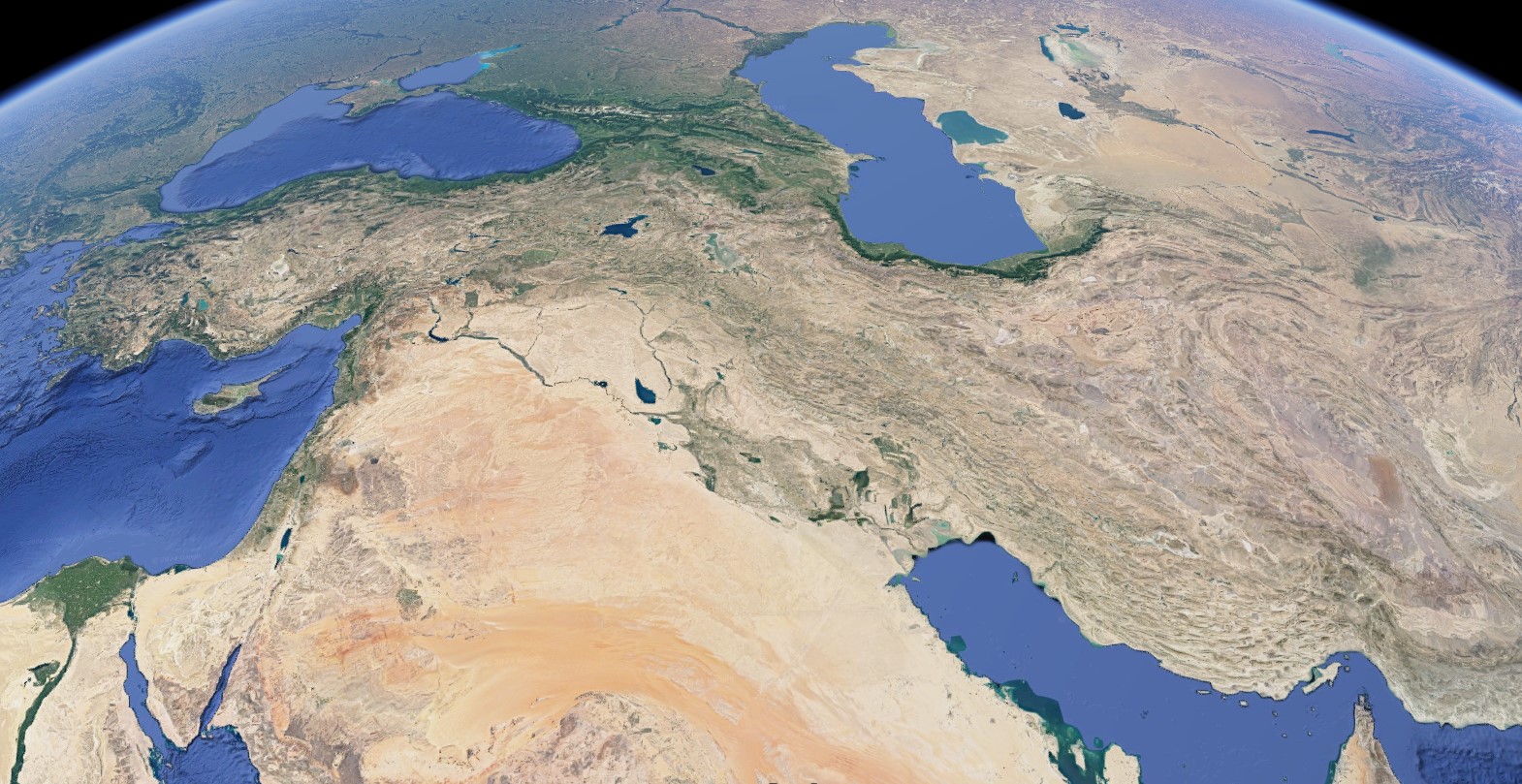


The Persian Plateau was the center for the Colonization of Eurasia, Oceania, and the Americas

Array ( [field_link_esterno_news] => Array ( [#theme] => field [#weight] => -1 [#title] => Link esterno news [#access] => 1 [#label_display] => above [#view_mode] => teaser [#language] => und [#field_name] => field_link_esterno_news [#field_type] => text_long [#field_translatable] => 0 [#entity_type] => node [#bundle] => box_lancio_news [#object] => stdClass Object ( [vid] => 454223 [uid] => 13 [title] => The Persian Plateau was the center for the Colonization of Eurasia, Oceania, and the Americas [log] => [status] => 1 [comment] => 0 [promote] => 1 [sticky] => 0 [nid] => 108956 [type] => box_lancio_news [language] => it [created] => 1711622207 [changed] => 1711622207 [tnid] => 0 [translate] => 0 [revision_timestamp] => 1711622207 [revision_uid] => 13 [body] => Array ( [und] => Array ( [0] => Array ( [value] =>

All current non-African human populations are the result of subdivisions that occurred after their ancestors left Africa 60,000 years ago. These subdivisions took another 20,000 years to form, during which all non-Africans were part of a single population.

The ancestors of all current Eurasians, Americans and Oceanians migrated from Africa between 70,000 and 60,000 years ago. After reaching Eurasia, these settlers did not colonize it immediately but settled for a few millennia in a limited area by forming homogeneous populations. Around 45,000 years ago, these settlers laid the foundations for the genetic divergence between current Europeans and East Asian peoples.

The study entitled, “The Persian Plateau served as Hub for Homo sapiens after the main Out of Africa dispersal” shares precisely the place where humans populated and where the hub for subsequent colonization is found. Published in the journal Nature Communications, the study was conducted by a research team from the Department of Biology of the University of Padua in collaboration with the Department of Cultural Heritage of the University of Bologna, the Griffith University of Brisbane (Australia), the Max Planck Institute of Jena (Germany), and the University of Turin.

Leonardo Vallini of the Biology department of the University of Padua and first author of the study explains, “This work offers a new genetic approach and identifies genetic traces in ancient and modern populations of the Persian plateau that resemble the characteristics of the hub population, thus identifying the area as the probable homeland of all early Eurasians.  The most complex part of our research was to untangle the various layers of information made up of 45,000 years of movement and a mixture of populations that occurred after the establishment of the hub."

The multidisciplinary research includes studying the paleoecological modeling of the area, indicating environmental conditions suitable for human occupation that could support a larger population than other parts of Western Asia.

“The identification of the Persian plateau as a hub for the first human migrations opens new doors to archaeological and paleoanthropological research" explains co-author Michael Petraglia of Griffith University in Brisbane. In fact, the Persian plateau will be at the center of the ERC Synergy Project “LAST NEANDERTHALS”.  The ERC funded project includes co-author Stefano Benazzi, professor at the Department of Cultural Heritage of the University of Bologna who shares insights, “In line with the results of the article, this ERC project aims to explore and reveal the intricate bio-cultural events that occurred between 60,000 and 40,000 years ago, which also includes the Persian plateau”.

[summary] => [format] => 2 [safe_value] =>

All current non-African human populations are the result of subdivisions that occurred after their ancestors left Africa 60,000 years ago. These subdivisions took another 20,000 years to form, during which all non-Africans were part of a single population.

The ancestors of all current Eurasians, Americans and Oceanians migrated from Africa between 70,000 and 60,000 years ago. After reaching Eurasia, these settlers did not colonize it immediately but settled for a few millennia in a limited area by forming homogeneous populations. Around 45,000 years ago, these settlers laid the foundations for the genetic divergence between current Europeans and East Asian peoples.

The study entitled, “The Persian Plateau served as Hub for Homo sapiens after the main Out of Africa dispersal” shares precisely the place where humans populated and where the hub for subsequent colonization is found. Published in the journal Nature Communications, the study was conducted by a research team from the Department of Biology of the University of Padua in collaboration with the Department of Cultural Heritage of the University of Bologna, the Griffith University of Brisbane (Australia), the Max Planck Institute of Jena (Germany), and the University of Turin.

Leonardo Vallini of the Biology department of the University of Padua and first author of the study explains, “This work offers a new genetic approach and identifies genetic traces in ancient and modern populations of the Persian plateau that resemble the characteristics of the hub population, thus identifying the area as the probable homeland of all early Eurasians.  The most complex part of our research was to untangle the various layers of information made up of 45,000 years of movement and a mixture of populations that occurred after the establishment of the hub."

The multidisciplinary research includes studying the paleoecological modeling of the area, indicating environmental conditions suitable for human occupation that could support a larger population than other parts of Western Asia.

“The identification of the Persian plateau as a hub for the first human migrations opens new doors to archaeological and paleoanthropological research" explains co-author Michael Petraglia of Griffith University in Brisbane. In fact, the Persian plateau will be at the center of the ERC Synergy Project “LAST NEANDERTHALS”.  The ERC funded project includes co-author Stefano Benazzi, professor at the Department of Cultural Heritage of the University of Bologna who shares insights, “In line with the results of the article, this ERC project aims to explore and reveal the intricate bio-cultural events that occurred between 60,000 and 40,000 years ago, which also includes the Persian plateau”.

[safe_summary] => ) ) ) [field_date_box_lancio_news] => Array ( [und] => Array ( [0] => Array ( [value] => 2024-03-28T00:00:00 [timezone] => Europe/Paris [timezone_db] => Europe/Paris [date_type] => date ) ) ) [field_etichetta_box_lancio_news] => Array ( ) [field_img_box_lancio_news] => Array ( [und] => Array ( [0] => Array ( [fid] => 128658 [uid] => 2032 [filename] => homoasapiens.jpg [uri] => public://homoasapiens.jpg [filemime] => image/jpeg [filesize] => 56907 [status] => 1 [timestamp] => 1711375084 [type] => image [field_file_image_alt_text] => Array ( ) [field_file_image_title_text] => Array ( ) [field_folder] => Array ( [und] => Array ( [0] => Array ( [tid] => 2048 ) ) ) [metadata] => Array ( [height] => 228 [width] => 728 ) [height] => 228 [width] => 728 [alt] => piede [title] => ) ) ) [field_link_alla_news] => Array ( ) [field_link_esterno_news] => Array ( [und] => Array ( [0] => Array ( [value] => [format] => [safe_value] => ) ) ) [field_pagina_associata] => Array ( ) [field_link_etichetta] => Array ( ) [field_abstract_news] => Array ( [und] => Array ( [0] => Array ( [value] => The Unipd study shares precisely the place where humans populated and where the hub for subsequent colonization is found [format] => [safe_value] => The Unipd study shares precisely the place where humans populated and where the hub for subsequent colonization is found ) ) ) [field_allegato_news] => Array ( ) [field_categorie_news] => Array ( [und] => Array ( [0] => Array ( [tid] => 2296 ) ) ) [field_pub_date] => Array ( [und] => Array ( [0] => Array ( [value] => 2024-03-25T00:00:00 [value2] => 2024-12-07T00:00:00 [timezone] => Europe/Paris [timezone_db] => Europe/Paris [date_type] => date ) ) ) [field_layout_news] => Array ( [und] => Array ( [0] => Array ( [value] => single ) ) ) [field_testo_opzionale_news] => Array ( ) [field_url_en_page] => Array ( ) [field_url_en_page_label] => Array ( ) [path] => Array ( [pathauto] => 1 ) [name] => chiara.mezzalira [picture] => 0 [data] => a:2:{s:13:"form_build_id";s:37:"form-e496b743db3766e42eb8a4d1ccc1c014";s:14:"wysiwyg_status";a:1:{i:1;i:1;}} [num_revisions] => 1 [current_revision_id] => 454223 [is_current] => 1 [is_pending] => [revision_moderation] => [entity_view_prepared] => 1 ) [#items] => Array ( [0] => Array ( [value] => [format] => [safe_value] => ) ) [#formatter] => text_default [0] => Array ( [#markup] => ) ) [body] => Array ( [#theme] => field [#weight] => 0 [#title] => Body [#access] => 1 [#label_display] => hidden [#view_mode] => teaser [#language] => und [#field_name] => body [#field_type] => text_with_summary [#field_translatable] => 0 [#entity_type] => node [#bundle] => box_lancio_news [#object] => stdClass Object ( [vid] => 454223 [uid] => 13 [title] => The Persian Plateau was the center for the Colonization of Eurasia, Oceania, and the Americas [log] => [status] => 1 [comment] => 0 [promote] => 1 [sticky] => 0 [nid] => 108956 [type] => box_lancio_news [language] => it [created] => 1711622207 [changed] => 1711622207 [tnid] => 0 [translate] => 0 [revision_timestamp] => 1711622207 [revision_uid] => 13 [body] => Array ( [und] => Array ( [0] => Array ( [value] =>

All current non-African human populations are the result of subdivisions that occurred after their ancestors left Africa 60,000 years ago. These subdivisions took another 20,000 years to form, during which all non-Africans were part of a single population.

The ancestors of all current Eurasians, Americans and Oceanians migrated from Africa between 70,000 and 60,000 years ago. After reaching Eurasia, these settlers did not colonize it immediately but settled for a few millennia in a limited area by forming homogeneous populations. Around 45,000 years ago, these settlers laid the foundations for the genetic divergence between current Europeans and East Asian peoples.

The study entitled, “The Persian Plateau served as Hub for Homo sapiens after the main Out of Africa dispersal” shares precisely the place where humans populated and where the hub for subsequent colonization is found. Published in the journal Nature Communications, the study was conducted by a research team from the Department of Biology of the University of Padua in collaboration with the Department of Cultural Heritage of the University of Bologna, the Griffith University of Brisbane (Australia), the Max Planck Institute of Jena (Germany), and the University of Turin.

Leonardo Vallini of the Biology department of the University of Padua and first author of the study explains, “This work offers a new genetic approach and identifies genetic traces in ancient and modern populations of the Persian plateau that resemble the characteristics of the hub population, thus identifying the area as the probable homeland of all early Eurasians.  The most complex part of our research was to untangle the various layers of information made up of 45,000 years of movement and a mixture of populations that occurred after the establishment of the hub."

The multidisciplinary research includes studying the paleoecological modeling of the area, indicating environmental conditions suitable for human occupation that could support a larger population than other parts of Western Asia.

“The identification of the Persian plateau as a hub for the first human migrations opens new doors to archaeological and paleoanthropological research" explains co-author Michael Petraglia of Griffith University in Brisbane. In fact, the Persian plateau will be at the center of the ERC Synergy Project “LAST NEANDERTHALS”.  The ERC funded project includes co-author Stefano Benazzi, professor at the Department of Cultural Heritage of the University of Bologna who shares insights, “In line with the results of the article, this ERC project aims to explore and reveal the intricate bio-cultural events that occurred between 60,000 and 40,000 years ago, which also includes the Persian plateau”.

[summary] => [format] => 2 [safe_value] =>

All current non-African human populations are the result of subdivisions that occurred after their ancestors left Africa 60,000 years ago. These subdivisions took another 20,000 years to form, during which all non-Africans were part of a single population.

The ancestors of all current Eurasians, Americans and Oceanians migrated from Africa between 70,000 and 60,000 years ago. After reaching Eurasia, these settlers did not colonize it immediately but settled for a few millennia in a limited area by forming homogeneous populations. Around 45,000 years ago, these settlers laid the foundations for the genetic divergence between current Europeans and East Asian peoples.

The study entitled, “The Persian Plateau served as Hub for Homo sapiens after the main Out of Africa dispersal” shares precisely the place where humans populated and where the hub for subsequent colonization is found. Published in the journal Nature Communications, the study was conducted by a research team from the Department of Biology of the University of Padua in collaboration with the Department of Cultural Heritage of the University of Bologna, the Griffith University of Brisbane (Australia), the Max Planck Institute of Jena (Germany), and the University of Turin.

Leonardo Vallini of the Biology department of the University of Padua and first author of the study explains, “This work offers a new genetic approach and identifies genetic traces in ancient and modern populations of the Persian plateau that resemble the characteristics of the hub population, thus identifying the area as the probable homeland of all early Eurasians.  The most complex part of our research was to untangle the various layers of information made up of 45,000 years of movement and a mixture of populations that occurred after the establishment of the hub."

The multidisciplinary research includes studying the paleoecological modeling of the area, indicating environmental conditions suitable for human occupation that could support a larger population than other parts of Western Asia.

“The identification of the Persian plateau as a hub for the first human migrations opens new doors to archaeological and paleoanthropological research" explains co-author Michael Petraglia of Griffith University in Brisbane. In fact, the Persian plateau will be at the center of the ERC Synergy Project “LAST NEANDERTHALS”.  The ERC funded project includes co-author Stefano Benazzi, professor at the Department of Cultural Heritage of the University of Bologna who shares insights, “In line with the results of the article, this ERC project aims to explore and reveal the intricate bio-cultural events that occurred between 60,000 and 40,000 years ago, which also includes the Persian plateau”.

[safe_summary] => ) ) ) [field_date_box_lancio_news] => Array ( [und] => Array ( [0] => Array ( [value] => 2024-03-28T00:00:00 [timezone] => Europe/Paris [timezone_db] => Europe/Paris [date_type] => date ) ) ) [field_etichetta_box_lancio_news] => Array ( ) [field_img_box_lancio_news] => Array ( [und] => Array ( [0] => Array ( [fid] => 128658 [uid] => 2032 [filename] => homoasapiens.jpg [uri] => public://homoasapiens.jpg [filemime] => image/jpeg [filesize] => 56907 [status] => 1 [timestamp] => 1711375084 [type] => image [field_file_image_alt_text] => Array ( ) [field_file_image_title_text] => Array ( ) [field_folder] => Array ( [und] => Array ( [0] => Array ( [tid] => 2048 ) ) ) [metadata] => Array ( [height] => 228 [width] => 728 ) [height] => 228 [width] => 728 [alt] => piede [title] => ) ) ) [field_link_alla_news] => Array ( ) [field_link_esterno_news] => Array ( [und] => Array ( [0] => Array ( [value] => [format] => [safe_value] => ) ) ) [field_pagina_associata] => Array ( ) [field_link_etichetta] => Array ( ) [field_abstract_news] => Array ( [und] => Array ( [0] => Array ( [value] => The Unipd study shares precisely the place where humans populated and where the hub for subsequent colonization is found [format] => [safe_value] => The Unipd study shares precisely the place where humans populated and where the hub for subsequent colonization is found ) ) ) [field_allegato_news] => Array ( ) [field_categorie_news] => Array ( [und] => Array ( [0] => Array ( [tid] => 2296 ) ) ) [field_pub_date] => Array ( [und] => Array ( [0] => Array ( [value] => 2024-03-25T00:00:00 [value2] => 2024-12-07T00:00:00 [timezone] => Europe/Paris [timezone_db] => Europe/Paris [date_type] => date ) ) ) [field_layout_news] => Array ( [und] => Array ( [0] => Array ( [value] => single ) ) ) [field_testo_opzionale_news] => Array ( ) [field_url_en_page] => Array ( ) [field_url_en_page_label] => Array ( ) [path] => Array ( [pathauto] => 1 ) [name] => chiara.mezzalira [picture] => 0 [data] => a:2:{s:13:"form_build_id";s:37:"form-e496b743db3766e42eb8a4d1ccc1c014";s:14:"wysiwyg_status";a:1:{i:1;i:1;}} [num_revisions] => 1 [current_revision_id] => 454223 [is_current] => 1 [is_pending] => [revision_moderation] => [entity_view_prepared] => 1 ) [#items] => Array ( [0] => Array ( [value] =>

All current non-African human populations are the result of subdivisions that occurred after their ancestors left Africa 60,000 years ago. These subdivisions took another 20,000 years to form, during which all non-Africans were part of a single population.

The ancestors of all current Eurasians, Americans and Oceanians migrated from Africa between 70,000 and 60,000 years ago. After reaching Eurasia, these settlers did not colonize it immediately but settled for a few millennia in a limited area by forming homogeneous populations. Around 45,000 years ago, these settlers laid the foundations for the genetic divergence between current Europeans and East Asian peoples.

The study entitled, “The Persian Plateau served as Hub for Homo sapiens after the main Out of Africa dispersal” shares precisely the place where humans populated and where the hub for subsequent colonization is found. Published in the journal Nature Communications, the study was conducted by a research team from the Department of Biology of the University of Padua in collaboration with the Department of Cultural Heritage of the University of Bologna, the Griffith University of Brisbane (Australia), the Max Planck Institute of Jena (Germany), and the University of Turin.

Leonardo Vallini of the Biology department of the University of Padua and first author of the study explains, “This work offers a new genetic approach and identifies genetic traces in ancient and modern populations of the Persian plateau that resemble the characteristics of the hub population, thus identifying the area as the probable homeland of all early Eurasians.  The most complex part of our research was to untangle the various layers of information made up of 45,000 years of movement and a mixture of populations that occurred after the establishment of the hub."

The multidisciplinary research includes studying the paleoecological modeling of the area, indicating environmental conditions suitable for human occupation that could support a larger population than other parts of Western Asia.

“The identification of the Persian plateau as a hub for the first human migrations opens new doors to archaeological and paleoanthropological research" explains co-author Michael Petraglia of Griffith University in Brisbane. In fact, the Persian plateau will be at the center of the ERC Synergy Project “LAST NEANDERTHALS”.  The ERC funded project includes co-author Stefano Benazzi, professor at the Department of Cultural Heritage of the University of Bologna who shares insights, “In line with the results of the article, this ERC project aims to explore and reveal the intricate bio-cultural events that occurred between 60,000 and 40,000 years ago, which also includes the Persian plateau”.

[summary] => [format] => 2 [safe_value] =>

All current non-African human populations are the result of subdivisions that occurred after their ancestors left Africa 60,000 years ago. These subdivisions took another 20,000 years to form, during which all non-Africans were part of a single population.

The ancestors of all current Eurasians, Americans and Oceanians migrated from Africa between 70,000 and 60,000 years ago. After reaching Eurasia, these settlers did not colonize it immediately but settled for a few millennia in a limited area by forming homogeneous populations. Around 45,000 years ago, these settlers laid the foundations for the genetic divergence between current Europeans and East Asian peoples.

The study entitled, “The Persian Plateau served as Hub for Homo sapiens after the main Out of Africa dispersal” shares precisely the place where humans populated and where the hub for subsequent colonization is found. Published in the journal Nature Communications, the study was conducted by a research team from the Department of Biology of the University of Padua in collaboration with the Department of Cultural Heritage of the University of Bologna, the Griffith University of Brisbane (Australia), the Max Planck Institute of Jena (Germany), and the University of Turin.

Leonardo Vallini of the Biology department of the University of Padua and first author of the study explains, “This work offers a new genetic approach and identifies genetic traces in ancient and modern populations of the Persian plateau that resemble the characteristics of the hub population, thus identifying the area as the probable homeland of all early Eurasians.  The most complex part of our research was to untangle the various layers of information made up of 45,000 years of movement and a mixture of populations that occurred after the establishment of the hub."

The multidisciplinary research includes studying the paleoecological modeling of the area, indicating environmental conditions suitable for human occupation that could support a larger population than other parts of Western Asia.

“The identification of the Persian plateau as a hub for the first human migrations opens new doors to archaeological and paleoanthropological research" explains co-author Michael Petraglia of Griffith University in Brisbane. In fact, the Persian plateau will be at the center of the ERC Synergy Project “LAST NEANDERTHALS”.  The ERC funded project includes co-author Stefano Benazzi, professor at the Department of Cultural Heritage of the University of Bologna who shares insights, “In line with the results of the article, this ERC project aims to explore and reveal the intricate bio-cultural events that occurred between 60,000 and 40,000 years ago, which also includes the Persian plateau”.

[safe_summary] => ) ) [#formatter] => text_summary_or_trimmed [0] => Array ( [#markup] =>

All current non-African human populations are the result of subdivisions that occurred after their ancestors left Africa 60,000 years ago. These subdivisions took another 20,000 years to form, during which all non-Africans were part of a single population.

) ) [field_img_box_lancio_news] => Array ( [#theme] => field [#weight] => 0 [#title] => Immagine [#access] => 1 [#label_display] => above [#view_mode] => teaser [#language] => und [#field_name] => field_img_box_lancio_news [#field_type] => image [#field_translatable] => 0 [#entity_type] => node [#bundle] => box_lancio_news [#object] => stdClass Object ( [vid] => 454223 [uid] => 13 [title] => The Persian Plateau was the center for the Colonization of Eurasia, Oceania, and the Americas [log] => [status] => 1 [comment] => 0 [promote] => 1 [sticky] => 0 [nid] => 108956 [type] => box_lancio_news [language] => it [created] => 1711622207 [changed] => 1711622207 [tnid] => 0 [translate] => 0 [revision_timestamp] => 1711622207 [revision_uid] => 13 [body] => Array ( [und] => Array ( [0] => Array ( [value] =>

All current non-African human populations are the result of subdivisions that occurred after their ancestors left Africa 60,000 years ago. These subdivisions took another 20,000 years to form, during which all non-Africans were part of a single population.

The ancestors of all current Eurasians, Americans and Oceanians migrated from Africa between 70,000 and 60,000 years ago. After reaching Eurasia, these settlers did not colonize it immediately but settled for a few millennia in a limited area by forming homogeneous populations. Around 45,000 years ago, these settlers laid the foundations for the genetic divergence between current Europeans and East Asian peoples.

The study entitled, “The Persian Plateau served as Hub for Homo sapiens after the main Out of Africa dispersal” shares precisely the place where humans populated and where the hub for subsequent colonization is found. Published in the journal Nature Communications, the study was conducted by a research team from the Department of Biology of the University of Padua in collaboration with the Department of Cultural Heritage of the University of Bologna, the Griffith University of Brisbane (Australia), the Max Planck Institute of Jena (Germany), and the University of Turin.

Leonardo Vallini of the Biology department of the University of Padua and first author of the study explains, “This work offers a new genetic approach and identifies genetic traces in ancient and modern populations of the Persian plateau that resemble the characteristics of the hub population, thus identifying the area as the probable homeland of all early Eurasians.  The most complex part of our research was to untangle the various layers of information made up of 45,000 years of movement and a mixture of populations that occurred after the establishment of the hub."

The multidisciplinary research includes studying the paleoecological modeling of the area, indicating environmental conditions suitable for human occupation that could support a larger population than other parts of Western Asia.

“The identification of the Persian plateau as a hub for the first human migrations opens new doors to archaeological and paleoanthropological research" explains co-author Michael Petraglia of Griffith University in Brisbane. In fact, the Persian plateau will be at the center of the ERC Synergy Project “LAST NEANDERTHALS”.  The ERC funded project includes co-author Stefano Benazzi, professor at the Department of Cultural Heritage of the University of Bologna who shares insights, “In line with the results of the article, this ERC project aims to explore and reveal the intricate bio-cultural events that occurred between 60,000 and 40,000 years ago, which also includes the Persian plateau”.

[summary] => [format] => 2 [safe_value] =>

All current non-African human populations are the result of subdivisions that occurred after their ancestors left Africa 60,000 years ago. These subdivisions took another 20,000 years to form, during which all non-Africans were part of a single population.

The ancestors of all current Eurasians, Americans and Oceanians migrated from Africa between 70,000 and 60,000 years ago. After reaching Eurasia, these settlers did not colonize it immediately but settled for a few millennia in a limited area by forming homogeneous populations. Around 45,000 years ago, these settlers laid the foundations for the genetic divergence between current Europeans and East Asian peoples.

The study entitled, “The Persian Plateau served as Hub for Homo sapiens after the main Out of Africa dispersal” shares precisely the place where humans populated and where the hub for subsequent colonization is found. Published in the journal Nature Communications, the study was conducted by a research team from the Department of Biology of the University of Padua in collaboration with the Department of Cultural Heritage of the University of Bologna, the Griffith University of Brisbane (Australia), the Max Planck Institute of Jena (Germany), and the University of Turin.

Leonardo Vallini of the Biology department of the University of Padua and first author of the study explains, “This work offers a new genetic approach and identifies genetic traces in ancient and modern populations of the Persian plateau that resemble the characteristics of the hub population, thus identifying the area as the probable homeland of all early Eurasians.  The most complex part of our research was to untangle the various layers of information made up of 45,000 years of movement and a mixture of populations that occurred after the establishment of the hub."

The multidisciplinary research includes studying the paleoecological modeling of the area, indicating environmental conditions suitable for human occupation that could support a larger population than other parts of Western Asia.

“The identification of the Persian plateau as a hub for the first human migrations opens new doors to archaeological and paleoanthropological research" explains co-author Michael Petraglia of Griffith University in Brisbane. In fact, the Persian plateau will be at the center of the ERC Synergy Project “LAST NEANDERTHALS”.  The ERC funded project includes co-author Stefano Benazzi, professor at the Department of Cultural Heritage of the University of Bologna who shares insights, “In line with the results of the article, this ERC project aims to explore and reveal the intricate bio-cultural events that occurred between 60,000 and 40,000 years ago, which also includes the Persian plateau”.

[safe_summary] => ) ) ) [field_date_box_lancio_news] => Array ( [und] => Array ( [0] => Array ( [value] => 2024-03-28T00:00:00 [timezone] => Europe/Paris [timezone_db] => Europe/Paris [date_type] => date ) ) ) [field_etichetta_box_lancio_news] => Array ( ) [field_img_box_lancio_news] => Array ( [und] => Array ( [0] => Array ( [fid] => 128658 [uid] => 2032 [filename] => homoasapiens.jpg [uri] => public://homoasapiens.jpg [filemime] => image/jpeg [filesize] => 56907 [status] => 1 [timestamp] => 1711375084 [type] => image [field_file_image_alt_text] => Array ( ) [field_file_image_title_text] => Array ( ) [field_folder] => Array ( [und] => Array ( [0] => Array ( [tid] => 2048 ) ) ) [metadata] => Array ( [height] => 228 [width] => 728 ) [height] => 228 [width] => 728 [alt] => piede [title] => ) ) ) [field_link_alla_news] => Array ( ) [field_link_esterno_news] => Array ( [und] => Array ( [0] => Array ( [value] => [format] => [safe_value] => ) ) ) [field_pagina_associata] => Array ( ) [field_link_etichetta] => Array ( ) [field_abstract_news] => Array ( [und] => Array ( [0] => Array ( [value] => The Unipd study shares precisely the place where humans populated and where the hub for subsequent colonization is found [format] => [safe_value] => The Unipd study shares precisely the place where humans populated and where the hub for subsequent colonization is found ) ) ) [field_allegato_news] => Array ( ) [field_categorie_news] => Array ( [und] => Array ( [0] => Array ( [tid] => 2296 ) ) ) [field_pub_date] => Array ( [und] => Array ( [0] => Array ( [value] => 2024-03-25T00:00:00 [value2] => 2024-12-07T00:00:00 [timezone] => Europe/Paris [timezone_db] => Europe/Paris [date_type] => date ) ) ) [field_layout_news] => Array ( [und] => Array ( [0] => Array ( [value] => single ) ) ) [field_testo_opzionale_news] => Array ( ) [field_url_en_page] => Array ( ) [field_url_en_page_label] => Array ( ) [path] => Array ( [pathauto] => 1 ) [name] => chiara.mezzalira [picture] => 0 [data] => a:2:{s:13:"form_build_id";s:37:"form-e496b743db3766e42eb8a4d1ccc1c014";s:14:"wysiwyg_status";a:1:{i:1;i:1;}} [num_revisions] => 1 [current_revision_id] => 454223 [is_current] => 1 [is_pending] => [revision_moderation] => [entity_view_prepared] => 1 ) [#items] => Array ( [0] => Array ( [fid] => 128658 [uid] => 2032 [filename] => homoasapiens.jpg [uri] => public://homoasapiens.jpg [filemime] => image/jpeg [filesize] => 56907 [status] => 1 [timestamp] => 1711375084 [type] => image [field_file_image_alt_text] => Array ( ) [field_file_image_title_text] => Array ( ) [field_folder] => Array ( [und] => Array ( [0] => Array ( [tid] => 2048 ) ) ) [metadata] => Array ( [height] => 228 [width] => 728 ) [height] => 228 [width] => 728 [alt] => piede [title] => ) ) [#formatter] => image [0] => Array ( [#theme] => image_formatter [#item] => Array ( [fid] => 128658 [uid] => 2032 [filename] => homoasapiens.jpg [uri] => public://homoasapiens.jpg [filemime] => image/jpeg [filesize] => 56907 [status] => 1 [timestamp] => 1711375084 [type] => image [field_file_image_alt_text] => Array ( ) [field_file_image_title_text] => Array ( ) [field_folder] => Array ( [und] => Array ( [0] => Array ( [tid] => 2048 ) ) ) [metadata] => Array ( [height] => 228 [width] => 728 ) [height] => 228 [width] => 728 [alt] => piede [title] => ) [#image_style] => [#path] => ) ) [field_abstract_news] => Array ( [#theme] => field [#weight] => 0 [#title] => Abstract [#access] => 1 [#label_display] => above [#view_mode] => teaser [#language] => und [#field_name] => field_abstract_news [#field_type] => text_long [#field_translatable] => 0 [#entity_type] => node [#bundle] => box_lancio_news [#object] => stdClass Object ( [vid] => 454223 [uid] => 13 [title] => The Persian Plateau was the center for the Colonization of Eurasia, Oceania, and the Americas [log] => [status] => 1 [comment] => 0 [promote] => 1 [sticky] => 0 [nid] => 108956 [type] => box_lancio_news [language] => it [created] => 1711622207 [changed] => 1711622207 [tnid] => 0 [translate] => 0 [revision_timestamp] => 1711622207 [revision_uid] => 13 [body] => Array ( [und] => Array ( [0] => Array ( [value] =>

All current non-African human populations are the result of subdivisions that occurred after their ancestors left Africa 60,000 years ago. These subdivisions took another 20,000 years to form, during which all non-Africans were part of a single population.

The ancestors of all current Eurasians, Americans and Oceanians migrated from Africa between 70,000 and 60,000 years ago. After reaching Eurasia, these settlers did not colonize it immediately but settled for a few millennia in a limited area by forming homogeneous populations. Around 45,000 years ago, these settlers laid the foundations for the genetic divergence between current Europeans and East Asian peoples.

The study entitled, “The Persian Plateau served as Hub for Homo sapiens after the main Out of Africa dispersal” shares precisely the place where humans populated and where the hub for subsequent colonization is found. Published in the journal Nature Communications, the study was conducted by a research team from the Department of Biology of the University of Padua in collaboration with the Department of Cultural Heritage of the University of Bologna, the Griffith University of Brisbane (Australia), the Max Planck Institute of Jena (Germany), and the University of Turin.

Leonardo Vallini of the Biology department of the University of Padua and first author of the study explains, “This work offers a new genetic approach and identifies genetic traces in ancient and modern populations of the Persian plateau that resemble the characteristics of the hub population, thus identifying the area as the probable homeland of all early Eurasians.  The most complex part of our research was to untangle the various layers of information made up of 45,000 years of movement and a mixture of populations that occurred after the establishment of the hub."

The multidisciplinary research includes studying the paleoecological modeling of the area, indicating environmental conditions suitable for human occupation that could support a larger population than other parts of Western Asia.

“The identification of the Persian plateau as a hub for the first human migrations opens new doors to archaeological and paleoanthropological research" explains co-author Michael Petraglia of Griffith University in Brisbane. In fact, the Persian plateau will be at the center of the ERC Synergy Project “LAST NEANDERTHALS”.  The ERC funded project includes co-author Stefano Benazzi, professor at the Department of Cultural Heritage of the University of Bologna who shares insights, “In line with the results of the article, this ERC project aims to explore and reveal the intricate bio-cultural events that occurred between 60,000 and 40,000 years ago, which also includes the Persian plateau”.

[summary] => [format] => 2 [safe_value] =>

All current non-African human populations are the result of subdivisions that occurred after their ancestors left Africa 60,000 years ago. These subdivisions took another 20,000 years to form, during which all non-Africans were part of a single population.

The ancestors of all current Eurasians, Americans and Oceanians migrated from Africa between 70,000 and 60,000 years ago. After reaching Eurasia, these settlers did not colonize it immediately but settled for a few millennia in a limited area by forming homogeneous populations. Around 45,000 years ago, these settlers laid the foundations for the genetic divergence between current Europeans and East Asian peoples.

The study entitled, “The Persian Plateau served as Hub for Homo sapiens after the main Out of Africa dispersal” shares precisely the place where humans populated and where the hub for subsequent colonization is found. Published in the journal Nature Communications, the study was conducted by a research team from the Department of Biology of the University of Padua in collaboration with the Department of Cultural Heritage of the University of Bologna, the Griffith University of Brisbane (Australia), the Max Planck Institute of Jena (Germany), and the University of Turin.

Leonardo Vallini of the Biology department of the University of Padua and first author of the study explains, “This work offers a new genetic approach and identifies genetic traces in ancient and modern populations of the Persian plateau that resemble the characteristics of the hub population, thus identifying the area as the probable homeland of all early Eurasians.  The most complex part of our research was to untangle the various layers of information made up of 45,000 years of movement and a mixture of populations that occurred after the establishment of the hub."

The multidisciplinary research includes studying the paleoecological modeling of the area, indicating environmental conditions suitable for human occupation that could support a larger population than other parts of Western Asia.

“The identification of the Persian plateau as a hub for the first human migrations opens new doors to archaeological and paleoanthropological research" explains co-author Michael Petraglia of Griffith University in Brisbane. In fact, the Persian plateau will be at the center of the ERC Synergy Project “LAST NEANDERTHALS”.  The ERC funded project includes co-author Stefano Benazzi, professor at the Department of Cultural Heritage of the University of Bologna who shares insights, “In line with the results of the article, this ERC project aims to explore and reveal the intricate bio-cultural events that occurred between 60,000 and 40,000 years ago, which also includes the Persian plateau”.

[safe_summary] => ) ) ) [field_date_box_lancio_news] => Array ( [und] => Array ( [0] => Array ( [value] => 2024-03-28T00:00:00 [timezone] => Europe/Paris [timezone_db] => Europe/Paris [date_type] => date ) ) ) [field_etichetta_box_lancio_news] => Array ( ) [field_img_box_lancio_news] => Array ( [und] => Array ( [0] => Array ( [fid] => 128658 [uid] => 2032 [filename] => homoasapiens.jpg [uri] => public://homoasapiens.jpg [filemime] => image/jpeg [filesize] => 56907 [status] => 1 [timestamp] => 1711375084 [type] => image [field_file_image_alt_text] => Array ( ) [field_file_image_title_text] => Array ( ) [field_folder] => Array ( [und] => Array ( [0] => Array ( [tid] => 2048 ) ) ) [metadata] => Array ( [height] => 228 [width] => 728 ) [height] => 228 [width] => 728 [alt] => piede [title] => ) ) ) [field_link_alla_news] => Array ( ) [field_link_esterno_news] => Array ( [und] => Array ( [0] => Array ( [value] => [format] => [safe_value] => ) ) ) [field_pagina_associata] => Array ( ) [field_link_etichetta] => Array ( ) [field_abstract_news] => Array ( [und] => Array ( [0] => Array ( [value] => The Unipd study shares precisely the place where humans populated and where the hub for subsequent colonization is found [format] => [safe_value] => The Unipd study shares precisely the place where humans populated and where the hub for subsequent colonization is found ) ) ) [field_allegato_news] => Array ( ) [field_categorie_news] => Array ( [und] => Array ( [0] => Array ( [tid] => 2296 ) ) ) [field_pub_date] => Array ( [und] => Array ( [0] => Array ( [value] => 2024-03-25T00:00:00 [value2] => 2024-12-07T00:00:00 [timezone] => Europe/Paris [timezone_db] => Europe/Paris [date_type] => date ) ) ) [field_layout_news] => Array ( [und] => Array ( [0] => Array ( [value] => single ) ) ) [field_testo_opzionale_news] => Array ( ) [field_url_en_page] => Array ( ) [field_url_en_page_label] => Array ( ) [path] => Array ( [pathauto] => 1 ) [name] => chiara.mezzalira [picture] => 0 [data] => a:2:{s:13:"form_build_id";s:37:"form-e496b743db3766e42eb8a4d1ccc1c014";s:14:"wysiwyg_status";a:1:{i:1;i:1;}} [num_revisions] => 1 [current_revision_id] => 454223 [is_current] => 1 [is_pending] => [revision_moderation] => [entity_view_prepared] => 1 ) [#items] => Array ( [0] => Array ( [value] => The Unipd study shares precisely the place where humans populated and where the hub for subsequent colonization is found [format] => [safe_value] => The Unipd study shares precisely the place where humans populated and where the hub for subsequent colonization is found ) ) [#formatter] => text_default [0] => Array ( [#markup] => The Unipd study shares precisely the place where humans populated and where the hub for subsequent colonization is found ) ) [links] => Array ( [#theme] => links__node [#pre_render] => Array ( [0] => drupal_pre_render_links ) [#attributes] => Array ( [class] => Array ( [0] => links [1] => inline ) ) [node] => Array ( [#theme] => links__node__node [#links] => Array ( [node-readmore] => Array ( [title] => Read more about The Persian Plateau was the center for the Colonization of Eurasia, Oceania, and the Americas [href] => node/108956 [html] => 1 [attributes] => Array ( [rel] => tag [title] => The Persian Plateau was the center for the Colonization of Eurasia, Oceania, and the Americas ) ) ) [#attributes] => Array ( [class] => Array ( [0] => links [1] => inline ) ) ) ) [field_date_box_lancio_news] => Array ( [#theme] => field [#weight] => 1 [#title] => Data [#access] => 1 [#label_display] => above [#view_mode] => teaser [#language] => und [#field_name] => field_date_box_lancio_news [#field_type] => date [#field_translatable] => 0 [#entity_type] => node [#bundle] => box_lancio_news [#object] => stdClass Object ( [vid] => 454223 [uid] => 13 [title] => The Persian Plateau was the center for the Colonization of Eurasia, Oceania, and the Americas [log] => [status] => 1 [comment] => 0 [promote] => 1 [sticky] => 0 [nid] => 108956 [type] => box_lancio_news [language] => it [created] => 1711622207 [changed] => 1711622207 [tnid] => 0 [translate] => 0 [revision_timestamp] => 1711622207 [revision_uid] => 13 [body] => Array ( [und] => Array ( [0] => Array ( [value] =>

All current non-African human populations are the result of subdivisions that occurred after their ancestors left Africa 60,000 years ago. These subdivisions took another 20,000 years to form, during which all non-Africans were part of a single population.

The ancestors of all current Eurasians, Americans and Oceanians migrated from Africa between 70,000 and 60,000 years ago. After reaching Eurasia, these settlers did not colonize it immediately but settled for a few millennia in a limited area by forming homogeneous populations. Around 45,000 years ago, these settlers laid the foundations for the genetic divergence between current Europeans and East Asian peoples.

The study entitled, “The Persian Plateau served as Hub for Homo sapiens after the main Out of Africa dispersal” shares precisely the place where humans populated and where the hub for subsequent colonization is found. Published in the journal Nature Communications, the study was conducted by a research team from the Department of Biology of the University of Padua in collaboration with the Department of Cultural Heritage of the University of Bologna, the Griffith University of Brisbane (Australia), the Max Planck Institute of Jena (Germany), and the University of Turin.

Leonardo Vallini of the Biology department of the University of Padua and first author of the study explains, “This work offers a new genetic approach and identifies genetic traces in ancient and modern populations of the Persian plateau that resemble the characteristics of the hub population, thus identifying the area as the probable homeland of all early Eurasians.  The most complex part of our research was to untangle the various layers of information made up of 45,000 years of movement and a mixture of populations that occurred after the establishment of the hub."

The multidisciplinary research includes studying the paleoecological modeling of the area, indicating environmental conditions suitable for human occupation that could support a larger population than other parts of Western Asia.

“The identification of the Persian plateau as a hub for the first human migrations opens new doors to archaeological and paleoanthropological research" explains co-author Michael Petraglia of Griffith University in Brisbane. In fact, the Persian plateau will be at the center of the ERC Synergy Project “LAST NEANDERTHALS”.  The ERC funded project includes co-author Stefano Benazzi, professor at the Department of Cultural Heritage of the University of Bologna who shares insights, “In line with the results of the article, this ERC project aims to explore and reveal the intricate bio-cultural events that occurred between 60,000 and 40,000 years ago, which also includes the Persian plateau”.

[summary] => [format] => 2 [safe_value] =>

All current non-African human populations are the result of subdivisions that occurred after their ancestors left Africa 60,000 years ago. These subdivisions took another 20,000 years to form, during which all non-Africans were part of a single population.

The ancestors of all current Eurasians, Americans and Oceanians migrated from Africa between 70,000 and 60,000 years ago. After reaching Eurasia, these settlers did not colonize it immediately but settled for a few millennia in a limited area by forming homogeneous populations. Around 45,000 years ago, these settlers laid the foundations for the genetic divergence between current Europeans and East Asian peoples.

The study entitled, “The Persian Plateau served as Hub for Homo sapiens after the main Out of Africa dispersal” shares precisely the place where humans populated and where the hub for subsequent colonization is found. Published in the journal Nature Communications, the study was conducted by a research team from the Department of Biology of the University of Padua in collaboration with the Department of Cultural Heritage of the University of Bologna, the Griffith University of Brisbane (Australia), the Max Planck Institute of Jena (Germany), and the University of Turin.

Leonardo Vallini of the Biology department of the University of Padua and first author of the study explains, “This work offers a new genetic approach and identifies genetic traces in ancient and modern populations of the Persian plateau that resemble the characteristics of the hub population, thus identifying the area as the probable homeland of all early Eurasians.  The most complex part of our research was to untangle the various layers of information made up of 45,000 years of movement and a mixture of populations that occurred after the establishment of the hub."

The multidisciplinary research includes studying the paleoecological modeling of the area, indicating environmental conditions suitable for human occupation that could support a larger population than other parts of Western Asia.

“The identification of the Persian plateau as a hub for the first human migrations opens new doors to archaeological and paleoanthropological research" explains co-author Michael Petraglia of Griffith University in Brisbane. In fact, the Persian plateau will be at the center of the ERC Synergy Project “LAST NEANDERTHALS”.  The ERC funded project includes co-author Stefano Benazzi, professor at the Department of Cultural Heritage of the University of Bologna who shares insights, “In line with the results of the article, this ERC project aims to explore and reveal the intricate bio-cultural events that occurred between 60,000 and 40,000 years ago, which also includes the Persian plateau”.

[safe_summary] => ) ) ) [field_date_box_lancio_news] => Array ( [und] => Array ( [0] => Array ( [value] => 2024-03-28T00:00:00 [timezone] => Europe/Paris [timezone_db] => Europe/Paris [date_type] => date ) ) ) [field_etichetta_box_lancio_news] => Array ( ) [field_img_box_lancio_news] => Array ( [und] => Array ( [0] => Array ( [fid] => 128658 [uid] => 2032 [filename] => homoasapiens.jpg [uri] => public://homoasapiens.jpg [filemime] => image/jpeg [filesize] => 56907 [status] => 1 [timestamp] => 1711375084 [type] => image [field_file_image_alt_text] => Array ( ) [field_file_image_title_text] => Array ( ) [field_folder] => Array ( [und] => Array ( [0] => Array ( [tid] => 2048 ) ) ) [metadata] => Array ( [height] => 228 [width] => 728 ) [height] => 228 [width] => 728 [alt] => piede [title] => ) ) ) [field_link_alla_news] => Array ( ) [field_link_esterno_news] => Array ( [und] => Array ( [0] => Array ( [value] => [format] => [safe_value] => ) ) ) [field_pagina_associata] => Array ( ) [field_link_etichetta] => Array ( ) [field_abstract_news] => Array ( [und] => Array ( [0] => Array ( [value] => The Unipd study shares precisely the place where humans populated and where the hub for subsequent colonization is found [format] => [safe_value] => The Unipd study shares precisely the place where humans populated and where the hub for subsequent colonization is found ) ) ) [field_allegato_news] => Array ( ) [field_categorie_news] => Array ( [und] => Array ( [0] => Array ( [tid] => 2296 ) ) ) [field_pub_date] => Array ( [und] => Array ( [0] => Array ( [value] => 2024-03-25T00:00:00 [value2] => 2024-12-07T00:00:00 [timezone] => Europe/Paris [timezone_db] => Europe/Paris [date_type] => date ) ) ) [field_layout_news] => Array ( [und] => Array ( [0] => Array ( [value] => single ) ) ) [field_testo_opzionale_news] => Array ( ) [field_url_en_page] => Array ( ) [field_url_en_page_label] => Array ( ) [path] => Array ( [pathauto] => 1 ) [name] => chiara.mezzalira [picture] => 0 [data] => a:2:{s:13:"form_build_id";s:37:"form-e496b743db3766e42eb8a4d1ccc1c014";s:14:"wysiwyg_status";a:1:{i:1;i:1;}} [num_revisions] => 1 [current_revision_id] => 454223 [is_current] => 1 [is_pending] => [revision_moderation] => [entity_view_prepared] => 1 ) [#items] => Array ( [0] => Array ( [value] => 2024-03-28T00:00:00 [timezone] => Europe/Paris [timezone_db] => Europe/Paris [date_type] => date ) ) [#formatter] => date_default [0] => Array ( [#markup] => Gio, 28/03/2024 ) ) )

2023PO190 - Allegato 2 - Verbale 2 - Elenco candidati e convocazione

Array ( [field_titolo_frontend_all] => Array ( [#theme] => field [#weight] => -4 [#title] => Titolo frontend [#access] => 1 [#label_display] => above [#view_mode] => teaser [#language] => und [#field_name] => field_titolo_frontend_all [#field_type] => text_long [#field_translatable] => 0 [#entity_type] => node [#bundle] => allegato [#object] => stdClass Object ( [vid] => 454219 [uid] => 8831 [title] => 2023PO190 - Allegato 2 - Verbale 2 - Elenco candidati e convocazione [log] => [status] => 1 [comment] => 0 [promote] => 1 [sticky] => 0 [nid] => 108955 [type] => allegato [language] => it [created] => 1711621189 [changed] => 1723215996 [tnid] => 0 [translate] => 0 [revision_timestamp] => 1723215996 [revision_uid] => 102 [taxonomy_vocabulary_2] => Array ( ) [taxonomy_vocabulary_8] => Array ( ) [body] => Array ( ) [field_titolo_frontend_all] => Array ( [und] => Array ( [0] => Array ( [value] => Verbale 2 - Elenco candidati e convocazione [format] => [safe_value] => Verbale 2 - Elenco candidati e convocazione ) ) ) [field_allegato_file] => Array ( [und] => Array ( [0] => Array ( [fid] => 128767 [uid] => 32 [filename] => Verbale 2 - MED04.pdf.pdf [uri] => public://2024/Verbale 2 - MED04.pdf.pdf [filemime] => application/pdf [filesize] => 723993 [status] => 1 [timestamp] => 1711621184 [type] => document [field_folder] => Array ( [und] => Array ( [0] => Array ( [tid] => 2614 ) ) ) [metadata] => Array ( ) [display] => 1 [description] => ) ) ) [name] => carriere.docenti [picture] => 0 [data] => b:0; [num_revisions] => 1 [current_revision_id] => 454219 [is_current] => 1 [is_pending] => [revision_moderation] => [entity_view_prepared] => 1 ) [#items] => Array ( [0] => Array ( [value] => Verbale 2 - Elenco candidati e convocazione [format] => [safe_value] => Verbale 2 - Elenco candidati e convocazione ) ) [#formatter] => text_default [0] => Array ( [#markup] => Verbale 2 - Elenco candidati e convocazione ) ) [field_allegato_file] => Array ( [#theme] => field [#weight] => -3 [#title] => File [#access] => 1 [#label_display] => above [#view_mode] => teaser [#language] => und [#field_name] => field_allegato_file [#field_type] => file [#field_translatable] => 0 [#entity_type] => node [#bundle] => allegato [#object] => stdClass Object ( [vid] => 454219 [uid] => 8831 [title] => 2023PO190 - Allegato 2 - Verbale 2 - Elenco candidati e convocazione [log] => [status] => 1 [comment] => 0 [promote] => 1 [sticky] => 0 [nid] => 108955 [type] => allegato [language] => it [created] => 1711621189 [changed] => 1723215996 [tnid] => 0 [translate] => 0 [revision_timestamp] => 1723215996 [revision_uid] => 102 [taxonomy_vocabulary_2] => Array ( ) [taxonomy_vocabulary_8] => Array ( ) [body] => Array ( ) [field_titolo_frontend_all] => Array ( [und] => Array ( [0] => Array ( [value] => Verbale 2 - Elenco candidati e convocazione [format] => [safe_value] => Verbale 2 - Elenco candidati e convocazione ) ) ) [field_allegato_file] => Array ( [und] => Array ( [0] => Array ( [fid] => 128767 [uid] => 32 [filename] => Verbale 2 - MED04.pdf.pdf [uri] => public://2024/Verbale 2 - MED04.pdf.pdf [filemime] => application/pdf [filesize] => 723993 [status] => 1 [timestamp] => 1711621184 [type] => document [field_folder] => Array ( [und] => Array ( [0] => Array ( [tid] => 2614 ) ) ) [metadata] => Array ( ) [display] => 1 [description] => ) ) ) [name] => carriere.docenti [picture] => 0 [data] => b:0; [num_revisions] => 1 [current_revision_id] => 454219 [is_current] => 1 [is_pending] => [revision_moderation] => [entity_view_prepared] => 1 ) [#items] => Array ( [0] => Array ( [fid] => 128767 [uid] => 32 [filename] => Verbale 2 - MED04.pdf.pdf [uri] => public://2024/Verbale 2 - MED04.pdf.pdf [filemime] => application/pdf [filesize] => 723993 [status] => 1 [timestamp] => 1711621184 [type] => document [field_folder] => Array ( [und] => Array ( [0] => Array ( [tid] => 2614 ) ) ) [metadata] => Array ( ) [display] => 1 [description] => ) ) [#formatter] => file_default [0] => Array ( [#theme] => file_link [#file] => stdClass Object ( [fid] => 128767 [uid] => 32 [filename] => Verbale 2 - MED04.pdf.pdf [uri] => public://2024/Verbale 2 - MED04.pdf.pdf [filemime] => application/pdf [filesize] => 723993 [status] => 1 [timestamp] => 1711621184 [type] => document [field_folder] => Array ( [und] => Array ( [0] => Array ( [tid] => 2614 ) ) ) [metadata] => Array ( ) [display] => 1 [description] => ) ) ) [links] => Array ( [#theme] => links__node [#pre_render] => Array ( [0] => drupal_pre_render_links ) [#attributes] => Array ( [class] => Array ( [0] => links [1] => inline ) ) [node] => Array ( [#theme] => links__node__node [#links] => Array ( [node-readmore] => Array ( [title] => Read more about 2023PO190 - Allegato 2 - Verbale 2 - Elenco candidati e convocazione [href] => node/108955 [html] => 1 [attributes] => Array ( [rel] => tag [title] => 2023PO190 - Allegato 2 - Verbale 2 - Elenco candidati e convocazione ) ) ) [#attributes] => Array ( [class] => Array ( [0] => links [1] => inline ) ) ) ) )

2023PO181_4ter Allegato 3 - Verbale 2 - Elenco candidati

Array ( [field_titolo_frontend_all] => Array ( [#theme] => field [#weight] => -4 [#title] => Titolo frontend [#access] => 1 [#label_display] => above [#view_mode] => teaser [#language] => und [#field_name] => field_titolo_frontend_all [#field_type] => text_long [#field_translatable] => 0 [#entity_type] => node [#bundle] => allegato [#object] => stdClass Object ( [vid] => 454218 [uid] => 8831 [title] => 2023PO181_4ter Allegato 3 - Verbale 2 - Elenco candidati [log] => [status] => 1 [comment] => 0 [promote] => 1 [sticky] => 0 [nid] => 108954 [type] => allegato [language] => it [created] => 1711621093 [changed] => 1723215964 [tnid] => 0 [translate] => 0 [revision_timestamp] => 1723215964 [revision_uid] => 102 [taxonomy_vocabulary_2] => Array ( ) [taxonomy_vocabulary_8] => Array ( ) [body] => Array ( ) [field_titolo_frontend_all] => Array ( [und] => Array ( [0] => Array ( [value] => Verbale 2 - Elenco candidati [format] => [safe_value] => Verbale 2 - Elenco candidati ) ) ) [field_allegato_file] => Array ( [und] => Array ( [0] => Array ( [fid] => 128766 [uid] => 32 [filename] => Verbale 2 L-ANT03.pdf.pdf [uri] => public://2024/Verbale 2 L-ANT03.pdf.pdf [filemime] => application/pdf [filesize] => 253307 [status] => 1 [timestamp] => 1711621089 [type] => document [field_folder] => Array ( [und] => Array ( [0] => Array ( [tid] => 2614 ) ) ) [metadata] => Array ( ) [display] => 1 [description] => ) ) ) [name] => carriere.docenti [picture] => 0 [data] => b:0; [num_revisions] => 1 [current_revision_id] => 454218 [is_current] => 1 [is_pending] => [revision_moderation] => [entity_view_prepared] => 1 ) [#items] => Array ( [0] => Array ( [value] => Verbale 2 - Elenco candidati [format] => [safe_value] => Verbale 2 - Elenco candidati ) ) [#formatter] => text_default [0] => Array ( [#markup] => Verbale 2 - Elenco candidati ) ) [field_allegato_file] => Array ( [#theme] => field [#weight] => -3 [#title] => File [#access] => 1 [#label_display] => above [#view_mode] => teaser [#language] => und [#field_name] => field_allegato_file [#field_type] => file [#field_translatable] => 0 [#entity_type] => node [#bundle] => allegato [#object] => stdClass Object ( [vid] => 454218 [uid] => 8831 [title] => 2023PO181_4ter Allegato 3 - Verbale 2 - Elenco candidati [log] => [status] => 1 [comment] => 0 [promote] => 1 [sticky] => 0 [nid] => 108954 [type] => allegato [language] => it [created] => 1711621093 [changed] => 1723215964 [tnid] => 0 [translate] => 0 [revision_timestamp] => 1723215964 [revision_uid] => 102 [taxonomy_vocabulary_2] => Array ( ) [taxonomy_vocabulary_8] => Array ( ) [body] => Array ( ) [field_titolo_frontend_all] => Array ( [und] => Array ( [0] => Array ( [value] => Verbale 2 - Elenco candidati [format] => [safe_value] => Verbale 2 - Elenco candidati ) ) ) [field_allegato_file] => Array ( [und] => Array ( [0] => Array ( [fid] => 128766 [uid] => 32 [filename] => Verbale 2 L-ANT03.pdf.pdf [uri] => public://2024/Verbale 2 L-ANT03.pdf.pdf [filemime] => application/pdf [filesize] => 253307 [status] => 1 [timestamp] => 1711621089 [type] => document [field_folder] => Array ( [und] => Array ( [0] => Array ( [tid] => 2614 ) ) ) [metadata] => Array ( ) [display] => 1 [description] => ) ) ) [name] => carriere.docenti [picture] => 0 [data] => b:0; [num_revisions] => 1 [current_revision_id] => 454218 [is_current] => 1 [is_pending] => [revision_moderation] => [entity_view_prepared] => 1 ) [#items] => Array ( [0] => Array ( [fid] => 128766 [uid] => 32 [filename] => Verbale 2 L-ANT03.pdf.pdf [uri] => public://2024/Verbale 2 L-ANT03.pdf.pdf [filemime] => application/pdf [filesize] => 253307 [status] => 1 [timestamp] => 1711621089 [type] => document [field_folder] => Array ( [und] => Array ( [0] => Array ( [tid] => 2614 ) ) ) [metadata] => Array ( ) [display] => 1 [description] => ) ) [#formatter] => file_default [0] => Array ( [#theme] => file_link [#file] => stdClass Object ( [fid] => 128766 [uid] => 32 [filename] => Verbale 2 L-ANT03.pdf.pdf [uri] => public://2024/Verbale 2 L-ANT03.pdf.pdf [filemime] => application/pdf [filesize] => 253307 [status] => 1 [timestamp] => 1711621089 [type] => document [field_folder] => Array ( [und] => Array ( [0] => Array ( [tid] => 2614 ) ) ) [metadata] => Array ( ) [display] => 1 [description] => ) ) ) [links] => Array ( [#theme] => links__node [#pre_render] => Array ( [0] => drupal_pre_render_links ) [#attributes] => Array ( [class] => Array ( [0] => links [1] => inline ) ) [node] => Array ( [#theme] => links__node__node [#links] => Array ( [node-readmore] => Array ( [title] => Read more about 2023PO181_4ter Allegato 3 - Verbale 2 - Elenco candidati [href] => node/108954 [html] => 1 [attributes] => Array ( [rel] => tag [title] => 2023PO181_4ter Allegato 3 - Verbale 2 - Elenco candidati ) ) ) [#attributes] => Array ( [class] => Array ( [0] => links [1] => inline ) ) ) ) )

2024PA509 - Dr approvazione atti

Array ( [field_titolo_frontend_all] => Array ( [#theme] => field [#weight] => -4 [#title] => Titolo frontend [#access] => 1 [#label_display] => above [#view_mode] => teaser [#language] => und [#field_name] => field_titolo_frontend_all [#field_type] => text_long [#field_translatable] => 0 [#entity_type] => node [#bundle] => allegato [#object] => stdClass Object ( [vid] => 454215 [uid] => 8831 [title] => 2024PA509 - Dr approvazione atti [log] => [status] => 1 [comment] => 0 [promote] => 1 [sticky] => 0 [nid] => 108953 [type] => allegato [language] => it [created] => 1711620162 [changed] => 1712127271 [tnid] => 0 [translate] => 0 [revision_timestamp] => 1712127271 [revision_uid] => 102 [taxonomy_vocabulary_2] => Array ( ) [taxonomy_vocabulary_8] => Array ( ) [body] => Array ( ) [field_titolo_frontend_all] => Array ( [und] => Array ( [0] => Array ( [value] => Dr approvazione atti [format] => [safe_value] => Dr approvazione atti ) ) ) [field_allegato_file] => Array ( [und] => Array ( [0] => Array ( [fid] => 128765 [uid] => 32 [filename] => DR approvazione atti 2024PA509.pdf [uri] => public://2024/DR approvazione atti 2024PA509.pdf [filemime] => application/pdf [filesize] => 181320 [status] => 1 [timestamp] => 1711620158 [type] => document [field_folder] => Array ( [und] => Array ( [0] => Array ( [tid] => 2614 ) ) ) [metadata] => Array ( ) [display] => 1 [description] => ) ) ) [name] => carriere.docenti [picture] => 0 [data] => b:0; [num_revisions] => 1 [current_revision_id] => 454215 [is_current] => 1 [is_pending] => [revision_moderation] => [entity_view_prepared] => 1 ) [#items] => Array ( [0] => Array ( [value] => Dr approvazione atti [format] => [safe_value] => Dr approvazione atti ) ) [#formatter] => text_default [0] => Array ( [#markup] => Dr approvazione atti ) ) [field_allegato_file] => Array ( [#theme] => field [#weight] => -3 [#title] => File [#access] => 1 [#label_display] => above [#view_mode] => teaser [#language] => und [#field_name] => field_allegato_file [#field_type] => file [#field_translatable] => 0 [#entity_type] => node [#bundle] => allegato [#object] => stdClass Object ( [vid] => 454215 [uid] => 8831 [title] => 2024PA509 - Dr approvazione atti [log] => [status] => 1 [comment] => 0 [promote] => 1 [sticky] => 0 [nid] => 108953 [type] => allegato [language] => it [created] => 1711620162 [changed] => 1712127271 [tnid] => 0 [translate] => 0 [revision_timestamp] => 1712127271 [revision_uid] => 102 [taxonomy_vocabulary_2] => Array ( ) [taxonomy_vocabulary_8] => Array ( ) [body] => Array ( ) [field_titolo_frontend_all] => Array ( [und] => Array ( [0] => Array ( [value] => Dr approvazione atti [format] => [safe_value] => Dr approvazione atti ) ) ) [field_allegato_file] => Array ( [und] => Array ( [0] => Array ( [fid] => 128765 [uid] => 32 [filename] => DR approvazione atti 2024PA509.pdf [uri] => public://2024/DR approvazione atti 2024PA509.pdf [filemime] => application/pdf [filesize] => 181320 [status] => 1 [timestamp] => 1711620158 [type] => document [field_folder] => Array ( [und] => Array ( [0] => Array ( [tid] => 2614 ) ) ) [metadata] => Array ( ) [display] => 1 [description] => ) ) ) [name] => carriere.docenti [picture] => 0 [data] => b:0; [num_revisions] => 1 [current_revision_id] => 454215 [is_current] => 1 [is_pending] => [revision_moderation] => [entity_view_prepared] => 1 ) [#items] => Array ( [0] => Array ( [fid] => 128765 [uid] => 32 [filename] => DR approvazione atti 2024PA509.pdf [uri] => public://2024/DR approvazione atti 2024PA509.pdf [filemime] => application/pdf [filesize] => 181320 [status] => 1 [timestamp] => 1711620158 [type] => document [field_folder] => Array ( [und] => Array ( [0] => Array ( [tid] => 2614 ) ) ) [metadata] => Array ( ) [display] => 1 [description] => ) ) [#formatter] => file_default [0] => Array ( [#theme] => file_link [#file] => stdClass Object ( [fid] => 128765 [uid] => 32 [filename] => DR approvazione atti 2024PA509.pdf [uri] => public://2024/DR approvazione atti 2024PA509.pdf [filemime] => application/pdf [filesize] => 181320 [status] => 1 [timestamp] => 1711620158 [type] => document [field_folder] => Array ( [und] => Array ( [0] => Array ( [tid] => 2614 ) ) ) [metadata] => Array ( ) [display] => 1 [description] => ) ) ) [links] => Array ( [#theme] => links__node [#pre_render] => Array ( [0] => drupal_pre_render_links ) [#attributes] => Array ( [class] => Array ( [0] => links [1] => inline ) ) [node] => Array ( [#theme] => links__node__node [#links] => Array ( [node-readmore] => Array ( [title] => Read more about 2024PA509 - Dr approvazione atti [href] => node/108953 [html] => 1 [attributes] => Array ( [rel] => tag [title] => 2024PA509 - Dr approvazione atti ) ) ) [#attributes] => Array ( [class] => Array ( [0] => links [1] => inline ) ) ) ) )

2024PA509 - Allegato B) al verbale n. 2

Array ( [field_titolo_frontend_all] => Array ( [#theme] => field [#weight] => -4 [#title] => Titolo frontend [#access] => 1 [#label_display] => above [#view_mode] => teaser [#language] => und [#field_name] => field_titolo_frontend_all [#field_type] => text_long [#field_translatable] => 0 [#entity_type] => node [#bundle] => allegato [#object] => stdClass Object ( [vid] => 454214 [uid] => 8831 [title] => 2024PA509 - Allegato B) al verbale n. 2 [log] => [status] => 1 [comment] => 0 [promote] => 1 [sticky] => 0 [nid] => 108952 [type] => allegato [language] => it [created] => 1711620122 [changed] => 1712127271 [tnid] => 0 [translate] => 0 [revision_timestamp] => 1712127271 [revision_uid] => 102 [taxonomy_vocabulary_2] => Array ( ) [taxonomy_vocabulary_8] => Array ( ) [body] => Array ( ) [field_titolo_frontend_all] => Array ( [und] => Array ( [0] => Array ( [value] => Allegato B) al verbale n. 2 [format] => [safe_value] => Allegato B) al verbale n. 2 ) ) ) [field_allegato_file] => Array ( [und] => Array ( [0] => Array ( [fid] => 128764 [uid] => 32 [filename] => Allegato - Verbale 2 .pdf [uri] => public://2024/Allegato - Verbale 2 .pdf [filemime] => application/pdf [filesize] => 665519 [status] => 1 [timestamp] => 1711620118 [type] => document [field_folder] => Array ( [und] => Array ( [0] => Array ( [tid] => 2614 ) ) ) [metadata] => Array ( ) [display] => 1 [description] => ) ) ) [name] => carriere.docenti [picture] => 0 [data] => b:0; [num_revisions] => 1 [current_revision_id] => 454214 [is_current] => 1 [is_pending] => [revision_moderation] => [entity_view_prepared] => 1 ) [#items] => Array ( [0] => Array ( [value] => Allegato B) al verbale n. 2 [format] => [safe_value] => Allegato B) al verbale n. 2 ) ) [#formatter] => text_default [0] => Array ( [#markup] => Allegato B) al verbale n. 2 ) ) [field_allegato_file] => Array ( [#theme] => field [#weight] => -3 [#title] => File [#access] => 1 [#label_display] => above [#view_mode] => teaser [#language] => und [#field_name] => field_allegato_file [#field_type] => file [#field_translatable] => 0 [#entity_type] => node [#bundle] => allegato [#object] => stdClass Object ( [vid] => 454214 [uid] => 8831 [title] => 2024PA509 - Allegato B) al verbale n. 2 [log] => [status] => 1 [comment] => 0 [promote] => 1 [sticky] => 0 [nid] => 108952 [type] => allegato [language] => it [created] => 1711620122 [changed] => 1712127271 [tnid] => 0 [translate] => 0 [revision_timestamp] => 1712127271 [revision_uid] => 102 [taxonomy_vocabulary_2] => Array ( ) [taxonomy_vocabulary_8] => Array ( ) [body] => Array ( ) [field_titolo_frontend_all] => Array ( [und] => Array ( [0] => Array ( [value] => Allegato B) al verbale n. 2 [format] => [safe_value] => Allegato B) al verbale n. 2 ) ) ) [field_allegato_file] => Array ( [und] => Array ( [0] => Array ( [fid] => 128764 [uid] => 32 [filename] => Allegato - Verbale 2 .pdf [uri] => public://2024/Allegato - Verbale 2 .pdf [filemime] => application/pdf [filesize] => 665519 [status] => 1 [timestamp] => 1711620118 [type] => document [field_folder] => Array ( [und] => Array ( [0] => Array ( [tid] => 2614 ) ) ) [metadata] => Array ( ) [display] => 1 [description] => ) ) ) [name] => carriere.docenti [picture] => 0 [data] => b:0; [num_revisions] => 1 [current_revision_id] => 454214 [is_current] => 1 [is_pending] => [revision_moderation] => [entity_view_prepared] => 1 ) [#items] => Array ( [0] => Array ( [fid] => 128764 [uid] => 32 [filename] => Allegato - Verbale 2 .pdf [uri] => public://2024/Allegato - Verbale 2 .pdf [filemime] => application/pdf [filesize] => 665519 [status] => 1 [timestamp] => 1711620118 [type] => document [field_folder] => Array ( [und] => Array ( [0] => Array ( [tid] => 2614 ) ) ) [metadata] => Array ( ) [display] => 1 [description] => ) ) [#formatter] => file_default [0] => Array ( [#theme] => file_link [#file] => stdClass Object ( [fid] => 128764 [uid] => 32 [filename] => Allegato - Verbale 2 .pdf [uri] => public://2024/Allegato - Verbale 2 .pdf [filemime] => application/pdf [filesize] => 665519 [status] => 1 [timestamp] => 1711620118 [type] => document [field_folder] => Array ( [und] => Array ( [0] => Array ( [tid] => 2614 ) ) ) [metadata] => Array ( ) [display] => 1 [description] => ) ) ) [links] => Array ( [#theme] => links__node [#pre_render] => Array ( [0] => drupal_pre_render_links ) [#attributes] => Array ( [class] => Array ( [0] => links [1] => inline ) ) [node] => Array ( [#theme] => links__node__node [#links] => Array ( [node-readmore] => Array ( [title] => Read more about 2024PA509 - Allegato B) al verbale n. 2 [href] => node/108952 [html] => 1 [attributes] => Array ( [rel] => tag [title] => 2024PA509 - Allegato B) al verbale n. 2 ) ) ) [#attributes] => Array ( [class] => Array ( [0] => links [1] => inline ) ) ) ) )

2024PA509 - Verbale 2 - Giudizi

Array ( [field_titolo_frontend_all] => Array ( [#theme] => field [#weight] => -4 [#title] => Titolo frontend [#access] => 1 [#label_display] => above [#view_mode] => teaser [#language] => und [#field_name] => field_titolo_frontend_all [#field_type] => text_long [#field_translatable] => 0 [#entity_type] => node [#bundle] => allegato [#object] => stdClass Object ( [vid] => 454213 [uid] => 8831 [title] => 2024PA509 - Verbale 2 - Giudizi [log] => [status] => 1 [comment] => 0 [promote] => 1 [sticky] => 0 [nid] => 108951 [type] => allegato [language] => it [created] => 1711620083 [changed] => 1718798299 [tnid] => 0 [translate] => 0 [revision_timestamp] => 1718798299 [revision_uid] => 102 [taxonomy_vocabulary_2] => Array ( ) [taxonomy_vocabulary_8] => Array ( ) [body] => Array ( ) [field_titolo_frontend_all] => Array ( [und] => Array ( [0] => Array ( [value] => Verbale 2 - Giudizi [format] => [safe_value] => Verbale 2 - Giudizi ) ) ) [field_allegato_file] => Array ( [und] => Array ( [0] => Array ( [fid] => 128763 [uid] => 32 [filename] => Verbale 2 - 2024PA509.pdf [uri] => public://2024/Verbale 2 - 2024PA509.pdf [filemime] => application/pdf [filesize] => 652448 [status] => 1 [timestamp] => 1711620078 [type] => document [field_folder] => Array ( [und] => Array ( [0] => Array ( [tid] => 2614 ) ) ) [metadata] => Array ( ) [display] => 1 [description] => ) ) ) [name] => carriere.docenti [picture] => 0 [data] => b:0; [num_revisions] => 1 [current_revision_id] => 454213 [is_current] => 1 [is_pending] => [revision_moderation] => [entity_view_prepared] => 1 ) [#items] => Array ( [0] => Array ( [value] => Verbale 2 - Giudizi [format] => [safe_value] => Verbale 2 - Giudizi ) ) [#formatter] => text_default [0] => Array ( [#markup] => Verbale 2 - Giudizi ) ) [field_allegato_file] => Array ( [#theme] => field [#weight] => -3 [#title] => File [#access] => 1 [#label_display] => above [#view_mode] => teaser [#language] => und [#field_name] => field_allegato_file [#field_type] => file [#field_translatable] => 0 [#entity_type] => node [#bundle] => allegato [#object] => stdClass Object ( [vid] => 454213 [uid] => 8831 [title] => 2024PA509 - Verbale 2 - Giudizi [log] => [status] => 1 [comment] => 0 [promote] => 1 [sticky] => 0 [nid] => 108951 [type] => allegato [language] => it [created] => 1711620083 [changed] => 1718798299 [tnid] => 0 [translate] => 0 [revision_timestamp] => 1718798299 [revision_uid] => 102 [taxonomy_vocabulary_2] => Array ( ) [taxonomy_vocabulary_8] => Array ( ) [body] => Array ( ) [field_titolo_frontend_all] => Array ( [und] => Array ( [0] => Array ( [value] => Verbale 2 - Giudizi [format] => [safe_value] => Verbale 2 - Giudizi ) ) ) [field_allegato_file] => Array ( [und] => Array ( [0] => Array ( [fid] => 128763 [uid] => 32 [filename] => Verbale 2 - 2024PA509.pdf [uri] => public://2024/Verbale 2 - 2024PA509.pdf [filemime] => application/pdf [filesize] => 652448 [status] => 1 [timestamp] => 1711620078 [type] => document [field_folder] => Array ( [und] => Array ( [0] => Array ( [tid] => 2614 ) ) ) [metadata] => Array ( ) [display] => 1 [description] => ) ) ) [name] => carriere.docenti [picture] => 0 [data] => b:0; [num_revisions] => 1 [current_revision_id] => 454213 [is_current] => 1 [is_pending] => [revision_moderation] => [entity_view_prepared] => 1 ) [#items] => Array ( [0] => Array ( [fid] => 128763 [uid] => 32 [filename] => Verbale 2 - 2024PA509.pdf [uri] => public://2024/Verbale 2 - 2024PA509.pdf [filemime] => application/pdf [filesize] => 652448 [status] => 1 [timestamp] => 1711620078 [type] => document [field_folder] => Array ( [und] => Array ( [0] => Array ( [tid] => 2614 ) ) ) [metadata] => Array ( ) [display] => 1 [description] => ) ) [#formatter] => file_default [0] => Array ( [#theme] => file_link [#file] => stdClass Object ( [fid] => 128763 [uid] => 32 [filename] => Verbale 2 - 2024PA509.pdf [uri] => public://2024/Verbale 2 - 2024PA509.pdf [filemime] => application/pdf [filesize] => 652448 [status] => 1 [timestamp] => 1711620078 [type] => document [field_folder] => Array ( [und] => Array ( [0] => Array ( [tid] => 2614 ) ) ) [metadata] => Array ( ) [display] => 1 [description] => ) ) ) [links] => Array ( [#theme] => links__node [#pre_render] => Array ( [0] => drupal_pre_render_links ) [#attributes] => Array ( [class] => Array ( [0] => links [1] => inline ) ) [node] => Array ( [#theme] => links__node__node [#links] => Array ( [node-readmore] => Array ( [title] => Read more about 2024PA509 - Verbale 2 - Giudizi [href] => node/108951 [html] => 1 [attributes] => Array ( [rel] => tag [title] => 2024PA509 - Verbale 2 - Giudizi ) ) ) [#attributes] => Array ( [class] => Array ( [0] => links [1] => inline ) ) ) ) )

2024PA509 - Verbale 1 - Criteri

Array ( [field_titolo_frontend_all] => Array ( [#theme] => field [#weight] => -4 [#title] => Titolo frontend [#access] => 1 [#label_display] => above [#view_mode] => teaser [#language] => und [#field_name] => field_titolo_frontend_all [#field_type] => text_long [#field_translatable] => 0 [#entity_type] => node [#bundle] => allegato [#object] => stdClass Object ( [vid] => 454212 [uid] => 8831 [title] => 2024PA509 - Verbale 1 - Criteri [log] => [status] => 1 [comment] => 0 [promote] => 1 [sticky] => 0 [nid] => 108950 [type] => allegato [language] => it [created] => 1711620045 [changed] => 1712127275 [tnid] => 0 [translate] => 0 [revision_timestamp] => 1712127275 [revision_uid] => 102 [taxonomy_vocabulary_2] => Array ( ) [taxonomy_vocabulary_8] => Array ( ) [body] => Array ( ) [field_titolo_frontend_all] => Array ( [und] => Array ( [0] => Array ( [value] => Verbale 1 - Criteri [format] => [safe_value] => Verbale 1 - Criteri ) ) ) [field_allegato_file] => Array ( [und] => Array ( [0] => Array ( [fid] => 128762 [uid] => 32 [filename] => Verbale 1 - 2024PA509.pdf [uri] => public://2024/Verbale 1 - 2024PA509.pdf [filemime] => application/pdf [filesize] => 655704 [status] => 1 [timestamp] => 1711620040 [type] => document [field_folder] => Array ( [und] => Array ( [0] => Array ( [tid] => 2614 ) ) ) [metadata] => Array ( ) [display] => 1 [description] => ) ) ) [name] => carriere.docenti [picture] => 0 [data] => b:0; [num_revisions] => 1 [current_revision_id] => 454212 [is_current] => 1 [is_pending] => [revision_moderation] => [entity_view_prepared] => 1 ) [#items] => Array ( [0] => Array ( [value] => Verbale 1 - Criteri [format] => [safe_value] => Verbale 1 - Criteri ) ) [#formatter] => text_default [0] => Array ( [#markup] => Verbale 1 - Criteri ) ) [field_allegato_file] => Array ( [#theme] => field [#weight] => -3 [#title] => File [#access] => 1 [#label_display] => above [#view_mode] => teaser [#language] => und [#field_name] => field_allegato_file [#field_type] => file [#field_translatable] => 0 [#entity_type] => node [#bundle] => allegato [#object] => stdClass Object ( [vid] => 454212 [uid] => 8831 [title] => 2024PA509 - Verbale 1 - Criteri [log] => [status] => 1 [comment] => 0 [promote] => 1 [sticky] => 0 [nid] => 108950 [type] => allegato [language] => it [created] => 1711620045 [changed] => 1712127275 [tnid] => 0 [translate] => 0 [revision_timestamp] => 1712127275 [revision_uid] => 102 [taxonomy_vocabulary_2] => Array ( ) [taxonomy_vocabulary_8] => Array ( ) [body] => Array ( ) [field_titolo_frontend_all] => Array ( [und] => Array ( [0] => Array ( [value] => Verbale 1 - Criteri [format] => [safe_value] => Verbale 1 - Criteri ) ) ) [field_allegato_file] => Array ( [und] => Array ( [0] => Array ( [fid] => 128762 [uid] => 32 [filename] => Verbale 1 - 2024PA509.pdf [uri] => public://2024/Verbale 1 - 2024PA509.pdf [filemime] => application/pdf [filesize] => 655704 [status] => 1 [timestamp] => 1711620040 [type] => document [field_folder] => Array ( [und] => Array ( [0] => Array ( [tid] => 2614 ) ) ) [metadata] => Array ( ) [display] => 1 [description] => ) ) ) [name] => carriere.docenti [picture] => 0 [data] => b:0; [num_revisions] => 1 [current_revision_id] => 454212 [is_current] => 1 [is_pending] => [revision_moderation] => [entity_view_prepared] => 1 ) [#items] => Array ( [0] => Array ( [fid] => 128762 [uid] => 32 [filename] => Verbale 1 - 2024PA509.pdf [uri] => public://2024/Verbale 1 - 2024PA509.pdf [filemime] => application/pdf [filesize] => 655704 [status] => 1 [timestamp] => 1711620040 [type] => document [field_folder] => Array ( [und] => Array ( [0] => Array ( [tid] => 2614 ) ) ) [metadata] => Array ( ) [display] => 1 [description] => ) ) [#formatter] => file_default [0] => Array ( [#theme] => file_link [#file] => stdClass Object ( [fid] => 128762 [uid] => 32 [filename] => Verbale 1 - 2024PA509.pdf [uri] => public://2024/Verbale 1 - 2024PA509.pdf [filemime] => application/pdf [filesize] => 655704 [status] => 1 [timestamp] => 1711620040 [type] => document [field_folder] => Array ( [und] => Array ( [0] => Array ( [tid] => 2614 ) ) ) [metadata] => Array ( ) [display] => 1 [description] => ) ) ) [links] => Array ( [#theme] => links__node [#pre_render] => Array ( [0] => drupal_pre_render_links ) [#attributes] => Array ( [class] => Array ( [0] => links [1] => inline ) ) [node] => Array ( [#theme] => links__node__node [#links] => Array ( [node-readmore] => Array ( [title] => Read more about 2024PA509 - Verbale 1 - Criteri [href] => node/108950 [html] => 1 [attributes] => Array ( [rel] => tag [title] => 2024PA509 - Verbale 1 - Criteri ) ) ) [#attributes] => Array ( [class] => Array ( [0] => links [1] => inline ) ) ) ) )

2023PO188 - Allegato 1 - Verbale 1 - Criteri

Array ( [field_titolo_frontend_all] => Array ( [#theme] => field [#weight] => -4 [#title] => Titolo frontend [#access] => 1 [#label_display] => above [#view_mode] => teaser [#language] => und [#field_name] => field_titolo_frontend_all [#field_type] => text_long [#field_translatable] => 0 [#entity_type] => node [#bundle] => allegato [#object] => stdClass Object ( [vid] => 454208 [uid] => 8831 [title] => 2023PO188 - Allegato 1 - Verbale 1 - Criteri [log] => [status] => 1 [comment] => 0 [promote] => 1 [sticky] => 0 [nid] => 108949 [type] => allegato [language] => it [created] => 1711619918 [changed] => 1723215936 [tnid] => 0 [translate] => 0 [revision_timestamp] => 1723215936 [revision_uid] => 102 [taxonomy_vocabulary_2] => Array ( ) [taxonomy_vocabulary_8] => Array ( ) [body] => Array ( ) [field_titolo_frontend_all] => Array ( [und] => Array ( [0] => Array ( [value] => Verbale 1 - Criteri [format] => [safe_value] => Verbale 1 - Criteri ) ) ) [field_allegato_file] => Array ( [und] => Array ( [0] => Array ( [fid] => 128761 [uid] => 32 [filename] => Verbale 1 signed.pdf.pdf [uri] => public://2024/Verbale 1 signed.pdf_0.pdf [filemime] => application/pdf [filesize] => 441791 [status] => 1 [timestamp] => 1711619913 [type] => document [field_folder] => Array ( [und] => Array ( [0] => Array ( [tid] => 2614 ) ) ) [metadata] => Array ( ) [display] => 1 [description] => ) ) ) [name] => carriere.docenti [picture] => 0 [data] => b:0; [num_revisions] => 1 [current_revision_id] => 454208 [is_current] => 1 [is_pending] => [revision_moderation] => [entity_view_prepared] => 1 ) [#items] => Array ( [0] => Array ( [value] => Verbale 1 - Criteri [format] => [safe_value] => Verbale 1 - Criteri ) ) [#formatter] => text_default [0] => Array ( [#markup] => Verbale 1 - Criteri ) ) [field_allegato_file] => Array ( [#theme] => field [#weight] => -3 [#title] => File [#access] => 1 [#label_display] => above [#view_mode] => teaser [#language] => und [#field_name] => field_allegato_file [#field_type] => file [#field_translatable] => 0 [#entity_type] => node [#bundle] => allegato [#object] => stdClass Object ( [vid] => 454208 [uid] => 8831 [title] => 2023PO188 - Allegato 1 - Verbale 1 - Criteri [log] => [status] => 1 [comment] => 0 [promote] => 1 [sticky] => 0 [nid] => 108949 [type] => allegato [language] => it [created] => 1711619918 [changed] => 1723215936 [tnid] => 0 [translate] => 0 [revision_timestamp] => 1723215936 [revision_uid] => 102 [taxonomy_vocabulary_2] => Array ( ) [taxonomy_vocabulary_8] => Array ( ) [body] => Array ( ) [field_titolo_frontend_all] => Array ( [und] => Array ( [0] => Array ( [value] => Verbale 1 - Criteri [format] => [safe_value] => Verbale 1 - Criteri ) ) ) [field_allegato_file] => Array ( [und] => Array ( [0] => Array ( [fid] => 128761 [uid] => 32 [filename] => Verbale 1 signed.pdf.pdf [uri] => public://2024/Verbale 1 signed.pdf_0.pdf [filemime] => application/pdf [filesize] => 441791 [status] => 1 [timestamp] => 1711619913 [type] => document [field_folder] => Array ( [und] => Array ( [0] => Array ( [tid] => 2614 ) ) ) [metadata] => Array ( ) [display] => 1 [description] => ) ) ) [name] => carriere.docenti [picture] => 0 [data] => b:0; [num_revisions] => 1 [current_revision_id] => 454208 [is_current] => 1 [is_pending] => [revision_moderation] => [entity_view_prepared] => 1 ) [#items] => Array ( [0] => Array ( [fid] => 128761 [uid] => 32 [filename] => Verbale 1 signed.pdf.pdf [uri] => public://2024/Verbale 1 signed.pdf_0.pdf [filemime] => application/pdf [filesize] => 441791 [status] => 1 [timestamp] => 1711619913 [type] => document [field_folder] => Array ( [und] => Array ( [0] => Array ( [tid] => 2614 ) ) ) [metadata] => Array ( ) [display] => 1 [description] => ) ) [#formatter] => file_default [0] => Array ( [#theme] => file_link [#file] => stdClass Object ( [fid] => 128761 [uid] => 32 [filename] => Verbale 1 signed.pdf.pdf [uri] => public://2024/Verbale 1 signed.pdf_0.pdf [filemime] => application/pdf [filesize] => 441791 [status] => 1 [timestamp] => 1711619913 [type] => document [field_folder] => Array ( [und] => Array ( [0] => Array ( [tid] => 2614 ) ) ) [metadata] => Array ( ) [display] => 1 [description] => ) ) ) [links] => Array ( [#theme] => links__node [#pre_render] => Array ( [0] => drupal_pre_render_links ) [#attributes] => Array ( [class] => Array ( [0] => links [1] => inline ) ) [node] => Array ( [#theme] => links__node__node [#links] => Array ( [node-readmore] => Array ( [title] => Read more about 2023PO188 - Allegato 1 - Verbale 1 - Criteri [href] => node/108949 [html] => 1 [attributes] => Array ( [rel] => tag [title] => 2023PO188 - Allegato 1 - Verbale 1 - Criteri ) ) ) [#attributes] => Array ( [class] => Array ( [0] => links [1] => inline ) ) ) ) )

Premio “È il digitale, bellezza!” - Scadenza 10-04-2024

Array ( [field_titolo_frontend] => Array ( [#theme] => field [#weight] => -4 [#title] => Titolo frontend [#access] => 1 [#label_display] => above [#view_mode] => teaser [#language] => und [#field_name] => field_titolo_frontend [#field_type] => text_long [#field_translatable] => 0 [#entity_type] => node [#bundle] => elemento_accordion [#object] => stdClass Object ( [vid] => 454205 [uid] => 32 [title] => Premio “È il digitale, bellezza!” - Scadenza 10-04-2024 [log] => [status] => 1 [comment] => 0 [promote] => 1 [sticky] => 0 [nid] => 108948 [type] => elemento_accordion [language] => it [created] => 1711618700 [changed] => 1711618700 [tnid] => 0 [translate] => 0 [revision_timestamp] => 1711618700 [revision_uid] => 32 [taxonomy_vocabulary_8] => Array ( ) [body] => Array ( [und] => Array ( [0] => Array ( [value] =>

Bando e informazioni

[summary] => [format] => 2 [safe_value] =>

Bando e informazioni

[safe_summary] => ) ) ) [field_accordion_state] => Array ( [und] => Array ( [0] => Array ( [value] => chiuso ) ) ) [field_allegato_element] => Array ( ) [field_outline_level] => Array ( [und] => Array ( [0] => Array ( [value] => h3 ) ) ) [field_titolo_frontend] => Array ( [und] => Array ( [0] => Array ( [value] => Premio “È il digitale, bellezza!” - scadenza 10-04-2024 [format] => [safe_value] => Premio “È il digitale, bellezza!” - scadenza 10-04-2024 ) ) ) [name] => stefano.zampieri [picture] => 0 [data] => a:2:{s:13:"form_build_id";s:48:"form-WsCySmos4vAVlyFhG6gU5T7knfAyqco8LxlocSU_yIA";s:14:"wysiwyg_status";a:1:{i:1;i:1;}} [num_revisions] => 1 [current_revision_id] => 454205 [is_current] => 1 [is_pending] => [revision_moderation] => [entity_view_prepared] => 1 ) [#items] => Array ( [0] => Array ( [value] => Premio “È il digitale, bellezza!” - scadenza 10-04-2024 [format] => [safe_value] => Premio “È il digitale, bellezza!” - scadenza 10-04-2024 ) ) [#formatter] => text_default [0] => Array ( [#markup] => Premio “È il digitale, bellezza!” - scadenza 10-04-2024 ) ) [body] => Array ( [#theme] => field [#weight] => -3 [#title] => Body [#access] => 1 [#label_display] => hidden [#view_mode] => teaser [#language] => und [#field_name] => body [#field_type] => text_with_summary [#field_translatable] => 0 [#entity_type] => node [#bundle] => elemento_accordion [#object] => stdClass Object ( [vid] => 454205 [uid] => 32 [title] => Premio “È il digitale, bellezza!” - Scadenza 10-04-2024 [log] => [status] => 1 [comment] => 0 [promote] => 1 [sticky] => 0 [nid] => 108948 [type] => elemento_accordion [language] => it [created] => 1711618700 [changed] => 1711618700 [tnid] => 0 [translate] => 0 [revision_timestamp] => 1711618700 [revision_uid] => 32 [taxonomy_vocabulary_8] => Array ( ) [body] => Array ( [und] => Array ( [0] => Array ( [value] =>

Bando e informazioni

[summary] => [format] => 2 [safe_value] =>

Bando e informazioni

[safe_summary] => ) ) ) [field_accordion_state] => Array ( [und] => Array ( [0] => Array ( [value] => chiuso ) ) ) [field_allegato_element] => Array ( ) [field_outline_level] => Array ( [und] => Array ( [0] => Array ( [value] => h3 ) ) ) [field_titolo_frontend] => Array ( [und] => Array ( [0] => Array ( [value] => Premio “È il digitale, bellezza!” - scadenza 10-04-2024 [format] => [safe_value] => Premio “È il digitale, bellezza!” - scadenza 10-04-2024 ) ) ) [name] => stefano.zampieri [picture] => 0 [data] => a:2:{s:13:"form_build_id";s:48:"form-WsCySmos4vAVlyFhG6gU5T7knfAyqco8LxlocSU_yIA";s:14:"wysiwyg_status";a:1:{i:1;i:1;}} [num_revisions] => 1 [current_revision_id] => 454205 [is_current] => 1 [is_pending] => [revision_moderation] => [entity_view_prepared] => 1 ) [#items] => Array ( [0] => Array ( [value] =>

Bando e informazioni

[summary] => [format] => 2 [safe_value] =>

Bando e informazioni

[safe_summary] => ) ) [#formatter] => text_summary_or_trimmed [0] => Array ( [#markup] =>

Bando e informazioni

) ) [field_accordion_state] => Array ( [#theme] => field [#weight] => -1 [#title] => Aperto/Chiuso [#access] => 1 [#label_display] => above [#view_mode] => teaser [#language] => und [#field_name] => field_accordion_state [#field_type] => list_text [#field_translatable] => 0 [#entity_type] => node [#bundle] => elemento_accordion [#object] => stdClass Object ( [vid] => 454205 [uid] => 32 [title] => Premio “È il digitale, bellezza!” - Scadenza 10-04-2024 [log] => [status] => 1 [comment] => 0 [promote] => 1 [sticky] => 0 [nid] => 108948 [type] => elemento_accordion [language] => it [created] => 1711618700 [changed] => 1711618700 [tnid] => 0 [translate] => 0 [revision_timestamp] => 1711618700 [revision_uid] => 32 [taxonomy_vocabulary_8] => Array ( ) [body] => Array ( [und] => Array ( [0] => Array ( [value] =>

Bando e informazioni

[summary] => [format] => 2 [safe_value] =>

Bando e informazioni

[safe_summary] => ) ) ) [field_accordion_state] => Array ( [und] => Array ( [0] => Array ( [value] => chiuso ) ) ) [field_allegato_element] => Array ( ) [field_outline_level] => Array ( [und] => Array ( [0] => Array ( [value] => h3 ) ) ) [field_titolo_frontend] => Array ( [und] => Array ( [0] => Array ( [value] => Premio “È il digitale, bellezza!” - scadenza 10-04-2024 [format] => [safe_value] => Premio “È il digitale, bellezza!” - scadenza 10-04-2024 ) ) ) [name] => stefano.zampieri [picture] => 0 [data] => a:2:{s:13:"form_build_id";s:48:"form-WsCySmos4vAVlyFhG6gU5T7knfAyqco8LxlocSU_yIA";s:14:"wysiwyg_status";a:1:{i:1;i:1;}} [num_revisions] => 1 [current_revision_id] => 454205 [is_current] => 1 [is_pending] => [revision_moderation] => [entity_view_prepared] => 1 ) [#items] => Array ( [0] => Array ( [value] => chiuso ) ) [#formatter] => text_default [0] => Array ( [#markup] => chiuso ) ) [links] => Array ( [#theme] => links__node [#pre_render] => Array ( [0] => drupal_pre_render_links ) [#attributes] => Array ( [class] => Array ( [0] => links [1] => inline ) ) [node] => Array ( [#theme] => links__node__node [#links] => Array ( [node-readmore] => Array ( [title] => Read more about Premio “È il digitale, bellezza!” - Scadenza 10-04-2024 [href] => node/108948 [html] => 1 [attributes] => Array ( [rel] => tag [title] => Premio “È il digitale, bellezza!” - Scadenza 10-04-2024 ) ) ) [#attributes] => Array ( [class] => Array ( [0] => links [1] => inline ) ) ) ) [field_outline_level] => Array ( [#theme] => field [#weight] => 31 [#title] => Livello outline [#access] => 1 [#label_display] => above [#view_mode] => teaser [#language] => und [#field_name] => field_outline_level [#field_type] => list_text [#field_translatable] => 0 [#entity_type] => node [#bundle] => elemento_accordion [#object] => stdClass Object ( [vid] => 454205 [uid] => 32 [title] => Premio “È il digitale, bellezza!” - Scadenza 10-04-2024 [log] => [status] => 1 [comment] => 0 [promote] => 1 [sticky] => 0 [nid] => 108948 [type] => elemento_accordion [language] => it [created] => 1711618700 [changed] => 1711618700 [tnid] => 0 [translate] => 0 [revision_timestamp] => 1711618700 [revision_uid] => 32 [taxonomy_vocabulary_8] => Array ( ) [body] => Array ( [und] => Array ( [0] => Array ( [value] =>

Bando e informazioni

[summary] => [format] => 2 [safe_value] =>

Bando e informazioni

[safe_summary] => ) ) ) [field_accordion_state] => Array ( [und] => Array ( [0] => Array ( [value] => chiuso ) ) ) [field_allegato_element] => Array ( ) [field_outline_level] => Array ( [und] => Array ( [0] => Array ( [value] => h3 ) ) ) [field_titolo_frontend] => Array ( [und] => Array ( [0] => Array ( [value] => Premio “È il digitale, bellezza!” - scadenza 10-04-2024 [format] => [safe_value] => Premio “È il digitale, bellezza!” - scadenza 10-04-2024 ) ) ) [name] => stefano.zampieri [picture] => 0 [data] => a:2:{s:13:"form_build_id";s:48:"form-WsCySmos4vAVlyFhG6gU5T7knfAyqco8LxlocSU_yIA";s:14:"wysiwyg_status";a:1:{i:1;i:1;}} [num_revisions] => 1 [current_revision_id] => 454205 [is_current] => 1 [is_pending] => [revision_moderation] => [entity_view_prepared] => 1 ) [#items] => Array ( [0] => Array ( [value] => h3 ) ) [#formatter] => text_default [0] => Array ( [#markup] => h3 ) ) )

Pagine