ranking_THE_WUR_2023

Array ( [field_titolo_frontend] => Array ( [#theme] => field [#weight] => -4 [#title] => Titolo frontend [#access] => 1 [#label_display] => above [#view_mode] => teaser [#language] => und [#field_name] => field_titolo_frontend [#field_type] => text_long [#field_translatable] => 0 [#entity_type] => node [#bundle] => elemento_accordion [#object] => stdClass Object ( [vid] => 405929 [uid] => 18875 [title] => ranking_THE_WUR_2023 [log] => [status] => 1 [comment] => 0 [promote] => 1 [sticky] => 1 [nid] => 93468 [type] => elemento_accordion [language] => it [created] => 1665569017 [changed] => 1681995982 [tnid] => 0 [translate] => 0 [revision_timestamp] => 1681995982 [revision_uid] => 18875 [taxonomy_vocabulary_8] => Array ( ) [body] => Array ( [und] => Array ( [0] => Array ( [value] =>

THE World University Ranking 2023: Unipd nei Top 250, migliorando l’attrattività dei fondi dalle imprese e la qualità della didattica

[summary] => [format] => 2 [safe_value] =>

THE World University Ranking 2023: Unipd nei Top 250, migliorando l’attrattività dei fondi dalle imprese e la qualità della didattica

[safe_summary] => ) ) ) [field_accordion_state] => Array ( [und] => Array ( [0] => Array ( [value] => chiuso ) ) ) [field_allegato_element] => Array ( ) [field_outline_level] => Array ( [und] => Array ( [0] => Array ( [value] => h3 ) ) ) [field_titolo_frontend] => Array ( [und] => Array ( [0] => Array ( [value] => 12.10.2022 - THE WUR 2023 [format] => [safe_value] => 12.10.2022 - THE WUR 2023 ) ) ) [name] => ranking [picture] => 0 [data] => b:0; [num_revisions] => 1 [current_revision_id] => 405929 [is_current] => 1 [is_pending] => [revision_moderation] => [entity_view_prepared] => 1 ) [#items] => Array ( [0] => Array ( [value] => 12.10.2022 - THE WUR 2023 [format] => [safe_value] => 12.10.2022 - THE WUR 2023 ) ) [#formatter] => text_default [0] => Array ( [#markup] => 12.10.2022 - THE WUR 2023 ) ) [body] => Array ( [#theme] => field [#weight] => -3 [#title] => Body [#access] => 1 [#label_display] => hidden [#view_mode] => teaser [#language] => und [#field_name] => body [#field_type] => text_with_summary [#field_translatable] => 0 [#entity_type] => node [#bundle] => elemento_accordion [#object] => stdClass Object ( [vid] => 405929 [uid] => 18875 [title] => ranking_THE_WUR_2023 [log] => [status] => 1 [comment] => 0 [promote] => 1 [sticky] => 1 [nid] => 93468 [type] => elemento_accordion [language] => it [created] => 1665569017 [changed] => 1681995982 [tnid] => 0 [translate] => 0 [revision_timestamp] => 1681995982 [revision_uid] => 18875 [taxonomy_vocabulary_8] => Array ( ) [body] => Array ( [und] => Array ( [0] => Array ( [value] =>

THE World University Ranking 2023: Unipd nei Top 250, migliorando l’attrattività dei fondi dalle imprese e la qualità della didattica

[summary] => [format] => 2 [safe_value] =>

THE World University Ranking 2023: Unipd nei Top 250, migliorando l’attrattività dei fondi dalle imprese e la qualità della didattica

[safe_summary] => ) ) ) [field_accordion_state] => Array ( [und] => Array ( [0] => Array ( [value] => chiuso ) ) ) [field_allegato_element] => Array ( ) [field_outline_level] => Array ( [und] => Array ( [0] => Array ( [value] => h3 ) ) ) [field_titolo_frontend] => Array ( [und] => Array ( [0] => Array ( [value] => 12.10.2022 - THE WUR 2023 [format] => [safe_value] => 12.10.2022 - THE WUR 2023 ) ) ) [name] => ranking [picture] => 0 [data] => b:0; [num_revisions] => 1 [current_revision_id] => 405929 [is_current] => 1 [is_pending] => [revision_moderation] => [entity_view_prepared] => 1 ) [#items] => Array ( [0] => Array ( [value] =>

THE World University Ranking 2023: Unipd nei Top 250, migliorando l’attrattività dei fondi dalle imprese e la qualità della didattica

[summary] => [format] => 2 [safe_value] =>

THE World University Ranking 2023: Unipd nei Top 250, migliorando l’attrattività dei fondi dalle imprese e la qualità della didattica

[safe_summary] => ) ) [#formatter] => text_summary_or_trimmed [0] => Array ( [#markup] =>

THE World University Ranking 2023: Unipd nei Top 250, migliorando l’attrattività dei fondi dalle imprese e la qualità della didattica

) ) [field_accordion_state] => Array ( [#theme] => field [#weight] => -1 [#title] => Aperto/Chiuso [#access] => 1 [#label_display] => above [#view_mode] => teaser [#language] => und [#field_name] => field_accordion_state [#field_type] => list_text [#field_translatable] => 0 [#entity_type] => node [#bundle] => elemento_accordion [#object] => stdClass Object ( [vid] => 405929 [uid] => 18875 [title] => ranking_THE_WUR_2023 [log] => [status] => 1 [comment] => 0 [promote] => 1 [sticky] => 1 [nid] => 93468 [type] => elemento_accordion [language] => it [created] => 1665569017 [changed] => 1681995982 [tnid] => 0 [translate] => 0 [revision_timestamp] => 1681995982 [revision_uid] => 18875 [taxonomy_vocabulary_8] => Array ( ) [body] => Array ( [und] => Array ( [0] => Array ( [value] =>

THE World University Ranking 2023: Unipd nei Top 250, migliorando l’attrattività dei fondi dalle imprese e la qualità della didattica

[summary] => [format] => 2 [safe_value] =>

THE World University Ranking 2023: Unipd nei Top 250, migliorando l’attrattività dei fondi dalle imprese e la qualità della didattica

[safe_summary] => ) ) ) [field_accordion_state] => Array ( [und] => Array ( [0] => Array ( [value] => chiuso ) ) ) [field_allegato_element] => Array ( ) [field_outline_level] => Array ( [und] => Array ( [0] => Array ( [value] => h3 ) ) ) [field_titolo_frontend] => Array ( [und] => Array ( [0] => Array ( [value] => 12.10.2022 - THE WUR 2023 [format] => [safe_value] => 12.10.2022 - THE WUR 2023 ) ) ) [name] => ranking [picture] => 0 [data] => b:0; [num_revisions] => 1 [current_revision_id] => 405929 [is_current] => 1 [is_pending] => [revision_moderation] => [entity_view_prepared] => 1 ) [#items] => Array ( [0] => Array ( [value] => chiuso ) ) [#formatter] => text_default [0] => Array ( [#markup] => chiuso ) ) [links] => Array ( [#theme] => links__node [#pre_render] => Array ( [0] => drupal_pre_render_links ) [#attributes] => Array ( [class] => Array ( [0] => links [1] => inline ) ) [node] => Array ( [#theme] => links__node__node [#links] => Array ( [node-readmore] => Array ( [title] => Read more about ranking_THE_WUR_2023 [href] => node/93468 [html] => 1 [attributes] => Array ( [rel] => tag [title] => ranking_THE_WUR_2023 ) ) ) [#attributes] => Array ( [class] => Array ( [0] => links [1] => inline ) ) ) ) [field_outline_level] => Array ( [#theme] => field [#weight] => 31 [#title] => Livello outline [#access] => 1 [#label_display] => above [#view_mode] => teaser [#language] => und [#field_name] => field_outline_level [#field_type] => list_text [#field_translatable] => 0 [#entity_type] => node [#bundle] => elemento_accordion [#object] => stdClass Object ( [vid] => 405929 [uid] => 18875 [title] => ranking_THE_WUR_2023 [log] => [status] => 1 [comment] => 0 [promote] => 1 [sticky] => 1 [nid] => 93468 [type] => elemento_accordion [language] => it [created] => 1665569017 [changed] => 1681995982 [tnid] => 0 [translate] => 0 [revision_timestamp] => 1681995982 [revision_uid] => 18875 [taxonomy_vocabulary_8] => Array ( ) [body] => Array ( [und] => Array ( [0] => Array ( [value] =>

THE World University Ranking 2023: Unipd nei Top 250, migliorando l’attrattività dei fondi dalle imprese e la qualità della didattica

[summary] => [format] => 2 [safe_value] =>

THE World University Ranking 2023: Unipd nei Top 250, migliorando l’attrattività dei fondi dalle imprese e la qualità della didattica

[safe_summary] => ) ) ) [field_accordion_state] => Array ( [und] => Array ( [0] => Array ( [value] => chiuso ) ) ) [field_allegato_element] => Array ( ) [field_outline_level] => Array ( [und] => Array ( [0] => Array ( [value] => h3 ) ) ) [field_titolo_frontend] => Array ( [und] => Array ( [0] => Array ( [value] => 12.10.2022 - THE WUR 2023 [format] => [safe_value] => 12.10.2022 - THE WUR 2023 ) ) ) [name] => ranking [picture] => 0 [data] => b:0; [num_revisions] => 1 [current_revision_id] => 405929 [is_current] => 1 [is_pending] => [revision_moderation] => [entity_view_prepared] => 1 ) [#items] => Array ( [0] => Array ( [value] => h3 ) ) [#formatter] => text_default [0] => Array ( [#markup] => h3 ) ) )

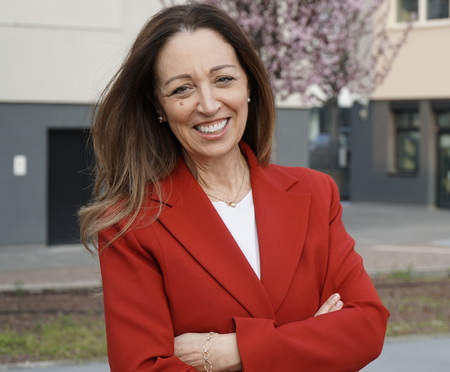
Rettrice

Array ( [body] => Array ( [#theme] => field [#weight] => 0 [#title] => Body [#access] => 1 [#label_display] => hidden [#view_mode] => teaser [#language] => und [#field_name] => body [#field_type] => text_with_summary [#field_translatable] => 0 [#entity_type] => node [#bundle] => hp_rettore [#object] => stdClass Object ( [vid] => 367512 [uid] => 4 [title] => Rettrice [log] => [status] => 1 [comment] => 0 [promote] => 1 [sticky] => 1 [nid] => 81565 [type] => hp_rettore [language] => it [created] => 1632723814 [changed] => 1770988386 [tnid] => 0 [translate] => 0 [revision_timestamp] => 1770988386 [revision_uid] => 2032 [body] => Array ( [und] => Array ( [0] => Array ( [value] =>

English version

Nata a Lecco il 2 aprile 1965. Laureata in Psicologia sperimentale a Padova nel 1991, ha conseguito il dottorato di ricerca in Psicologia sperimentale nel 1996 presso l’Università di Trieste. Dal 1993 al 1995 ha trascorso due anni presso il Cognitive Neuroscience Lab, Department of Psychology (Carnegie Mellon University, PA). Dal 1997 al 2003 ricopre posizioni di post-doc al Dipartimento di Psicologia generale e di assegnista presso il Dipartimento di Medicina dell’Università di Padova. Nel 2003 diventa ricercatrice universitaria, nel 2010 professoressa di II fascia e dal 2016 professoressa di I fascia presso l’Università di Padova, dove insegna Neuropsicologia e Riabilitazione neuropsicologica.

Ha pubblicato un centinaio di articoli scientifici nell’ambito delle neuroscienze cognitive su riviste internazionali con più di 3881 citazioni e un H-index di 30 (Google Scholar). È membro della Cognitive Neuroscience Society, della Herbert Simon Society, dell’Associazione Italiana di Psicologia e della Società Italiana di Neuropsicologia.

Ha svolto i seguenti incarichi gestionali nell’Ateneo padovano: prorettrice alla Didattica (2015-2021), presidente del Presidio di Ateneo per la qualità e l’accreditamento della didattica (dal 2015-2021);  presidente del corso di laurea magistrale in Neuroscienze e riabilitazione neuropsicologica (dal 2012-2015); componente della commissione di Ateneo per i master e per le problematiche inerenti la valutazione (dal 2012-2015); componente del Consiglio della Scuola di Psicologia (dal 2012-2015); direttrice del master in Neuropsicologia clinica (dal 2010-2021).


[summary] => Rettrice Daniela Mapelli [format] => 2 [safe_value] =>

English version

Nata a Lecco il 2 aprile 1965. Laureata in Psicologia sperimentale a Padova nel 1991, ha conseguito il dottorato di ricerca in Psicologia sperimentale nel 1996 presso l’Università di Trieste. Dal 1993 al 1995 ha trascorso due anni presso il Cognitive Neuroscience Lab, Department of Psychology (Carnegie Mellon University, PA). Dal 1997 al 2003 ricopre posizioni di post-doc al Dipartimento di Psicologia generale e di assegnista presso il Dipartimento di Medicina dell’Università di Padova. Nel 2003 diventa ricercatrice universitaria, nel 2010 professoressa di II fascia e dal 2016 professoressa di I fascia presso l’Università di Padova, dove insegna Neuropsicologia e Riabilitazione neuropsicologica.

Ha pubblicato un centinaio di articoli scientifici nell’ambito delle neuroscienze cognitive su riviste internazionali con più di 3881 citazioni e un H-index di 30 (Google Scholar). È membro della Cognitive Neuroscience Society, della Herbert Simon Society, dell’Associazione Italiana di Psicologia e della Società Italiana di Neuropsicologia.

Ha svolto i seguenti incarichi gestionali nell’Ateneo padovano: prorettrice alla Didattica (2015-2021), presidente del Presidio di Ateneo per la qualità e l’accreditamento della didattica (dal 2015-2021);  presidente del corso di laurea magistrale in Neuroscienze e riabilitazione neuropsicologica (dal 2012-2015); componente della commissione di Ateneo per i master e per le problematiche inerenti la valutazione (dal 2012-2015); componente del Consiglio della Scuola di Psicologia (dal 2012-2015); direttrice del master in Neuropsicologia clinica (dal 2010-2021).


[safe_summary] =>

Rettrice Daniela Mapelli

) ) ) [field_descrizione] => Array ( [und] => Array ( [0] => Array ( [value] =>

Daniela Mapelli

Professoressa ordinaria
Dipartimento di Psicologia generale
Segreteria: via 8 Febbraio, 2 - 35122 Padova
Tel. 049.8273001
email: rettore@unipd.it

[format] => 2 [safe_value] =>

Daniela Mapelli

Professoressa ordinaria
Dipartimento di Psicologia generale
Segreteria: via 8 Febbraio, 2 - 35122 Padova
Tel. 049.8273001
email: rettore@unipd.it

) ) ) [field_immagine] => Array ( ) [field_immagine_top] => Array ( [und] => Array ( [0] => Array ( [fid] => 52817 [uid] => 1 [filename] => top.jpg [uri] => public://top.jpg [filemime] => image/jpeg [filesize] => 361552 [status] => 1 [timestamp] => 1664438802 [type] => image [field_file_image_alt_text] => Array ( [und] => Array ( [0] => Array ( [value] => Immagine [format] => [safe_value] => Immagine ) ) ) [field_file_image_title_text] => Array ( ) [field_folder] => Array ( [und] => Array ( [0] => Array ( [tid] => 2048 ) ) ) [metatags] => Array ( [und] => Array ( [title] => Array ( [value] => [current-page:title] | [current-page:pager][site:name] [default] => [current-page:title] | [current-page:pager][site:name] ) [description] => Array ( [value] => ) [abstract] => Array ( [value] => ) [keywords] => Array ( [value] => ) [robots] => Array ( [value] => Array ( [index] => 0 [follow] => 0 [noindex] => 0 [nofollow] => 0 [noarchive] => 0 [nosnippet] => 0 [noodp] => 0 [noydir] => 0 [noimageindex] => 0 [notranslate] => 0 ) ) [news_keywords] => Array ( [value] => ) [standout] => Array ( [value] => ) [rating] => Array ( [value] => ) [referrer] => Array ( [value] => ) [rights] => Array ( [value] => ) [image_src] => Array ( [value] => ) [canonical] => Array ( [value] => [current-page:url:absolute] [default] => [current-page:url:absolute] ) [set_cookie] => Array ( [value] => ) [shortlink] => Array ( [value] => [current-page:url:unaliased] [default] => [current-page:url:unaliased] ) [original-source] => Array ( [value] => ) [prev] => Array ( [value] => ) [next] => Array ( [value] => ) [content-language] => Array ( [value] => ) [geo.position] => Array ( [value] => ) [geo.placename] => Array ( [value] => ) [geo.region] => Array ( [value] => ) [icbm] => Array ( [value] => ) [refresh] => Array ( [value] => ) [revisit-after] => Array ( [value] => [period] => ) [pragma] => Array ( [value] => ) [cache-control] => Array ( [value] => ) [expires] => Array ( [value] => ) [og:type] => Array ( [value] => article [default] => article ) [og:url] => Array ( [value] => [current-page:url:absolute] [default] => [current-page:url:absolute] ) [og:title] => Array ( [value] => [current-page:title] [default] => [current-page:title] ) [og:determiner] => Array ( [value] => ) [og:description] => Array ( [value] => ) [og:updated_time] => Array ( [value] => ) [og:see_also] => Array ( [value] => ) [og:image] => Array ( [value] => ) [og:image:url] => Array ( [value] => ) [og:image:secure_url] => Array ( [value] => ) [og:image:type] => Array ( [value] => ) [og:image:width] => Array ( [value] => ) [og:image:height] => Array ( [value] => ) [og:latitude] => Array ( [value] => ) [og:longitude] => Array ( [value] => ) [og:street_address] => Array ( [value] => ) [og:locality] => Array ( [value] => ) [og:region] => Array ( [value] => ) [og:postal_code] => Array ( [value] => ) [og:country_name] => Array ( [value] => ) [og:email] => Array ( [value] => ) [og:phone_number] => Array ( [value] => ) [og:fax_number] => Array ( [value] => ) [og:locale] => Array ( [value] => ) [og:locale:alternate] => Array ( [value] => ) [article:author] => Array ( [value] => ) [article:publisher] => Array ( [value] => ) [article:section] => Array ( [value] => ) [article:tag] => Array ( [value] => ) [article:published_time] => Array ( [value] => ) [article:modified_time] => Array ( [value] => ) [article:expiration_time] => Array ( [value] => ) [profile:first_name] => Array ( [value] => ) [profile:last_name] => Array ( [value] => ) [profile:username] => Array ( [value] => ) [profile:gender] => Array ( [value] => ) [og:audio] => Array ( [value] => ) [og:audio:secure_url] => Array ( [value] => ) [og:audio:type] => Array ( [value] => ) [book:author] => Array ( [value] => ) [book:isbn] => Array ( [value] => ) [book:release_date] => Array ( [value] => ) [book:tag] => Array ( [value] => ) [og:video:url] => Array ( [value] => ) [og:video:secure_url] => Array ( [value] => ) [og:video:width] => Array ( [value] => ) [og:video:height] => Array ( [value] => ) [og:video:type] => Array ( [value] => ) [video:actor] => Array ( [value] => ) [video:actor:role] => Array ( [value] => ) [video:director] => Array ( [value] => ) [video:writer] => Array ( [value] => ) [video:duration] => Array ( [value] => ) [video:release_date] => Array ( [value] => ) [video:tag] => Array ( [value] => ) [video:series] => Array ( [value] => ) [twitter:card] => Array ( [value] => summary [default] => summary ) [twitter:creator] => Array ( [value] => ) [twitter:creator:id] => Array ( [value] => ) [twitter:url] => Array ( [value] => [current-page:url:absolute] [default] => [current-page:url:absolute] ) [twitter:title] => Array ( [value] => [current-page:title] [default] => [current-page:title] ) [twitter:description] => Array ( [value] => ) [twitter:dnt] => Array ( [value] => ) [twitter:image] => Array ( [value] => ) [twitter:image:width] => Array ( [value] => ) [twitter:image:height] => Array ( [value] => ) [twitter:image:alt] => Array ( [value] => ) [twitter:image0] => Array ( [value] => ) [twitter:image1] => Array ( [value] => ) [twitter:image2] => Array ( [value] => ) [twitter:image3] => Array ( [value] => ) [twitter:player] => Array ( [value] => ) [twitter:player:width] => Array ( [value] => ) [twitter:player:height] => Array ( [value] => ) [twitter:player:stream] => Array ( [value] => ) [twitter:player:stream:content_type] => Array ( [value] => ) [twitter:app:country] => Array ( [value] => ) [twitter:app:name:iphone] => Array ( [value] => ) [twitter:app:id:iphone] => Array ( [value] => ) [twitter:app:url:iphone] => Array ( [value] => ) [twitter:app:name:ipad] => Array ( [value] => ) [twitter:app:id:ipad] => Array ( [value] => ) [twitter:app:url:ipad] => Array ( [value] => ) [twitter:app:name:googleplay] => Array ( [value] => ) [twitter:app:id:googleplay] => Array ( [value] => ) [twitter:app:url:googleplay] => Array ( [value] => ) [twitter:label1] => Array ( [value] => ) [twitter:data1] => Array ( [value] => ) [twitter:label2] => Array ( [value] => ) [twitter:data2] => Array ( [value] => ) ) ) [alt] => Immagine [metadata] => Array ( [height] => 385 [width] => 1209 ) [height] => 385 [width] => 1209 [title] => ) ) ) [field_new_rettore] => Array ( ) [field_rassegna_stampa_rettore] => Array ( ) [name] => simonetta.capparotto [picture] => 0 [data] => a:2:{s:13:"form_build_id";s:37:"form-fe5ebd9e5e240c4294455b6b42fa6a76";s:14:"wysiwyg_status";a:1:{i:1;i:1;}} [num_revisions] => 1 [current_revision_id] => 367512 [is_current] => 1 [is_pending] => [revision_moderation] => [entity_view_prepared] => 1 ) [#items] => Array ( [0] => Array ( [value] =>

English version

Nata a Lecco il 2 aprile 1965. Laureata in Psicologia sperimentale a Padova nel 1991, ha conseguito il dottorato di ricerca in Psicologia sperimentale nel 1996 presso l’Università di Trieste. Dal 1993 al 1995 ha trascorso due anni presso il Cognitive Neuroscience Lab, Department of Psychology (Carnegie Mellon University, PA). Dal 1997 al 2003 ricopre posizioni di post-doc al Dipartimento di Psicologia generale e di assegnista presso il Dipartimento di Medicina dell’Università di Padova. Nel 2003 diventa ricercatrice universitaria, nel 2010 professoressa di II fascia e dal 2016 professoressa di I fascia presso l’Università di Padova, dove insegna Neuropsicologia e Riabilitazione neuropsicologica.

Ha pubblicato un centinaio di articoli scientifici nell’ambito delle neuroscienze cognitive su riviste internazionali con più di 3881 citazioni e un H-index di 30 (Google Scholar). È membro della Cognitive Neuroscience Society, della Herbert Simon Society, dell’Associazione Italiana di Psicologia e della Società Italiana di Neuropsicologia.

Ha svolto i seguenti incarichi gestionali nell’Ateneo padovano: prorettrice alla Didattica (2015-2021), presidente del Presidio di Ateneo per la qualità e l’accreditamento della didattica (dal 2015-2021);  presidente del corso di laurea magistrale in Neuroscienze e riabilitazione neuropsicologica (dal 2012-2015); componente della commissione di Ateneo per i master e per le problematiche inerenti la valutazione (dal 2012-2015); componente del Consiglio della Scuola di Psicologia (dal 2012-2015); direttrice del master in Neuropsicologia clinica (dal 2010-2021).


[summary] => Rettrice Daniela Mapelli [format] => 2 [safe_value] =>

English version

Nata a Lecco il 2 aprile 1965. Laureata in Psicologia sperimentale a Padova nel 1991, ha conseguito il dottorato di ricerca in Psicologia sperimentale nel 1996 presso l’Università di Trieste. Dal 1993 al 1995 ha trascorso due anni presso il Cognitive Neuroscience Lab, Department of Psychology (Carnegie Mellon University, PA). Dal 1997 al 2003 ricopre posizioni di post-doc al Dipartimento di Psicologia generale e di assegnista presso il Dipartimento di Medicina dell’Università di Padova. Nel 2003 diventa ricercatrice universitaria, nel 2010 professoressa di II fascia e dal 2016 professoressa di I fascia presso l’Università di Padova, dove insegna Neuropsicologia e Riabilitazione neuropsicologica.

Ha pubblicato un centinaio di articoli scientifici nell’ambito delle neuroscienze cognitive su riviste internazionali con più di 3881 citazioni e un H-index di 30 (Google Scholar). È membro della Cognitive Neuroscience Society, della Herbert Simon Society, dell’Associazione Italiana di Psicologia e della Società Italiana di Neuropsicologia.

Ha svolto i seguenti incarichi gestionali nell’Ateneo padovano: prorettrice alla Didattica (2015-2021), presidente del Presidio di Ateneo per la qualità e l’accreditamento della didattica (dal 2015-2021);  presidente del corso di laurea magistrale in Neuroscienze e riabilitazione neuropsicologica (dal 2012-2015); componente della commissione di Ateneo per i master e per le problematiche inerenti la valutazione (dal 2012-2015); componente del Consiglio della Scuola di Psicologia (dal 2012-2015); direttrice del master in Neuropsicologia clinica (dal 2010-2021).


[safe_summary] =>

Rettrice Daniela Mapelli

) ) [#formatter] => text_summary_or_trimmed [0] => Array ( [#markup] =>

Rettrice Daniela Mapelli

) ) [links] => Array ( [#theme] => links__node [#pre_render] => Array ( [0] => drupal_pre_render_links ) [#attributes] => Array ( [class] => Array ( [0] => links [1] => inline ) ) [node] => Array ( [#theme] => links__node__node [#links] => Array ( [node-readmore] => Array ( [title] => Read more about Rettrice [href] => node/81565 [html] => 1 [attributes] => Array ( [rel] => tag [title] => Rettrice ) ) ) [#attributes] => Array ( [class] => Array ( [0] => links [1] => inline ) ) ) ) )

Proroga Commissione per sorteggio componenti delle Commissioni Giudicatrici

Array ( [field_titolo_frontend_all] => Array ( [#theme] => field [#weight] => -4 [#title] => Titolo frontend [#access] => 1 [#label_display] => above [#view_mode] => teaser [#language] => und [#field_name] => field_titolo_frontend_all [#field_type] => text_long [#field_translatable] => 0 [#entity_type] => node [#bundle] => allegato [#object] => stdClass Object ( [vid] => 335712 [uid] => 8831 [title] => Proroga Commissione per sorteggio componenti delle Commissioni Giudicatrici [log] => [status] => 1 [comment] => 0 [promote] => 1 [sticky] => 1 [nid] => 71804 [type] => allegato [language] => it [created] => 1602743542 [changed] => 1602743542 [tnid] => 0 [translate] => 0 [revision_timestamp] => 1602743542 [revision_uid] => 8831 [taxonomy_vocabulary_2] => Array ( ) [taxonomy_vocabulary_8] => Array ( ) [body] => Array ( ) [field_titolo_frontend_all] => Array ( [und] => Array ( [0] => Array ( [value] => Proroga Commissione per sorteggio componenti delle Commissioni Giudicatrici [format] => [safe_value] => Proroga Commissione per sorteggio componenti delle Commissioni Giudicatrici ) ) ) [field_allegato_file] => Array ( [und] => Array ( [0] => Array ( [fid] => 86340 [uid] => 8831 [filename] => DR Proroga Commissione sorteggi.pdf [uri] => public://2020/DR Proroga Commissione sorteggi.pdf [filemime] => application/pdf [filesize] => 159703 [status] => 1 [timestamp] => 1602743530 [type] => document [field_folder] => Array ( [und] => Array ( [0] => Array ( [tid] => 2313 ) ) ) [metadata] => Array ( ) [display] => 1 [description] => ) ) ) [name] => carriere.docenti [picture] => 0 [data] => b:0; [num_revisions] => 1 [current_revision_id] => 335712 [is_current] => 1 [is_pending] => [revision_moderation] => [entity_view_prepared] => 1 ) [#items] => Array ( [0] => Array ( [value] => Proroga Commissione per sorteggio componenti delle Commissioni Giudicatrici [format] => [safe_value] => Proroga Commissione per sorteggio componenti delle Commissioni Giudicatrici ) ) [#formatter] => text_default [0] => Array ( [#markup] => Proroga Commissione per sorteggio componenti delle Commissioni Giudicatrici ) ) [field_allegato_file] => Array ( [#theme] => field [#weight] => -3 [#title] => File [#access] => 1 [#label_display] => above [#view_mode] => teaser [#language] => und [#field_name] => field_allegato_file [#field_type] => file [#field_translatable] => 0 [#entity_type] => node [#bundle] => allegato [#object] => stdClass Object ( [vid] => 335712 [uid] => 8831 [title] => Proroga Commissione per sorteggio componenti delle Commissioni Giudicatrici [log] => [status] => 1 [comment] => 0 [promote] => 1 [sticky] => 1 [nid] => 71804 [type] => allegato [language] => it [created] => 1602743542 [changed] => 1602743542 [tnid] => 0 [translate] => 0 [revision_timestamp] => 1602743542 [revision_uid] => 8831 [taxonomy_vocabulary_2] => Array ( ) [taxonomy_vocabulary_8] => Array ( ) [body] => Array ( ) [field_titolo_frontend_all] => Array ( [und] => Array ( [0] => Array ( [value] => Proroga Commissione per sorteggio componenti delle Commissioni Giudicatrici [format] => [safe_value] => Proroga Commissione per sorteggio componenti delle Commissioni Giudicatrici ) ) ) [field_allegato_file] => Array ( [und] => Array ( [0] => Array ( [fid] => 86340 [uid] => 8831 [filename] => DR Proroga Commissione sorteggi.pdf [uri] => public://2020/DR Proroga Commissione sorteggi.pdf [filemime] => application/pdf [filesize] => 159703 [status] => 1 [timestamp] => 1602743530 [type] => document [field_folder] => Array ( [und] => Array ( [0] => Array ( [tid] => 2313 ) ) ) [metadata] => Array ( ) [display] => 1 [description] => ) ) ) [name] => carriere.docenti [picture] => 0 [data] => b:0; [num_revisions] => 1 [current_revision_id] => 335712 [is_current] => 1 [is_pending] => [revision_moderation] => [entity_view_prepared] => 1 ) [#items] => Array ( [0] => Array ( [fid] => 86340 [uid] => 8831 [filename] => DR Proroga Commissione sorteggi.pdf [uri] => public://2020/DR Proroga Commissione sorteggi.pdf [filemime] => application/pdf [filesize] => 159703 [status] => 1 [timestamp] => 1602743530 [type] => document [field_folder] => Array ( [und] => Array ( [0] => Array ( [tid] => 2313 ) ) ) [metadata] => Array ( ) [display] => 1 [description] => ) ) [#formatter] => file_default [0] => Array ( [#theme] => file_link [#file] => stdClass Object ( [fid] => 86340 [uid] => 8831 [filename] => DR Proroga Commissione sorteggi.pdf [uri] => public://2020/DR Proroga Commissione sorteggi.pdf [filemime] => application/pdf [filesize] => 159703 [status] => 1 [timestamp] => 1602743530 [type] => document [field_folder] => Array ( [und] => Array ( [0] => Array ( [tid] => 2313 ) ) ) [metadata] => Array ( ) [display] => 1 [description] => ) ) ) [links] => Array ( [#theme] => links__node [#pre_render] => Array ( [0] => drupal_pre_render_links ) [#attributes] => Array ( [class] => Array ( [0] => links [1] => inline ) ) [node] => Array ( [#theme] => links__node__node [#links] => Array ( [node-readmore] => Array ( [title] => Read more about Proroga Commissione per sorteggio componenti delle Commissioni Giudicatrici [href] => node/71804 [html] => 1 [attributes] => Array ( [rel] => tag [title] => Proroga Commissione per sorteggio componenti delle Commissioni Giudicatrici ) ) ) [#attributes] => Array ( [class] => Array ( [0] => links [1] => inline ) ) ) ) )

帕多瓦大学校长公开信: 团结一心,互相支持,紧密合作,共抗疫情

Array ( [body] => Array ( [#theme] => field [#weight] => 0 [#title] => Body [#access] => 1 [#label_display] => hidden [#view_mode] => teaser [#language] => und [#field_name] => body [#field_type] => text_with_summary [#field_translatable] => 0 [#entity_type] => node [#bundle] => box_lancio_news [#object] => stdClass Object ( [vid] => 326138 [uid] => 5493 [title] => 帕多瓦大学校长公开信: 团结一心,互相支持,紧密合作,共抗疫情 [log] => [status] => 1 [comment] => 0 [promote] => 1 [sticky] => 1 [nid] => 65153 [type] => box_lancio_news [language] => it [created] => 1582813276 [changed] => 1592311770 [tnid] => 0 [translate] => 0 [revision_timestamp] => 1592311770 [revision_uid] => 32 [body] => Array ( [und] => Array ( [0] => Array ( [value] =>

近日,新型冠状病毒Covid-19在意大利的蔓延引起了世界的关注。意大利政府迅速采取措施,应对疫情,第一时间对出现可疑症状的群众及其密切接触者进行冠状病毒检测、隔离,并对确认患者进行治疗。 为避免疫情进一步发展,意大利政府和受疫情影响大区立即召开协调工作会议,并发布通知,取消节日庆典、足球联赛等可能出现人群聚集的活动,区域内学校也陆续发布停课通知。 

帕多瓦大学按照意大利政府指示,暂停2月24日至3月1日所有教学活动、考试、毕业答辩,当天立即通过邮件、官网、社交平台等渠道告知大学师生。

2月初,我校病毒学领域研究人员宣布已研发出唾液采样检测法,在3小时内可检测是否感染新冠病毒。帕多瓦大学也成为威尼托大区新冠病毒的检测中心,该检测的也被认为是最可靠的检测方法之一。我校给从受疫情影响地区返回帕多瓦的老师、职工及学生提供免费病毒检测,并开通新型冠状病毒感染肺炎咨询热线,为疫情的防控工作提供重要支持与帮助。

我校校长Rosario Rizzuto 教授对疫情的发展及防疫工作十分关注,积极配合意大利政府及威尼托大区相关部门的开展相关工作。Rizzuto教授一直关注着中国疫情的发展,同时也对中国伙伴、同事、学生十分挂心。

Dear Chinese Students,

the Coronavirus infection, which has hit your country hard - causing the implementation of drastic measures to prevent a pandemic spread, has now reached also Italy, and the province of Padua, causing growing concerns.

Restrictions have been applied in our Region, and within the University - such as the decision to block allactivities that gather large numbers of people and thus could potentially favour the diffusion of the virus. In particular, the calendar of the University lessons and exams has been postponed of one week, in agreement with the national and regional health authorities.

In these days, I wish to reaffirm that you can count on the strong support of our University during you in your stay in Padova.  As you know, we have implemented a number of measures to guarantee maximal safety to all our students, and a dedicated phone line of theUniversity Infectious Disease Department for the University personnel and students (providing information, support, and if necessary medical assistance).Trained and qualified staff answers also in English language, and I encourage you to utilize it.

Moreover, we are close to the Chinese people who are suffering the heaviest burden of the disease.

As to our Chinese students, we are grateful and proud of their choice of studying in our University, and we will not only support them in case of health needs but also defend them from anyprejudice or, worse, hostility they may encounter.

Solidarity and friendship are cardinal virtues, as is openness - a founding value of our University (UniversaUniversis Patavina Libertas).

You are the most welcome in the University of Padova and in the City.

Sincerely,

 【译文】

亲爱的中国同学们:

新型冠状病毒疫情给你们的祖国带来了沉重的打击。中国已采取严厉的措施,防止病毒蔓延。目前,这种病毒已传到意大利和帕多瓦省,人们更为焦虑。

为抗击疫情,威尼托大区和我校已实施限制性措施:暂停所有可能造成大量人口聚集的活动,从而降低病毒传播的可能性。我校按照意大利政府和当地卫生当局的要求,将大学教学活动及考试推迟一周。

我希望重申:这几天,我校会为在帕多瓦的你们提供最坚实的支持。正如大家所知,我们已采取大量措施以确保我校所有师生的最大安全;我们为师生提供了大学传染病系的专用热线电话以提供相关信息、支持及必要的医疗协助。受过训练的、有相关资质的专业人士会用英语给大家提供帮助。在此,我鼓励大家去使用该服务。

此外,我们对那些遭受严重疫情的中国人民表示慰问。

对于我们的中国学生,我们为你们选择帕多瓦大学感到欣慰和自豪。我们不仅会为你们提供卫生健康方面的支持,还会在你们遇到任何可能的偏见、敌意时,捍卫你们的权益。

 团结和友谊是重要的美德,开放包容也是。正如我们的大学创立时的初衷:“Universa Universis Patavina Libertas” ,即“为帕多瓦、宇宙以及全人类的自由而奋斗!”

 帕多瓦大学对各位表示最诚挚的欢迎。

祝好!                                             

Rizzuto校长的公开信表明了帕多瓦大学的立场,这也是我校国际关系副校长Paccagnella教授、各部门、各院系老师、职工及当地学生的所感所想团结一心,互相支持,紧密合作,共抗疫情。

中国加油!意大利加油!世界加油!


[summary] => [format] => 2 [safe_value] =>

近日,新型冠状病毒Covid-19在意大利的蔓延引起了世界的关注。意大利政府迅速采取措施,应对疫情,第一时间对出现可疑症状的群众及其密切接触者进行冠状病毒检测、隔离,并对确认患者进行治疗。 为避免疫情进一步发展,意大利政府和受疫情影响大区立即召开协调工作会议,并发布通知,取消节日庆典、足球联赛等可能出现人群聚集的活动,区域内学校也陆续发布停课通知。 

帕多瓦大学按照意大利政府指示,暂停2月24日至3月1日所有教学活动、考试、毕业答辩,当天立即通过邮件、官网、社交平台等渠道告知大学师生。

2月初,我校病毒学领域研究人员宣布已研发出唾液采样检测法,在3小时内可检测是否感染新冠病毒。帕多瓦大学也成为威尼托大区新冠病毒的检测中心,该检测的也被认为是最可靠的检测方法之一。我校给从受疫情影响地区返回帕多瓦的老师、职工及学生提供免费病毒检测,并开通新型冠状病毒感染肺炎咨询热线,为疫情的防控工作提供重要支持与帮助。

我校校长Rosario Rizzuto 教授对疫情的发展及防疫工作十分关注,积极配合意大利政府及威尼托大区相关部门的开展相关工作。Rizzuto教授一直关注着中国疫情的发展,同时也对中国伙伴、同事、学生十分挂心。

Dear Chinese Students,

the Coronavirus infection, which has hit your country hard - causing the implementation of drastic measures to prevent a pandemic spread, has now reached also Italy, and the province of Padua, causing growing concerns.

Restrictions have been applied in our Region, and within the University - such as the decision to block allactivities that gather large numbers of people and thus could potentially favour the diffusion of the virus. In particular, the calendar of the University lessons and exams has been postponed of one week, in agreement with the national and regional health authorities.

In these days, I wish to reaffirm that you can count on the strong support of our University during you in your stay in Padova.  As you know, we have implemented a number of measures to guarantee maximal safety to all our students, and a dedicated phone line of theUniversity Infectious Disease Department for the University personnel and students (providing information, support, and if necessary medical assistance).Trained and qualified staff answers also in English language, and I encourage you to utilize it.

Moreover, we are close to the Chinese people who are suffering the heaviest burden of the disease.

As to our Chinese students, we are grateful and proud of their choice of studying in our University, and we will not only support them in case of health needs but also defend them from anyprejudice or, worse, hostility they may encounter.

Solidarity and friendship are cardinal virtues, as is openness - a founding value of our University (UniversaUniversis Patavina Libertas).

You are the most welcome in the University of Padova and in the City.

Sincerely,

 【译文】

亲爱的中国同学们:

新型冠状病毒疫情给你们的祖国带来了沉重的打击。中国已采取严厉的措施,防止病毒蔓延。目前,这种病毒已传到意大利和帕多瓦省,人们更为焦虑。

为抗击疫情,威尼托大区和我校已实施限制性措施:暂停所有可能造成大量人口聚集的活动,从而降低病毒传播的可能性。我校按照意大利政府和当地卫生当局的要求,将大学教学活动及考试推迟一周。

我希望重申:这几天,我校会为在帕多瓦的你们提供最坚实的支持。正如大家所知,我们已采取大量措施以确保我校所有师生的最大安全;我们为师生提供了大学传染病系的专用热线电话以提供相关信息、支持及必要的医疗协助。受过训练的、有相关资质的专业人士会用英语给大家提供帮助。在此,我鼓励大家去使用该服务。

此外,我们对那些遭受严重疫情的中国人民表示慰问。

对于我们的中国学生,我们为你们选择帕多瓦大学感到欣慰和自豪。我们不仅会为你们提供卫生健康方面的支持,还会在你们遇到任何可能的偏见、敌意时,捍卫你们的权益。

 团结和友谊是重要的美德,开放包容也是。正如我们的大学创立时的初衷:“Universa Universis Patavina Libertas” ,即“为帕多瓦、宇宙以及全人类的自由而奋斗!”

 帕多瓦大学对各位表示最诚挚的欢迎。

祝好!                                             

Rizzuto校长的公开信表明了帕多瓦大学的立场,这也是我校国际关系副校长Paccagnella教授、各部门、各院系老师、职工及当地学生的所感所想团结一心,互相支持,紧密合作,共抗疫情。

中国加油!意大利加油!世界加油!


[safe_summary] => ) ) ) [field_date_box_lancio_news] => Array ( [und] => Array ( [0] => Array ( [value] => 2021-02-26T00:00:00 [timezone] => Europe/Paris [timezone_db] => Europe/Paris [date_type] => date ) ) ) [field_etichetta_box_lancio_news] => Array ( ) [field_img_box_lancio_news] => Array ( [und] => Array ( [0] => Array ( [fid] => 65743 [uid] => 1 [filename] => Panoramica_cortile1.jpg [uri] => public://Panoramica_cortile1.jpg [filemime] => image/jpeg [filesize] => 62562 [status] => 1 [timestamp] => 1537354950 [type] => image [field_file_image_alt_text] => Array ( ) [field_file_image_title_text] => Array ( ) [field_folder] => Array ( [und] => Array ( [0] => Array ( [tid] => 2048 ) ) ) [metadata] => Array ( [height] => 410 [width] => 728 ) [height] => 410 [width] => 728 [is_default] => 1 [alt] => [title] => ) ) ) [field_link_alla_news] => Array ( ) [field_link_esterno_news] => Array ( ) [field_pagina_associata] => Array ( ) [field_link_etichetta] => Array ( ) [field_abstract_news] => Array ( ) [field_allegato_news] => Array ( ) [field_categorie_news] => Array ( [und] => Array ( [0] => Array ( [tid] => 2307 ) ) ) [field_pub_date] => Array ( [und] => Array ( [0] => Array ( [value] => 2020-02-27T00:00:00 [value2] => 2020-03-27T00:00:00 [timezone] => Europe/Paris [timezone_db] => Europe/Paris [date_type] => date ) ) ) [field_layout_news] => Array ( [und] => Array ( [0] => Array ( [value] => single ) ) ) [field_testo_opzionale_news] => Array ( ) [field_url_en_page] => Array ( ) [field_url_en_page_label] => Array ( ) [path] => Array ( [pathauto] => 1 ) [name] => chinaoffice [picture] => 0 [data] => b:0; [num_revisions] => 9 [current_revision_id] => 326138 [is_current] => 1 [is_pending] => [revision_moderation] => [entity_view_prepared] => 1 ) [#items] => Array ( [0] => Array ( [value] =>

近日,新型冠状病毒Covid-19在意大利的蔓延引起了世界的关注。意大利政府迅速采取措施,应对疫情,第一时间对出现可疑症状的群众及其密切接触者进行冠状病毒检测、隔离,并对确认患者进行治疗。 为避免疫情进一步发展,意大利政府和受疫情影响大区立即召开协调工作会议,并发布通知,取消节日庆典、足球联赛等可能出现人群聚集的活动,区域内学校也陆续发布停课通知。 

帕多瓦大学按照意大利政府指示,暂停2月24日至3月1日所有教学活动、考试、毕业答辩,当天立即通过邮件、官网、社交平台等渠道告知大学师生。

2月初,我校病毒学领域研究人员宣布已研发出唾液采样检测法,在3小时内可检测是否感染新冠病毒。帕多瓦大学也成为威尼托大区新冠病毒的检测中心,该检测的也被认为是最可靠的检测方法之一。我校给从受疫情影响地区返回帕多瓦的老师、职工及学生提供免费病毒检测,并开通新型冠状病毒感染肺炎咨询热线,为疫情的防控工作提供重要支持与帮助。

我校校长Rosario Rizzuto 教授对疫情的发展及防疫工作十分关注,积极配合意大利政府及威尼托大区相关部门的开展相关工作。Rizzuto教授一直关注着中国疫情的发展,同时也对中国伙伴、同事、学生十分挂心。

Dear Chinese Students,

the Coronavirus infection, which has hit your country hard - causing the implementation of drastic measures to prevent a pandemic spread, has now reached also Italy, and the province of Padua, causing growing concerns.

Restrictions have been applied in our Region, and within the University - such as the decision to block allactivities that gather large numbers of people and thus could potentially favour the diffusion of the virus. In particular, the calendar of the University lessons and exams has been postponed of one week, in agreement with the national and regional health authorities.

In these days, I wish to reaffirm that you can count on the strong support of our University during you in your stay in Padova.  As you know, we have implemented a number of measures to guarantee maximal safety to all our students, and a dedicated phone line of theUniversity Infectious Disease Department for the University personnel and students (providing information, support, and if necessary medical assistance).Trained and qualified staff answers also in English language, and I encourage you to utilize it.

Moreover, we are close to the Chinese people who are suffering the heaviest burden of the disease.

As to our Chinese students, we are grateful and proud of their choice of studying in our University, and we will not only support them in case of health needs but also defend them from anyprejudice or, worse, hostility they may encounter.

Solidarity and friendship are cardinal virtues, as is openness - a founding value of our University (UniversaUniversis Patavina Libertas).

You are the most welcome in the University of Padova and in the City.

Sincerely,

 【译文】

亲爱的中国同学们:

新型冠状病毒疫情给你们的祖国带来了沉重的打击。中国已采取严厉的措施,防止病毒蔓延。目前,这种病毒已传到意大利和帕多瓦省,人们更为焦虑。

为抗击疫情,威尼托大区和我校已实施限制性措施:暂停所有可能造成大量人口聚集的活动,从而降低病毒传播的可能性。我校按照意大利政府和当地卫生当局的要求,将大学教学活动及考试推迟一周。

我希望重申:这几天,我校会为在帕多瓦的你们提供最坚实的支持。正如大家所知,我们已采取大量措施以确保我校所有师生的最大安全;我们为师生提供了大学传染病系的专用热线电话以提供相关信息、支持及必要的医疗协助。受过训练的、有相关资质的专业人士会用英语给大家提供帮助。在此,我鼓励大家去使用该服务。

此外,我们对那些遭受严重疫情的中国人民表示慰问。

对于我们的中国学生,我们为你们选择帕多瓦大学感到欣慰和自豪。我们不仅会为你们提供卫生健康方面的支持,还会在你们遇到任何可能的偏见、敌意时,捍卫你们的权益。

 团结和友谊是重要的美德,开放包容也是。正如我们的大学创立时的初衷:“Universa Universis Patavina Libertas” ,即“为帕多瓦、宇宙以及全人类的自由而奋斗!”

 帕多瓦大学对各位表示最诚挚的欢迎。

祝好!                                             

Rizzuto校长的公开信表明了帕多瓦大学的立场,这也是我校国际关系副校长Paccagnella教授、各部门、各院系老师、职工及当地学生的所感所想团结一心,互相支持,紧密合作,共抗疫情。

中国加油!意大利加油!世界加油!


[summary] => [format] => 2 [safe_value] =>

近日,新型冠状病毒Covid-19在意大利的蔓延引起了世界的关注。意大利政府迅速采取措施,应对疫情,第一时间对出现可疑症状的群众及其密切接触者进行冠状病毒检测、隔离,并对确认患者进行治疗。 为避免疫情进一步发展,意大利政府和受疫情影响大区立即召开协调工作会议,并发布通知,取消节日庆典、足球联赛等可能出现人群聚集的活动,区域内学校也陆续发布停课通知。 

帕多瓦大学按照意大利政府指示,暂停2月24日至3月1日所有教学活动、考试、毕业答辩,当天立即通过邮件、官网、社交平台等渠道告知大学师生。

2月初,我校病毒学领域研究人员宣布已研发出唾液采样检测法,在3小时内可检测是否感染新冠病毒。帕多瓦大学也成为威尼托大区新冠病毒的检测中心,该检测的也被认为是最可靠的检测方法之一。我校给从受疫情影响地区返回帕多瓦的老师、职工及学生提供免费病毒检测,并开通新型冠状病毒感染肺炎咨询热线,为疫情的防控工作提供重要支持与帮助。

我校校长Rosario Rizzuto 教授对疫情的发展及防疫工作十分关注,积极配合意大利政府及威尼托大区相关部门的开展相关工作。Rizzuto教授一直关注着中国疫情的发展,同时也对中国伙伴、同事、学生十分挂心。

Dear Chinese Students,

the Coronavirus infection, which has hit your country hard - causing the implementation of drastic measures to prevent a pandemic spread, has now reached also Italy, and the province of Padua, causing growing concerns.

Restrictions have been applied in our Region, and within the University - such as the decision to block allactivities that gather large numbers of people and thus could potentially favour the diffusion of the virus. In particular, the calendar of the University lessons and exams has been postponed of one week, in agreement with the national and regional health authorities.

In these days, I wish to reaffirm that you can count on the strong support of our University during you in your stay in Padova.  As you know, we have implemented a number of measures to guarantee maximal safety to all our students, and a dedicated phone line of theUniversity Infectious Disease Department for the University personnel and students (providing information, support, and if necessary medical assistance).Trained and qualified staff answers also in English language, and I encourage you to utilize it.

Moreover, we are close to the Chinese people who are suffering the heaviest burden of the disease.

As to our Chinese students, we are grateful and proud of their choice of studying in our University, and we will not only support them in case of health needs but also defend them from anyprejudice or, worse, hostility they may encounter.

Solidarity and friendship are cardinal virtues, as is openness - a founding value of our University (UniversaUniversis Patavina Libertas).

You are the most welcome in the University of Padova and in the City.

Sincerely,

 【译文】

亲爱的中国同学们:

新型冠状病毒疫情给你们的祖国带来了沉重的打击。中国已采取严厉的措施,防止病毒蔓延。目前,这种病毒已传到意大利和帕多瓦省,人们更为焦虑。

为抗击疫情,威尼托大区和我校已实施限制性措施:暂停所有可能造成大量人口聚集的活动,从而降低病毒传播的可能性。我校按照意大利政府和当地卫生当局的要求,将大学教学活动及考试推迟一周。

我希望重申:这几天,我校会为在帕多瓦的你们提供最坚实的支持。正如大家所知,我们已采取大量措施以确保我校所有师生的最大安全;我们为师生提供了大学传染病系的专用热线电话以提供相关信息、支持及必要的医疗协助。受过训练的、有相关资质的专业人士会用英语给大家提供帮助。在此,我鼓励大家去使用该服务。

此外,我们对那些遭受严重疫情的中国人民表示慰问。

对于我们的中国学生,我们为你们选择帕多瓦大学感到欣慰和自豪。我们不仅会为你们提供卫生健康方面的支持,还会在你们遇到任何可能的偏见、敌意时,捍卫你们的权益。

 团结和友谊是重要的美德,开放包容也是。正如我们的大学创立时的初衷:“Universa Universis Patavina Libertas” ,即“为帕多瓦、宇宙以及全人类的自由而奋斗!”

 帕多瓦大学对各位表示最诚挚的欢迎。

祝好!                                             

Rizzuto校长的公开信表明了帕多瓦大学的立场,这也是我校国际关系副校长Paccagnella教授、各部门、各院系老师、职工及当地学生的所感所想团结一心,互相支持,紧密合作,共抗疫情。

中国加油!意大利加油!世界加油!


[safe_summary] => ) ) [#formatter] => text_summary_or_trimmed [0] => Array ( [#markup] =>

近日,新型冠状病毒Covid-19在意大利的蔓延引起了世界的关注。意大利政府迅速采取措施,应对疫情,第一时间对出现可疑症状的群众及其密切接触者进行冠状病毒检测、隔离,并对确认患者进行治疗。 为避免疫情进一步发展,意大利政府和受疫情影响大区立即召开协调工作会议,并发布通知,取消节日庆典、足球联赛等可能出现人群聚集的活动,区域内学校也陆续发布停课通知。 

帕多瓦大学按照意大利政府指示,暂停2月24日至3月1日所有教学活动、考试、毕业答辩,当天立即通过邮件、官网、社交平台等渠道告知大学师生。

) ) [field_img_box_lancio_news] => Array ( [#theme] => field [#weight] => 0 [#title] => Immagine [#access] => 1 [#label_display] => above [#view_mode] => teaser [#language] => und [#field_name] => field_img_box_lancio_news [#field_type] => image [#field_translatable] => 0 [#entity_type] => node [#bundle] => box_lancio_news [#object] => stdClass Object ( [vid] => 326138 [uid] => 5493 [title] => 帕多瓦大学校长公开信: 团结一心,互相支持,紧密合作,共抗疫情 [log] => [status] => 1 [comment] => 0 [promote] => 1 [sticky] => 1 [nid] => 65153 [type] => box_lancio_news [language] => it [created] => 1582813276 [changed] => 1592311770 [tnid] => 0 [translate] => 0 [revision_timestamp] => 1592311770 [revision_uid] => 32 [body] => Array ( [und] => Array ( [0] => Array ( [value] =>

近日,新型冠状病毒Covid-19在意大利的蔓延引起了世界的关注。意大利政府迅速采取措施,应对疫情,第一时间对出现可疑症状的群众及其密切接触者进行冠状病毒检测、隔离,并对确认患者进行治疗。 为避免疫情进一步发展,意大利政府和受疫情影响大区立即召开协调工作会议,并发布通知,取消节日庆典、足球联赛等可能出现人群聚集的活动,区域内学校也陆续发布停课通知。 

帕多瓦大学按照意大利政府指示,暂停2月24日至3月1日所有教学活动、考试、毕业答辩,当天立即通过邮件、官网、社交平台等渠道告知大学师生。

2月初,我校病毒学领域研究人员宣布已研发出唾液采样检测法,在3小时内可检测是否感染新冠病毒。帕多瓦大学也成为威尼托大区新冠病毒的检测中心,该检测的也被认为是最可靠的检测方法之一。我校给从受疫情影响地区返回帕多瓦的老师、职工及学生提供免费病毒检测,并开通新型冠状病毒感染肺炎咨询热线,为疫情的防控工作提供重要支持与帮助。

我校校长Rosario Rizzuto 教授对疫情的发展及防疫工作十分关注,积极配合意大利政府及威尼托大区相关部门的开展相关工作。Rizzuto教授一直关注着中国疫情的发展,同时也对中国伙伴、同事、学生十分挂心。

Dear Chinese Students,

the Coronavirus infection, which has hit your country hard - causing the implementation of drastic measures to prevent a pandemic spread, has now reached also Italy, and the province of Padua, causing growing concerns.

Restrictions have been applied in our Region, and within the University - such as the decision to block allactivities that gather large numbers of people and thus could potentially favour the diffusion of the virus. In particular, the calendar of the University lessons and exams has been postponed of one week, in agreement with the national and regional health authorities.

In these days, I wish to reaffirm that you can count on the strong support of our University during you in your stay in Padova.  As you know, we have implemented a number of measures to guarantee maximal safety to all our students, and a dedicated phone line of theUniversity Infectious Disease Department for the University personnel and students (providing information, support, and if necessary medical assistance).Trained and qualified staff answers also in English language, and I encourage you to utilize it.

Moreover, we are close to the Chinese people who are suffering the heaviest burden of the disease.

As to our Chinese students, we are grateful and proud of their choice of studying in our University, and we will not only support them in case of health needs but also defend them from anyprejudice or, worse, hostility they may encounter.

Solidarity and friendship are cardinal virtues, as is openness - a founding value of our University (UniversaUniversis Patavina Libertas).

You are the most welcome in the University of Padova and in the City.

Sincerely,

 【译文】

亲爱的中国同学们:

新型冠状病毒疫情给你们的祖国带来了沉重的打击。中国已采取严厉的措施,防止病毒蔓延。目前,这种病毒已传到意大利和帕多瓦省,人们更为焦虑。

为抗击疫情,威尼托大区和我校已实施限制性措施:暂停所有可能造成大量人口聚集的活动,从而降低病毒传播的可能性。我校按照意大利政府和当地卫生当局的要求,将大学教学活动及考试推迟一周。

我希望重申:这几天,我校会为在帕多瓦的你们提供最坚实的支持。正如大家所知,我们已采取大量措施以确保我校所有师生的最大安全;我们为师生提供了大学传染病系的专用热线电话以提供相关信息、支持及必要的医疗协助。受过训练的、有相关资质的专业人士会用英语给大家提供帮助。在此,我鼓励大家去使用该服务。

此外,我们对那些遭受严重疫情的中国人民表示慰问。

对于我们的中国学生,我们为你们选择帕多瓦大学感到欣慰和自豪。我们不仅会为你们提供卫生健康方面的支持,还会在你们遇到任何可能的偏见、敌意时,捍卫你们的权益。

 团结和友谊是重要的美德,开放包容也是。正如我们的大学创立时的初衷:“Universa Universis Patavina Libertas” ,即“为帕多瓦、宇宙以及全人类的自由而奋斗!”

 帕多瓦大学对各位表示最诚挚的欢迎。

祝好!                                             

Rizzuto校长的公开信表明了帕多瓦大学的立场,这也是我校国际关系副校长Paccagnella教授、各部门、各院系老师、职工及当地学生的所感所想团结一心,互相支持,紧密合作,共抗疫情。

中国加油!意大利加油!世界加油!


[summary] => [format] => 2 [safe_value] =>

近日,新型冠状病毒Covid-19在意大利的蔓延引起了世界的关注。意大利政府迅速采取措施,应对疫情,第一时间对出现可疑症状的群众及其密切接触者进行冠状病毒检测、隔离,并对确认患者进行治疗。 为避免疫情进一步发展,意大利政府和受疫情影响大区立即召开协调工作会议,并发布通知,取消节日庆典、足球联赛等可能出现人群聚集的活动,区域内学校也陆续发布停课通知。 

帕多瓦大学按照意大利政府指示,暂停2月24日至3月1日所有教学活动、考试、毕业答辩,当天立即通过邮件、官网、社交平台等渠道告知大学师生。

2月初,我校病毒学领域研究人员宣布已研发出唾液采样检测法,在3小时内可检测是否感染新冠病毒。帕多瓦大学也成为威尼托大区新冠病毒的检测中心,该检测的也被认为是最可靠的检测方法之一。我校给从受疫情影响地区返回帕多瓦的老师、职工及学生提供免费病毒检测,并开通新型冠状病毒感染肺炎咨询热线,为疫情的防控工作提供重要支持与帮助。

我校校长Rosario Rizzuto 教授对疫情的发展及防疫工作十分关注,积极配合意大利政府及威尼托大区相关部门的开展相关工作。Rizzuto教授一直关注着中国疫情的发展,同时也对中国伙伴、同事、学生十分挂心。

Dear Chinese Students,

the Coronavirus infection, which has hit your country hard - causing the implementation of drastic measures to prevent a pandemic spread, has now reached also Italy, and the province of Padua, causing growing concerns.

Restrictions have been applied in our Region, and within the University - such as the decision to block allactivities that gather large numbers of people and thus could potentially favour the diffusion of the virus. In particular, the calendar of the University lessons and exams has been postponed of one week, in agreement with the national and regional health authorities.

In these days, I wish to reaffirm that you can count on the strong support of our University during you in your stay in Padova.  As you know, we have implemented a number of measures to guarantee maximal safety to all our students, and a dedicated phone line of theUniversity Infectious Disease Department for the University personnel and students (providing information, support, and if necessary medical assistance).Trained and qualified staff answers also in English language, and I encourage you to utilize it.

Moreover, we are close to the Chinese people who are suffering the heaviest burden of the disease.

As to our Chinese students, we are grateful and proud of their choice of studying in our University, and we will not only support them in case of health needs but also defend them from anyprejudice or, worse, hostility they may encounter.

Solidarity and friendship are cardinal virtues, as is openness - a founding value of our University (UniversaUniversis Patavina Libertas).

You are the most welcome in the University of Padova and in the City.

Sincerely,

 【译文】

亲爱的中国同学们:

新型冠状病毒疫情给你们的祖国带来了沉重的打击。中国已采取严厉的措施,防止病毒蔓延。目前,这种病毒已传到意大利和帕多瓦省,人们更为焦虑。

为抗击疫情,威尼托大区和我校已实施限制性措施:暂停所有可能造成大量人口聚集的活动,从而降低病毒传播的可能性。我校按照意大利政府和当地卫生当局的要求,将大学教学活动及考试推迟一周。

我希望重申:这几天,我校会为在帕多瓦的你们提供最坚实的支持。正如大家所知,我们已采取大量措施以确保我校所有师生的最大安全;我们为师生提供了大学传染病系的专用热线电话以提供相关信息、支持及必要的医疗协助。受过训练的、有相关资质的专业人士会用英语给大家提供帮助。在此,我鼓励大家去使用该服务。

此外,我们对那些遭受严重疫情的中国人民表示慰问。

对于我们的中国学生,我们为你们选择帕多瓦大学感到欣慰和自豪。我们不仅会为你们提供卫生健康方面的支持,还会在你们遇到任何可能的偏见、敌意时,捍卫你们的权益。

 团结和友谊是重要的美德,开放包容也是。正如我们的大学创立时的初衷:“Universa Universis Patavina Libertas” ,即“为帕多瓦、宇宙以及全人类的自由而奋斗!”

 帕多瓦大学对各位表示最诚挚的欢迎。

祝好!                                             

Rizzuto校长的公开信表明了帕多瓦大学的立场,这也是我校国际关系副校长Paccagnella教授、各部门、各院系老师、职工及当地学生的所感所想团结一心,互相支持,紧密合作,共抗疫情。

中国加油!意大利加油!世界加油!


[safe_summary] => ) ) ) [field_date_box_lancio_news] => Array ( [und] => Array ( [0] => Array ( [value] => 2021-02-26T00:00:00 [timezone] => Europe/Paris [timezone_db] => Europe/Paris [date_type] => date ) ) ) [field_etichetta_box_lancio_news] => Array ( ) [field_img_box_lancio_news] => Array ( [und] => Array ( [0] => Array ( [fid] => 65743 [uid] => 1 [filename] => Panoramica_cortile1.jpg [uri] => public://Panoramica_cortile1.jpg [filemime] => image/jpeg [filesize] => 62562 [status] => 1 [timestamp] => 1537354950 [type] => image [field_file_image_alt_text] => Array ( ) [field_file_image_title_text] => Array ( ) [field_folder] => Array ( [und] => Array ( [0] => Array ( [tid] => 2048 ) ) ) [metadata] => Array ( [height] => 410 [width] => 728 ) [height] => 410 [width] => 728 [is_default] => 1 [alt] => [title] => ) ) ) [field_link_alla_news] => Array ( ) [field_link_esterno_news] => Array ( ) [field_pagina_associata] => Array ( ) [field_link_etichetta] => Array ( ) [field_abstract_news] => Array ( ) [field_allegato_news] => Array ( ) [field_categorie_news] => Array ( [und] => Array ( [0] => Array ( [tid] => 2307 ) ) ) [field_pub_date] => Array ( [und] => Array ( [0] => Array ( [value] => 2020-02-27T00:00:00 [value2] => 2020-03-27T00:00:00 [timezone] => Europe/Paris [timezone_db] => Europe/Paris [date_type] => date ) ) ) [field_layout_news] => Array ( [und] => Array ( [0] => Array ( [value] => single ) ) ) [field_testo_opzionale_news] => Array ( ) [field_url_en_page] => Array ( ) [field_url_en_page_label] => Array ( ) [path] => Array ( [pathauto] => 1 ) [name] => chinaoffice [picture] => 0 [data] => b:0; [num_revisions] => 9 [current_revision_id] => 326138 [is_current] => 1 [is_pending] => [revision_moderation] => [entity_view_prepared] => 1 ) [#items] => Array ( [0] => Array ( [fid] => 65743 [uid] => 1 [filename] => Panoramica_cortile1.jpg [uri] => public://Panoramica_cortile1.jpg [filemime] => image/jpeg [filesize] => 62562 [status] => 1 [timestamp] => 1537354950 [type] => image [field_file_image_alt_text] => Array ( ) [field_file_image_title_text] => Array ( ) [field_folder] => Array ( [und] => Array ( [0] => Array ( [tid] => 2048 ) ) ) [metadata] => Array ( [height] => 410 [width] => 728 ) [height] => 410 [width] => 728 [is_default] => 1 [alt] => [title] => ) ) [#formatter] => image [0] => Array ( [#theme] => image_formatter [#item] => Array ( [fid] => 65743 [uid] => 1 [filename] => Panoramica_cortile1.jpg [uri] => public://Panoramica_cortile1.jpg [filemime] => image/jpeg [filesize] => 62562 [status] => 1 [timestamp] => 1537354950 [type] => image [field_file_image_alt_text] => Array ( ) [field_file_image_title_text] => Array ( ) [field_folder] => Array ( [und] => Array ( [0] => Array ( [tid] => 2048 ) ) ) [metadata] => Array ( [height] => 410 [width] => 728 ) [height] => 410 [width] => 728 [is_default] => 1 [alt] => [title] => ) [#image_style] => [#path] => ) ) [links] => Array ( [#theme] => links__node [#pre_render] => Array ( [0] => drupal_pre_render_links ) [#attributes] => Array ( [class] => Array ( [0] => links [1] => inline ) ) [node] => Array ( [#theme] => links__node__node [#links] => Array ( [node-readmore] => Array ( [title] => Read more about 帕多瓦大学校长公开信: 团结一心,互相支持,紧密合作,共抗疫情 [href] => node/65153 [html] => 1 [attributes] => Array ( [rel] => tag [title] => 帕多瓦大学校长公开信: 团结一心,互相支持,紧密合作,共抗疫情 ) ) ) [#attributes] => Array ( [class] => Array ( [0] => links [1] => inline ) ) ) ) [field_date_box_lancio_news] => Array ( [#theme] => field [#weight] => 1 [#title] => Data [#access] => 1 [#label_display] => above [#view_mode] => teaser [#language] => und [#field_name] => field_date_box_lancio_news [#field_type] => date [#field_translatable] => 0 [#entity_type] => node [#bundle] => box_lancio_news [#object] => stdClass Object ( [vid] => 326138 [uid] => 5493 [title] => 帕多瓦大学校长公开信: 团结一心,互相支持,紧密合作,共抗疫情 [log] => [status] => 1 [comment] => 0 [promote] => 1 [sticky] => 1 [nid] => 65153 [type] => box_lancio_news [language] => it [created] => 1582813276 [changed] => 1592311770 [tnid] => 0 [translate] => 0 [revision_timestamp] => 1592311770 [revision_uid] => 32 [body] => Array ( [und] => Array ( [0] => Array ( [value] =>

近日,新型冠状病毒Covid-19在意大利的蔓延引起了世界的关注。意大利政府迅速采取措施,应对疫情,第一时间对出现可疑症状的群众及其密切接触者进行冠状病毒检测、隔离,并对确认患者进行治疗。 为避免疫情进一步发展,意大利政府和受疫情影响大区立即召开协调工作会议,并发布通知,取消节日庆典、足球联赛等可能出现人群聚集的活动,区域内学校也陆续发布停课通知。 

帕多瓦大学按照意大利政府指示,暂停2月24日至3月1日所有教学活动、考试、毕业答辩,当天立即通过邮件、官网、社交平台等渠道告知大学师生。

2月初,我校病毒学领域研究人员宣布已研发出唾液采样检测法,在3小时内可检测是否感染新冠病毒。帕多瓦大学也成为威尼托大区新冠病毒的检测中心,该检测的也被认为是最可靠的检测方法之一。我校给从受疫情影响地区返回帕多瓦的老师、职工及学生提供免费病毒检测,并开通新型冠状病毒感染肺炎咨询热线,为疫情的防控工作提供重要支持与帮助。

我校校长Rosario Rizzuto 教授对疫情的发展及防疫工作十分关注,积极配合意大利政府及威尼托大区相关部门的开展相关工作。Rizzuto教授一直关注着中国疫情的发展,同时也对中国伙伴、同事、学生十分挂心。

Dear Chinese Students,

the Coronavirus infection, which has hit your country hard - causing the implementation of drastic measures to prevent a pandemic spread, has now reached also Italy, and the province of Padua, causing growing concerns.

Restrictions have been applied in our Region, and within the University - such as the decision to block allactivities that gather large numbers of people and thus could potentially favour the diffusion of the virus. In particular, the calendar of the University lessons and exams has been postponed of one week, in agreement with the national and regional health authorities.

In these days, I wish to reaffirm that you can count on the strong support of our University during you in your stay in Padova.  As you know, we have implemented a number of measures to guarantee maximal safety to all our students, and a dedicated phone line of theUniversity Infectious Disease Department for the University personnel and students (providing information, support, and if necessary medical assistance).Trained and qualified staff answers also in English language, and I encourage you to utilize it.

Moreover, we are close to the Chinese people who are suffering the heaviest burden of the disease.

As to our Chinese students, we are grateful and proud of their choice of studying in our University, and we will not only support them in case of health needs but also defend them from anyprejudice or, worse, hostility they may encounter.

Solidarity and friendship are cardinal virtues, as is openness - a founding value of our University (UniversaUniversis Patavina Libertas).

You are the most welcome in the University of Padova and in the City.

Sincerely,

 【译文】

亲爱的中国同学们:

新型冠状病毒疫情给你们的祖国带来了沉重的打击。中国已采取严厉的措施,防止病毒蔓延。目前,这种病毒已传到意大利和帕多瓦省,人们更为焦虑。

为抗击疫情,威尼托大区和我校已实施限制性措施:暂停所有可能造成大量人口聚集的活动,从而降低病毒传播的可能性。我校按照意大利政府和当地卫生当局的要求,将大学教学活动及考试推迟一周。

我希望重申:这几天,我校会为在帕多瓦的你们提供最坚实的支持。正如大家所知,我们已采取大量措施以确保我校所有师生的最大安全;我们为师生提供了大学传染病系的专用热线电话以提供相关信息、支持及必要的医疗协助。受过训练的、有相关资质的专业人士会用英语给大家提供帮助。在此,我鼓励大家去使用该服务。

此外,我们对那些遭受严重疫情的中国人民表示慰问。

对于我们的中国学生,我们为你们选择帕多瓦大学感到欣慰和自豪。我们不仅会为你们提供卫生健康方面的支持,还会在你们遇到任何可能的偏见、敌意时,捍卫你们的权益。

 团结和友谊是重要的美德,开放包容也是。正如我们的大学创立时的初衷:“Universa Universis Patavina Libertas” ,即“为帕多瓦、宇宙以及全人类的自由而奋斗!”

 帕多瓦大学对各位表示最诚挚的欢迎。

祝好!                                             

Rizzuto校长的公开信表明了帕多瓦大学的立场,这也是我校国际关系副校长Paccagnella教授、各部门、各院系老师、职工及当地学生的所感所想团结一心,互相支持,紧密合作,共抗疫情。

中国加油!意大利加油!世界加油!


[summary] => [format] => 2 [safe_value] =>

近日,新型冠状病毒Covid-19在意大利的蔓延引起了世界的关注。意大利政府迅速采取措施,应对疫情,第一时间对出现可疑症状的群众及其密切接触者进行冠状病毒检测、隔离,并对确认患者进行治疗。 为避免疫情进一步发展,意大利政府和受疫情影响大区立即召开协调工作会议,并发布通知,取消节日庆典、足球联赛等可能出现人群聚集的活动,区域内学校也陆续发布停课通知。 

帕多瓦大学按照意大利政府指示,暂停2月24日至3月1日所有教学活动、考试、毕业答辩,当天立即通过邮件、官网、社交平台等渠道告知大学师生。

2月初,我校病毒学领域研究人员宣布已研发出唾液采样检测法,在3小时内可检测是否感染新冠病毒。帕多瓦大学也成为威尼托大区新冠病毒的检测中心,该检测的也被认为是最可靠的检测方法之一。我校给从受疫情影响地区返回帕多瓦的老师、职工及学生提供免费病毒检测,并开通新型冠状病毒感染肺炎咨询热线,为疫情的防控工作提供重要支持与帮助。

我校校长Rosario Rizzuto 教授对疫情的发展及防疫工作十分关注,积极配合意大利政府及威尼托大区相关部门的开展相关工作。Rizzuto教授一直关注着中国疫情的发展,同时也对中国伙伴、同事、学生十分挂心。

Dear Chinese Students,

the Coronavirus infection, which has hit your country hard - causing the implementation of drastic measures to prevent a pandemic spread, has now reached also Italy, and the province of Padua, causing growing concerns.

Restrictions have been applied in our Region, and within the University - such as the decision to block allactivities that gather large numbers of people and thus could potentially favour the diffusion of the virus. In particular, the calendar of the University lessons and exams has been postponed of one week, in agreement with the national and regional health authorities.

In these days, I wish to reaffirm that you can count on the strong support of our University during you in your stay in Padova.  As you know, we have implemented a number of measures to guarantee maximal safety to all our students, and a dedicated phone line of theUniversity Infectious Disease Department for the University personnel and students (providing information, support, and if necessary medical assistance).Trained and qualified staff answers also in English language, and I encourage you to utilize it.

Moreover, we are close to the Chinese people who are suffering the heaviest burden of the disease.

As to our Chinese students, we are grateful and proud of their choice of studying in our University, and we will not only support them in case of health needs but also defend them from anyprejudice or, worse, hostility they may encounter.

Solidarity and friendship are cardinal virtues, as is openness - a founding value of our University (UniversaUniversis Patavina Libertas).

You are the most welcome in the University of Padova and in the City.

Sincerely,

 【译文】

亲爱的中国同学们:

新型冠状病毒疫情给你们的祖国带来了沉重的打击。中国已采取严厉的措施,防止病毒蔓延。目前,这种病毒已传到意大利和帕多瓦省,人们更为焦虑。

为抗击疫情,威尼托大区和我校已实施限制性措施:暂停所有可能造成大量人口聚集的活动,从而降低病毒传播的可能性。我校按照意大利政府和当地卫生当局的要求,将大学教学活动及考试推迟一周。

我希望重申:这几天,我校会为在帕多瓦的你们提供最坚实的支持。正如大家所知,我们已采取大量措施以确保我校所有师生的最大安全;我们为师生提供了大学传染病系的专用热线电话以提供相关信息、支持及必要的医疗协助。受过训练的、有相关资质的专业人士会用英语给大家提供帮助。在此,我鼓励大家去使用该服务。

此外,我们对那些遭受严重疫情的中国人民表示慰问。

对于我们的中国学生,我们为你们选择帕多瓦大学感到欣慰和自豪。我们不仅会为你们提供卫生健康方面的支持,还会在你们遇到任何可能的偏见、敌意时,捍卫你们的权益。

 团结和友谊是重要的美德,开放包容也是。正如我们的大学创立时的初衷:“Universa Universis Patavina Libertas” ,即“为帕多瓦、宇宙以及全人类的自由而奋斗!”

 帕多瓦大学对各位表示最诚挚的欢迎。

祝好!                                             

Rizzuto校长的公开信表明了帕多瓦大学的立场,这也是我校国际关系副校长Paccagnella教授、各部门、各院系老师、职工及当地学生的所感所想团结一心,互相支持,紧密合作,共抗疫情。

中国加油!意大利加油!世界加油!


[safe_summary] => ) ) ) [field_date_box_lancio_news] => Array ( [und] => Array ( [0] => Array ( [value] => 2021-02-26T00:00:00 [timezone] => Europe/Paris [timezone_db] => Europe/Paris [date_type] => date ) ) ) [field_etichetta_box_lancio_news] => Array ( ) [field_img_box_lancio_news] => Array ( [und] => Array ( [0] => Array ( [fid] => 65743 [uid] => 1 [filename] => Panoramica_cortile1.jpg [uri] => public://Panoramica_cortile1.jpg [filemime] => image/jpeg [filesize] => 62562 [status] => 1 [timestamp] => 1537354950 [type] => image [field_file_image_alt_text] => Array ( ) [field_file_image_title_text] => Array ( ) [field_folder] => Array ( [und] => Array ( [0] => Array ( [tid] => 2048 ) ) ) [metadata] => Array ( [height] => 410 [width] => 728 ) [height] => 410 [width] => 728 [is_default] => 1 [alt] => [title] => ) ) ) [field_link_alla_news] => Array ( ) [field_link_esterno_news] => Array ( ) [field_pagina_associata] => Array ( ) [field_link_etichetta] => Array ( ) [field_abstract_news] => Array ( ) [field_allegato_news] => Array ( ) [field_categorie_news] => Array ( [und] => Array ( [0] => Array ( [tid] => 2307 ) ) ) [field_pub_date] => Array ( [und] => Array ( [0] => Array ( [value] => 2020-02-27T00:00:00 [value2] => 2020-03-27T00:00:00 [timezone] => Europe/Paris [timezone_db] => Europe/Paris [date_type] => date ) ) ) [field_layout_news] => Array ( [und] => Array ( [0] => Array ( [value] => single ) ) ) [field_testo_opzionale_news] => Array ( ) [field_url_en_page] => Array ( ) [field_url_en_page_label] => Array ( ) [path] => Array ( [pathauto] => 1 ) [name] => chinaoffice [picture] => 0 [data] => b:0; [num_revisions] => 9 [current_revision_id] => 326138 [is_current] => 1 [is_pending] => [revision_moderation] => [entity_view_prepared] => 1 ) [#items] => Array ( [0] => Array ( [value] => 2021-02-26T00:00:00 [timezone] => Europe/Paris [timezone_db] => Europe/Paris [date_type] => date ) ) [#formatter] => date_default [0] => Array ( [#markup] => Ven, 26/02/2021 ) ) )

Dottorati 39 ciclo 2023/24 - (parte normativa comune a tutti corsi)

Array ( [field_titolo_frontend_all] => Array ( [#theme] => field [#weight] => -4 [#title] => Titolo frontend [#access] => 1 [#label_display] => above [#view_mode] => teaser [#language] => und [#field_name] => field_titolo_frontend_all [#field_type] => text_long [#field_translatable] => 0 [#entity_type] => node [#bundle] => allegato [#object] => stdClass Object ( [vid] => 290395 [uid] => 4 [title] => Dottorati 39 ciclo 2023/24 - (parte normativa comune a tutti corsi) [log] => [status] => 1 [comment] => 0 [promote] => 1 [sticky] => 1 [nid] => 57615 [type] => allegato [language] => it [created] => 1554473499 [changed] => 1683635753 [tnid] => 0 [translate] => 0 [revision_timestamp] => 1683635753 [revision_uid] => 4 [taxonomy_vocabulary_2] => Array ( ) [taxonomy_vocabulary_8] => Array ( ) [body] => Array ( ) [field_titolo_frontend_all] => Array ( [und] => Array ( [0] => Array ( [value] => Avviso di selezione 2023/2024 (parte normativa comune) [format] => [safe_value] => Avviso di selezione 2023/2024 (parte normativa comune) ) ) ) [field_allegato_file] => Array ( [und] => Array ( [0] => Array ( [fid] => 118604 [uid] => 4 [filename] => NORMATIVA 39.pdf [uri] => public://2023/NORMATIVA 39.pdf [filemime] => application/pdf [filesize] => 214284 [status] => 1 [timestamp] => 1683635750 [type] => document [field_folder] => Array ( [und] => Array ( [0] => Array ( [tid] => 2529 ) ) ) [metadata] => Array ( ) [display] => 1 [description] => ) ) ) [name] => simonetta.capparotto [picture] => 0 [data] => a:2:{s:13:"form_build_id";s:37:"form-fe5ebd9e5e240c4294455b6b42fa6a76";s:14:"wysiwyg_status";a:1:{i:1;i:1;}} [num_revisions] => 5 [current_revision_id] => 290395 [is_current] => 1 [is_pending] => [revision_moderation] => [entity_view_prepared] => 1 ) [#items] => Array ( [0] => Array ( [value] => Avviso di selezione 2023/2024 (parte normativa comune) [format] => [safe_value] => Avviso di selezione 2023/2024 (parte normativa comune) ) ) [#formatter] => text_default [0] => Array ( [#markup] => Avviso di selezione 2023/2024 (parte normativa comune) ) ) [field_allegato_file] => Array ( [#theme] => field [#weight] => -3 [#title] => File [#access] => 1 [#label_display] => above [#view_mode] => teaser [#language] => und [#field_name] => field_allegato_file [#field_type] => file [#field_translatable] => 0 [#entity_type] => node [#bundle] => allegato [#object] => stdClass Object ( [vid] => 290395 [uid] => 4 [title] => Dottorati 39 ciclo 2023/24 - (parte normativa comune a tutti corsi) [log] => [status] => 1 [comment] => 0 [promote] => 1 [sticky] => 1 [nid] => 57615 [type] => allegato [language] => it [created] => 1554473499 [changed] => 1683635753 [tnid] => 0 [translate] => 0 [revision_timestamp] => 1683635753 [revision_uid] => 4 [taxonomy_vocabulary_2] => Array ( ) [taxonomy_vocabulary_8] => Array ( ) [body] => Array ( ) [field_titolo_frontend_all] => Array ( [und] => Array ( [0] => Array ( [value] => Avviso di selezione 2023/2024 (parte normativa comune) [format] => [safe_value] => Avviso di selezione 2023/2024 (parte normativa comune) ) ) ) [field_allegato_file] => Array ( [und] => Array ( [0] => Array ( [fid] => 118604 [uid] => 4 [filename] => NORMATIVA 39.pdf [uri] => public://2023/NORMATIVA 39.pdf [filemime] => application/pdf [filesize] => 214284 [status] => 1 [timestamp] => 1683635750 [type] => document [field_folder] => Array ( [und] => Array ( [0] => Array ( [tid] => 2529 ) ) ) [metadata] => Array ( ) [display] => 1 [description] => ) ) ) [name] => simonetta.capparotto [picture] => 0 [data] => a:2:{s:13:"form_build_id";s:37:"form-fe5ebd9e5e240c4294455b6b42fa6a76";s:14:"wysiwyg_status";a:1:{i:1;i:1;}} [num_revisions] => 5 [current_revision_id] => 290395 [is_current] => 1 [is_pending] => [revision_moderation] => [entity_view_prepared] => 1 ) [#items] => Array ( [0] => Array ( [fid] => 118604 [uid] => 4 [filename] => NORMATIVA 39.pdf [uri] => public://2023/NORMATIVA 39.pdf [filemime] => application/pdf [filesize] => 214284 [status] => 1 [timestamp] => 1683635750 [type] => document [field_folder] => Array ( [und] => Array ( [0] => Array ( [tid] => 2529 ) ) ) [metadata] => Array ( ) [display] => 1 [description] => ) ) [#formatter] => file_default [0] => Array ( [#theme] => file_link [#file] => stdClass Object ( [fid] => 118604 [uid] => 4 [filename] => NORMATIVA 39.pdf [uri] => public://2023/NORMATIVA 39.pdf [filemime] => application/pdf [filesize] => 214284 [status] => 1 [timestamp] => 1683635750 [type] => document [field_folder] => Array ( [und] => Array ( [0] => Array ( [tid] => 2529 ) ) ) [metadata] => Array ( ) [display] => 1 [description] => ) ) ) [links] => Array ( [#theme] => links__node [#pre_render] => Array ( [0] => drupal_pre_render_links ) [#attributes] => Array ( [class] => Array ( [0] => links [1] => inline ) ) [node] => Array ( [#theme] => links__node__node [#links] => Array ( [node-readmore] => Array ( [title] => Read more about Dottorati 39 ciclo 2023/24 - (parte normativa comune a tutti corsi) [href] => node/57615 [html] => 1 [attributes] => Array ( [rel] => tag [title] => Dottorati 39 ciclo 2023/24 - (parte normativa comune a tutti corsi) ) ) ) [#attributes] => Array ( [class] => Array ( [0] => links [1] => inline ) ) ) ) )

Concorsi e selezioni

Array ( [body] => Array ( [#theme] => field [#weight] => -4 [#title] => Body [#access] => 1 [#label_display] => hidden [#view_mode] => teaser [#language] => und [#field_name] => body [#field_type] => text_with_summary [#field_translatable] => 0 [#entity_type] => node [#bundle] => foglia_complessa [#object] => stdClass Object ( [vid] => 498259 [uid] => 102 [title] => Concorsi e selezioni [log] => [status] => 1 [comment] => 0 [promote] => 1 [sticky] => 1 [nid] => 46130 [type] => foglia_complessa [language] => it [created] => 1498200197 [changed] => 1753710923 [tnid] => 0 [translate] => 0 [revision_timestamp] => 1753710923 [revision_uid] => 4 [taxonomy_vocabulary_2] => Array ( ) [taxonomy_vocabulary_3] => Array ( [und] => Array ( [0] => Array ( [tid] => 2155 [taxonomy_term] => stdClass Object ( [tid] => 2155 [vid] => 3 [name] => Rapporto di lavoro [description] => [format] => 1 [weight] => 2 [vocabulary_machine_name] => vocabulary_3 [field_image] => Array ( [und] => Array ( [0] => Array ( [fid] => 53797 [uid] => 14 [filename] => rapportoLavoro.jpg [uri] => public://rapportoLavoro.jpg [filemime] => image/jpeg [filesize] => 246076 [status] => 1 [timestamp] => 1498577085 [type] => image [field_file_image_alt_text] => Array ( ) [field_file_image_title_text] => Array ( ) [field_folder] => Array ( [und] => Array ( [0] => Array ( [tid] => 2048 ) ) ) [metadata] => Array ( [height] => 375 [width] => 980 ) [height] => 375 [width] => 980 [alt] => [title] => ) ) ) [field_classe_icona] => Array ( ) [field_lancio_griglia_target] => Array ( ) [field_lancio_area_target] => Array ( ) [field_lancio_news_target] => Array ( ) [field_altre_news_link] => Array ( ) [field_altre_news_etichetta] => Array ( ) [path] => Array ( [pathauto] => 0 ) ) ) ) ) [taxonomy_vocabulary_8] => Array ( ) [body] => Array ( [und] => Array ( [0] => Array ( [value] =>

L’articolo 97 della Costituzione stabilisce che agli impieghi nelle pubbliche amministrazioni si acceda generalmente mediante concorso; in casi particolari, stabiliti dalla legge, si può accedere anche tramite altre modalità  (selezioni e procedure comparative), sempre garantendo però i principi dell’imparzialità, della pubblicità e della trasparenza dell’azione amministrativa.

[summary] =>

L’articolo 97 della Costituzione stabilisce che agli impieghi nelle pubbliche amministrazioni si acceda generalmente mediante concorso; in casi particolari, stabiliti dalla legge, si può accedere anche tramite altre modalità  (selezioni e procedure comparative), sempre garantendo però i principi dell’imparzialità, della pubblicità e della trasparenza dell’azione amministrativa. [format] => 2 [safe_value] =>

L’articolo 97 della Costituzione stabilisce che agli impieghi nelle pubbliche amministrazioni si acceda generalmente mediante concorso; in casi particolari, stabiliti dalla legge, si può accedere anche tramite altre modalità  (selezioni e procedure comparative), sempre garantendo però i principi dell’imparzialità, della pubblicità e della trasparenza dell’azione amministrativa.

[safe_summary] =>

L’articolo 97 della Costituzione stabilisce che agli impieghi nelle pubbliche amministrazioni si acceda generalmente mediante concorso; in casi particolari, stabiliti dalla legge, si può accedere anche tramite altre modalità  (selezioni e procedure comparative), sempre garantendo però i principi dell’imparzialità, della pubblicità e della trasparenza dell’azione amministrativa.

) ) ) [field_foglia_complessa_accordion] => Array ( ) [field_foglia_complessa_allegato] => Array ( ) [field_image_fc] => Array ( [und] => Array ( [0] => Array ( [fid] => 53755 [uid] => 17 [filename] => foto_concorsiTavola da disegno 1.jpg [uri] => public://foto_concorsiTavola da disegno 1.jpg [filemime] => image/jpeg [filesize] => 89864 [status] => 1 [timestamp] => 1498568886 [type] => image [field_file_image_alt_text] => Array ( ) [field_file_image_title_text] => Array ( ) [field_folder] => Array ( [und] => Array ( [0] => Array ( [tid] => 2048 ) ) ) [metadata] => Array ( [height] => 375 [width] => 980 ) [height] => 375 [width] => 980 [alt] => [title] => ) ) ) [field_testo_opzionale_fc] => Array ( ) [field_immagine_top] => Array ( ) [field_immagine_bottom] => Array ( ) [field_immagine_decorativa_latera] => Array ( ) [field_link_in_evidenza] => Array ( [und] => Array ( [0] => Array ( [nid] => 4498 [access] => 1 ) [1] => Array ( [nid] => 4482 [access] => 1 ) ) ) [field_usa_layout_pagina_link] => Array ( [und] => Array ( [0] => Array ( [value] => 1 ) ) ) [field_etichetta_link_in_evidenza] => Array ( ) [field_tabs] => Array ( ) [field_condividi_social] => Array ( [und] => Array ( [0] => Array ( [value] => 0 ) ) ) [field_formato_immagine] => Array ( ) [field_video_link] => Array ( ) [field_nosidebar] => Array ( [und] => Array ( [0] => Array ( [value] => 0 ) ) ) [field_chatbot] => Array ( [und] => Array ( [0] => Array ( [value] => 0 ) ) ) [field_chatbot_codice_chat] => Array ( ) [field_header_custom] => Array ( [und] => Array ( [0] => Array ( [value] => 0 ) ) ) [field_header_custom_ref] => Array ( ) [field_accessiway] => Array ( [und] => Array ( [0] => Array ( [value] => 0 ) ) ) [field_footer_custom] => Array ( [und] => Array ( [0] => Array ( [value] => 0 ) ) ) [field_footer_custom_ref] => Array ( ) [field_usa_layout_hero] => Array ( [und] => Array ( [0] => Array ( [value] => 0 ) ) ) [field_note_interne] => Array ( ) [field_url_en_page] => Array ( ) [field_crawler_ai] => Array ( ) [path] => Array ( [pathauto] => 0 ) [name] => simonetta.admin [picture] => 0 [data] => b:0; [num_revisions] => 47 [current_revision_id] => 498259 [is_current] => 1 [is_pending] => [revision_moderation] => [entity_view_prepared] => 1 ) [#items] => Array ( [0] => Array ( [value] =>

L’articolo 97 della Costituzione stabilisce che agli impieghi nelle pubbliche amministrazioni si acceda generalmente mediante concorso; in casi particolari, stabiliti dalla legge, si può accedere anche tramite altre modalità  (selezioni e procedure comparative), sempre garantendo però i principi dell’imparzialità, della pubblicità e della trasparenza dell’azione amministrativa.

[summary] =>

L’articolo 97 della Costituzione stabilisce che agli impieghi nelle pubbliche amministrazioni si acceda generalmente mediante concorso; in casi particolari, stabiliti dalla legge, si può accedere anche tramite altre modalità  (selezioni e procedure comparative), sempre garantendo però i principi dell’imparzialità, della pubblicità e della trasparenza dell’azione amministrativa. [format] => 2 [safe_value] =>

L’articolo 97 della Costituzione stabilisce che agli impieghi nelle pubbliche amministrazioni si acceda generalmente mediante concorso; in casi particolari, stabiliti dalla legge, si può accedere anche tramite altre modalità  (selezioni e procedure comparative), sempre garantendo però i principi dell’imparzialità, della pubblicità e della trasparenza dell’azione amministrativa.

[safe_summary] =>

L’articolo 97 della Costituzione stabilisce che agli impieghi nelle pubbliche amministrazioni si acceda generalmente mediante concorso; in casi particolari, stabiliti dalla legge, si può accedere anche tramite altre modalità  (selezioni e procedure comparative), sempre garantendo però i principi dell’imparzialità, della pubblicità e della trasparenza dell’azione amministrativa.

) ) [#formatter] => text_summary_or_trimmed [0] => Array ( [#markup] =>

L’articolo 97 della Costituzione stabilisce che agli impieghi nelle pubbliche amministrazioni si acceda generalmente mediante concorso; in casi particolari, stabiliti dalla legge, si può accedere anche tramite altre modalità  (selezioni e procedure comparative), sempre garantendo però i principi dell’imparzialità, della pubblicità e della trasparenza dell’azione amministrativa.

) ) [field_image_fc] => Array ( [#theme] => field [#weight] => -2 [#title] => image [#access] => 1 [#label_display] => above [#view_mode] => teaser [#language] => und [#field_name] => field_image_fc [#field_type] => image [#field_translatable] => 0 [#entity_type] => node [#bundle] => foglia_complessa [#object] => stdClass Object ( [vid] => 498259 [uid] => 102 [title] => Concorsi e selezioni [log] => [status] => 1 [comment] => 0 [promote] => 1 [sticky] => 1 [nid] => 46130 [type] => foglia_complessa [language] => it [created] => 1498200197 [changed] => 1753710923 [tnid] => 0 [translate] => 0 [revision_timestamp] => 1753710923 [revision_uid] => 4 [taxonomy_vocabulary_2] => Array ( ) [taxonomy_vocabulary_3] => Array ( [und] => Array ( [0] => Array ( [tid] => 2155 [taxonomy_term] => stdClass Object ( [tid] => 2155 [vid] => 3 [name] => Rapporto di lavoro [description] => [format] => 1 [weight] => 2 [vocabulary_machine_name] => vocabulary_3 [field_image] => Array ( [und] => Array ( [0] => Array ( [fid] => 53797 [uid] => 14 [filename] => rapportoLavoro.jpg [uri] => public://rapportoLavoro.jpg [filemime] => image/jpeg [filesize] => 246076 [status] => 1 [timestamp] => 1498577085 [type] => image [field_file_image_alt_text] => Array ( ) [field_file_image_title_text] => Array ( ) [field_folder] => Array ( [und] => Array ( [0] => Array ( [tid] => 2048 ) ) ) [metadata] => Array ( [height] => 375 [width] => 980 ) [height] => 375 [width] => 980 [alt] => [title] => ) ) ) [field_classe_icona] => Array ( ) [field_lancio_griglia_target] => Array ( ) [field_lancio_area_target] => Array ( ) [field_lancio_news_target] => Array ( ) [field_altre_news_link] => Array ( ) [field_altre_news_etichetta] => Array ( ) [path] => Array ( [pathauto] => 0 ) ) ) ) ) [taxonomy_vocabulary_8] => Array ( ) [body] => Array ( [und] => Array ( [0] => Array ( [value] =>

L’articolo 97 della Costituzione stabilisce che agli impieghi nelle pubbliche amministrazioni si acceda generalmente mediante concorso; in casi particolari, stabiliti dalla legge, si può accedere anche tramite altre modalità  (selezioni e procedure comparative), sempre garantendo però i principi dell’imparzialità, della pubblicità e della trasparenza dell’azione amministrativa.

[summary] =>

L’articolo 97 della Costituzione stabilisce che agli impieghi nelle pubbliche amministrazioni si acceda generalmente mediante concorso; in casi particolari, stabiliti dalla legge, si può accedere anche tramite altre modalità  (selezioni e procedure comparative), sempre garantendo però i principi dell’imparzialità, della pubblicità e della trasparenza dell’azione amministrativa. [format] => 2 [safe_value] =>

L’articolo 97 della Costituzione stabilisce che agli impieghi nelle pubbliche amministrazioni si acceda generalmente mediante concorso; in casi particolari, stabiliti dalla legge, si può accedere anche tramite altre modalità  (selezioni e procedure comparative), sempre garantendo però i principi dell’imparzialità, della pubblicità e della trasparenza dell’azione amministrativa.

[safe_summary] =>

L’articolo 97 della Costituzione stabilisce che agli impieghi nelle pubbliche amministrazioni si acceda generalmente mediante concorso; in casi particolari, stabiliti dalla legge, si può accedere anche tramite altre modalità  (selezioni e procedure comparative), sempre garantendo però i principi dell’imparzialità, della pubblicità e della trasparenza dell’azione amministrativa.

) ) ) [field_foglia_complessa_accordion] => Array ( ) [field_foglia_complessa_allegato] => Array ( ) [field_image_fc] => Array ( [und] => Array ( [0] => Array ( [fid] => 53755 [uid] => 17 [filename] => foto_concorsiTavola da disegno 1.jpg [uri] => public://foto_concorsiTavola da disegno 1.jpg [filemime] => image/jpeg [filesize] => 89864 [status] => 1 [timestamp] => 1498568886 [type] => image [field_file_image_alt_text] => Array ( ) [field_file_image_title_text] => Array ( ) [field_folder] => Array ( [und] => Array ( [0] => Array ( [tid] => 2048 ) ) ) [metadata] => Array ( [height] => 375 [width] => 980 ) [height] => 375 [width] => 980 [alt] => [title] => ) ) ) [field_testo_opzionale_fc] => Array ( ) [field_immagine_top] => Array ( ) [field_immagine_bottom] => Array ( ) [field_immagine_decorativa_latera] => Array ( ) [field_link_in_evidenza] => Array ( [und] => Array ( [0] => Array ( [nid] => 4498 [access] => 1 ) [1] => Array ( [nid] => 4482 [access] => 1 ) ) ) [field_usa_layout_pagina_link] => Array ( [und] => Array ( [0] => Array ( [value] => 1 ) ) ) [field_etichetta_link_in_evidenza] => Array ( ) [field_tabs] => Array ( ) [field_condividi_social] => Array ( [und] => Array ( [0] => Array ( [value] => 0 ) ) ) [field_formato_immagine] => Array ( ) [field_video_link] => Array ( ) [field_nosidebar] => Array ( [und] => Array ( [0] => Array ( [value] => 0 ) ) ) [field_chatbot] => Array ( [und] => Array ( [0] => Array ( [value] => 0 ) ) ) [field_chatbot_codice_chat] => Array ( ) [field_header_custom] => Array ( [und] => Array ( [0] => Array ( [value] => 0 ) ) ) [field_header_custom_ref] => Array ( ) [field_accessiway] => Array ( [und] => Array ( [0] => Array ( [value] => 0 ) ) ) [field_footer_custom] => Array ( [und] => Array ( [0] => Array ( [value] => 0 ) ) ) [field_footer_custom_ref] => Array ( ) [field_usa_layout_hero] => Array ( [und] => Array ( [0] => Array ( [value] => 0 ) ) ) [field_note_interne] => Array ( ) [field_url_en_page] => Array ( ) [field_crawler_ai] => Array ( ) [path] => Array ( [pathauto] => 0 ) [name] => simonetta.admin [picture] => 0 [data] => b:0; [num_revisions] => 47 [current_revision_id] => 498259 [is_current] => 1 [is_pending] => [revision_moderation] => [entity_view_prepared] => 1 ) [#items] => Array ( [0] => Array ( [fid] => 53755 [uid] => 17 [filename] => foto_concorsiTavola da disegno 1.jpg [uri] => public://foto_concorsiTavola da disegno 1.jpg [filemime] => image/jpeg [filesize] => 89864 [status] => 1 [timestamp] => 1498568886 [type] => image [field_file_image_alt_text] => Array ( ) [field_file_image_title_text] => Array ( ) [field_folder] => Array ( [und] => Array ( [0] => Array ( [tid] => 2048 ) ) ) [metadata] => Array ( [height] => 375 [width] => 980 ) [height] => 375 [width] => 980 [alt] => [title] => ) ) [#formatter] => image [0] => Array ( [#theme] => image_formatter [#item] => Array ( [fid] => 53755 [uid] => 17 [filename] => foto_concorsiTavola da disegno 1.jpg [uri] => public://foto_concorsiTavola da disegno 1.jpg [filemime] => image/jpeg [filesize] => 89864 [status] => 1 [timestamp] => 1498568886 [type] => image [field_file_image_alt_text] => Array ( ) [field_file_image_title_text] => Array ( ) [field_folder] => Array ( [und] => Array ( [0] => Array ( [tid] => 2048 ) ) ) [metadata] => Array ( [height] => 375 [width] => 980 ) [height] => 375 [width] => 980 [alt] => [title] => ) [#image_style] => [#path] => ) ) [links] => Array ( [#theme] => links__node [#pre_render] => Array ( [0] => drupal_pre_render_links ) [#attributes] => Array ( [class] => Array ( [0] => links [1] => inline ) ) [node] => Array ( [#theme] => links__node__node [#links] => Array ( [node-readmore] => Array ( [title] => Read more about Concorsi e selezioni [href] => node/46130 [html] => 1 [attributes] => Array ( [rel] => tag [title] => Concorsi e selezioni ) ) ) [#attributes] => Array ( [class] => Array ( [0] => links [1] => inline ) ) ) ) [taxonomy_vocabulary_3] => Array ( [#theme] => field [#weight] => 10 [#title] => target [#access] => 1 [#label_display] => above [#view_mode] => teaser [#language] => und [#field_name] => taxonomy_vocabulary_3 [#field_type] => taxonomy_term_reference [#field_translatable] => 0 [#entity_type] => node [#bundle] => foglia_complessa [#object] => stdClass Object ( [vid] => 498259 [uid] => 102 [title] => Concorsi e selezioni [log] => [status] => 1 [comment] => 0 [promote] => 1 [sticky] => 1 [nid] => 46130 [type] => foglia_complessa [language] => it [created] => 1498200197 [changed] => 1753710923 [tnid] => 0 [translate] => 0 [revision_timestamp] => 1753710923 [revision_uid] => 4 [taxonomy_vocabulary_2] => Array ( ) [taxonomy_vocabulary_3] => Array ( [und] => Array ( [0] => Array ( [tid] => 2155 [taxonomy_term] => stdClass Object ( [tid] => 2155 [vid] => 3 [name] => Rapporto di lavoro [description] => [format] => 1 [weight] => 2 [vocabulary_machine_name] => vocabulary_3 [field_image] => Array ( [und] => Array ( [0] => Array ( [fid] => 53797 [uid] => 14 [filename] => rapportoLavoro.jpg [uri] => public://rapportoLavoro.jpg [filemime] => image/jpeg [filesize] => 246076 [status] => 1 [timestamp] => 1498577085 [type] => image [field_file_image_alt_text] => Array ( ) [field_file_image_title_text] => Array ( ) [field_folder] => Array ( [und] => Array ( [0] => Array ( [tid] => 2048 ) ) ) [metadata] => Array ( [height] => 375 [width] => 980 ) [height] => 375 [width] => 980 [alt] => [title] => ) ) ) [field_classe_icona] => Array ( ) [field_lancio_griglia_target] => Array ( ) [field_lancio_area_target] => Array ( ) [field_lancio_news_target] => Array ( ) [field_altre_news_link] => Array ( ) [field_altre_news_etichetta] => Array ( ) [path] => Array ( [pathauto] => 0 ) ) ) ) ) [taxonomy_vocabulary_8] => Array ( ) [body] => Array ( [und] => Array ( [0] => Array ( [value] =>

L’articolo 97 della Costituzione stabilisce che agli impieghi nelle pubbliche amministrazioni si acceda generalmente mediante concorso; in casi particolari, stabiliti dalla legge, si può accedere anche tramite altre modalità  (selezioni e procedure comparative), sempre garantendo però i principi dell’imparzialità, della pubblicità e della trasparenza dell’azione amministrativa.

[summary] =>

L’articolo 97 della Costituzione stabilisce che agli impieghi nelle pubbliche amministrazioni si acceda generalmente mediante concorso; in casi particolari, stabiliti dalla legge, si può accedere anche tramite altre modalità  (selezioni e procedure comparative), sempre garantendo però i principi dell’imparzialità, della pubblicità e della trasparenza dell’azione amministrativa. [format] => 2 [safe_value] =>

L’articolo 97 della Costituzione stabilisce che agli impieghi nelle pubbliche amministrazioni si acceda generalmente mediante concorso; in casi particolari, stabiliti dalla legge, si può accedere anche tramite altre modalità  (selezioni e procedure comparative), sempre garantendo però i principi dell’imparzialità, della pubblicità e della trasparenza dell’azione amministrativa.

[safe_summary] =>

L’articolo 97 della Costituzione stabilisce che agli impieghi nelle pubbliche amministrazioni si acceda generalmente mediante concorso; in casi particolari, stabiliti dalla legge, si può accedere anche tramite altre modalità  (selezioni e procedure comparative), sempre garantendo però i principi dell’imparzialità, della pubblicità e della trasparenza dell’azione amministrativa.

) ) ) [field_foglia_complessa_accordion] => Array ( ) [field_foglia_complessa_allegato] => Array ( ) [field_image_fc] => Array ( [und] => Array ( [0] => Array ( [fid] => 53755 [uid] => 17 [filename] => foto_concorsiTavola da disegno 1.jpg [uri] => public://foto_concorsiTavola da disegno 1.jpg [filemime] => image/jpeg [filesize] => 89864 [status] => 1 [timestamp] => 1498568886 [type] => image [field_file_image_alt_text] => Array ( ) [field_file_image_title_text] => Array ( ) [field_folder] => Array ( [und] => Array ( [0] => Array ( [tid] => 2048 ) ) ) [metadata] => Array ( [height] => 375 [width] => 980 ) [height] => 375 [width] => 980 [alt] => [title] => ) ) ) [field_testo_opzionale_fc] => Array ( ) [field_immagine_top] => Array ( ) [field_immagine_bottom] => Array ( ) [field_immagine_decorativa_latera] => Array ( ) [field_link_in_evidenza] => Array ( [und] => Array ( [0] => Array ( [nid] => 4498 [access] => 1 ) [1] => Array ( [nid] => 4482 [access] => 1 ) ) ) [field_usa_layout_pagina_link] => Array ( [und] => Array ( [0] => Array ( [value] => 1 ) ) ) [field_etichetta_link_in_evidenza] => Array ( ) [field_tabs] => Array ( ) [field_condividi_social] => Array ( [und] => Array ( [0] => Array ( [value] => 0 ) ) ) [field_formato_immagine] => Array ( ) [field_video_link] => Array ( ) [field_nosidebar] => Array ( [und] => Array ( [0] => Array ( [value] => 0 ) ) ) [field_chatbot] => Array ( [und] => Array ( [0] => Array ( [value] => 0 ) ) ) [field_chatbot_codice_chat] => Array ( ) [field_header_custom] => Array ( [und] => Array ( [0] => Array ( [value] => 0 ) ) ) [field_header_custom_ref] => Array ( ) [field_accessiway] => Array ( [und] => Array ( [0] => Array ( [value] => 0 ) ) ) [field_footer_custom] => Array ( [und] => Array ( [0] => Array ( [value] => 0 ) ) ) [field_footer_custom_ref] => Array ( ) [field_usa_layout_hero] => Array ( [und] => Array ( [0] => Array ( [value] => 0 ) ) ) [field_note_interne] => Array ( ) [field_url_en_page] => Array ( ) [field_crawler_ai] => Array ( ) [path] => Array ( [pathauto] => 0 ) [name] => simonetta.admin [picture] => 0 [data] => b:0; [num_revisions] => 47 [current_revision_id] => 498259 [is_current] => 1 [is_pending] => [revision_moderation] => [entity_view_prepared] => 1 ) [#items] => Array ( [0] => Array ( [tid] => 2155 [taxonomy_term] => stdClass Object ( [tid] => 2155 [vid] => 3 [name] => Rapporto di lavoro [description] => [format] => 1 [weight] => 2 [vocabulary_machine_name] => vocabulary_3 [field_image] => Array ( [und] => Array ( [0] => Array ( [fid] => 53797 [uid] => 14 [filename] => rapportoLavoro.jpg [uri] => public://rapportoLavoro.jpg [filemime] => image/jpeg [filesize] => 246076 [status] => 1 [timestamp] => 1498577085 [type] => image [field_file_image_alt_text] => Array ( ) [field_file_image_title_text] => Array ( ) [field_folder] => Array ( [und] => Array ( [0] => Array ( [tid] => 2048 ) ) ) [metadata] => Array ( [height] => 375 [width] => 980 ) [height] => 375 [width] => 980 [alt] => [title] => ) ) ) [field_classe_icona] => Array ( ) [field_lancio_griglia_target] => Array ( ) [field_lancio_area_target] => Array ( ) [field_lancio_news_target] => Array ( ) [field_altre_news_link] => Array ( ) [field_altre_news_etichetta] => Array ( ) [path] => Array ( [pathauto] => 0 ) ) ) ) [#formatter] => taxonomy_term_reference_link [0] => Array ( [#type] => link [#title] => Rapporto di lavoro [#href] => taxonomy/term/2155 [#options] => Array ( [entity_type] => taxonomy_term [entity] => stdClass Object ( [tid] => 2155 [vid] => 3 [name] => Rapporto di lavoro [description] => [format] => 1 [weight] => 2 [vocabulary_machine_name] => vocabulary_3 [field_image] => Array ( [und] => Array ( [0] => Array ( [fid] => 53797 [uid] => 14 [filename] => rapportoLavoro.jpg [uri] => public://rapportoLavoro.jpg [filemime] => image/jpeg [filesize] => 246076 [status] => 1 [timestamp] => 1498577085 [type] => image [field_file_image_alt_text] => Array ( ) [field_file_image_title_text] => Array ( ) [field_folder] => Array ( [und] => Array ( [0] => Array ( [tid] => 2048 ) ) ) [metadata] => Array ( [height] => 375 [width] => 980 ) [height] => 375 [width] => 980 [alt] => [title] => ) ) ) [field_classe_icona] => Array ( ) [field_lancio_griglia_target] => Array ( ) [field_lancio_area_target] => Array ( ) [field_lancio_news_target] => Array ( ) [field_altre_news_link] => Array ( ) [field_altre_news_etichetta] => Array ( ) [path] => Array ( [pathauto] => 0 ) ) ) ) ) )

Università inclusiva

Array ( [body] => Array ( [#theme] => field [#weight] => -4 [#title] => Body [#access] => 1 [#label_display] => hidden [#view_mode] => teaser [#language] => und [#field_name] => body [#field_type] => text_with_summary [#field_translatable] => 0 [#entity_type] => node [#bundle] => foglia_complessa [#object] => stdClass Object ( [vid] => 503318 [uid] => 4 [title] => Università inclusiva [log] => [status] => 1 [comment] => 0 [promote] => 1 [sticky] => 1 [nid] => 35316 [type] => foglia_complessa [language] => it [created] => 1459320729 [changed] => 1759328383 [tnid] => 0 [translate] => 0 [revision_timestamp] => 1759328383 [revision_uid] => 1 [taxonomy_vocabulary_2] => Array ( ) [taxonomy_vocabulary_3] => Array ( ) [taxonomy_vocabulary_8] => Array ( ) [body] => Array ( [und] => Array ( [0] => Array ( [value] =>

"Un mondo accessibile crea occasioni d'incontro e conoscenza reciproca. Il percorso da seguire non è sempre semplice, ma è un dovere di tutti. L'importante è fare il primo passo."


L’Università di Padova promuove  politiche inclusive attente alla disparità in ambito di genere, anche linguistica, e alla riduzione delle barriere ; favorisce la  piena partecipazione alla vita universitaria  della comunità accademica in condizioni di disabilità, vulnerabilità, difficoltà.

Per dare concretezza a questa mission, ha definito al suo interno una rete di supporti dedicati all’inclusione e alla disabilità. Allo stesso tempo, al di fuori delle sue aule promuove tavoli tecnici ed è coinvolta in collaborazioni con altri enti, con l’obiettivo di condividere buone pratiche e dare il proprio contributo per promuovere contesti sociali sostenibili e inclusivi.

Uno dei principali veicoli di inclusione è Ia presenza in aula, poiché garantisce una condivisione di spazi e occasioni di scambio e di relazioni con i docenti e i compagni e le compagne di corso. Per questo motivo, l'Ateneo mette a disposizione servizi dedicati, ma è pronto anche a mettere in campo misure straordinarie per per chi sia in situazione che renda impossibile frequentare le lezioni in presenza.


Nel 2025 l’Ateneo ha avviato un’indagine sul suo patrimonio edilizio raccogliendo segnalazioni relative a ostacoli di tipo motorio, sensoriale e cognitivo. Una volta analizzati i dati raccolti verrà dato riscontro degli interventi che l'Ateneo si impegnerà a realizzare.

Se vuoi sapere di più sui Piani di Eliminazione delle Barriere Architettoniche vai alla sezione dedicata.

[summary] =>

"Un mondo accessibile crea occasioni d'incontro e conoscenza reciproca. Il percorso da seguire non è sempre semplice, ma è un dovere di tutti. L'importante è fare il primo passo."


L’Università di Padova promuove  politiche inclusive attente alla disparità in ambito di genere, anche linguistica, e alla riduzione delle barriere ; favorisce la  piena partecipazione alla vita universitaria  della comunità accademica in condizioni di disabilità, vulnerabilità, difficoltà.

Per dare concretezza a questa mission, ha definito al suo interno una rete di supporti dedicati all’inclusione e alla disabilità. Allo stesso tempo, al di fuori delle sue aule promuove tavoli tecnici ed è coinvolta in collaborazioni con altri enti, con l’obiettivo di condividere buone pratiche e dare il proprio contributo per promuovere contesti sociali sostenibili e inclusivi.

Uno dei principali veicoli di inclusione è Ia presenza in aula, poiché garantisce una condivisione di spazi e occasioni di scambio e di relazioni con i docenti e i compagni e le compagne di corso. Per questo motivo, l'Ateneo mette a disposizione servizi dedicati, ma è pronto anche a mettere in campo misure straordinarie per per chi sia in situazione che renda impossibile frequentare le lezioni in presenza.


Nel 2025 l’Ateneo ha avviato un’indagine sul suo patrimonio edilizio raccogliendo segnalazioni relative a ostacoli di tipo motorio, sensoriale e cognitivo. Una volta analizzati i dati raccolti verrà dato riscontro degli interventi che l'Ateneo si impegnerà a realizzare.

Se vuoi sapere di più sui Piani di Eliminazione delle Barriere Architettoniche vai alla sezione dedicata.

[format] => 2 [safe_value] =>

"Un mondo accessibile crea occasioni d'incontro e conoscenza reciproca. Il percorso da seguire non è sempre semplice, ma è un dovere di tutti. L'importante è fare il primo passo."


L’Università di Padova promuove  politiche inclusive attente alla disparità in ambito di genere, anche linguistica, e alla riduzione delle barriere ; favorisce la  piena partecipazione alla vita universitaria  della comunità accademica in condizioni di disabilità, vulnerabilità, difficoltà.

Per dare concretezza a questa mission, ha definito al suo interno una rete di supporti dedicati all’inclusione e alla disabilità. Allo stesso tempo, al di fuori delle sue aule promuove tavoli tecnici ed è coinvolta in collaborazioni con altri enti, con l’obiettivo di condividere buone pratiche e dare il proprio contributo per promuovere contesti sociali sostenibili e inclusivi.

Uno dei principali veicoli di inclusione è Ia presenza in aula, poiché garantisce una condivisione di spazi e occasioni di scambio e di relazioni con i docenti e i compagni e le compagne di corso. Per questo motivo, l'Ateneo mette a disposizione servizi dedicati, ma è pronto anche a mettere in campo misure straordinarie per per chi sia in situazione che renda impossibile frequentare le lezioni in presenza.


Nel 2025 l’Ateneo ha avviato un’indagine sul suo patrimonio edilizio raccogliendo segnalazioni relative a ostacoli di tipo motorio, sensoriale e cognitivo. Una volta analizzati i dati raccolti verrà dato riscontro degli interventi che l'Ateneo si impegnerà a realizzare.

Se vuoi sapere di più sui Piani di Eliminazione delle Barriere Architettoniche vai alla sezione dedicata.

[safe_summary] =>


"Un mondo accessibile crea occasioni d'incontro e conoscenza reciproca. Il percorso da
seguire non è sempre semplice, ma è un dovere di tutti. L'importante è fare il primo passo."


L’Università di Padova promuove 

politiche inclusive attente alla disparità in ambito di genere, anche linguistica, e alla
riduzione delle barriere

; favorisce la 
piena partecipazione alla vita universitaria
 della comunità accademica in condizioni di disabilità, vulnerabilità,
difficoltà.

Per dare concretezza a questa mission, ha definito al suo interno una rete
di supporti dedicati all’inclusione e alla disabilità
. Allo stesso tempo, al di fuori
delle sue aule promuove tavoli tecnici ed è coinvolta in collaborazioni
con altri enti
, con l’obiettivo di condividere buone pratiche e dare il proprio
contributo per promuovere contesti sociali sostenibili e inclusivi.

Uno dei principali veicoli di inclusione è Ia presenza in aula, poiché
garantisce una condivisione di spazi e occasioni di scambio e di relazioni con i docenti e i
compagni e le compagne di corso. Per questo motivo, l'Ateneo mette a
disposizione servizi dedicati, ma è pronto anche a mettere in campo misure
straordinarie
per per chi sia in situazione che renda impossibile frequentare le lezioni
in presenza.


Nel 2025 l’Ateneo ha avviato un’indagine sul suo patrimonio edilizio raccogliendo segnalazioni relative a ostacoli di tipo motorio, sensoriale e cognitivo. Una volta analizzati i dati raccolti verrà dato riscontro degli interventi che l'Ateneo si impegnerà a realizzare.

Se vuoi sapere di più sui Piani di Eliminazione delle Barriere Architettoniche vai alla sezione dedicata.

) ) ) [field_foglia_complessa_accordion] => Array ( ) [field_foglia_complessa_allegato] => Array ( ) [field_image_fc] => Array ( [und] => Array ( [0] => Array ( [fid] => 135249 [uid] => 1 [filename] => A575A2EF-0B00-479A-ABF8-36A8C6DEAE65.jpg [uri] => public://A575A2EF-0B00-479A-ABF8-36A8C6DEAE65_0.jpg [filemime] => image/jpeg [filesize] => 259516 [status] => 1 [timestamp] => 1731656623 [type] => image [field_file_image_alt_text] => Array ( ) [field_file_image_title_text] => Array ( ) [field_folder] => Array ( [und] => Array ( [0] => Array ( [tid] => 2048 ) ) ) [metadata] => Array ( [height] => 375 [width] => 980 ) [height] => 375 [width] => 980 [alt] => Università inclusiva [title] => Attenzione: se ne hai necessità, attiva i sottotitoli oppure l’audiodescrizione che trovi nella sezione Settings - Audio. Se stai utilizzando uno smartphone, trovi tutte le impostazioni in Show Controls. ) ) ) [field_testo_opzionale_fc] => Array ( [und] => Array ( [0] => Array ( [nid] => 38778 [access] => ) ) ) [field_immagine_top] => Array ( [und] => Array ( [0] => Array ( [fid] => 135248 [uid] => 1 [filename] => A575A2EF-0B00-479A-ABF8-36A8C6DEAE65.jpg [uri] => public://A575A2EF-0B00-479A-ABF8-36A8C6DEAE65.jpg [filemime] => image/jpeg [filesize] => 259516 [status] => 1 [timestamp] => 1731656602 [type] => image [field_file_image_alt_text] => Array ( [und] => Array ( [0] => Array ( [value] => Università inclusiva [format] => [safe_value] => Università inclusiva ) ) ) [field_file_image_title_text] => Array ( ) [field_folder] => Array ( [und] => Array ( [0] => Array ( [tid] => 2048 ) ) ) [alt] => Università inclusiva [metadata] => Array ( [height] => 375 [width] => 980 ) [height] => 375 [width] => 980 [title] => ) ) ) [field_immagine_bottom] => Array ( ) [field_immagine_decorativa_latera] => Array ( ) [field_link_in_evidenza] => Array ( ) [field_usa_layout_pagina_link] => Array ( [und] => Array ( [0] => Array ( [value] => 1 ) ) ) [field_etichetta_link_in_evidenza] => Array ( ) [field_tabs] => Array ( ) [field_condividi_social] => Array ( [und] => Array ( [0] => Array ( [value] => 0 ) ) ) [field_formato_immagine] => Array ( [und] => Array ( [0] => Array ( [value] => VM ) ) ) [field_video_link] => Array ( [und] => Array ( [0] => Array ( [value] => https://player.vimeo.com/video/1040322042?h=b9f65ac4c1 [format] => [safe_value] => https://player.vimeo.com/video/1040322042?h=b9f65ac4c1 ) ) ) [field_nosidebar] => Array ( [und] => Array ( [0] => Array ( [value] => 0 ) ) ) [field_chatbot] => Array ( [und] => Array ( [0] => Array ( [value] => 0 ) ) ) [field_chatbot_codice_chat] => Array ( [und] => Array ( [0] => Array ( [value] => 300 [format] => [safe_value] => 300 ) ) ) [field_header_custom] => Array ( [und] => Array ( [0] => Array ( [value] => 0 ) ) ) [field_header_custom_ref] => Array ( ) [field_accessiway] => Array ( [und] => Array ( [0] => Array ( [value] => 0 ) ) ) [field_footer_custom] => Array ( [und] => Array ( [0] => Array ( [value] => 0 ) ) ) [field_footer_custom_ref] => Array ( ) [field_usa_layout_hero] => Array ( [und] => Array ( [0] => Array ( [value] => 0 ) ) ) [field_note_interne] => Array ( ) [field_url_en_page] => Array ( [und] => Array ( [0] => Array ( [value] => /en/home/inclusive-university [format] => [safe_value] => /en/home/inclusive-university ) ) ) [field_crawler_ai] => Array ( ) [path] => Array ( [pathauto] => 1 ) [name] => simonetta.capparotto [picture] => 0 [data] => a:2:{s:13:"form_build_id";s:37:"form-fe5ebd9e5e240c4294455b6b42fa6a76";s:14:"wysiwyg_status";a:1:{i:1;i:1;}} [num_revisions] => 95 [current_revision_id] => 503318 [is_current] => 1 [is_pending] => [revision_moderation] => [entity_view_prepared] => 1 ) [#items] => Array ( [0] => Array ( [value] =>

"Un mondo accessibile crea occasioni d'incontro e conoscenza reciproca. Il percorso da seguire non è sempre semplice, ma è un dovere di tutti. L'importante è fare il primo passo."


L’Università di Padova promuove  politiche inclusive attente alla disparità in ambito di genere, anche linguistica, e alla riduzione delle barriere ; favorisce la  piena partecipazione alla vita universitaria  della comunità accademica in condizioni di disabilità, vulnerabilità, difficoltà.

Per dare concretezza a questa mission, ha definito al suo interno una rete di supporti dedicati all’inclusione e alla disabilità. Allo stesso tempo, al di fuori delle sue aule promuove tavoli tecnici ed è coinvolta in collaborazioni con altri enti, con l’obiettivo di condividere buone pratiche e dare il proprio contributo per promuovere contesti sociali sostenibili e inclusivi.

Uno dei principali veicoli di inclusione è Ia presenza in aula, poiché garantisce una condivisione di spazi e occasioni di scambio e di relazioni con i docenti e i compagni e le compagne di corso. Per questo motivo, l'Ateneo mette a disposizione servizi dedicati, ma è pronto anche a mettere in campo misure straordinarie per per chi sia in situazione che renda impossibile frequentare le lezioni in presenza.


Nel 2025 l’Ateneo ha avviato un’indagine sul suo patrimonio edilizio raccogliendo segnalazioni relative a ostacoli di tipo motorio, sensoriale e cognitivo. Una volta analizzati i dati raccolti verrà dato riscontro degli interventi che l'Ateneo si impegnerà a realizzare.

Se vuoi sapere di più sui Piani di Eliminazione delle Barriere Architettoniche vai alla sezione dedicata.

[summary] =>

"Un mondo accessibile crea occasioni d'incontro e conoscenza reciproca. Il percorso da seguire non è sempre semplice, ma è un dovere di tutti. L'importante è fare il primo passo."


L’Università di Padova promuove  politiche inclusive attente alla disparità in ambito di genere, anche linguistica, e alla riduzione delle barriere ; favorisce la  piena partecipazione alla vita universitaria  della comunità accademica in condizioni di disabilità, vulnerabilità, difficoltà.

Per dare concretezza a questa mission, ha definito al suo interno una rete di supporti dedicati all’inclusione e alla disabilità. Allo stesso tempo, al di fuori delle sue aule promuove tavoli tecnici ed è coinvolta in collaborazioni con altri enti, con l’obiettivo di condividere buone pratiche e dare il proprio contributo per promuovere contesti sociali sostenibili e inclusivi.

Uno dei principali veicoli di inclusione è Ia presenza in aula, poiché garantisce una condivisione di spazi e occasioni di scambio e di relazioni con i docenti e i compagni e le compagne di corso. Per questo motivo, l'Ateneo mette a disposizione servizi dedicati, ma è pronto anche a mettere in campo misure straordinarie per per chi sia in situazione che renda impossibile frequentare le lezioni in presenza.


Nel 2025 l’Ateneo ha avviato un’indagine sul suo patrimonio edilizio raccogliendo segnalazioni relative a ostacoli di tipo motorio, sensoriale e cognitivo. Una volta analizzati i dati raccolti verrà dato riscontro degli interventi che l'Ateneo si impegnerà a realizzare.

Se vuoi sapere di più sui Piani di Eliminazione delle Barriere Architettoniche vai alla sezione dedicata.

[format] => 2 [safe_value] =>

"Un mondo accessibile crea occasioni d'incontro e conoscenza reciproca. Il percorso da seguire non è sempre semplice, ma è un dovere di tutti. L'importante è fare il primo passo."


L’Università di Padova promuove  politiche inclusive attente alla disparità in ambito di genere, anche linguistica, e alla riduzione delle barriere ; favorisce la  piena partecipazione alla vita universitaria  della comunità accademica in condizioni di disabilità, vulnerabilità, difficoltà.

Per dare concretezza a questa mission, ha definito al suo interno una rete di supporti dedicati all’inclusione e alla disabilità. Allo stesso tempo, al di fuori delle sue aule promuove tavoli tecnici ed è coinvolta in collaborazioni con altri enti, con l’obiettivo di condividere buone pratiche e dare il proprio contributo per promuovere contesti sociali sostenibili e inclusivi.

Uno dei principali veicoli di inclusione è Ia presenza in aula, poiché garantisce una condivisione di spazi e occasioni di scambio e di relazioni con i docenti e i compagni e le compagne di corso. Per questo motivo, l'Ateneo mette a disposizione servizi dedicati, ma è pronto anche a mettere in campo misure straordinarie per per chi sia in situazione che renda impossibile frequentare le lezioni in presenza.


Nel 2025 l’Ateneo ha avviato un’indagine sul suo patrimonio edilizio raccogliendo segnalazioni relative a ostacoli di tipo motorio, sensoriale e cognitivo. Una volta analizzati i dati raccolti verrà dato riscontro degli interventi che l'Ateneo si impegnerà a realizzare.

Se vuoi sapere di più sui Piani di Eliminazione delle Barriere Architettoniche vai alla sezione dedicata.

[safe_summary] =>


"Un mondo accessibile crea occasioni d'incontro e conoscenza reciproca. Il percorso da
seguire non è sempre semplice, ma è un dovere di tutti. L'importante è fare il primo passo."


L’Università di Padova promuove 

politiche inclusive attente alla disparità in ambito di genere, anche linguistica, e alla
riduzione delle barriere

; favorisce la 
piena partecipazione alla vita universitaria
 della comunità accademica in condizioni di disabilità, vulnerabilità,
difficoltà.

Per dare concretezza a questa mission, ha definito al suo interno una rete
di supporti dedicati all’inclusione e alla disabilità
. Allo stesso tempo, al di fuori
delle sue aule promuove tavoli tecnici ed è coinvolta in collaborazioni
con altri enti
, con l’obiettivo di condividere buone pratiche e dare il proprio
contributo per promuovere contesti sociali sostenibili e inclusivi.

Uno dei principali veicoli di inclusione è Ia presenza in aula, poiché
garantisce una condivisione di spazi e occasioni di scambio e di relazioni con i docenti e i
compagni e le compagne di corso. Per questo motivo, l'Ateneo mette a
disposizione servizi dedicati, ma è pronto anche a mettere in campo misure
straordinarie
per per chi sia in situazione che renda impossibile frequentare le lezioni
in presenza.


Nel 2025 l’Ateneo ha avviato un’indagine sul suo patrimonio edilizio raccogliendo segnalazioni relative a ostacoli di tipo motorio, sensoriale e cognitivo. Una volta analizzati i dati raccolti verrà dato riscontro degli interventi che l'Ateneo si impegnerà a realizzare.

Se vuoi sapere di più sui Piani di Eliminazione delle Barriere Architettoniche vai alla sezione dedicata.

) ) [#formatter] => text_summary_or_trimmed [0] => Array ( [#markup] =>


"Un mondo accessibile crea occasioni d'incontro e conoscenza reciproca. Il percorso da
seguire non è sempre semplice, ma è un dovere di tutti. L'importante è fare il primo passo."


L’Università di Padova promuove 

politiche inclusive attente alla disparità in ambito di genere, anche linguistica, e alla
riduzione delle barriere

; favorisce la 
piena partecipazione alla vita universitaria
 della comunità accademica in condizioni di disabilità, vulnerabilità,
difficoltà.

Per dare concretezza a questa mission, ha definito al suo interno una rete
di supporti dedicati all’inclusione e alla disabilità
. Allo stesso tempo, al di fuori
delle sue aule promuove tavoli tecnici ed è coinvolta in collaborazioni
con altri enti
, con l’obiettivo di condividere buone pratiche e dare il proprio
contributo per promuovere contesti sociali sostenibili e inclusivi.

Uno dei principali veicoli di inclusione è Ia presenza in aula, poiché
garantisce una condivisione di spazi e occasioni di scambio e di relazioni con i docenti e i
compagni e le compagne di corso. Per questo motivo, l'Ateneo mette a
disposizione servizi dedicati, ma è pronto anche a mettere in campo misure
straordinarie
per per chi sia in situazione che renda impossibile frequentare le lezioni
in presenza.


Nel 2025 l’Ateneo ha avviato un’indagine sul suo patrimonio edilizio raccogliendo segnalazioni relative a ostacoli di tipo motorio, sensoriale e cognitivo. Una volta analizzati i dati raccolti verrà dato riscontro degli interventi che l'Ateneo si impegnerà a realizzare.

Se vuoi sapere di più sui Piani di Eliminazione delle Barriere Architettoniche vai alla sezione dedicata.

) ) [field_image_fc] => Array ( [#theme] => field [#weight] => -2 [#title] => image [#access] => 1 [#label_display] => above [#view_mode] => teaser [#language] => und [#field_name] => field_image_fc [#field_type] => image [#field_translatable] => 0 [#entity_type] => node [#bundle] => foglia_complessa [#object] => stdClass Object ( [vid] => 503318 [uid] => 4 [title] => Università inclusiva [log] => [status] => 1 [comment] => 0 [promote] => 1 [sticky] => 1 [nid] => 35316 [type] => foglia_complessa [language] => it [created] => 1459320729 [changed] => 1759328383 [tnid] => 0 [translate] => 0 [revision_timestamp] => 1759328383 [revision_uid] => 1 [taxonomy_vocabulary_2] => Array ( ) [taxonomy_vocabulary_3] => Array ( ) [taxonomy_vocabulary_8] => Array ( ) [body] => Array ( [und] => Array ( [0] => Array ( [value] =>

"Un mondo accessibile crea occasioni d'incontro e conoscenza reciproca. Il percorso da seguire non è sempre semplice, ma è un dovere di tutti. L'importante è fare il primo passo."


L’Università di Padova promuove  politiche inclusive attente alla disparità in ambito di genere, anche linguistica, e alla riduzione delle barriere ; favorisce la  piena partecipazione alla vita universitaria  della comunità accademica in condizioni di disabilità, vulnerabilità, difficoltà.

Per dare concretezza a questa mission, ha definito al suo interno una rete di supporti dedicati all’inclusione e alla disabilità. Allo stesso tempo, al di fuori delle sue aule promuove tavoli tecnici ed è coinvolta in collaborazioni con altri enti, con l’obiettivo di condividere buone pratiche e dare il proprio contributo per promuovere contesti sociali sostenibili e inclusivi.

Uno dei principali veicoli di inclusione è Ia presenza in aula, poiché garantisce una condivisione di spazi e occasioni di scambio e di relazioni con i docenti e i compagni e le compagne di corso. Per questo motivo, l'Ateneo mette a disposizione servizi dedicati, ma è pronto anche a mettere in campo misure straordinarie per per chi sia in situazione che renda impossibile frequentare le lezioni in presenza.


Nel 2025 l’Ateneo ha avviato un’indagine sul suo patrimonio edilizio raccogliendo segnalazioni relative a ostacoli di tipo motorio, sensoriale e cognitivo. Una volta analizzati i dati raccolti verrà dato riscontro degli interventi che l'Ateneo si impegnerà a realizzare.

Se vuoi sapere di più sui Piani di Eliminazione delle Barriere Architettoniche vai alla sezione dedicata.

[summary] =>

"Un mondo accessibile crea occasioni d'incontro e conoscenza reciproca. Il percorso da seguire non è sempre semplice, ma è un dovere di tutti. L'importante è fare il primo passo."


L’Università di Padova promuove  politiche inclusive attente alla disparità in ambito di genere, anche linguistica, e alla riduzione delle barriere ; favorisce la  piena partecipazione alla vita universitaria  della comunità accademica in condizioni di disabilità, vulnerabilità, difficoltà.

Per dare concretezza a questa mission, ha definito al suo interno una rete di supporti dedicati all’inclusione e alla disabilità. Allo stesso tempo, al di fuori delle sue aule promuove tavoli tecnici ed è coinvolta in collaborazioni con altri enti, con l’obiettivo di condividere buone pratiche e dare il proprio contributo per promuovere contesti sociali sostenibili e inclusivi.

Uno dei principali veicoli di inclusione è Ia presenza in aula, poiché garantisce una condivisione di spazi e occasioni di scambio e di relazioni con i docenti e i compagni e le compagne di corso. Per questo motivo, l'Ateneo mette a disposizione servizi dedicati, ma è pronto anche a mettere in campo misure straordinarie per per chi sia in situazione che renda impossibile frequentare le lezioni in presenza.


Nel 2025 l’Ateneo ha avviato un’indagine sul suo patrimonio edilizio raccogliendo segnalazioni relative a ostacoli di tipo motorio, sensoriale e cognitivo. Una volta analizzati i dati raccolti verrà dato riscontro degli interventi che l'Ateneo si impegnerà a realizzare.

Se vuoi sapere di più sui Piani di Eliminazione delle Barriere Architettoniche vai alla sezione dedicata.

[format] => 2 [safe_value] =>

"Un mondo accessibile crea occasioni d'incontro e conoscenza reciproca. Il percorso da seguire non è sempre semplice, ma è un dovere di tutti. L'importante è fare il primo passo."


L’Università di Padova promuove  politiche inclusive attente alla disparità in ambito di genere, anche linguistica, e alla riduzione delle barriere ; favorisce la  piena partecipazione alla vita universitaria  della comunità accademica in condizioni di disabilità, vulnerabilità, difficoltà.

Per dare concretezza a questa mission, ha definito al suo interno una rete di supporti dedicati all’inclusione e alla disabilità. Allo stesso tempo, al di fuori delle sue aule promuove tavoli tecnici ed è coinvolta in collaborazioni con altri enti, con l’obiettivo di condividere buone pratiche e dare il proprio contributo per promuovere contesti sociali sostenibili e inclusivi.

Uno dei principali veicoli di inclusione è Ia presenza in aula, poiché garantisce una condivisione di spazi e occasioni di scambio e di relazioni con i docenti e i compagni e le compagne di corso. Per questo motivo, l'Ateneo mette a disposizione servizi dedicati, ma è pronto anche a mettere in campo misure straordinarie per per chi sia in situazione che renda impossibile frequentare le lezioni in presenza.


Nel 2025 l’Ateneo ha avviato un’indagine sul suo patrimonio edilizio raccogliendo segnalazioni relative a ostacoli di tipo motorio, sensoriale e cognitivo. Una volta analizzati i dati raccolti verrà dato riscontro degli interventi che l'Ateneo si impegnerà a realizzare.

Se vuoi sapere di più sui Piani di Eliminazione delle Barriere Architettoniche vai alla sezione dedicata.

[safe_summary] =>


"Un mondo accessibile crea occasioni d'incontro e conoscenza reciproca. Il percorso da
seguire non è sempre semplice, ma è un dovere di tutti. L'importante è fare il primo passo."


L’Università di Padova promuove 

politiche inclusive attente alla disparità in ambito di genere, anche linguistica, e alla
riduzione delle barriere

; favorisce la 
piena partecipazione alla vita universitaria
 della comunità accademica in condizioni di disabilità, vulnerabilità,
difficoltà.

Per dare concretezza a questa mission, ha definito al suo interno una rete
di supporti dedicati all’inclusione e alla disabilità
. Allo stesso tempo, al di fuori
delle sue aule promuove tavoli tecnici ed è coinvolta in collaborazioni
con altri enti
, con l’obiettivo di condividere buone pratiche e dare il proprio
contributo per promuovere contesti sociali sostenibili e inclusivi.

Uno dei principali veicoli di inclusione è Ia presenza in aula, poiché
garantisce una condivisione di spazi e occasioni di scambio e di relazioni con i docenti e i
compagni e le compagne di corso. Per questo motivo, l'Ateneo mette a
disposizione servizi dedicati, ma è pronto anche a mettere in campo misure
straordinarie
per per chi sia in situazione che renda impossibile frequentare le lezioni
in presenza.


Nel 2025 l’Ateneo ha avviato un’indagine sul suo patrimonio edilizio raccogliendo segnalazioni relative a ostacoli di tipo motorio, sensoriale e cognitivo. Una volta analizzati i dati raccolti verrà dato riscontro degli interventi che l'Ateneo si impegnerà a realizzare.

Se vuoi sapere di più sui Piani di Eliminazione delle Barriere Architettoniche vai alla sezione dedicata.

) ) ) [field_foglia_complessa_accordion] => Array ( ) [field_foglia_complessa_allegato] => Array ( ) [field_image_fc] => Array ( [und] => Array ( [0] => Array ( [fid] => 135249 [uid] => 1 [filename] => A575A2EF-0B00-479A-ABF8-36A8C6DEAE65.jpg [uri] => public://A575A2EF-0B00-479A-ABF8-36A8C6DEAE65_0.jpg [filemime] => image/jpeg [filesize] => 259516 [status] => 1 [timestamp] => 1731656623 [type] => image [field_file_image_alt_text] => Array ( ) [field_file_image_title_text] => Array ( ) [field_folder] => Array ( [und] => Array ( [0] => Array ( [tid] => 2048 ) ) ) [metadata] => Array ( [height] => 375 [width] => 980 ) [height] => 375 [width] => 980 [alt] => Università inclusiva [title] => Attenzione: se ne hai necessità, attiva i sottotitoli oppure l’audiodescrizione che trovi nella sezione Settings - Audio. Se stai utilizzando uno smartphone, trovi tutte le impostazioni in Show Controls. ) ) ) [field_testo_opzionale_fc] => Array ( [und] => Array ( [0] => Array ( [nid] => 38778 [access] => ) ) ) [field_immagine_top] => Array ( [und] => Array ( [0] => Array ( [fid] => 135248 [uid] => 1 [filename] => A575A2EF-0B00-479A-ABF8-36A8C6DEAE65.jpg [uri] => public://A575A2EF-0B00-479A-ABF8-36A8C6DEAE65.jpg [filemime] => image/jpeg [filesize] => 259516 [status] => 1 [timestamp] => 1731656602 [type] => image [field_file_image_alt_text] => Array ( [und] => Array ( [0] => Array ( [value] => Università inclusiva [format] => [safe_value] => Università inclusiva ) ) ) [field_file_image_title_text] => Array ( ) [field_folder] => Array ( [und] => Array ( [0] => Array ( [tid] => 2048 ) ) ) [alt] => Università inclusiva [metadata] => Array ( [height] => 375 [width] => 980 ) [height] => 375 [width] => 980 [title] => ) ) ) [field_immagine_bottom] => Array ( ) [field_immagine_decorativa_latera] => Array ( ) [field_link_in_evidenza] => Array ( ) [field_usa_layout_pagina_link] => Array ( [und] => Array ( [0] => Array ( [value] => 1 ) ) ) [field_etichetta_link_in_evidenza] => Array ( ) [field_tabs] => Array ( ) [field_condividi_social] => Array ( [und] => Array ( [0] => Array ( [value] => 0 ) ) ) [field_formato_immagine] => Array ( [und] => Array ( [0] => Array ( [value] => VM ) ) ) [field_video_link] => Array ( [und] => Array ( [0] => Array ( [value] => https://player.vimeo.com/video/1040322042?h=b9f65ac4c1 [format] => [safe_value] => https://player.vimeo.com/video/1040322042?h=b9f65ac4c1 ) ) ) [field_nosidebar] => Array ( [und] => Array ( [0] => Array ( [value] => 0 ) ) ) [field_chatbot] => Array ( [und] => Array ( [0] => Array ( [value] => 0 ) ) ) [field_chatbot_codice_chat] => Array ( [und] => Array ( [0] => Array ( [value] => 300 [format] => [safe_value] => 300 ) ) ) [field_header_custom] => Array ( [und] => Array ( [0] => Array ( [value] => 0 ) ) ) [field_header_custom_ref] => Array ( ) [field_accessiway] => Array ( [und] => Array ( [0] => Array ( [value] => 0 ) ) ) [field_footer_custom] => Array ( [und] => Array ( [0] => Array ( [value] => 0 ) ) ) [field_footer_custom_ref] => Array ( ) [field_usa_layout_hero] => Array ( [und] => Array ( [0] => Array ( [value] => 0 ) ) ) [field_note_interne] => Array ( ) [field_url_en_page] => Array ( [und] => Array ( [0] => Array ( [value] => /en/home/inclusive-university [format] => [safe_value] => /en/home/inclusive-university ) ) ) [field_crawler_ai] => Array ( ) [path] => Array ( [pathauto] => 1 ) [name] => simonetta.capparotto [picture] => 0 [data] => a:2:{s:13:"form_build_id";s:37:"form-fe5ebd9e5e240c4294455b6b42fa6a76";s:14:"wysiwyg_status";a:1:{i:1;i:1;}} [num_revisions] => 95 [current_revision_id] => 503318 [is_current] => 1 [is_pending] => [revision_moderation] => [entity_view_prepared] => 1 ) [#items] => Array ( [0] => Array ( [fid] => 135249 [uid] => 1 [filename] => A575A2EF-0B00-479A-ABF8-36A8C6DEAE65.jpg [uri] => public://A575A2EF-0B00-479A-ABF8-36A8C6DEAE65_0.jpg [filemime] => image/jpeg [filesize] => 259516 [status] => 1 [timestamp] => 1731656623 [type] => image [field_file_image_alt_text] => Array ( ) [field_file_image_title_text] => Array ( ) [field_folder] => Array ( [und] => Array ( [0] => Array ( [tid] => 2048 ) ) ) [metadata] => Array ( [height] => 375 [width] => 980 ) [height] => 375 [width] => 980 [alt] => Università inclusiva [title] => Attenzione: se ne hai necessità, attiva i sottotitoli oppure l’audiodescrizione che trovi nella sezione Settings - Audio. Se stai utilizzando uno smartphone, trovi tutte le impostazioni in Show Controls. ) ) [#formatter] => image [0] => Array ( [#theme] => image_formatter [#item] => Array ( [fid] => 135249 [uid] => 1 [filename] => A575A2EF-0B00-479A-ABF8-36A8C6DEAE65.jpg [uri] => public://A575A2EF-0B00-479A-ABF8-36A8C6DEAE65_0.jpg [filemime] => image/jpeg [filesize] => 259516 [status] => 1 [timestamp] => 1731656623 [type] => image [field_file_image_alt_text] => Array ( ) [field_file_image_title_text] => Array ( ) [field_folder] => Array ( [und] => Array ( [0] => Array ( [tid] => 2048 ) ) ) [metadata] => Array ( [height] => 375 [width] => 980 ) [height] => 375 [width] => 980 [alt] => Università inclusiva [title] => Attenzione: se ne hai necessità, attiva i sottotitoli oppure l’audiodescrizione che trovi nella sezione Settings - Audio. Se stai utilizzando uno smartphone, trovi tutte le impostazioni in Show Controls. ) [#image_style] => [#path] => ) ) [links] => Array ( [#theme] => links__node [#pre_render] => Array ( [0] => drupal_pre_render_links ) [#attributes] => Array ( [class] => Array ( [0] => links [1] => inline ) ) [node] => Array ( [#theme] => links__node__node [#links] => Array ( [node-readmore] => Array ( [title] => Read more about Università inclusiva [href] => node/35316 [html] => 1 [attributes] => Array ( [rel] => tag [title] => Università inclusiva ) ) ) [#attributes] => Array ( [class] => Array ( [0] => links [1] => inline ) ) ) ) )

Direttore generale

Array ( [body] => Array ( [#theme] => field [#weight] => -4 [#title] => Body [#access] => 1 [#label_display] => hidden [#view_mode] => teaser [#language] => und [#field_name] => body [#field_type] => text_with_summary [#field_translatable] => 0 [#entity_type] => node [#bundle] => foglia_complessa [#object] => stdClass Object ( [vid] => 518036 [uid] => 4 [title] => Direttore generale [log] => [status] => 1 [comment] => 0 [promote] => 1 [sticky] => 1 [nid] => 2194 [type] => foglia_complessa [language] => it [created] => 1339419987 [changed] => 1770987838 [tnid] => 0 [translate] => 0 [revision_timestamp] => 1770987838 [revision_uid] => 2032 [taxonomy_vocabulary_2] => Array ( ) [taxonomy_vocabulary_3] => Array ( ) [taxonomy_vocabulary_8] => Array ( ) [body] => Array ( [und] => Array ( [0] => Array ( [value] =>

Al direttore generale compete, sulla base degli indirizzi definiti dal consiglio di amministrazione, la complessiva organizzazione e gestione dei servizi, delle risorse strumentali e del personale tecnico amministrativo. È scelto tra diversi nomi raccolti con un avviso pubblico, tra personalità di elevata qualificazione professionale e di esperienza pluriennale con funzioni dirigenziali.

Direttore generale: Alberto Scuttari

Alberto Scuttari

Profondo conoscitore del sistema universitario italiano ed europeo ed esperto di sistemi organizzativi e di business process reengineering, l’ingegnere Alberto Scuttari è il direttore generale dell’Università degli Studi di Padova.

Dal settembre 2020 è il Presidente del CoDAU, l'associazione nazionale dei direttori generali delle amministrazioni universitarie. 

È componente del Comitato consultivo dell’ANVUR e della Consulta consortile di CINECA. Ricopre inoltre l’incarico di componente della Commissione paritetica alloggi e residenze per gli studenti universitari, istituita dal Ministero dell’Università e della ricerca presso la Cassa depositi e prestiti S.p.A., e l’incarico di vice presidente della Fondazione UNISMART

Il suo curriculum di studi vanta una laurea, ottenuta nel 1992 all’Università di Padova, in Ingegneria elettrotecnica, indirizzo economico organizzativo. Una carriera di studi che è poi proseguita sempre nell’Ateneo padovano, dove è tuttora cultore della materia, con il dottorato di ricerca.

La prima fase della carriera lavorativa di Alberto Scuttari si è svolta con incarichi di amministrazione societaria e project management internazionale, nel settore privato. Poi alla Scuola di Direzione aziendale dell’università Bocconi per il conseguimento dell’executive master of business administration e una seconda carriera indirizzata alla gestione della Pubblica Amministrazione, soprattutto in ambito accademico, anche con incarichi di docenza presso la Fondazione CRUI e la School of Management del Politecnico di Milano.

Tra gli impieghi più rilevanti ricoperti figurano, dal 2010 al 2016, il ruolo di direttore generale dell'università Ca' Foscari Venezia e, dal 1999 al 2010, quello di direttore generale dell’ESU di Padova. Sempre in ambito universitario è stato segretario generale dell’ANDISU (Associazione nazionale degli organismi per il diritto allo studio universitario) e componente dell’Osservatorio nazionale per il diritto allo studio universitario, presso il MIUR. 

È autore di numerose pubblicazioni, anche nel campo del public procurement e della sostenibilità.

Parla fluentemente la lingua inglese e riveste il ruolo di chairman di percorsi professionali presso l'associazione HUMANE, che riunisce i manager delle università europee.

Twitter: @ascuttari

Linkedin: https://it.linkedin.com/in/alberto-scuttari-152a9a23

[summary] => [format] => 2 [safe_value] =>

Al direttore generale compete, sulla base degli indirizzi definiti dal consiglio di amministrazione, la complessiva organizzazione e gestione dei servizi, delle risorse strumentali e del personale tecnico amministrativo. È scelto tra diversi nomi raccolti con un avviso pubblico, tra personalità di elevata qualificazione professionale e di esperienza pluriennale con funzioni dirigenziali.

Direttore generale: Alberto Scuttari

Alberto Scuttari

Profondo conoscitore del sistema universitario italiano ed europeo ed esperto di sistemi organizzativi e di business process reengineering, l’ingegnere Alberto Scuttari è il direttore generale dell’Università degli Studi di Padova.

Dal settembre 2020 è il Presidente del CoDAU, l'associazione nazionale dei direttori generali delle amministrazioni universitarie. 

È componente del Comitato consultivo dell’ANVUR e della Consulta consortile di CINECA. Ricopre inoltre l’incarico di componente della Commissione paritetica alloggi e residenze per gli studenti universitari, istituita dal Ministero dell’Università e della ricerca presso la Cassa depositi e prestiti S.p.A., e l’incarico di vice presidente della Fondazione UNISMART

Il suo curriculum di studi vanta una laurea, ottenuta nel 1992 all’Università di Padova, in Ingegneria elettrotecnica, indirizzo economico organizzativo. Una carriera di studi che è poi proseguita sempre nell’Ateneo padovano, dove è tuttora cultore della materia, con il dottorato di ricerca.

La prima fase della carriera lavorativa di Alberto Scuttari si è svolta con incarichi di amministrazione societaria e project management internazionale, nel settore privato. Poi alla Scuola di Direzione aziendale dell’università Bocconi per il conseguimento dell’executive master of business administration e una seconda carriera indirizzata alla gestione della Pubblica Amministrazione, soprattutto in ambito accademico, anche con incarichi di docenza presso la Fondazione CRUI e la School of Management del Politecnico di Milano.

Tra gli impieghi più rilevanti ricoperti figurano, dal 2010 al 2016, il ruolo di direttore generale dell'università Ca' Foscari Venezia e, dal 1999 al 2010, quello di direttore generale dell’ESU di Padova. Sempre in ambito universitario è stato segretario generale dell’ANDISU (Associazione nazionale degli organismi per il diritto allo studio universitario) e componente dell’Osservatorio nazionale per il diritto allo studio universitario, presso il MIUR. 

È autore di numerose pubblicazioni, anche nel campo del public procurement e della sostenibilità.

Parla fluentemente la lingua inglese e riveste il ruolo di chairman di percorsi professionali presso l'associazione HUMANE, che riunisce i manager delle università europee.

Twitter: @ascuttari

Linkedin: https://it.linkedin.com/in/alberto-scuttari-152a9a23

[safe_summary] => ) ) ) [field_foglia_complessa_accordion] => Array ( ) [field_foglia_complessa_allegato] => Array ( ) [field_image_fc] => Array ( ) [field_testo_opzionale_fc] => Array ( [und] => Array ( [0] => Array ( [nid] => 2200 [access] => 1 [node] => stdClass Object ( [vid] => 300137 [uid] => 4 [title] => Segreteria Direttore Generale [log] => [status] => 1 [comment] => 0 [promote] => 1 [sticky] => 0 [nid] => 2200 [type] => testo_opzionale [language] => und [created] => 1339422549 [changed] => 1566467357 [tnid] => 0 [translate] => 0 [revision_timestamp] => 1566467357 [revision_uid] => 102 [field_testo_opz] => Array ( [und] => Array ( [0] => Array ( [value] =>

Segreteria Direttore Generale

Palazzo Storione
riviera Tito Livio 6, 35123 Padova
tel. 049.8273013
fax 049.8273022
direttore.generale@unipd.it

[format] => 2 [safe_value] =>

Segreteria Direttore Generale

Palazzo Storione
riviera Tito Livio 6, 35123 Padova
tel. 049.8273013
fax 049.8273022
direttore.generale@unipd.it

) ) ) [name] => simonetta.capparotto [picture] => 0 [data] => a:2:{s:13:"form_build_id";s:37:"form-fe5ebd9e5e240c4294455b6b42fa6a76";s:14:"wysiwyg_status";a:1:{i:1;i:1;}} [num_revisions] => 14 [current_revision_id] => 300137 [is_current] => 1 [is_pending] => [revision_moderation] => ) ) ) ) [field_immagine_top] => Array ( ) [field_immagine_bottom] => Array ( ) [field_immagine_decorativa_latera] => Array ( ) [field_link_in_evidenza] => Array ( ) [field_usa_layout_pagina_link] => Array ( [und] => Array ( [0] => Array ( [value] => 0 ) ) ) [field_etichetta_link_in_evidenza] => Array ( ) [field_tabs] => Array ( ) [field_condividi_social] => Array ( [und] => Array ( [0] => Array ( [value] => 0 ) ) ) [field_formato_immagine] => Array ( ) [field_video_link] => Array ( ) [field_nosidebar] => Array ( [und] => Array ( [0] => Array ( [value] => 1 ) ) ) [field_chatbot] => Array ( [und] => Array ( [0] => Array ( [value] => 0 ) ) ) [field_chatbot_codice_chat] => Array ( ) [field_header_custom] => Array ( [und] => Array ( [0] => Array ( [value] => 0 ) ) ) [field_header_custom_ref] => Array ( ) [field_accessiway] => Array ( [und] => Array ( [0] => Array ( [value] => 0 ) ) ) [field_footer_custom] => Array ( [und] => Array ( [0] => Array ( [value] => 0 ) ) ) [field_footer_custom_ref] => Array ( ) [field_usa_layout_hero] => Array ( [und] => Array ( [0] => Array ( [value] => 0 ) ) ) [field_note_interne] => Array ( ) [field_url_en_page] => Array ( [und] => Array ( [0] => Array ( [value] => /en/management [format] => [safe_value] => /en/management ) ) ) [field_crawler_ai] => Array ( ) [path] => Array ( [pathauto] => 0 ) [name] => simonetta.capparotto [picture] => 0 [data] => a:2:{s:13:"form_build_id";s:37:"form-fe5ebd9e5e240c4294455b6b42fa6a76";s:14:"wysiwyg_status";a:1:{i:1;i:1;}} [num_revisions] => 68 [current_revision_id] => 518036 [is_current] => 1 [is_pending] => [revision_moderation] => [entity_view_prepared] => 1 ) [#items] => Array ( [0] => Array ( [value] =>

Al direttore generale compete, sulla base degli indirizzi definiti dal consiglio di amministrazione, la complessiva organizzazione e gestione dei servizi, delle risorse strumentali e del personale tecnico amministrativo. È scelto tra diversi nomi raccolti con un avviso pubblico, tra personalità di elevata qualificazione professionale e di esperienza pluriennale con funzioni dirigenziali.

Direttore generale: Alberto Scuttari

Alberto Scuttari

Profondo conoscitore del sistema universitario italiano ed europeo ed esperto di sistemi organizzativi e di business process reengineering, l’ingegnere Alberto Scuttari è il direttore generale dell’Università degli Studi di Padova.

Dal settembre 2020 è il Presidente del CoDAU, l'associazione nazionale dei direttori generali delle amministrazioni universitarie. 

È componente del Comitato consultivo dell’ANVUR e della Consulta consortile di CINECA. Ricopre inoltre l’incarico di componente della Commissione paritetica alloggi e residenze per gli studenti universitari, istituita dal Ministero dell’Università e della ricerca presso la Cassa depositi e prestiti S.p.A., e l’incarico di vice presidente della Fondazione UNISMART

Il suo curriculum di studi vanta una laurea, ottenuta nel 1992 all’Università di Padova, in Ingegneria elettrotecnica, indirizzo economico organizzativo. Una carriera di studi che è poi proseguita sempre nell’Ateneo padovano, dove è tuttora cultore della materia, con il dottorato di ricerca.

La prima fase della carriera lavorativa di Alberto Scuttari si è svolta con incarichi di amministrazione societaria e project management internazionale, nel settore privato. Poi alla Scuola di Direzione aziendale dell’università Bocconi per il conseguimento dell’executive master of business administration e una seconda carriera indirizzata alla gestione della Pubblica Amministrazione, soprattutto in ambito accademico, anche con incarichi di docenza presso la Fondazione CRUI e la School of Management del Politecnico di Milano.

Tra gli impieghi più rilevanti ricoperti figurano, dal 2010 al 2016, il ruolo di direttore generale dell'università Ca' Foscari Venezia e, dal 1999 al 2010, quello di direttore generale dell’ESU di Padova. Sempre in ambito universitario è stato segretario generale dell’ANDISU (Associazione nazionale degli organismi per il diritto allo studio universitario) e componente dell’Osservatorio nazionale per il diritto allo studio universitario, presso il MIUR. 

È autore di numerose pubblicazioni, anche nel campo del public procurement e della sostenibilità.

Parla fluentemente la lingua inglese e riveste il ruolo di chairman di percorsi professionali presso l'associazione HUMANE, che riunisce i manager delle università europee.

Twitter: @ascuttari

Linkedin: https://it.linkedin.com/in/alberto-scuttari-152a9a23

[summary] => [format] => 2 [safe_value] =>

Al direttore generale compete, sulla base degli indirizzi definiti dal consiglio di amministrazione, la complessiva organizzazione e gestione dei servizi, delle risorse strumentali e del personale tecnico amministrativo. È scelto tra diversi nomi raccolti con un avviso pubblico, tra personalità di elevata qualificazione professionale e di esperienza pluriennale con funzioni dirigenziali.

Direttore generale: Alberto Scuttari

Alberto Scuttari

Profondo conoscitore del sistema universitario italiano ed europeo ed esperto di sistemi organizzativi e di business process reengineering, l’ingegnere Alberto Scuttari è il direttore generale dell’Università degli Studi di Padova.

Dal settembre 2020 è il Presidente del CoDAU, l'associazione nazionale dei direttori generali delle amministrazioni universitarie. 

È componente del Comitato consultivo dell’ANVUR e della Consulta consortile di CINECA. Ricopre inoltre l’incarico di componente della Commissione paritetica alloggi e residenze per gli studenti universitari, istituita dal Ministero dell’Università e della ricerca presso la Cassa depositi e prestiti S.p.A., e l’incarico di vice presidente della Fondazione UNISMART

Il suo curriculum di studi vanta una laurea, ottenuta nel 1992 all’Università di Padova, in Ingegneria elettrotecnica, indirizzo economico organizzativo. Una carriera di studi che è poi proseguita sempre nell’Ateneo padovano, dove è tuttora cultore della materia, con il dottorato di ricerca.

La prima fase della carriera lavorativa di Alberto Scuttari si è svolta con incarichi di amministrazione societaria e project management internazionale, nel settore privato. Poi alla Scuola di Direzione aziendale dell’università Bocconi per il conseguimento dell’executive master of business administration e una seconda carriera indirizzata alla gestione della Pubblica Amministrazione, soprattutto in ambito accademico, anche con incarichi di docenza presso la Fondazione CRUI e la School of Management del Politecnico di Milano.

Tra gli impieghi più rilevanti ricoperti figurano, dal 2010 al 2016, il ruolo di direttore generale dell'università Ca' Foscari Venezia e, dal 1999 al 2010, quello di direttore generale dell’ESU di Padova. Sempre in ambito universitario è stato segretario generale dell’ANDISU (Associazione nazionale degli organismi per il diritto allo studio universitario) e componente dell’Osservatorio nazionale per il diritto allo studio universitario, presso il MIUR. 

È autore di numerose pubblicazioni, anche nel campo del public procurement e della sostenibilità.

Parla fluentemente la lingua inglese e riveste il ruolo di chairman di percorsi professionali presso l'associazione HUMANE, che riunisce i manager delle università europee.

Twitter: @ascuttari

Linkedin: https://it.linkedin.com/in/alberto-scuttari-152a9a23

[safe_summary] => ) ) [#formatter] => text_summary_or_trimmed [0] => Array ( [#markup] =>

Al direttore generale compete, sulla base degli indirizzi definiti dal consiglio di amministrazione, la complessiva organizzazione e gestione dei servizi, delle risorse strumentali e del personale tecnico amministrativo. È scelto tra diversi nomi raccolti con un avviso pubblico, tra personalità di elevata qualificazione professionale e di esperienza pluriennale con funzioni dirigenziali.

Direttore generale: Alberto Scuttari

) ) [links] => Array ( [#theme] => links__node [#pre_render] => Array ( [0] => drupal_pre_render_links ) [#attributes] => Array ( [class] => Array ( [0] => links [1] => inline ) ) [node] => Array ( [#theme] => links__node__node [#links] => Array ( [node-readmore] => Array ( [title] => Read more about Direttore generale [href] => node/2194 [html] => 1 [attributes] => Array ( [rel] => tag [title] => Direttore generale ) ) ) [#attributes] => Array ( [class] => Array ( [0] => links [1] => inline ) ) ) ) [field_testo_opzionale_fc] => Array ( [#theme] => field [#weight] => 1 [#title] => Testo Opzionale [#access] => 1 [#label_display] => above [#view_mode] => teaser [#language] => und [#field_name] => field_testo_opzionale_fc [#field_type] => node_reference [#field_translatable] => 0 [#entity_type] => node [#bundle] => foglia_complessa [#object] => stdClass Object ( [vid] => 518036 [uid] => 4 [title] => Direttore generale [log] => [status] => 1 [comment] => 0 [promote] => 1 [sticky] => 1 [nid] => 2194 [type] => foglia_complessa [language] => it [created] => 1339419987 [changed] => 1770987838 [tnid] => 0 [translate] => 0 [revision_timestamp] => 1770987838 [revision_uid] => 2032 [taxonomy_vocabulary_2] => Array ( ) [taxonomy_vocabulary_3] => Array ( ) [taxonomy_vocabulary_8] => Array ( ) [body] => Array ( [und] => Array ( [0] => Array ( [value] =>

Al direttore generale compete, sulla base degli indirizzi definiti dal consiglio di amministrazione, la complessiva organizzazione e gestione dei servizi, delle risorse strumentali e del personale tecnico amministrativo. È scelto tra diversi nomi raccolti con un avviso pubblico, tra personalità di elevata qualificazione professionale e di esperienza pluriennale con funzioni dirigenziali.

Direttore generale: Alberto Scuttari

Alberto Scuttari

Profondo conoscitore del sistema universitario italiano ed europeo ed esperto di sistemi organizzativi e di business process reengineering, l’ingegnere Alberto Scuttari è il direttore generale dell’Università degli Studi di Padova.

Dal settembre 2020 è il Presidente del CoDAU, l'associazione nazionale dei direttori generali delle amministrazioni universitarie. 

È componente del Comitato consultivo dell’ANVUR e della Consulta consortile di CINECA. Ricopre inoltre l’incarico di componente della Commissione paritetica alloggi e residenze per gli studenti universitari, istituita dal Ministero dell’Università e della ricerca presso la Cassa depositi e prestiti S.p.A., e l’incarico di vice presidente della Fondazione UNISMART

Il suo curriculum di studi vanta una laurea, ottenuta nel 1992 all’Università di Padova, in Ingegneria elettrotecnica, indirizzo economico organizzativo. Una carriera di studi che è poi proseguita sempre nell’Ateneo padovano, dove è tuttora cultore della materia, con il dottorato di ricerca.

La prima fase della carriera lavorativa di Alberto Scuttari si è svolta con incarichi di amministrazione societaria e project management internazionale, nel settore privato. Poi alla Scuola di Direzione aziendale dell’università Bocconi per il conseguimento dell’executive master of business administration e una seconda carriera indirizzata alla gestione della Pubblica Amministrazione, soprattutto in ambito accademico, anche con incarichi di docenza presso la Fondazione CRUI e la School of Management del Politecnico di Milano.

Tra gli impieghi più rilevanti ricoperti figurano, dal 2010 al 2016, il ruolo di direttore generale dell'università Ca' Foscari Venezia e, dal 1999 al 2010, quello di direttore generale dell’ESU di Padova. Sempre in ambito universitario è stato segretario generale dell’ANDISU (Associazione nazionale degli organismi per il diritto allo studio universitario) e componente dell’Osservatorio nazionale per il diritto allo studio universitario, presso il MIUR. 

È autore di numerose pubblicazioni, anche nel campo del public procurement e della sostenibilità.

Parla fluentemente la lingua inglese e riveste il ruolo di chairman di percorsi professionali presso l'associazione HUMANE, che riunisce i manager delle università europee.

Twitter: @ascuttari

Linkedin: https://it.linkedin.com/in/alberto-scuttari-152a9a23

[summary] => [format] => 2 [safe_value] =>

Al direttore generale compete, sulla base degli indirizzi definiti dal consiglio di amministrazione, la complessiva organizzazione e gestione dei servizi, delle risorse strumentali e del personale tecnico amministrativo. È scelto tra diversi nomi raccolti con un avviso pubblico, tra personalità di elevata qualificazione professionale e di esperienza pluriennale con funzioni dirigenziali.

Direttore generale: Alberto Scuttari

Alberto Scuttari

Profondo conoscitore del sistema universitario italiano ed europeo ed esperto di sistemi organizzativi e di business process reengineering, l’ingegnere Alberto Scuttari è il direttore generale dell’Università degli Studi di Padova.

Dal settembre 2020 è il Presidente del CoDAU, l'associazione nazionale dei direttori generali delle amministrazioni universitarie. 

È componente del Comitato consultivo dell’ANVUR e della Consulta consortile di CINECA. Ricopre inoltre l’incarico di componente della Commissione paritetica alloggi e residenze per gli studenti universitari, istituita dal Ministero dell’Università e della ricerca presso la Cassa depositi e prestiti S.p.A., e l’incarico di vice presidente della Fondazione UNISMART

Il suo curriculum di studi vanta una laurea, ottenuta nel 1992 all’Università di Padova, in Ingegneria elettrotecnica, indirizzo economico organizzativo. Una carriera di studi che è poi proseguita sempre nell’Ateneo padovano, dove è tuttora cultore della materia, con il dottorato di ricerca.

La prima fase della carriera lavorativa di Alberto Scuttari si è svolta con incarichi di amministrazione societaria e project management internazionale, nel settore privato. Poi alla Scuola di Direzione aziendale dell’università Bocconi per il conseguimento dell’executive master of business administration e una seconda carriera indirizzata alla gestione della Pubblica Amministrazione, soprattutto in ambito accademico, anche con incarichi di docenza presso la Fondazione CRUI e la School of Management del Politecnico di Milano.

Tra gli impieghi più rilevanti ricoperti figurano, dal 2010 al 2016, il ruolo di direttore generale dell'università Ca' Foscari Venezia e, dal 1999 al 2010, quello di direttore generale dell’ESU di Padova. Sempre in ambito universitario è stato segretario generale dell’ANDISU (Associazione nazionale degli organismi per il diritto allo studio universitario) e componente dell’Osservatorio nazionale per il diritto allo studio universitario, presso il MIUR. 

È autore di numerose pubblicazioni, anche nel campo del public procurement e della sostenibilità.

Parla fluentemente la lingua inglese e riveste il ruolo di chairman di percorsi professionali presso l'associazione HUMANE, che riunisce i manager delle università europee.

Twitter: @ascuttari

Linkedin: https://it.linkedin.com/in/alberto-scuttari-152a9a23

[safe_summary] => ) ) ) [field_foglia_complessa_accordion] => Array ( ) [field_foglia_complessa_allegato] => Array ( ) [field_image_fc] => Array ( ) [field_testo_opzionale_fc] => Array ( [und] => Array ( [0] => Array ( [nid] => 2200 [access] => 1 [node] => stdClass Object ( [vid] => 300137 [uid] => 4 [title] => Segreteria Direttore Generale [log] => [status] => 1 [comment] => 0 [promote] => 1 [sticky] => 0 [nid] => 2200 [type] => testo_opzionale [language] => und [created] => 1339422549 [changed] => 1566467357 [tnid] => 0 [translate] => 0 [revision_timestamp] => 1566467357 [revision_uid] => 102 [field_testo_opz] => Array ( [und] => Array ( [0] => Array ( [value] =>

Segreteria Direttore Generale

Palazzo Storione
riviera Tito Livio 6, 35123 Padova
tel. 049.8273013
fax 049.8273022
direttore.generale@unipd.it

[format] => 2 [safe_value] =>

Segreteria Direttore Generale

Palazzo Storione
riviera Tito Livio 6, 35123 Padova
tel. 049.8273013
fax 049.8273022
direttore.generale@unipd.it

) ) ) [name] => simonetta.capparotto [picture] => 0 [data] => a:2:{s:13:"form_build_id";s:37:"form-fe5ebd9e5e240c4294455b6b42fa6a76";s:14:"wysiwyg_status";a:1:{i:1;i:1;}} [num_revisions] => 14 [current_revision_id] => 300137 [is_current] => 1 [is_pending] => [revision_moderation] => ) ) ) ) [field_immagine_top] => Array ( ) [field_immagine_bottom] => Array ( ) [field_immagine_decorativa_latera] => Array ( ) [field_link_in_evidenza] => Array ( ) [field_usa_layout_pagina_link] => Array ( [und] => Array ( [0] => Array ( [value] => 0 ) ) ) [field_etichetta_link_in_evidenza] => Array ( ) [field_tabs] => Array ( ) [field_condividi_social] => Array ( [und] => Array ( [0] => Array ( [value] => 0 ) ) ) [field_formato_immagine] => Array ( ) [field_video_link] => Array ( ) [field_nosidebar] => Array ( [und] => Array ( [0] => Array ( [value] => 1 ) ) ) [field_chatbot] => Array ( [und] => Array ( [0] => Array ( [value] => 0 ) ) ) [field_chatbot_codice_chat] => Array ( ) [field_header_custom] => Array ( [und] => Array ( [0] => Array ( [value] => 0 ) ) ) [field_header_custom_ref] => Array ( ) [field_accessiway] => Array ( [und] => Array ( [0] => Array ( [value] => 0 ) ) ) [field_footer_custom] => Array ( [und] => Array ( [0] => Array ( [value] => 0 ) ) ) [field_footer_custom_ref] => Array ( ) [field_usa_layout_hero] => Array ( [und] => Array ( [0] => Array ( [value] => 0 ) ) ) [field_note_interne] => Array ( ) [field_url_en_page] => Array ( [und] => Array ( [0] => Array ( [value] => /en/management [format] => [safe_value] => /en/management ) ) ) [field_crawler_ai] => Array ( ) [path] => Array ( [pathauto] => 0 ) [name] => simonetta.capparotto [picture] => 0 [data] => a:2:{s:13:"form_build_id";s:37:"form-fe5ebd9e5e240c4294455b6b42fa6a76";s:14:"wysiwyg_status";a:1:{i:1;i:1;}} [num_revisions] => 68 [current_revision_id] => 518036 [is_current] => 1 [is_pending] => [revision_moderation] => [entity_view_prepared] => 1 ) [#items] => Array ( [0] => Array ( [nid] => 2200 [access] => 1 [node] => stdClass Object ( [vid] => 300137 [uid] => 4 [title] => Segreteria Direttore Generale [log] => [status] => 1 [comment] => 0 [promote] => 1 [sticky] => 0 [nid] => 2200 [type] => testo_opzionale [language] => und [created] => 1339422549 [changed] => 1566467357 [tnid] => 0 [translate] => 0 [revision_timestamp] => 1566467357 [revision_uid] => 102 [field_testo_opz] => Array ( [und] => Array ( [0] => Array ( [value] =>

Segreteria Direttore Generale

Palazzo Storione
riviera Tito Livio 6, 35123 Padova
tel. 049.8273013
fax 049.8273022
direttore.generale@unipd.it

[format] => 2 [safe_value] =>

Segreteria Direttore Generale

Palazzo Storione
riviera Tito Livio 6, 35123 Padova
tel. 049.8273013
fax 049.8273022
direttore.generale@unipd.it

) ) ) [name] => simonetta.capparotto [picture] => 0 [data] => a:2:{s:13:"form_build_id";s:37:"form-fe5ebd9e5e240c4294455b6b42fa6a76";s:14:"wysiwyg_status";a:1:{i:1;i:1;}} [num_revisions] => 14 [current_revision_id] => 300137 [is_current] => 1 [is_pending] => [revision_moderation] => ) ) ) [#formatter] => node_reference_default [0] => Array ( [#type] => link [#title] => Segreteria Direttore Generale [#href] => node/2200 [#options] => Array ( [entity_type] => node [entity] => stdClass Object ( [vid] => 300137 [uid] => 4 [title] => Segreteria Direttore Generale [log] => [status] => 1 [comment] => 0 [promote] => 1 [sticky] => 0 [nid] => 2200 [type] => testo_opzionale [language] => und [created] => 1339422549 [changed] => 1566467357 [tnid] => 0 [translate] => 0 [revision_timestamp] => 1566467357 [revision_uid] => 102 [field_testo_opz] => Array ( [und] => Array ( [0] => Array ( [value] =>

Segreteria Direttore Generale

Palazzo Storione
riviera Tito Livio 6, 35123 Padova
tel. 049.8273013
fax 049.8273022
direttore.generale@unipd.it

[format] => 2 [safe_value] =>

Segreteria Direttore Generale

Palazzo Storione
riviera Tito Livio 6, 35123 Padova
tel. 049.8273013
fax 049.8273022
direttore.generale@unipd.it

) ) ) [name] => simonetta.capparotto [picture] => 0 [data] => a:2:{s:13:"form_build_id";s:37:"form-fe5ebd9e5e240c4294455b6b42fa6a76";s:14:"wysiwyg_status";a:1:{i:1;i:1;}} [num_revisions] => 14 [current_revision_id] => 300137 [is_current] => 1 [is_pending] => [revision_moderation] => ) ) ) ) )

Study reveals the architectural design of cancer metastases

Array ( [field_link_esterno_news] => Array ( [#theme] => field [#weight] => -1 [#title] => Link esterno news [#access] => 1 [#label_display] => above [#view_mode] => teaser [#language] => und [#field_name] => field_link_esterno_news [#field_type] => text_long [#field_translatable] => 0 [#entity_type] => node [#bundle] => box_lancio_news [#object] => stdClass Object ( [vid] => 522515 [uid] => 2032 [title] => Study reveals the architectural design of cancer metastases [log] => [status] => 1 [comment] => 0 [promote] => 1 [sticky] => 0 [nid] => 128430 [type] => box_lancio_news [language] => it [created] => 1775038431 [changed] => 1775038431 [tnid] => 0 [translate] => 0 [revision_timestamp] => 1775038431 [revision_uid] => 2032 [body] => Array ( [und] => Array ( [0] => Array ( [value] =>

Metastasis is often imagined as something very chaotic: cancer cells breaking away, dispersing, proliferating uncontrollably. The research group from the University of Padua, IOV, and the AIRC Institute of Molecular Oncology (IFOM), has shown through the study " A 3D morphogenetic blueprint for metastatic outgrowth in breast cancer" that metastatic breast cancer does not expand randomly but through an orderly design - almost a biological construction site with its rules and geometry. For this reason, scientists have conducted three-dimensional reconstructions of human tumors and other experimental systems. The study is part of the AIRC “5 per mille” program titled "Metastasis as a mechanical disease," coordinated by Stefano Piccolo, professor of the Department of Molecular Medicine at the University of Padua and IFOM.

“For decades, we have studied cancer in two dimensions. From the pages of books, from the bottom of a Petri dish, from a thin slice of tissue under a microscope, histology, or the flat photograph of the disease, has long dominated research, also due to the lack of other technical possibilities,” explains Piccolo. “But cancer, like every organ and every living form, has a three-dimensional shape. Embracing the third dimension is not only a technical change of perspective but brings with it a radically new vision of the disease and intervention possibilities that were unthinkable from an exclusively flat perspective. What we have observed is, in the end, simple to imagine. Instead of forming a single dense and round mass, the metastasis grows like a delicate network of connected cellular cords. These cords divide, elongate, branch again, spreading through the tissue like the roots of a plant, expanding in all directions. The result is an open structure, very orderly, with the shape of a thin weave, certainly not a randomly built or compact structure. And this braided cord structure, as the study results show, is functional to the success of the metastasis itself.”

The question that has always accompanied cancer research is this: how do a few dispersed cancer cells manage to reach a distant organ and build a new tumor there? The answer that emerges from this study is that they grow following a real three-dimensional construction plan.

The tumor doesn't invent anything new. Its strength is rooted in the very nature of life. The branching logic followed by these metastatic cells resembles a fundamental process of embryonic development – the same type of biological program that, at the beginning of life, helps build tissues and organs. In the embryo, this program is part of the wonder of living. In cancer, that same power is distorted: a developmental program that reignites in the wrong place at the wrong time, used not to create a healthy and nascent organ, but to build a lethal tumor.

The next step was made possible by collaboration with the group led by Professor Massimiliano Pagani at IFOM, always within the “5 per mille” program coordinated by Piccolo.

The research team discovered that this process is coordinated by a group of "foreman" genes, or "architect" genes, of this metastatic "construction site": the ETV genes. These are real molecular switches that activate this same construction program in cancer cells. These genes do not simply make the tumor grow generically "more." Rather, they tell the cells how to organize themselves in space, how to branch out, how to assemble the three-dimensional structure necessary for metastatic growth. And they do not regulate only quantity: they also regulate the structural plan with which cancer generates itself.

And this is one of the most important results of the study. When these architect genes are silenced, tumors do not disappear but lose the ability to grow as branched networks and instead take on a more compact, solid, closed architecture. Cancer cells can still form at the primary site and spread to other organs, but in most cases, they cannot build actual metastases. They lack the blueprint. They lack the information needed to build the most dangerous form of the disease. Tumors lacking this program remain isolated cells or small blocked lesions; it is the branched ones that give rise to manifest metastases.

This also helps explain a crucial clinical reality: tumors with different architectures behave very differently.

The results collected in the study suggest that some primary breast tumors already carry this dangerous construction plan within them, while others do not. Tumors with a branched architecture are those associated with the ability to metastasize; tumors with a more compact and solid structure resemble non-metastatic tumors: those more easily controllable or curable, because they do not possess the instructions to build metastases. The branching program, already visible in the primary tumor, seems to identify in advance the lesions destined to spread.

This changes the way we look at cancer. The data obtained in this study suggest that cancer must also be understood as architecture. Metastasis is not only a matter of altered genes or uncontrolled cell proliferation. It is also a matter of construction. A dangerous tumor has within it a precise program to build itself at a distance. A program that comes from one of the oldest mechanisms of biology: the one that, at the beginning, built us.
The data from the study also reveal a possible weak point in the structure, a possible point of failure: the tumor has not only "stolen" the embryonic program but has also inherited its vulnerabilities.

Scientists have known for decades which molecular signals are indispensable for an organ to form. One of these molecules is FGF, or fibroblast growth factor, an essential molecule, from insects to humans, to build any branched structure in the body. Blocking FGF hinders metastatic growth while largely leaving the primary tumor intact: under such conditions, cancer cells can remain alive but cannot build the final, disseminated, and distant structure that makes them lethal. About 90 percent of cancer deaths are due to metastases. But FGF might be just the beginning, as many other molecules essential for building an organism could prove to be Achilles' heels of metastases.
“Multi-omic analyses have revealed that these 'architect genes' do not act alone but activate an entire network of embryonic development signals,” explains Massimiliano Pagani. “This means that we do not have just one target, but an entire construction logic to dismantle, and this multiplies the possibilities for therapeutic intervention.”

[summary] => [format] => 2 [safe_value] =>

Metastasis is often imagined as something very chaotic: cancer cells breaking away, dispersing, proliferating uncontrollably. The research group from the University of Padua, IOV, and the AIRC Institute of Molecular Oncology (IFOM), has shown through the study " A 3D morphogenetic blueprint for metastatic outgrowth in breast cancer" that metastatic breast cancer does not expand randomly but through an orderly design - almost a biological construction site with its rules and geometry. For this reason, scientists have conducted three-dimensional reconstructions of human tumors and other experimental systems. The study is part of the AIRC “5 per mille” program titled "Metastasis as a mechanical disease," coordinated by Stefano Piccolo, professor of the Department of Molecular Medicine at the University of Padua and IFOM.

“For decades, we have studied cancer in two dimensions. From the pages of books, from the bottom of a Petri dish, from a thin slice of tissue under a microscope, histology, or the flat photograph of the disease, has long dominated research, also due to the lack of other technical possibilities,” explains Piccolo. “But cancer, like every organ and every living form, has a three-dimensional shape. Embracing the third dimension is not only a technical change of perspective but brings with it a radically new vision of the disease and intervention possibilities that were unthinkable from an exclusively flat perspective. What we have observed is, in the end, simple to imagine. Instead of forming a single dense and round mass, the metastasis grows like a delicate network of connected cellular cords. These cords divide, elongate, branch again, spreading through the tissue like the roots of a plant, expanding in all directions. The result is an open structure, very orderly, with the shape of a thin weave, certainly not a randomly built or compact structure. And this braided cord structure, as the study results show, is functional to the success of the metastasis itself.”

The question that has always accompanied cancer research is this: how do a few dispersed cancer cells manage to reach a distant organ and build a new tumor there? The answer that emerges from this study is that they grow following a real three-dimensional construction plan.

The tumor doesn't invent anything new. Its strength is rooted in the very nature of life. The branching logic followed by these metastatic cells resembles a fundamental process of embryonic development – the same type of biological program that, at the beginning of life, helps build tissues and organs. In the embryo, this program is part of the wonder of living. In cancer, that same power is distorted: a developmental program that reignites in the wrong place at the wrong time, used not to create a healthy and nascent organ, but to build a lethal tumor.

The next step was made possible by collaboration with the group led by Professor Massimiliano Pagani at IFOM, always within the “5 per mille” program coordinated by Piccolo.

The research team discovered that this process is coordinated by a group of "foreman" genes, or "architect" genes, of this metastatic "construction site": the ETV genes. These are real molecular switches that activate this same construction program in cancer cells. These genes do not simply make the tumor grow generically "more." Rather, they tell the cells how to organize themselves in space, how to branch out, how to assemble the three-dimensional structure necessary for metastatic growth. And they do not regulate only quantity: they also regulate the structural plan with which cancer generates itself.

And this is one of the most important results of the study. When these architect genes are silenced, tumors do not disappear but lose the ability to grow as branched networks and instead take on a more compact, solid, closed architecture. Cancer cells can still form at the primary site and spread to other organs, but in most cases, they cannot build actual metastases. They lack the blueprint. They lack the information needed to build the most dangerous form of the disease. Tumors lacking this program remain isolated cells or small blocked lesions; it is the branched ones that give rise to manifest metastases.

This also helps explain a crucial clinical reality: tumors with different architectures behave very differently.

The results collected in the study suggest that some primary breast tumors already carry this dangerous construction plan within them, while others do not. Tumors with a branched architecture are those associated with the ability to metastasize; tumors with a more compact and solid structure resemble non-metastatic tumors: those more easily controllable or curable, because they do not possess the instructions to build metastases. The branching program, already visible in the primary tumor, seems to identify in advance the lesions destined to spread.

This changes the way we look at cancer. The data obtained in this study suggest that cancer must also be understood as architecture. Metastasis is not only a matter of altered genes or uncontrolled cell proliferation. It is also a matter of construction. A dangerous tumor has within it a precise program to build itself at a distance. A program that comes from one of the oldest mechanisms of biology: the one that, at the beginning, built us.
The data from the study also reveal a possible weak point in the structure, a possible point of failure: the tumor has not only "stolen" the embryonic program but has also inherited its vulnerabilities.

Scientists have known for decades which molecular signals are indispensable for an organ to form. One of these molecules is FGF, or fibroblast growth factor, an essential molecule, from insects to humans, to build any branched structure in the body. Blocking FGF hinders metastatic growth while largely leaving the primary tumor intact: under such conditions, cancer cells can remain alive but cannot build the final, disseminated, and distant structure that makes them lethal. About 90 percent of cancer deaths are due to metastases. But FGF might be just the beginning, as many other molecules essential for building an organism could prove to be Achilles' heels of metastases.
“Multi-omic analyses have revealed that these 'architect genes' do not act alone but activate an entire network of embryonic development signals,” explains Massimiliano Pagani. “This means that we do not have just one target, but an entire construction logic to dismantle, and this multiplies the possibilities for therapeutic intervention.”

[safe_summary] => ) ) ) [field_date_box_lancio_news] => Array ( [und] => Array ( [0] => Array ( [value] => 2026-04-01T00:00:00 [timezone] => Europe/Paris [timezone_db] => Europe/Paris [date_type] => date ) ) ) [field_etichetta_box_lancio_news] => Array ( ) [field_img_box_lancio_news] => Array ( [und] => Array ( [0] => Array ( [fid] => 147366 [uid] => 2032 [filename] => n_cellule_micrsocopio_7.jpg [uri] => public://n_cellule_micrsocopio_7_0.jpg [filemime] => image/jpeg [filesize] => 48233 [status] => 1 [timestamp] => 1775038431 [type] => image [field_file_image_alt_text] => Array ( ) [field_file_image_title_text] => Array ( ) [field_folder] => Array ( [und] => Array ( [0] => Array ( [tid] => 2048 ) ) ) [metadata] => Array ( [height] => 227 [width] => 677 ) [height] => 227 [width] => 677 [alt] => cells [title] => ) ) ) [field_link_alla_news] => Array ( ) [field_link_esterno_news] => Array ( [und] => Array ( [0] => Array ( [value] => [format] => [safe_value] => ) ) ) [field_pagina_associata] => Array ( ) [field_link_etichetta] => Array ( ) [field_abstract_news] => Array ( [und] => Array ( [0] => Array ( [value] => The results of a study by Unipd reveal how the still difficult-to-treat metastases of breast cancer grow following a precise architectural plan, even though it is difficult to see [format] => [safe_value] => The results of a study by Unipd reveal how the still difficult-to-treat metastases of breast cancer grow following a precise architectural plan, even though it is difficult to see ) ) ) [field_allegato_news] => Array ( ) [field_categorie_news] => Array ( [und] => Array ( [0] => Array ( [tid] => 2296 ) ) ) [field_pub_date] => Array ( [und] => Array ( [0] => Array ( [value] => 2026-04-01T00:00:00 [value2] => 2027-04-01T00:00:00 [timezone] => Europe/Paris [timezone_db] => Europe/Paris [date_type] => date ) ) ) [field_layout_news] => Array ( [und] => Array ( [0] => Array ( [value] => single ) ) ) [field_testo_opzionale_news] => Array ( ) [field_url_en_page] => Array ( [und] => Array ( [0] => Array ( [value] => /news/studio-svela-disegno-architettonico-metastasi-cancro [format] => [safe_value] => /news/studio-svela-disegno-architettonico-metastasi-cancro ) ) ) [field_url_en_page_label] => Array ( [und] => Array ( [0] => Array ( [value] => Italian version [format] => [safe_value] => Italian version ) ) ) [path] => Array ( [pathauto] => 1 ) [name] => francesca.forzan [picture] => 0 [data] => b:0; [num_revisions] => 1 [current_revision_id] => 522515 [is_current] => 1 [is_pending] => [revision_moderation] => [entity_view_prepared] => 1 ) [#items] => Array ( [0] => Array ( [value] => [format] => [safe_value] => ) ) [#formatter] => text_default [0] => Array ( [#markup] => ) ) [body] => Array ( [#theme] => field [#weight] => 0 [#title] => Body [#access] => 1 [#label_display] => hidden [#view_mode] => teaser [#language] => und [#field_name] => body [#field_type] => text_with_summary [#field_translatable] => 0 [#entity_type] => node [#bundle] => box_lancio_news [#object] => stdClass Object ( [vid] => 522515 [uid] => 2032 [title] => Study reveals the architectural design of cancer metastases [log] => [status] => 1 [comment] => 0 [promote] => 1 [sticky] => 0 [nid] => 128430 [type] => box_lancio_news [language] => it [created] => 1775038431 [changed] => 1775038431 [tnid] => 0 [translate] => 0 [revision_timestamp] => 1775038431 [revision_uid] => 2032 [body] => Array ( [und] => Array ( [0] => Array ( [value] =>

Metastasis is often imagined as something very chaotic: cancer cells breaking away, dispersing, proliferating uncontrollably. The research group from the University of Padua, IOV, and the AIRC Institute of Molecular Oncology (IFOM), has shown through the study " A 3D morphogenetic blueprint for metastatic outgrowth in breast cancer" that metastatic breast cancer does not expand randomly but through an orderly design - almost a biological construction site with its rules and geometry. For this reason, scientists have conducted three-dimensional reconstructions of human tumors and other experimental systems. The study is part of the AIRC “5 per mille” program titled "Metastasis as a mechanical disease," coordinated by Stefano Piccolo, professor of the Department of Molecular Medicine at the University of Padua and IFOM.

“For decades, we have studied cancer in two dimensions. From the pages of books, from the bottom of a Petri dish, from a thin slice of tissue under a microscope, histology, or the flat photograph of the disease, has long dominated research, also due to the lack of other technical possibilities,” explains Piccolo. “But cancer, like every organ and every living form, has a three-dimensional shape. Embracing the third dimension is not only a technical change of perspective but brings with it a radically new vision of the disease and intervention possibilities that were unthinkable from an exclusively flat perspective. What we have observed is, in the end, simple to imagine. Instead of forming a single dense and round mass, the metastasis grows like a delicate network of connected cellular cords. These cords divide, elongate, branch again, spreading through the tissue like the roots of a plant, expanding in all directions. The result is an open structure, very orderly, with the shape of a thin weave, certainly not a randomly built or compact structure. And this braided cord structure, as the study results show, is functional to the success of the metastasis itself.”

The question that has always accompanied cancer research is this: how do a few dispersed cancer cells manage to reach a distant organ and build a new tumor there? The answer that emerges from this study is that they grow following a real three-dimensional construction plan.

The tumor doesn't invent anything new. Its strength is rooted in the very nature of life. The branching logic followed by these metastatic cells resembles a fundamental process of embryonic development – the same type of biological program that, at the beginning of life, helps build tissues and organs. In the embryo, this program is part of the wonder of living. In cancer, that same power is distorted: a developmental program that reignites in the wrong place at the wrong time, used not to create a healthy and nascent organ, but to build a lethal tumor.

The next step was made possible by collaboration with the group led by Professor Massimiliano Pagani at IFOM, always within the “5 per mille” program coordinated by Piccolo.

The research team discovered that this process is coordinated by a group of "foreman" genes, or "architect" genes, of this metastatic "construction site": the ETV genes. These are real molecular switches that activate this same construction program in cancer cells. These genes do not simply make the tumor grow generically "more." Rather, they tell the cells how to organize themselves in space, how to branch out, how to assemble the three-dimensional structure necessary for metastatic growth. And they do not regulate only quantity: they also regulate the structural plan with which cancer generates itself.

And this is one of the most important results of the study. When these architect genes are silenced, tumors do not disappear but lose the ability to grow as branched networks and instead take on a more compact, solid, closed architecture. Cancer cells can still form at the primary site and spread to other organs, but in most cases, they cannot build actual metastases. They lack the blueprint. They lack the information needed to build the most dangerous form of the disease. Tumors lacking this program remain isolated cells or small blocked lesions; it is the branched ones that give rise to manifest metastases.

This also helps explain a crucial clinical reality: tumors with different architectures behave very differently.

The results collected in the study suggest that some primary breast tumors already carry this dangerous construction plan within them, while others do not. Tumors with a branched architecture are those associated with the ability to metastasize; tumors with a more compact and solid structure resemble non-metastatic tumors: those more easily controllable or curable, because they do not possess the instructions to build metastases. The branching program, already visible in the primary tumor, seems to identify in advance the lesions destined to spread.

This changes the way we look at cancer. The data obtained in this study suggest that cancer must also be understood as architecture. Metastasis is not only a matter of altered genes or uncontrolled cell proliferation. It is also a matter of construction. A dangerous tumor has within it a precise program to build itself at a distance. A program that comes from one of the oldest mechanisms of biology: the one that, at the beginning, built us.
The data from the study also reveal a possible weak point in the structure, a possible point of failure: the tumor has not only "stolen" the embryonic program but has also inherited its vulnerabilities.

Scientists have known for decades which molecular signals are indispensable for an organ to form. One of these molecules is FGF, or fibroblast growth factor, an essential molecule, from insects to humans, to build any branched structure in the body. Blocking FGF hinders metastatic growth while largely leaving the primary tumor intact: under such conditions, cancer cells can remain alive but cannot build the final, disseminated, and distant structure that makes them lethal. About 90 percent of cancer deaths are due to metastases. But FGF might be just the beginning, as many other molecules essential for building an organism could prove to be Achilles' heels of metastases.
“Multi-omic analyses have revealed that these 'architect genes' do not act alone but activate an entire network of embryonic development signals,” explains Massimiliano Pagani. “This means that we do not have just one target, but an entire construction logic to dismantle, and this multiplies the possibilities for therapeutic intervention.”

[summary] => [format] => 2 [safe_value] =>

Metastasis is often imagined as something very chaotic: cancer cells breaking away, dispersing, proliferating uncontrollably. The research group from the University of Padua, IOV, and the AIRC Institute of Molecular Oncology (IFOM), has shown through the study " A 3D morphogenetic blueprint for metastatic outgrowth in breast cancer" that metastatic breast cancer does not expand randomly but through an orderly design - almost a biological construction site with its rules and geometry. For this reason, scientists have conducted three-dimensional reconstructions of human tumors and other experimental systems. The study is part of the AIRC “5 per mille” program titled "Metastasis as a mechanical disease," coordinated by Stefano Piccolo, professor of the Department of Molecular Medicine at the University of Padua and IFOM.

“For decades, we have studied cancer in two dimensions. From the pages of books, from the bottom of a Petri dish, from a thin slice of tissue under a microscope, histology, or the flat photograph of the disease, has long dominated research, also due to the lack of other technical possibilities,” explains Piccolo. “But cancer, like every organ and every living form, has a three-dimensional shape. Embracing the third dimension is not only a technical change of perspective but brings with it a radically new vision of the disease and intervention possibilities that were unthinkable from an exclusively flat perspective. What we have observed is, in the end, simple to imagine. Instead of forming a single dense and round mass, the metastasis grows like a delicate network of connected cellular cords. These cords divide, elongate, branch again, spreading through the tissue like the roots of a plant, expanding in all directions. The result is an open structure, very orderly, with the shape of a thin weave, certainly not a randomly built or compact structure. And this braided cord structure, as the study results show, is functional to the success of the metastasis itself.”

The question that has always accompanied cancer research is this: how do a few dispersed cancer cells manage to reach a distant organ and build a new tumor there? The answer that emerges from this study is that they grow following a real three-dimensional construction plan.

The tumor doesn't invent anything new. Its strength is rooted in the very nature of life. The branching logic followed by these metastatic cells resembles a fundamental process of embryonic development – the same type of biological program that, at the beginning of life, helps build tissues and organs. In the embryo, this program is part of the wonder of living. In cancer, that same power is distorted: a developmental program that reignites in the wrong place at the wrong time, used not to create a healthy and nascent organ, but to build a lethal tumor.

The next step was made possible by collaboration with the group led by Professor Massimiliano Pagani at IFOM, always within the “5 per mille” program coordinated by Piccolo.

The research team discovered that this process is coordinated by a group of "foreman" genes, or "architect" genes, of this metastatic "construction site": the ETV genes. These are real molecular switches that activate this same construction program in cancer cells. These genes do not simply make the tumor grow generically "more." Rather, they tell the cells how to organize themselves in space, how to branch out, how to assemble the three-dimensional structure necessary for metastatic growth. And they do not regulate only quantity: they also regulate the structural plan with which cancer generates itself.

And this is one of the most important results of the study. When these architect genes are silenced, tumors do not disappear but lose the ability to grow as branched networks and instead take on a more compact, solid, closed architecture. Cancer cells can still form at the primary site and spread to other organs, but in most cases, they cannot build actual metastases. They lack the blueprint. They lack the information needed to build the most dangerous form of the disease. Tumors lacking this program remain isolated cells or small blocked lesions; it is the branched ones that give rise to manifest metastases.

This also helps explain a crucial clinical reality: tumors with different architectures behave very differently.

The results collected in the study suggest that some primary breast tumors already carry this dangerous construction plan within them, while others do not. Tumors with a branched architecture are those associated with the ability to metastasize; tumors with a more compact and solid structure resemble non-metastatic tumors: those more easily controllable or curable, because they do not possess the instructions to build metastases. The branching program, already visible in the primary tumor, seems to identify in advance the lesions destined to spread.

This changes the way we look at cancer. The data obtained in this study suggest that cancer must also be understood as architecture. Metastasis is not only a matter of altered genes or uncontrolled cell proliferation. It is also a matter of construction. A dangerous tumor has within it a precise program to build itself at a distance. A program that comes from one of the oldest mechanisms of biology: the one that, at the beginning, built us.
The data from the study also reveal a possible weak point in the structure, a possible point of failure: the tumor has not only "stolen" the embryonic program but has also inherited its vulnerabilities.

Scientists have known for decades which molecular signals are indispensable for an organ to form. One of these molecules is FGF, or fibroblast growth factor, an essential molecule, from insects to humans, to build any branched structure in the body. Blocking FGF hinders metastatic growth while largely leaving the primary tumor intact: under such conditions, cancer cells can remain alive but cannot build the final, disseminated, and distant structure that makes them lethal. About 90 percent of cancer deaths are due to metastases. But FGF might be just the beginning, as many other molecules essential for building an organism could prove to be Achilles' heels of metastases.
“Multi-omic analyses have revealed that these 'architect genes' do not act alone but activate an entire network of embryonic development signals,” explains Massimiliano Pagani. “This means that we do not have just one target, but an entire construction logic to dismantle, and this multiplies the possibilities for therapeutic intervention.”

[safe_summary] => ) ) ) [field_date_box_lancio_news] => Array ( [und] => Array ( [0] => Array ( [value] => 2026-04-01T00:00:00 [timezone] => Europe/Paris [timezone_db] => Europe/Paris [date_type] => date ) ) ) [field_etichetta_box_lancio_news] => Array ( ) [field_img_box_lancio_news] => Array ( [und] => Array ( [0] => Array ( [fid] => 147366 [uid] => 2032 [filename] => n_cellule_micrsocopio_7.jpg [uri] => public://n_cellule_micrsocopio_7_0.jpg [filemime] => image/jpeg [filesize] => 48233 [status] => 1 [timestamp] => 1775038431 [type] => image [field_file_image_alt_text] => Array ( ) [field_file_image_title_text] => Array ( ) [field_folder] => Array ( [und] => Array ( [0] => Array ( [tid] => 2048 ) ) ) [metadata] => Array ( [height] => 227 [width] => 677 ) [height] => 227 [width] => 677 [alt] => cells [title] => ) ) ) [field_link_alla_news] => Array ( ) [field_link_esterno_news] => Array ( [und] => Array ( [0] => Array ( [value] => [format] => [safe_value] => ) ) ) [field_pagina_associata] => Array ( ) [field_link_etichetta] => Array ( ) [field_abstract_news] => Array ( [und] => Array ( [0] => Array ( [value] => The results of a study by Unipd reveal how the still difficult-to-treat metastases of breast cancer grow following a precise architectural plan, even though it is difficult to see [format] => [safe_value] => The results of a study by Unipd reveal how the still difficult-to-treat metastases of breast cancer grow following a precise architectural plan, even though it is difficult to see ) ) ) [field_allegato_news] => Array ( ) [field_categorie_news] => Array ( [und] => Array ( [0] => Array ( [tid] => 2296 ) ) ) [field_pub_date] => Array ( [und] => Array ( [0] => Array ( [value] => 2026-04-01T00:00:00 [value2] => 2027-04-01T00:00:00 [timezone] => Europe/Paris [timezone_db] => Europe/Paris [date_type] => date ) ) ) [field_layout_news] => Array ( [und] => Array ( [0] => Array ( [value] => single ) ) ) [field_testo_opzionale_news] => Array ( ) [field_url_en_page] => Array ( [und] => Array ( [0] => Array ( [value] => /news/studio-svela-disegno-architettonico-metastasi-cancro [format] => [safe_value] => /news/studio-svela-disegno-architettonico-metastasi-cancro ) ) ) [field_url_en_page_label] => Array ( [und] => Array ( [0] => Array ( [value] => Italian version [format] => [safe_value] => Italian version ) ) ) [path] => Array ( [pathauto] => 1 ) [name] => francesca.forzan [picture] => 0 [data] => b:0; [num_revisions] => 1 [current_revision_id] => 522515 [is_current] => 1 [is_pending] => [revision_moderation] => [entity_view_prepared] => 1 ) [#items] => Array ( [0] => Array ( [value] =>

Metastasis is often imagined as something very chaotic: cancer cells breaking away, dispersing, proliferating uncontrollably. The research group from the University of Padua, IOV, and the AIRC Institute of Molecular Oncology (IFOM), has shown through the study " A 3D morphogenetic blueprint for metastatic outgrowth in breast cancer" that metastatic breast cancer does not expand randomly but through an orderly design - almost a biological construction site with its rules and geometry. For this reason, scientists have conducted three-dimensional reconstructions of human tumors and other experimental systems. The study is part of the AIRC “5 per mille” program titled "Metastasis as a mechanical disease," coordinated by Stefano Piccolo, professor of the Department of Molecular Medicine at the University of Padua and IFOM.

“For decades, we have studied cancer in two dimensions. From the pages of books, from the bottom of a Petri dish, from a thin slice of tissue under a microscope, histology, or the flat photograph of the disease, has long dominated research, also due to the lack of other technical possibilities,” explains Piccolo. “But cancer, like every organ and every living form, has a three-dimensional shape. Embracing the third dimension is not only a technical change of perspective but brings with it a radically new vision of the disease and intervention possibilities that were unthinkable from an exclusively flat perspective. What we have observed is, in the end, simple to imagine. Instead of forming a single dense and round mass, the metastasis grows like a delicate network of connected cellular cords. These cords divide, elongate, branch again, spreading through the tissue like the roots of a plant, expanding in all directions. The result is an open structure, very orderly, with the shape of a thin weave, certainly not a randomly built or compact structure. And this braided cord structure, as the study results show, is functional to the success of the metastasis itself.”

The question that has always accompanied cancer research is this: how do a few dispersed cancer cells manage to reach a distant organ and build a new tumor there? The answer that emerges from this study is that they grow following a real three-dimensional construction plan.

The tumor doesn't invent anything new. Its strength is rooted in the very nature of life. The branching logic followed by these metastatic cells resembles a fundamental process of embryonic development – the same type of biological program that, at the beginning of life, helps build tissues and organs. In the embryo, this program is part of the wonder of living. In cancer, that same power is distorted: a developmental program that reignites in the wrong place at the wrong time, used not to create a healthy and nascent organ, but to build a lethal tumor.

The next step was made possible by collaboration with the group led by Professor Massimiliano Pagani at IFOM, always within the “5 per mille” program coordinated by Piccolo.

The research team discovered that this process is coordinated by a group of "foreman" genes, or "architect" genes, of this metastatic "construction site": the ETV genes. These are real molecular switches that activate this same construction program in cancer cells. These genes do not simply make the tumor grow generically "more." Rather, they tell the cells how to organize themselves in space, how to branch out, how to assemble the three-dimensional structure necessary for metastatic growth. And they do not regulate only quantity: they also regulate the structural plan with which cancer generates itself.

And this is one of the most important results of the study. When these architect genes are silenced, tumors do not disappear but lose the ability to grow as branched networks and instead take on a more compact, solid, closed architecture. Cancer cells can still form at the primary site and spread to other organs, but in most cases, they cannot build actual metastases. They lack the blueprint. They lack the information needed to build the most dangerous form of the disease. Tumors lacking this program remain isolated cells or small blocked lesions; it is the branched ones that give rise to manifest metastases.

This also helps explain a crucial clinical reality: tumors with different architectures behave very differently.

The results collected in the study suggest that some primary breast tumors already carry this dangerous construction plan within them, while others do not. Tumors with a branched architecture are those associated with the ability to metastasize; tumors with a more compact and solid structure resemble non-metastatic tumors: those more easily controllable or curable, because they do not possess the instructions to build metastases. The branching program, already visible in the primary tumor, seems to identify in advance the lesions destined to spread.

This changes the way we look at cancer. The data obtained in this study suggest that cancer must also be understood as architecture. Metastasis is not only a matter of altered genes or uncontrolled cell proliferation. It is also a matter of construction. A dangerous tumor has within it a precise program to build itself at a distance. A program that comes from one of the oldest mechanisms of biology: the one that, at the beginning, built us.
The data from the study also reveal a possible weak point in the structure, a possible point of failure: the tumor has not only "stolen" the embryonic program but has also inherited its vulnerabilities.

Scientists have known for decades which molecular signals are indispensable for an organ to form. One of these molecules is FGF, or fibroblast growth factor, an essential molecule, from insects to humans, to build any branched structure in the body. Blocking FGF hinders metastatic growth while largely leaving the primary tumor intact: under such conditions, cancer cells can remain alive but cannot build the final, disseminated, and distant structure that makes them lethal. About 90 percent of cancer deaths are due to metastases. But FGF might be just the beginning, as many other molecules essential for building an organism could prove to be Achilles' heels of metastases.
“Multi-omic analyses have revealed that these 'architect genes' do not act alone but activate an entire network of embryonic development signals,” explains Massimiliano Pagani. “This means that we do not have just one target, but an entire construction logic to dismantle, and this multiplies the possibilities for therapeutic intervention.”

[summary] => [format] => 2 [safe_value] =>

Metastasis is often imagined as something very chaotic: cancer cells breaking away, dispersing, proliferating uncontrollably. The research group from the University of Padua, IOV, and the AIRC Institute of Molecular Oncology (IFOM), has shown through the study " A 3D morphogenetic blueprint for metastatic outgrowth in breast cancer" that metastatic breast cancer does not expand randomly but through an orderly design - almost a biological construction site with its rules and geometry. For this reason, scientists have conducted three-dimensional reconstructions of human tumors and other experimental systems. The study is part of the AIRC “5 per mille” program titled "Metastasis as a mechanical disease," coordinated by Stefano Piccolo, professor of the Department of Molecular Medicine at the University of Padua and IFOM.

“For decades, we have studied cancer in two dimensions. From the pages of books, from the bottom of a Petri dish, from a thin slice of tissue under a microscope, histology, or the flat photograph of the disease, has long dominated research, also due to the lack of other technical possibilities,” explains Piccolo. “But cancer, like every organ and every living form, has a three-dimensional shape. Embracing the third dimension is not only a technical change of perspective but brings with it a radically new vision of the disease and intervention possibilities that were unthinkable from an exclusively flat perspective. What we have observed is, in the end, simple to imagine. Instead of forming a single dense and round mass, the metastasis grows like a delicate network of connected cellular cords. These cords divide, elongate, branch again, spreading through the tissue like the roots of a plant, expanding in all directions. The result is an open structure, very orderly, with the shape of a thin weave, certainly not a randomly built or compact structure. And this braided cord structure, as the study results show, is functional to the success of the metastasis itself.”

The question that has always accompanied cancer research is this: how do a few dispersed cancer cells manage to reach a distant organ and build a new tumor there? The answer that emerges from this study is that they grow following a real three-dimensional construction plan.

The tumor doesn't invent anything new. Its strength is rooted in the very nature of life. The branching logic followed by these metastatic cells resembles a fundamental process of embryonic development – the same type of biological program that, at the beginning of life, helps build tissues and organs. In the embryo, this program is part of the wonder of living. In cancer, that same power is distorted: a developmental program that reignites in the wrong place at the wrong time, used not to create a healthy and nascent organ, but to build a lethal tumor.

The next step was made possible by collaboration with the group led by Professor Massimiliano Pagani at IFOM, always within the “5 per mille” program coordinated by Piccolo.

The research team discovered that this process is coordinated by a group of "foreman" genes, or "architect" genes, of this metastatic "construction site": the ETV genes. These are real molecular switches that activate this same construction program in cancer cells. These genes do not simply make the tumor grow generically "more." Rather, they tell the cells how to organize themselves in space, how to branch out, how to assemble the three-dimensional structure necessary for metastatic growth. And they do not regulate only quantity: they also regulate the structural plan with which cancer generates itself.

And this is one of the most important results of the study. When these architect genes are silenced, tumors do not disappear but lose the ability to grow as branched networks and instead take on a more compact, solid, closed architecture. Cancer cells can still form at the primary site and spread to other organs, but in most cases, they cannot build actual metastases. They lack the blueprint. They lack the information needed to build the most dangerous form of the disease. Tumors lacking this program remain isolated cells or small blocked lesions; it is the branched ones that give rise to manifest metastases.

This also helps explain a crucial clinical reality: tumors with different architectures behave very differently.

The results collected in the study suggest that some primary breast tumors already carry this dangerous construction plan within them, while others do not. Tumors with a branched architecture are those associated with the ability to metastasize; tumors with a more compact and solid structure resemble non-metastatic tumors: those more easily controllable or curable, because they do not possess the instructions to build metastases. The branching program, already visible in the primary tumor, seems to identify in advance the lesions destined to spread.

This changes the way we look at cancer. The data obtained in this study suggest that cancer must also be understood as architecture. Metastasis is not only a matter of altered genes or uncontrolled cell proliferation. It is also a matter of construction. A dangerous tumor has within it a precise program to build itself at a distance. A program that comes from one of the oldest mechanisms of biology: the one that, at the beginning, built us.
The data from the study also reveal a possible weak point in the structure, a possible point of failure: the tumor has not only "stolen" the embryonic program but has also inherited its vulnerabilities.

Scientists have known for decades which molecular signals are indispensable for an organ to form. One of these molecules is FGF, or fibroblast growth factor, an essential molecule, from insects to humans, to build any branched structure in the body. Blocking FGF hinders metastatic growth while largely leaving the primary tumor intact: under such conditions, cancer cells can remain alive but cannot build the final, disseminated, and distant structure that makes them lethal. About 90 percent of cancer deaths are due to metastases. But FGF might be just the beginning, as many other molecules essential for building an organism could prove to be Achilles' heels of metastases.
“Multi-omic analyses have revealed that these 'architect genes' do not act alone but activate an entire network of embryonic development signals,” explains Massimiliano Pagani. “This means that we do not have just one target, but an entire construction logic to dismantle, and this multiplies the possibilities for therapeutic intervention.”

[safe_summary] => ) ) [#formatter] => text_summary_or_trimmed [0] => Array ( [#markup] =>

Metastasis is often imagined as something very chaotic: cancer cells breaking away, dispersing, proliferating uncontrollably.

) ) [field_img_box_lancio_news] => Array ( [#theme] => field [#weight] => 0 [#title] => Immagine [#access] => 1 [#label_display] => above [#view_mode] => teaser [#language] => und [#field_name] => field_img_box_lancio_news [#field_type] => image [#field_translatable] => 0 [#entity_type] => node [#bundle] => box_lancio_news [#object] => stdClass Object ( [vid] => 522515 [uid] => 2032 [title] => Study reveals the architectural design of cancer metastases [log] => [status] => 1 [comment] => 0 [promote] => 1 [sticky] => 0 [nid] => 128430 [type] => box_lancio_news [language] => it [created] => 1775038431 [changed] => 1775038431 [tnid] => 0 [translate] => 0 [revision_timestamp] => 1775038431 [revision_uid] => 2032 [body] => Array ( [und] => Array ( [0] => Array ( [value] =>

Metastasis is often imagined as something very chaotic: cancer cells breaking away, dispersing, proliferating uncontrollably. The research group from the University of Padua, IOV, and the AIRC Institute of Molecular Oncology (IFOM), has shown through the study " A 3D morphogenetic blueprint for metastatic outgrowth in breast cancer" that metastatic breast cancer does not expand randomly but through an orderly design - almost a biological construction site with its rules and geometry. For this reason, scientists have conducted three-dimensional reconstructions of human tumors and other experimental systems. The study is part of the AIRC “5 per mille” program titled "Metastasis as a mechanical disease," coordinated by Stefano Piccolo, professor of the Department of Molecular Medicine at the University of Padua and IFOM.

“For decades, we have studied cancer in two dimensions. From the pages of books, from the bottom of a Petri dish, from a thin slice of tissue under a microscope, histology, or the flat photograph of the disease, has long dominated research, also due to the lack of other technical possibilities,” explains Piccolo. “But cancer, like every organ and every living form, has a three-dimensional shape. Embracing the third dimension is not only a technical change of perspective but brings with it a radically new vision of the disease and intervention possibilities that were unthinkable from an exclusively flat perspective. What we have observed is, in the end, simple to imagine. Instead of forming a single dense and round mass, the metastasis grows like a delicate network of connected cellular cords. These cords divide, elongate, branch again, spreading through the tissue like the roots of a plant, expanding in all directions. The result is an open structure, very orderly, with the shape of a thin weave, certainly not a randomly built or compact structure. And this braided cord structure, as the study results show, is functional to the success of the metastasis itself.”

The question that has always accompanied cancer research is this: how do a few dispersed cancer cells manage to reach a distant organ and build a new tumor there? The answer that emerges from this study is that they grow following a real three-dimensional construction plan.

The tumor doesn't invent anything new. Its strength is rooted in the very nature of life. The branching logic followed by these metastatic cells resembles a fundamental process of embryonic development – the same type of biological program that, at the beginning of life, helps build tissues and organs. In the embryo, this program is part of the wonder of living. In cancer, that same power is distorted: a developmental program that reignites in the wrong place at the wrong time, used not to create a healthy and nascent organ, but to build a lethal tumor.

The next step was made possible by collaboration with the group led by Professor Massimiliano Pagani at IFOM, always within the “5 per mille” program coordinated by Piccolo.

The research team discovered that this process is coordinated by a group of "foreman" genes, or "architect" genes, of this metastatic "construction site": the ETV genes. These are real molecular switches that activate this same construction program in cancer cells. These genes do not simply make the tumor grow generically "more." Rather, they tell the cells how to organize themselves in space, how to branch out, how to assemble the three-dimensional structure necessary for metastatic growth. And they do not regulate only quantity: they also regulate the structural plan with which cancer generates itself.

And this is one of the most important results of the study. When these architect genes are silenced, tumors do not disappear but lose the ability to grow as branched networks and instead take on a more compact, solid, closed architecture. Cancer cells can still form at the primary site and spread to other organs, but in most cases, they cannot build actual metastases. They lack the blueprint. They lack the information needed to build the most dangerous form of the disease. Tumors lacking this program remain isolated cells or small blocked lesions; it is the branched ones that give rise to manifest metastases.

This also helps explain a crucial clinical reality: tumors with different architectures behave very differently.

The results collected in the study suggest that some primary breast tumors already carry this dangerous construction plan within them, while others do not. Tumors with a branched architecture are those associated with the ability to metastasize; tumors with a more compact and solid structure resemble non-metastatic tumors: those more easily controllable or curable, because they do not possess the instructions to build metastases. The branching program, already visible in the primary tumor, seems to identify in advance the lesions destined to spread.

This changes the way we look at cancer. The data obtained in this study suggest that cancer must also be understood as architecture. Metastasis is not only a matter of altered genes or uncontrolled cell proliferation. It is also a matter of construction. A dangerous tumor has within it a precise program to build itself at a distance. A program that comes from one of the oldest mechanisms of biology: the one that, at the beginning, built us.
The data from the study also reveal a possible weak point in the structure, a possible point of failure: the tumor has not only "stolen" the embryonic program but has also inherited its vulnerabilities.

Scientists have known for decades which molecular signals are indispensable for an organ to form. One of these molecules is FGF, or fibroblast growth factor, an essential molecule, from insects to humans, to build any branched structure in the body. Blocking FGF hinders metastatic growth while largely leaving the primary tumor intact: under such conditions, cancer cells can remain alive but cannot build the final, disseminated, and distant structure that makes them lethal. About 90 percent of cancer deaths are due to metastases. But FGF might be just the beginning, as many other molecules essential for building an organism could prove to be Achilles' heels of metastases.
“Multi-omic analyses have revealed that these 'architect genes' do not act alone but activate an entire network of embryonic development signals,” explains Massimiliano Pagani. “This means that we do not have just one target, but an entire construction logic to dismantle, and this multiplies the possibilities for therapeutic intervention.”

[summary] => [format] => 2 [safe_value] =>

Metastasis is often imagined as something very chaotic: cancer cells breaking away, dispersing, proliferating uncontrollably. The research group from the University of Padua, IOV, and the AIRC Institute of Molecular Oncology (IFOM), has shown through the study " A 3D morphogenetic blueprint for metastatic outgrowth in breast cancer" that metastatic breast cancer does not expand randomly but through an orderly design - almost a biological construction site with its rules and geometry. For this reason, scientists have conducted three-dimensional reconstructions of human tumors and other experimental systems. The study is part of the AIRC “5 per mille” program titled "Metastasis as a mechanical disease," coordinated by Stefano Piccolo, professor of the Department of Molecular Medicine at the University of Padua and IFOM.

“For decades, we have studied cancer in two dimensions. From the pages of books, from the bottom of a Petri dish, from a thin slice of tissue under a microscope, histology, or the flat photograph of the disease, has long dominated research, also due to the lack of other technical possibilities,” explains Piccolo. “But cancer, like every organ and every living form, has a three-dimensional shape. Embracing the third dimension is not only a technical change of perspective but brings with it a radically new vision of the disease and intervention possibilities that were unthinkable from an exclusively flat perspective. What we have observed is, in the end, simple to imagine. Instead of forming a single dense and round mass, the metastasis grows like a delicate network of connected cellular cords. These cords divide, elongate, branch again, spreading through the tissue like the roots of a plant, expanding in all directions. The result is an open structure, very orderly, with the shape of a thin weave, certainly not a randomly built or compact structure. And this braided cord structure, as the study results show, is functional to the success of the metastasis itself.”

The question that has always accompanied cancer research is this: how do a few dispersed cancer cells manage to reach a distant organ and build a new tumor there? The answer that emerges from this study is that they grow following a real three-dimensional construction plan.

The tumor doesn't invent anything new. Its strength is rooted in the very nature of life. The branching logic followed by these metastatic cells resembles a fundamental process of embryonic development – the same type of biological program that, at the beginning of life, helps build tissues and organs. In the embryo, this program is part of the wonder of living. In cancer, that same power is distorted: a developmental program that reignites in the wrong place at the wrong time, used not to create a healthy and nascent organ, but to build a lethal tumor.

The next step was made possible by collaboration with the group led by Professor Massimiliano Pagani at IFOM, always within the “5 per mille” program coordinated by Piccolo.

The research team discovered that this process is coordinated by a group of "foreman" genes, or "architect" genes, of this metastatic "construction site": the ETV genes. These are real molecular switches that activate this same construction program in cancer cells. These genes do not simply make the tumor grow generically "more." Rather, they tell the cells how to organize themselves in space, how to branch out, how to assemble the three-dimensional structure necessary for metastatic growth. And they do not regulate only quantity: they also regulate the structural plan with which cancer generates itself.

And this is one of the most important results of the study. When these architect genes are silenced, tumors do not disappear but lose the ability to grow as branched networks and instead take on a more compact, solid, closed architecture. Cancer cells can still form at the primary site and spread to other organs, but in most cases, they cannot build actual metastases. They lack the blueprint. They lack the information needed to build the most dangerous form of the disease. Tumors lacking this program remain isolated cells or small blocked lesions; it is the branched ones that give rise to manifest metastases.

This also helps explain a crucial clinical reality: tumors with different architectures behave very differently.

The results collected in the study suggest that some primary breast tumors already carry this dangerous construction plan within them, while others do not. Tumors with a branched architecture are those associated with the ability to metastasize; tumors with a more compact and solid structure resemble non-metastatic tumors: those more easily controllable or curable, because they do not possess the instructions to build metastases. The branching program, already visible in the primary tumor, seems to identify in advance the lesions destined to spread.

This changes the way we look at cancer. The data obtained in this study suggest that cancer must also be understood as architecture. Metastasis is not only a matter of altered genes or uncontrolled cell proliferation. It is also a matter of construction. A dangerous tumor has within it a precise program to build itself at a distance. A program that comes from one of the oldest mechanisms of biology: the one that, at the beginning, built us.
The data from the study also reveal a possible weak point in the structure, a possible point of failure: the tumor has not only "stolen" the embryonic program but has also inherited its vulnerabilities.

Scientists have known for decades which molecular signals are indispensable for an organ to form. One of these molecules is FGF, or fibroblast growth factor, an essential molecule, from insects to humans, to build any branched structure in the body. Blocking FGF hinders metastatic growth while largely leaving the primary tumor intact: under such conditions, cancer cells can remain alive but cannot build the final, disseminated, and distant structure that makes them lethal. About 90 percent of cancer deaths are due to metastases. But FGF might be just the beginning, as many other molecules essential for building an organism could prove to be Achilles' heels of metastases.
“Multi-omic analyses have revealed that these 'architect genes' do not act alone but activate an entire network of embryonic development signals,” explains Massimiliano Pagani. “This means that we do not have just one target, but an entire construction logic to dismantle, and this multiplies the possibilities for therapeutic intervention.”

[safe_summary] => ) ) ) [field_date_box_lancio_news] => Array ( [und] => Array ( [0] => Array ( [value] => 2026-04-01T00:00:00 [timezone] => Europe/Paris [timezone_db] => Europe/Paris [date_type] => date ) ) ) [field_etichetta_box_lancio_news] => Array ( ) [field_img_box_lancio_news] => Array ( [und] => Array ( [0] => Array ( [fid] => 147366 [uid] => 2032 [filename] => n_cellule_micrsocopio_7.jpg [uri] => public://n_cellule_micrsocopio_7_0.jpg [filemime] => image/jpeg [filesize] => 48233 [status] => 1 [timestamp] => 1775038431 [type] => image [field_file_image_alt_text] => Array ( ) [field_file_image_title_text] => Array ( ) [field_folder] => Array ( [und] => Array ( [0] => Array ( [tid] => 2048 ) ) ) [metadata] => Array ( [height] => 227 [width] => 677 ) [height] => 227 [width] => 677 [alt] => cells [title] => ) ) ) [field_link_alla_news] => Array ( ) [field_link_esterno_news] => Array ( [und] => Array ( [0] => Array ( [value] => [format] => [safe_value] => ) ) ) [field_pagina_associata] => Array ( ) [field_link_etichetta] => Array ( ) [field_abstract_news] => Array ( [und] => Array ( [0] => Array ( [value] => The results of a study by Unipd reveal how the still difficult-to-treat metastases of breast cancer grow following a precise architectural plan, even though it is difficult to see [format] => [safe_value] => The results of a study by Unipd reveal how the still difficult-to-treat metastases of breast cancer grow following a precise architectural plan, even though it is difficult to see ) ) ) [field_allegato_news] => Array ( ) [field_categorie_news] => Array ( [und] => Array ( [0] => Array ( [tid] => 2296 ) ) ) [field_pub_date] => Array ( [und] => Array ( [0] => Array ( [value] => 2026-04-01T00:00:00 [value2] => 2027-04-01T00:00:00 [timezone] => Europe/Paris [timezone_db] => Europe/Paris [date_type] => date ) ) ) [field_layout_news] => Array ( [und] => Array ( [0] => Array ( [value] => single ) ) ) [field_testo_opzionale_news] => Array ( ) [field_url_en_page] => Array ( [und] => Array ( [0] => Array ( [value] => /news/studio-svela-disegno-architettonico-metastasi-cancro [format] => [safe_value] => /news/studio-svela-disegno-architettonico-metastasi-cancro ) ) ) [field_url_en_page_label] => Array ( [und] => Array ( [0] => Array ( [value] => Italian version [format] => [safe_value] => Italian version ) ) ) [path] => Array ( [pathauto] => 1 ) [name] => francesca.forzan [picture] => 0 [data] => b:0; [num_revisions] => 1 [current_revision_id] => 522515 [is_current] => 1 [is_pending] => [revision_moderation] => [entity_view_prepared] => 1 ) [#items] => Array ( [0] => Array ( [fid] => 147366 [uid] => 2032 [filename] => n_cellule_micrsocopio_7.jpg [uri] => public://n_cellule_micrsocopio_7_0.jpg [filemime] => image/jpeg [filesize] => 48233 [status] => 1 [timestamp] => 1775038431 [type] => image [field_file_image_alt_text] => Array ( ) [field_file_image_title_text] => Array ( ) [field_folder] => Array ( [und] => Array ( [0] => Array ( [tid] => 2048 ) ) ) [metadata] => Array ( [height] => 227 [width] => 677 ) [height] => 227 [width] => 677 [alt] => cells [title] => ) ) [#formatter] => image [0] => Array ( [#theme] => image_formatter [#item] => Array ( [fid] => 147366 [uid] => 2032 [filename] => n_cellule_micrsocopio_7.jpg [uri] => public://n_cellule_micrsocopio_7_0.jpg [filemime] => image/jpeg [filesize] => 48233 [status] => 1 [timestamp] => 1775038431 [type] => image [field_file_image_alt_text] => Array ( ) [field_file_image_title_text] => Array ( ) [field_folder] => Array ( [und] => Array ( [0] => Array ( [tid] => 2048 ) ) ) [metadata] => Array ( [height] => 227 [width] => 677 ) [height] => 227 [width] => 677 [alt] => cells [title] => ) [#image_style] => [#path] => ) ) [field_abstract_news] => Array ( [#theme] => field [#weight] => 0 [#title] => Abstract [#access] => 1 [#label_display] => above [#view_mode] => teaser [#language] => und [#field_name] => field_abstract_news [#field_type] => text_long [#field_translatable] => 0 [#entity_type] => node [#bundle] => box_lancio_news [#object] => stdClass Object ( [vid] => 522515 [uid] => 2032 [title] => Study reveals the architectural design of cancer metastases [log] => [status] => 1 [comment] => 0 [promote] => 1 [sticky] => 0 [nid] => 128430 [type] => box_lancio_news [language] => it [created] => 1775038431 [changed] => 1775038431 [tnid] => 0 [translate] => 0 [revision_timestamp] => 1775038431 [revision_uid] => 2032 [body] => Array ( [und] => Array ( [0] => Array ( [value] =>

Metastasis is often imagined as something very chaotic: cancer cells breaking away, dispersing, proliferating uncontrollably. The research group from the University of Padua, IOV, and the AIRC Institute of Molecular Oncology (IFOM), has shown through the study " A 3D morphogenetic blueprint for metastatic outgrowth in breast cancer" that metastatic breast cancer does not expand randomly but through an orderly design - almost a biological construction site with its rules and geometry. For this reason, scientists have conducted three-dimensional reconstructions of human tumors and other experimental systems. The study is part of the AIRC “5 per mille” program titled "Metastasis as a mechanical disease," coordinated by Stefano Piccolo, professor of the Department of Molecular Medicine at the University of Padua and IFOM.

“For decades, we have studied cancer in two dimensions. From the pages of books, from the bottom of a Petri dish, from a thin slice of tissue under a microscope, histology, or the flat photograph of the disease, has long dominated research, also due to the lack of other technical possibilities,” explains Piccolo. “But cancer, like every organ and every living form, has a three-dimensional shape. Embracing the third dimension is not only a technical change of perspective but brings with it a radically new vision of the disease and intervention possibilities that were unthinkable from an exclusively flat perspective. What we have observed is, in the end, simple to imagine. Instead of forming a single dense and round mass, the metastasis grows like a delicate network of connected cellular cords. These cords divide, elongate, branch again, spreading through the tissue like the roots of a plant, expanding in all directions. The result is an open structure, very orderly, with the shape of a thin weave, certainly not a randomly built or compact structure. And this braided cord structure, as the study results show, is functional to the success of the metastasis itself.”

The question that has always accompanied cancer research is this: how do a few dispersed cancer cells manage to reach a distant organ and build a new tumor there? The answer that emerges from this study is that they grow following a real three-dimensional construction plan.

The tumor doesn't invent anything new. Its strength is rooted in the very nature of life. The branching logic followed by these metastatic cells resembles a fundamental process of embryonic development – the same type of biological program that, at the beginning of life, helps build tissues and organs. In the embryo, this program is part of the wonder of living. In cancer, that same power is distorted: a developmental program that reignites in the wrong place at the wrong time, used not to create a healthy and nascent organ, but to build a lethal tumor.

The next step was made possible by collaboration with the group led by Professor Massimiliano Pagani at IFOM, always within the “5 per mille” program coordinated by Piccolo.

The research team discovered that this process is coordinated by a group of "foreman" genes, or "architect" genes, of this metastatic "construction site": the ETV genes. These are real molecular switches that activate this same construction program in cancer cells. These genes do not simply make the tumor grow generically "more." Rather, they tell the cells how to organize themselves in space, how to branch out, how to assemble the three-dimensional structure necessary for metastatic growth. And they do not regulate only quantity: they also regulate the structural plan with which cancer generates itself.

And this is one of the most important results of the study. When these architect genes are silenced, tumors do not disappear but lose the ability to grow as branched networks and instead take on a more compact, solid, closed architecture. Cancer cells can still form at the primary site and spread to other organs, but in most cases, they cannot build actual metastases. They lack the blueprint. They lack the information needed to build the most dangerous form of the disease. Tumors lacking this program remain isolated cells or small blocked lesions; it is the branched ones that give rise to manifest metastases.

This also helps explain a crucial clinical reality: tumors with different architectures behave very differently.

The results collected in the study suggest that some primary breast tumors already carry this dangerous construction plan within them, while others do not. Tumors with a branched architecture are those associated with the ability to metastasize; tumors with a more compact and solid structure resemble non-metastatic tumors: those more easily controllable or curable, because they do not possess the instructions to build metastases. The branching program, already visible in the primary tumor, seems to identify in advance the lesions destined to spread.

This changes the way we look at cancer. The data obtained in this study suggest that cancer must also be understood as architecture. Metastasis is not only a matter of altered genes or uncontrolled cell proliferation. It is also a matter of construction. A dangerous tumor has within it a precise program to build itself at a distance. A program that comes from one of the oldest mechanisms of biology: the one that, at the beginning, built us.
The data from the study also reveal a possible weak point in the structure, a possible point of failure: the tumor has not only "stolen" the embryonic program but has also inherited its vulnerabilities.

Scientists have known for decades which molecular signals are indispensable for an organ to form. One of these molecules is FGF, or fibroblast growth factor, an essential molecule, from insects to humans, to build any branched structure in the body. Blocking FGF hinders metastatic growth while largely leaving the primary tumor intact: under such conditions, cancer cells can remain alive but cannot build the final, disseminated, and distant structure that makes them lethal. About 90 percent of cancer deaths are due to metastases. But FGF might be just the beginning, as many other molecules essential for building an organism could prove to be Achilles' heels of metastases.
“Multi-omic analyses have revealed that these 'architect genes' do not act alone but activate an entire network of embryonic development signals,” explains Massimiliano Pagani. “This means that we do not have just one target, but an entire construction logic to dismantle, and this multiplies the possibilities for therapeutic intervention.”

[summary] => [format] => 2 [safe_value] =>

Metastasis is often imagined as something very chaotic: cancer cells breaking away, dispersing, proliferating uncontrollably. The research group from the University of Padua, IOV, and the AIRC Institute of Molecular Oncology (IFOM), has shown through the study " A 3D morphogenetic blueprint for metastatic outgrowth in breast cancer" that metastatic breast cancer does not expand randomly but through an orderly design - almost a biological construction site with its rules and geometry. For this reason, scientists have conducted three-dimensional reconstructions of human tumors and other experimental systems. The study is part of the AIRC “5 per mille” program titled "Metastasis as a mechanical disease," coordinated by Stefano Piccolo, professor of the Department of Molecular Medicine at the University of Padua and IFOM.

“For decades, we have studied cancer in two dimensions. From the pages of books, from the bottom of a Petri dish, from a thin slice of tissue under a microscope, histology, or the flat photograph of the disease, has long dominated research, also due to the lack of other technical possibilities,” explains Piccolo. “But cancer, like every organ and every living form, has a three-dimensional shape. Embracing the third dimension is not only a technical change of perspective but brings with it a radically new vision of the disease and intervention possibilities that were unthinkable from an exclusively flat perspective. What we have observed is, in the end, simple to imagine. Instead of forming a single dense and round mass, the metastasis grows like a delicate network of connected cellular cords. These cords divide, elongate, branch again, spreading through the tissue like the roots of a plant, expanding in all directions. The result is an open structure, very orderly, with the shape of a thin weave, certainly not a randomly built or compact structure. And this braided cord structure, as the study results show, is functional to the success of the metastasis itself.”

The question that has always accompanied cancer research is this: how do a few dispersed cancer cells manage to reach a distant organ and build a new tumor there? The answer that emerges from this study is that they grow following a real three-dimensional construction plan.

The tumor doesn't invent anything new. Its strength is rooted in the very nature of life. The branching logic followed by these metastatic cells resembles a fundamental process of embryonic development – the same type of biological program that, at the beginning of life, helps build tissues and organs. In the embryo, this program is part of the wonder of living. In cancer, that same power is distorted: a developmental program that reignites in the wrong place at the wrong time, used not to create a healthy and nascent organ, but to build a lethal tumor.

The next step was made possible by collaboration with the group led by Professor Massimiliano Pagani at IFOM, always within the “5 per mille” program coordinated by Piccolo.

The research team discovered that this process is coordinated by a group of "foreman" genes, or "architect" genes, of this metastatic "construction site": the ETV genes. These are real molecular switches that activate this same construction program in cancer cells. These genes do not simply make the tumor grow generically "more." Rather, they tell the cells how to organize themselves in space, how to branch out, how to assemble the three-dimensional structure necessary for metastatic growth. And they do not regulate only quantity: they also regulate the structural plan with which cancer generates itself.

And this is one of the most important results of the study. When these architect genes are silenced, tumors do not disappear but lose the ability to grow as branched networks and instead take on a more compact, solid, closed architecture. Cancer cells can still form at the primary site and spread to other organs, but in most cases, they cannot build actual metastases. They lack the blueprint. They lack the information needed to build the most dangerous form of the disease. Tumors lacking this program remain isolated cells or small blocked lesions; it is the branched ones that give rise to manifest metastases.

This also helps explain a crucial clinical reality: tumors with different architectures behave very differently.

The results collected in the study suggest that some primary breast tumors already carry this dangerous construction plan within them, while others do not. Tumors with a branched architecture are those associated with the ability to metastasize; tumors with a more compact and solid structure resemble non-metastatic tumors: those more easily controllable or curable, because they do not possess the instructions to build metastases. The branching program, already visible in the primary tumor, seems to identify in advance the lesions destined to spread.

This changes the way we look at cancer. The data obtained in this study suggest that cancer must also be understood as architecture. Metastasis is not only a matter of altered genes or uncontrolled cell proliferation. It is also a matter of construction. A dangerous tumor has within it a precise program to build itself at a distance. A program that comes from one of the oldest mechanisms of biology: the one that, at the beginning, built us.
The data from the study also reveal a possible weak point in the structure, a possible point of failure: the tumor has not only "stolen" the embryonic program but has also inherited its vulnerabilities.

Scientists have known for decades which molecular signals are indispensable for an organ to form. One of these molecules is FGF, or fibroblast growth factor, an essential molecule, from insects to humans, to build any branched structure in the body. Blocking FGF hinders metastatic growth while largely leaving the primary tumor intact: under such conditions, cancer cells can remain alive but cannot build the final, disseminated, and distant structure that makes them lethal. About 90 percent of cancer deaths are due to metastases. But FGF might be just the beginning, as many other molecules essential for building an organism could prove to be Achilles' heels of metastases.
“Multi-omic analyses have revealed that these 'architect genes' do not act alone but activate an entire network of embryonic development signals,” explains Massimiliano Pagani. “This means that we do not have just one target, but an entire construction logic to dismantle, and this multiplies the possibilities for therapeutic intervention.”

[safe_summary] => ) ) ) [field_date_box_lancio_news] => Array ( [und] => Array ( [0] => Array ( [value] => 2026-04-01T00:00:00 [timezone] => Europe/Paris [timezone_db] => Europe/Paris [date_type] => date ) ) ) [field_etichetta_box_lancio_news] => Array ( ) [field_img_box_lancio_news] => Array ( [und] => Array ( [0] => Array ( [fid] => 147366 [uid] => 2032 [filename] => n_cellule_micrsocopio_7.jpg [uri] => public://n_cellule_micrsocopio_7_0.jpg [filemime] => image/jpeg [filesize] => 48233 [status] => 1 [timestamp] => 1775038431 [type] => image [field_file_image_alt_text] => Array ( ) [field_file_image_title_text] => Array ( ) [field_folder] => Array ( [und] => Array ( [0] => Array ( [tid] => 2048 ) ) ) [metadata] => Array ( [height] => 227 [width] => 677 ) [height] => 227 [width] => 677 [alt] => cells [title] => ) ) ) [field_link_alla_news] => Array ( ) [field_link_esterno_news] => Array ( [und] => Array ( [0] => Array ( [value] => [format] => [safe_value] => ) ) ) [field_pagina_associata] => Array ( ) [field_link_etichetta] => Array ( ) [field_abstract_news] => Array ( [und] => Array ( [0] => Array ( [value] => The results of a study by Unipd reveal how the still difficult-to-treat metastases of breast cancer grow following a precise architectural plan, even though it is difficult to see [format] => [safe_value] => The results of a study by Unipd reveal how the still difficult-to-treat metastases of breast cancer grow following a precise architectural plan, even though it is difficult to see ) ) ) [field_allegato_news] => Array ( ) [field_categorie_news] => Array ( [und] => Array ( [0] => Array ( [tid] => 2296 ) ) ) [field_pub_date] => Array ( [und] => Array ( [0] => Array ( [value] => 2026-04-01T00:00:00 [value2] => 2027-04-01T00:00:00 [timezone] => Europe/Paris [timezone_db] => Europe/Paris [date_type] => date ) ) ) [field_layout_news] => Array ( [und] => Array ( [0] => Array ( [value] => single ) ) ) [field_testo_opzionale_news] => Array ( ) [field_url_en_page] => Array ( [und] => Array ( [0] => Array ( [value] => /news/studio-svela-disegno-architettonico-metastasi-cancro [format] => [safe_value] => /news/studio-svela-disegno-architettonico-metastasi-cancro ) ) ) [field_url_en_page_label] => Array ( [und] => Array ( [0] => Array ( [value] => Italian version [format] => [safe_value] => Italian version ) ) ) [path] => Array ( [pathauto] => 1 ) [name] => francesca.forzan [picture] => 0 [data] => b:0; [num_revisions] => 1 [current_revision_id] => 522515 [is_current] => 1 [is_pending] => [revision_moderation] => [entity_view_prepared] => 1 ) [#items] => Array ( [0] => Array ( [value] => The results of a study by Unipd reveal how the still difficult-to-treat metastases of breast cancer grow following a precise architectural plan, even though it is difficult to see [format] => [safe_value] => The results of a study by Unipd reveal how the still difficult-to-treat metastases of breast cancer grow following a precise architectural plan, even though it is difficult to see ) ) [#formatter] => text_default [0] => Array ( [#markup] => The results of a study by Unipd reveal how the still difficult-to-treat metastases of breast cancer grow following a precise architectural plan, even though it is difficult to see ) ) [links] => Array ( [#theme] => links__node [#pre_render] => Array ( [0] => drupal_pre_render_links ) [#attributes] => Array ( [class] => Array ( [0] => links [1] => inline ) ) [node] => Array ( [#theme] => links__node__node [#links] => Array ( [node-readmore] => Array ( [title] => Read more about Study reveals the architectural design of cancer metastases [href] => node/128430 [html] => 1 [attributes] => Array ( [rel] => tag [title] => Study reveals the architectural design of cancer metastases ) ) ) [#attributes] => Array ( [class] => Array ( [0] => links [1] => inline ) ) ) ) [field_date_box_lancio_news] => Array ( [#theme] => field [#weight] => 1 [#title] => Data [#access] => 1 [#label_display] => above [#view_mode] => teaser [#language] => und [#field_name] => field_date_box_lancio_news [#field_type] => date [#field_translatable] => 0 [#entity_type] => node [#bundle] => box_lancio_news [#object] => stdClass Object ( [vid] => 522515 [uid] => 2032 [title] => Study reveals the architectural design of cancer metastases [log] => [status] => 1 [comment] => 0 [promote] => 1 [sticky] => 0 [nid] => 128430 [type] => box_lancio_news [language] => it [created] => 1775038431 [changed] => 1775038431 [tnid] => 0 [translate] => 0 [revision_timestamp] => 1775038431 [revision_uid] => 2032 [body] => Array ( [und] => Array ( [0] => Array ( [value] =>

Metastasis is often imagined as something very chaotic: cancer cells breaking away, dispersing, proliferating uncontrollably. The research group from the University of Padua, IOV, and the AIRC Institute of Molecular Oncology (IFOM), has shown through the study " A 3D morphogenetic blueprint for metastatic outgrowth in breast cancer" that metastatic breast cancer does not expand randomly but through an orderly design - almost a biological construction site with its rules and geometry. For this reason, scientists have conducted three-dimensional reconstructions of human tumors and other experimental systems. The study is part of the AIRC “5 per mille” program titled "Metastasis as a mechanical disease," coordinated by Stefano Piccolo, professor of the Department of Molecular Medicine at the University of Padua and IFOM.

“For decades, we have studied cancer in two dimensions. From the pages of books, from the bottom of a Petri dish, from a thin slice of tissue under a microscope, histology, or the flat photograph of the disease, has long dominated research, also due to the lack of other technical possibilities,” explains Piccolo. “But cancer, like every organ and every living form, has a three-dimensional shape. Embracing the third dimension is not only a technical change of perspective but brings with it a radically new vision of the disease and intervention possibilities that were unthinkable from an exclusively flat perspective. What we have observed is, in the end, simple to imagine. Instead of forming a single dense and round mass, the metastasis grows like a delicate network of connected cellular cords. These cords divide, elongate, branch again, spreading through the tissue like the roots of a plant, expanding in all directions. The result is an open structure, very orderly, with the shape of a thin weave, certainly not a randomly built or compact structure. And this braided cord structure, as the study results show, is functional to the success of the metastasis itself.”

The question that has always accompanied cancer research is this: how do a few dispersed cancer cells manage to reach a distant organ and build a new tumor there? The answer that emerges from this study is that they grow following a real three-dimensional construction plan.

The tumor doesn't invent anything new. Its strength is rooted in the very nature of life. The branching logic followed by these metastatic cells resembles a fundamental process of embryonic development – the same type of biological program that, at the beginning of life, helps build tissues and organs. In the embryo, this program is part of the wonder of living. In cancer, that same power is distorted: a developmental program that reignites in the wrong place at the wrong time, used not to create a healthy and nascent organ, but to build a lethal tumor.

The next step was made possible by collaboration with the group led by Professor Massimiliano Pagani at IFOM, always within the “5 per mille” program coordinated by Piccolo.

The research team discovered that this process is coordinated by a group of "foreman" genes, or "architect" genes, of this metastatic "construction site": the ETV genes. These are real molecular switches that activate this same construction program in cancer cells. These genes do not simply make the tumor grow generically "more." Rather, they tell the cells how to organize themselves in space, how to branch out, how to assemble the three-dimensional structure necessary for metastatic growth. And they do not regulate only quantity: they also regulate the structural plan with which cancer generates itself.

And this is one of the most important results of the study. When these architect genes are silenced, tumors do not disappear but lose the ability to grow as branched networks and instead take on a more compact, solid, closed architecture. Cancer cells can still form at the primary site and spread to other organs, but in most cases, they cannot build actual metastases. They lack the blueprint. They lack the information needed to build the most dangerous form of the disease. Tumors lacking this program remain isolated cells or small blocked lesions; it is the branched ones that give rise to manifest metastases.

This also helps explain a crucial clinical reality: tumors with different architectures behave very differently.

The results collected in the study suggest that some primary breast tumors already carry this dangerous construction plan within them, while others do not. Tumors with a branched architecture are those associated with the ability to metastasize; tumors with a more compact and solid structure resemble non-metastatic tumors: those more easily controllable or curable, because they do not possess the instructions to build metastases. The branching program, already visible in the primary tumor, seems to identify in advance the lesions destined to spread.

This changes the way we look at cancer. The data obtained in this study suggest that cancer must also be understood as architecture. Metastasis is not only a matter of altered genes or uncontrolled cell proliferation. It is also a matter of construction. A dangerous tumor has within it a precise program to build itself at a distance. A program that comes from one of the oldest mechanisms of biology: the one that, at the beginning, built us.
The data from the study also reveal a possible weak point in the structure, a possible point of failure: the tumor has not only "stolen" the embryonic program but has also inherited its vulnerabilities.

Scientists have known for decades which molecular signals are indispensable for an organ to form. One of these molecules is FGF, or fibroblast growth factor, an essential molecule, from insects to humans, to build any branched structure in the body. Blocking FGF hinders metastatic growth while largely leaving the primary tumor intact: under such conditions, cancer cells can remain alive but cannot build the final, disseminated, and distant structure that makes them lethal. About 90 percent of cancer deaths are due to metastases. But FGF might be just the beginning, as many other molecules essential for building an organism could prove to be Achilles' heels of metastases.
“Multi-omic analyses have revealed that these 'architect genes' do not act alone but activate an entire network of embryonic development signals,” explains Massimiliano Pagani. “This means that we do not have just one target, but an entire construction logic to dismantle, and this multiplies the possibilities for therapeutic intervention.”

[summary] => [format] => 2 [safe_value] =>

Metastasis is often imagined as something very chaotic: cancer cells breaking away, dispersing, proliferating uncontrollably. The research group from the University of Padua, IOV, and the AIRC Institute of Molecular Oncology (IFOM), has shown through the study " A 3D morphogenetic blueprint for metastatic outgrowth in breast cancer" that metastatic breast cancer does not expand randomly but through an orderly design - almost a biological construction site with its rules and geometry. For this reason, scientists have conducted three-dimensional reconstructions of human tumors and other experimental systems. The study is part of the AIRC “5 per mille” program titled "Metastasis as a mechanical disease," coordinated by Stefano Piccolo, professor of the Department of Molecular Medicine at the University of Padua and IFOM.

“For decades, we have studied cancer in two dimensions. From the pages of books, from the bottom of a Petri dish, from a thin slice of tissue under a microscope, histology, or the flat photograph of the disease, has long dominated research, also due to the lack of other technical possibilities,” explains Piccolo. “But cancer, like every organ and every living form, has a three-dimensional shape. Embracing the third dimension is not only a technical change of perspective but brings with it a radically new vision of the disease and intervention possibilities that were unthinkable from an exclusively flat perspective. What we have observed is, in the end, simple to imagine. Instead of forming a single dense and round mass, the metastasis grows like a delicate network of connected cellular cords. These cords divide, elongate, branch again, spreading through the tissue like the roots of a plant, expanding in all directions. The result is an open structure, very orderly, with the shape of a thin weave, certainly not a randomly built or compact structure. And this braided cord structure, as the study results show, is functional to the success of the metastasis itself.”

The question that has always accompanied cancer research is this: how do a few dispersed cancer cells manage to reach a distant organ and build a new tumor there? The answer that emerges from this study is that they grow following a real three-dimensional construction plan.

The tumor doesn't invent anything new. Its strength is rooted in the very nature of life. The branching logic followed by these metastatic cells resembles a fundamental process of embryonic development – the same type of biological program that, at the beginning of life, helps build tissues and organs. In the embryo, this program is part of the wonder of living. In cancer, that same power is distorted: a developmental program that reignites in the wrong place at the wrong time, used not to create a healthy and nascent organ, but to build a lethal tumor.

The next step was made possible by collaboration with the group led by Professor Massimiliano Pagani at IFOM, always within the “5 per mille” program coordinated by Piccolo.

The research team discovered that this process is coordinated by a group of "foreman" genes, or "architect" genes, of this metastatic "construction site": the ETV genes. These are real molecular switches that activate this same construction program in cancer cells. These genes do not simply make the tumor grow generically "more." Rather, they tell the cells how to organize themselves in space, how to branch out, how to assemble the three-dimensional structure necessary for metastatic growth. And they do not regulate only quantity: they also regulate the structural plan with which cancer generates itself.

And this is one of the most important results of the study. When these architect genes are silenced, tumors do not disappear but lose the ability to grow as branched networks and instead take on a more compact, solid, closed architecture. Cancer cells can still form at the primary site and spread to other organs, but in most cases, they cannot build actual metastases. They lack the blueprint. They lack the information needed to build the most dangerous form of the disease. Tumors lacking this program remain isolated cells or small blocked lesions; it is the branched ones that give rise to manifest metastases.

This also helps explain a crucial clinical reality: tumors with different architectures behave very differently.

The results collected in the study suggest that some primary breast tumors already carry this dangerous construction plan within them, while others do not. Tumors with a branched architecture are those associated with the ability to metastasize; tumors with a more compact and solid structure resemble non-metastatic tumors: those more easily controllable or curable, because they do not possess the instructions to build metastases. The branching program, already visible in the primary tumor, seems to identify in advance the lesions destined to spread.

This changes the way we look at cancer. The data obtained in this study suggest that cancer must also be understood as architecture. Metastasis is not only a matter of altered genes or uncontrolled cell proliferation. It is also a matter of construction. A dangerous tumor has within it a precise program to build itself at a distance. A program that comes from one of the oldest mechanisms of biology: the one that, at the beginning, built us.
The data from the study also reveal a possible weak point in the structure, a possible point of failure: the tumor has not only "stolen" the embryonic program but has also inherited its vulnerabilities.

Scientists have known for decades which molecular signals are indispensable for an organ to form. One of these molecules is FGF, or fibroblast growth factor, an essential molecule, from insects to humans, to build any branched structure in the body. Blocking FGF hinders metastatic growth while largely leaving the primary tumor intact: under such conditions, cancer cells can remain alive but cannot build the final, disseminated, and distant structure that makes them lethal. About 90 percent of cancer deaths are due to metastases. But FGF might be just the beginning, as many other molecules essential for building an organism could prove to be Achilles' heels of metastases.
“Multi-omic analyses have revealed that these 'architect genes' do not act alone but activate an entire network of embryonic development signals,” explains Massimiliano Pagani. “This means that we do not have just one target, but an entire construction logic to dismantle, and this multiplies the possibilities for therapeutic intervention.”

[safe_summary] => ) ) ) [field_date_box_lancio_news] => Array ( [und] => Array ( [0] => Array ( [value] => 2026-04-01T00:00:00 [timezone] => Europe/Paris [timezone_db] => Europe/Paris [date_type] => date ) ) ) [field_etichetta_box_lancio_news] => Array ( ) [field_img_box_lancio_news] => Array ( [und] => Array ( [0] => Array ( [fid] => 147366 [uid] => 2032 [filename] => n_cellule_micrsocopio_7.jpg [uri] => public://n_cellule_micrsocopio_7_0.jpg [filemime] => image/jpeg [filesize] => 48233 [status] => 1 [timestamp] => 1775038431 [type] => image [field_file_image_alt_text] => Array ( ) [field_file_image_title_text] => Array ( ) [field_folder] => Array ( [und] => Array ( [0] => Array ( [tid] => 2048 ) ) ) [metadata] => Array ( [height] => 227 [width] => 677 ) [height] => 227 [width] => 677 [alt] => cells [title] => ) ) ) [field_link_alla_news] => Array ( ) [field_link_esterno_news] => Array ( [und] => Array ( [0] => Array ( [value] => [format] => [safe_value] => ) ) ) [field_pagina_associata] => Array ( ) [field_link_etichetta] => Array ( ) [field_abstract_news] => Array ( [und] => Array ( [0] => Array ( [value] => The results of a study by Unipd reveal how the still difficult-to-treat metastases of breast cancer grow following a precise architectural plan, even though it is difficult to see [format] => [safe_value] => The results of a study by Unipd reveal how the still difficult-to-treat metastases of breast cancer grow following a precise architectural plan, even though it is difficult to see ) ) ) [field_allegato_news] => Array ( ) [field_categorie_news] => Array ( [und] => Array ( [0] => Array ( [tid] => 2296 ) ) ) [field_pub_date] => Array ( [und] => Array ( [0] => Array ( [value] => 2026-04-01T00:00:00 [value2] => 2027-04-01T00:00:00 [timezone] => Europe/Paris [timezone_db] => Europe/Paris [date_type] => date ) ) ) [field_layout_news] => Array ( [und] => Array ( [0] => Array ( [value] => single ) ) ) [field_testo_opzionale_news] => Array ( ) [field_url_en_page] => Array ( [und] => Array ( [0] => Array ( [value] => /news/studio-svela-disegno-architettonico-metastasi-cancro [format] => [safe_value] => /news/studio-svela-disegno-architettonico-metastasi-cancro ) ) ) [field_url_en_page_label] => Array ( [und] => Array ( [0] => Array ( [value] => Italian version [format] => [safe_value] => Italian version ) ) ) [path] => Array ( [pathauto] => 1 ) [name] => francesca.forzan [picture] => 0 [data] => b:0; [num_revisions] => 1 [current_revision_id] => 522515 [is_current] => 1 [is_pending] => [revision_moderation] => [entity_view_prepared] => 1 ) [#items] => Array ( [0] => Array ( [value] => 2026-04-01T00:00:00 [timezone] => Europe/Paris [timezone_db] => Europe/Paris [date_type] => date ) ) [#formatter] => date_default [0] => Array ( [#markup] => Mer, 01/04/2026 ) ) )

Studio svela il disegno architettonico delle metastasi del cancro

Array ( [body] => Array ( [#theme] => field [#weight] => 0 [#title] => Body [#access] => 1 [#label_display] => hidden [#view_mode] => teaser [#language] => und [#field_name] => body [#field_type] => text_with_summary [#field_translatable] => 0 [#entity_type] => node [#bundle] => box_lancio_news [#object] => stdClass Object ( [vid] => 522516 [uid] => 2032 [title] => Studio svela il disegno architettonico delle metastasi del cancro [log] => [status] => 1 [comment] => 0 [promote] => 1 [sticky] => 0 [nid] => 128429 [type] => box_lancio_news [language] => it [created] => 1775037288 [changed] => 1775038646 [tnid] => 0 [translate] => 0 [revision_timestamp] => 1775038646 [revision_uid] => 2032 [body] => Array ( [und] => Array ( [0] => Array ( [value] =>

La metastasi è spesso immaginata come qualcosa di molto caotico: cellule tumorali che si staccano, si disperdono, proliferano senza controllo. 
Il gruppo di ricerca dell'Università di Padova, dello IOV e dell'Istituto AIRC di Oncologia Molecolare (IFOM), ha mostrato attraverso lo studio, A 3D morphogenetic blueprint for metastatic outgrowth in breast cancer che il tumore al seno metastatico non si espande in modo casuale, ma attraverso un disegno ordinato – quasi un cantiere biologico con le sue regole e la sua geometria. Gli scienziati hanno per questo effettuato ricostruzioni in tre dimensioni di tumori umani e altri sistemi sperimentali. Lo studio fa parte del programma AIRC “5 per mille” dal titolo "La Metastasi come malattia meccanica", coordinato da Stefano Piccolo, professore del Dipartimento di Medicina molecolare dell’Università di Padova e dell’IFOM.

«Per decenni abbiamo studiato il cancro in due dimensioni. Dalle pagine dei libri, dal fondo di una capsula di Petri, da una sottile fettina di tessuto al microscopio, l’istologia, ovvero la fotografia piatta della malattia, ha dominato a lungo la ricerca, anche per la mancanza di altre possibilità tecniche – spiega Piccolo –. Ma il cancro, come ogni organo e come ogni forma vivente, ha una forma tridimensionale. Abbracciare la terza dimensione è un cambio di prospettiva non solo tecnico, che porta con sé una visione radicalmente nuova della malattia e possibilità di intervento finora impensabili da una prospettiva esclusivamente piatta.
Ciò che abbiamo osservato è, in fondo, semplice da immaginare. Invece di formare un’unica massa densa e rotonda, la metastasi cresce come una delicata rete di cordoni cellulari connessi tra loro. Questi cordoni si dividono, si allungano, si ramificano ancora, diffondendosi nel tessuto come le radici di una pianta, espandendosi in tutte le direzioni. Il risultato è una struttura aperta, molto ordinata, con la forma di una sottile tramatura, e non certo una struttura costruita a caso, o compatta. E questa forma a cordoni intrecciati, come dimostrano i risultati dello studio, è funzionale al successo della metastasi stessa».

La domanda che da sempre accompagna la ricerca oncologica è questa: come fanno poche cellule tumorali disperse a raggiungere un organo lontano e a costruirvi un nuovo tumore? La risposta che emerge da questo studio è che queste crescono seguendo un vero e proprio piano di costruzione tridimensionale.

Il tumore non inventa nulla di nuovo. La sua forza affonda le radici nella natura stessa della vita. La logica di ramificazione seguita da queste cellule metastatiche assomiglia a un processo fondamentale dello sviluppo embrionale – lo stesso tipo di programma biologico che, all'inizio della vita, aiuta a costruire tessuti e organi. Nell’embrione, questo programma è parte della meraviglia del vivente. Nel cancro quello stesso potere viene distorto: un programma dello sviluppo che si riaccende nel posto sbagliato, al momento sbagliato, usato non per creare un organo sano e nascente, ma per edificare un tumore letale.

Il passo successivo è stato possibile grazie alla collaborazione con il gruppo guidato dal professor Massimiliano Pagani all'IFOM, sempre nell’ambito del programma “5 per mille” coordinato da Piccolo.

Il team di ricerca ha scoperto che questo processo è coordinato da un gruppo di geni "capomastro", o geni "architetto", di questo "cantiere" metastatico: i geni ETV. Si tratta di veri e propri interruttori molecolari che attivano nelle cellule tumorali questo stesso programma di costruzione. Tali geni non si limitano a far crescere il tumore genericamente "di più". Indicano piuttosto alle cellule come organizzarsi nello spazio, come ramificarsi, come assemblare la struttura tridimensionale necessaria alla crescita metastatica. E non regolano soltanto la quantità: regolano anche il piano strutturale con cui il cancro genera sé stesso.

Ed è questo uno dei risultati più importanti dello studio. Quando questi geni architetto vengono silenziati, i tumori non scompaiono ma perdono la capacità di crescere come reti ramificate e assumono invece un’architettura più compatta, più solida, più chiusa. Le cellule tumorali possono ancora formarsi nella sede primaria e disseminarsi ad altri organi, ma nella maggior parte dei casi non riescono a costruire metastasi vere e proprie. Manca loro il progetto. Manca loro l’informazione necessaria a edificare la forma più pericolosa della malattia. I tumori privi di questo programma restano cellule isolate o piccole lesioni bloccate; sono invece quelli ramificati a dare origine a metastasi manifeste.

Questo aiuta anche a spiegare una realtà clinica cruciale: tumori con architetture diverse si comportano in modo profondamente diverso. I risultati raccolti nello studio suggeriscono che alcuni tumori primitivi della mammella portano già in sé questo pericoloso piano di costruzione, mentre altri no. I tumori con architettura ramificata sono quelli associati alla capacità di metastatizzare; i tumori con struttura più compatta e solida assomigliano invece ai tumori non metastatici: quelli più facilmente controllabili o guaribili, perché non possiedono le istruzioni per costruire metastasi. Il programma di ramificazione, già visibile nel tumore primario, sembra identificare in anticipo le lesioni destinate a diffondersi.

Questo cambia il modo di guardare al cancro. I dati ottenuti in questo studio suggeriscono che il cancro deve essere compreso anche come architettura. La metastasi non è solo una questione di geni alterati o di cellule che proliferano senza freni. È anche una questione di costruzione. Un tumore pericoloso ha in sé un preciso programma per edificarsi a distanza. Un programma che proviene da uno dei meccanismi più antichi della biologia: quello che, all'inizio, ha costruito noi.

Dai dati dello studio emerge anche un possibile punto debole nella struttura, un possibile punto di cedimento: il tumore infatti non ha solo “rubato” il programma embrionale, ma ne ha ereditato anche le vulnerabilità.

Gli scienziati sanno da decenni quali segnali molecolari sono indispensabili perché un organo si formi. Una di queste molecole è il FGF, o fattore di crescita dei fibroblasti, una molecola essenziale, dagli insetti agli esseri umani, per costruire qualsiasi struttura ramificata nel corpo. Bloccare il FGF ostacola la crescita metastatica lasciando in gran parte intatto il tumore primario: in tali condizioni le cellule tumorali possono rimanere in vita, ma non riescono a edificare la struttura finale, disseminata e a distanza, che le rende letali. Il 90 per cento circa delle morti per cancro è infatti dovuta a metastasi. Ma FGF potrebbe essere solo l'inizio, dato che molte altre molecole indispensabili per costruire un organismo potrebbero rivelarsi tanti tallone d'Achille delle metastasi.

«Le analisi multi-omiche hanno rivelato che questi ‘geni architetto’ non agiscono da soli, ma attivano un’intera rete di segnali dello sviluppo embrionale – spiega Massimiliano Pagani,– Questo significa che non abbiamo un solo bersaglio, ma un’intera logica di costruzione da smontare, e questo moltiplica le possibilità di intervento terapeutico».

[summary] => [format] => 2 [safe_value] =>

La metastasi è spesso immaginata come qualcosa di molto caotico: cellule tumorali che si staccano, si disperdono, proliferano senza controllo. 
Il gruppo di ricerca dell'Università di Padova, dello IOV e dell'Istituto AIRC di Oncologia Molecolare (IFOM), ha mostrato attraverso lo studio, A 3D morphogenetic blueprint for metastatic outgrowth in breast cancer che il tumore al seno metastatico non si espande in modo casuale, ma attraverso un disegno ordinato – quasi un cantiere biologico con le sue regole e la sua geometria. Gli scienziati hanno per questo effettuato ricostruzioni in tre dimensioni di tumori umani e altri sistemi sperimentali. Lo studio fa parte del programma AIRC “5 per mille” dal titolo "La Metastasi come malattia meccanica", coordinato da Stefano Piccolo, professore del Dipartimento di Medicina molecolare dell’Università di Padova e dell’IFOM.

«Per decenni abbiamo studiato il cancro in due dimensioni. Dalle pagine dei libri, dal fondo di una capsula di Petri, da una sottile fettina di tessuto al microscopio, l’istologia, ovvero la fotografia piatta della malattia, ha dominato a lungo la ricerca, anche per la mancanza di altre possibilità tecniche – spiega Piccolo –. Ma il cancro, come ogni organo e come ogni forma vivente, ha una forma tridimensionale. Abbracciare la terza dimensione è un cambio di prospettiva non solo tecnico, che porta con sé una visione radicalmente nuova della malattia e possibilità di intervento finora impensabili da una prospettiva esclusivamente piatta.
Ciò che abbiamo osservato è, in fondo, semplice da immaginare. Invece di formare un’unica massa densa e rotonda, la metastasi cresce come una delicata rete di cordoni cellulari connessi tra loro. Questi cordoni si dividono, si allungano, si ramificano ancora, diffondendosi nel tessuto come le radici di una pianta, espandendosi in tutte le direzioni. Il risultato è una struttura aperta, molto ordinata, con la forma di una sottile tramatura, e non certo una struttura costruita a caso, o compatta. E questa forma a cordoni intrecciati, come dimostrano i risultati dello studio, è funzionale al successo della metastasi stessa».

La domanda che da sempre accompagna la ricerca oncologica è questa: come fanno poche cellule tumorali disperse a raggiungere un organo lontano e a costruirvi un nuovo tumore? La risposta che emerge da questo studio è che queste crescono seguendo un vero e proprio piano di costruzione tridimensionale.

Il tumore non inventa nulla di nuovo. La sua forza affonda le radici nella natura stessa della vita. La logica di ramificazione seguita da queste cellule metastatiche assomiglia a un processo fondamentale dello sviluppo embrionale – lo stesso tipo di programma biologico che, all'inizio della vita, aiuta a costruire tessuti e organi. Nell’embrione, questo programma è parte della meraviglia del vivente. Nel cancro quello stesso potere viene distorto: un programma dello sviluppo che si riaccende nel posto sbagliato, al momento sbagliato, usato non per creare un organo sano e nascente, ma per edificare un tumore letale.

Il passo successivo è stato possibile grazie alla collaborazione con il gruppo guidato dal professor Massimiliano Pagani all'IFOM, sempre nell’ambito del programma “5 per mille” coordinato da Piccolo.

Il team di ricerca ha scoperto che questo processo è coordinato da un gruppo di geni "capomastro", o geni "architetto", di questo "cantiere" metastatico: i geni ETV. Si tratta di veri e propri interruttori molecolari che attivano nelle cellule tumorali questo stesso programma di costruzione. Tali geni non si limitano a far crescere il tumore genericamente "di più". Indicano piuttosto alle cellule come organizzarsi nello spazio, come ramificarsi, come assemblare la struttura tridimensionale necessaria alla crescita metastatica. E non regolano soltanto la quantità: regolano anche il piano strutturale con cui il cancro genera sé stesso.

Ed è questo uno dei risultati più importanti dello studio. Quando questi geni architetto vengono silenziati, i tumori non scompaiono ma perdono la capacità di crescere come reti ramificate e assumono invece un’architettura più compatta, più solida, più chiusa. Le cellule tumorali possono ancora formarsi nella sede primaria e disseminarsi ad altri organi, ma nella maggior parte dei casi non riescono a costruire metastasi vere e proprie. Manca loro il progetto. Manca loro l’informazione necessaria a edificare la forma più pericolosa della malattia. I tumori privi di questo programma restano cellule isolate o piccole lesioni bloccate; sono invece quelli ramificati a dare origine a metastasi manifeste.

Questo aiuta anche a spiegare una realtà clinica cruciale: tumori con architetture diverse si comportano in modo profondamente diverso. I risultati raccolti nello studio suggeriscono che alcuni tumori primitivi della mammella portano già in sé questo pericoloso piano di costruzione, mentre altri no. I tumori con architettura ramificata sono quelli associati alla capacità di metastatizzare; i tumori con struttura più compatta e solida assomigliano invece ai tumori non metastatici: quelli più facilmente controllabili o guaribili, perché non possiedono le istruzioni per costruire metastasi. Il programma di ramificazione, già visibile nel tumore primario, sembra identificare in anticipo le lesioni destinate a diffondersi.

Questo cambia il modo di guardare al cancro. I dati ottenuti in questo studio suggeriscono che il cancro deve essere compreso anche come architettura. La metastasi non è solo una questione di geni alterati o di cellule che proliferano senza freni. È anche una questione di costruzione. Un tumore pericoloso ha in sé un preciso programma per edificarsi a distanza. Un programma che proviene da uno dei meccanismi più antichi della biologia: quello che, all'inizio, ha costruito noi.

Dai dati dello studio emerge anche un possibile punto debole nella struttura, un possibile punto di cedimento: il tumore infatti non ha solo “rubato” il programma embrionale, ma ne ha ereditato anche le vulnerabilità.

Gli scienziati sanno da decenni quali segnali molecolari sono indispensabili perché un organo si formi. Una di queste molecole è il FGF, o fattore di crescita dei fibroblasti, una molecola essenziale, dagli insetti agli esseri umani, per costruire qualsiasi struttura ramificata nel corpo. Bloccare il FGF ostacola la crescita metastatica lasciando in gran parte intatto il tumore primario: in tali condizioni le cellule tumorali possono rimanere in vita, ma non riescono a edificare la struttura finale, disseminata e a distanza, che le rende letali. Il 90 per cento circa delle morti per cancro è infatti dovuta a metastasi. Ma FGF potrebbe essere solo l'inizio, dato che molte altre molecole indispensabili per costruire un organismo potrebbero rivelarsi tanti tallone d'Achille delle metastasi.

«Le analisi multi-omiche hanno rivelato che questi ‘geni architetto’ non agiscono da soli, ma attivano un’intera rete di segnali dello sviluppo embrionale – spiega Massimiliano Pagani,– Questo significa che non abbiamo un solo bersaglio, ma un’intera logica di costruzione da smontare, e questo moltiplica le possibilità di intervento terapeutico».

[safe_summary] => ) ) ) [field_date_box_lancio_news] => Array ( [und] => Array ( [0] => Array ( [value] => 2026-04-01T00:00:00 [timezone] => Europe/Paris [timezone_db] => Europe/Paris [date_type] => date ) ) ) [field_etichetta_box_lancio_news] => Array ( ) [field_img_box_lancio_news] => Array ( [und] => Array ( [0] => Array ( [fid] => 147365 [uid] => 2032 [filename] => n_cellule_micrsocopio.jpg [uri] => public://n_cellule_micrsocopio_7.jpg [filemime] => image/jpeg [filesize] => 159804 [status] => 1 [timestamp] => 1775037288 [type] => image [field_file_image_alt_text] => Array ( ) [field_file_image_title_text] => Array ( ) [field_folder] => Array ( [und] => Array ( [0] => Array ( [tid] => 2048 ) ) ) [metadata] => Array ( [height] => 630 [width] => 1200 ) [height] => 630 [width] => 1200 [alt] => cellule [title] => ) ) ) [field_link_alla_news] => Array ( ) [field_link_esterno_news] => Array ( ) [field_pagina_associata] => Array ( ) [field_link_etichetta] => Array ( ) [field_abstract_news] => Array ( [und] => Array ( [0] => Array ( [value] => I risultati di uno studio Unipd rivelano come le metastasi ancora difficili da curare del tumore al seno crescano seguendo un piano architettonico preciso anche se difficile da vedere [format] => [safe_value] => I risultati di uno studio Unipd rivelano come le metastasi ancora difficili da curare del tumore al seno crescano seguendo un piano architettonico preciso anche se difficile da vedere ) ) ) [field_allegato_news] => Array ( ) [field_categorie_news] => Array ( [und] => Array ( [0] => Array ( [tid] => 2264 ) [1] => Array ( [tid] => 2266 ) [2] => Array ( [tid] => 2267 ) [3] => Array ( [tid] => 2462 ) ) ) [field_pub_date] => Array ( [und] => Array ( [0] => Array ( [value] => 2026-04-01T00:00:00 [value2] => 2027-04-01T00:00:00 [timezone] => Europe/Paris [timezone_db] => Europe/Paris [date_type] => date ) ) ) [field_layout_news] => Array ( [und] => Array ( [0] => Array ( [value] => single ) ) ) [field_testo_opzionale_news] => Array ( ) [field_url_en_page] => Array ( [und] => Array ( [0] => Array ( [value] => /news/study-reveals-architectural-design-cancer-metastases [format] => [safe_value] => /news/study-reveals-architectural-design-cancer-metastases ) ) ) [field_url_en_page_label] => Array ( [und] => Array ( [0] => Array ( [value] => English version [format] => [safe_value] => English version ) ) ) [path] => Array ( [pathauto] => 1 ) [name] => francesca.forzan [picture] => 0 [data] => b:0; [num_revisions] => 3 [current_revision_id] => 522516 [is_current] => 1 [is_pending] => [revision_moderation] => [entity_view_prepared] => 1 ) [#items] => Array ( [0] => Array ( [value] =>

La metastasi è spesso immaginata come qualcosa di molto caotico: cellule tumorali che si staccano, si disperdono, proliferano senza controllo. 
Il gruppo di ricerca dell'Università di Padova, dello IOV e dell'Istituto AIRC di Oncologia Molecolare (IFOM), ha mostrato attraverso lo studio, A 3D morphogenetic blueprint for metastatic outgrowth in breast cancer che il tumore al seno metastatico non si espande in modo casuale, ma attraverso un disegno ordinato – quasi un cantiere biologico con le sue regole e la sua geometria. Gli scienziati hanno per questo effettuato ricostruzioni in tre dimensioni di tumori umani e altri sistemi sperimentali. Lo studio fa parte del programma AIRC “5 per mille” dal titolo "La Metastasi come malattia meccanica", coordinato da Stefano Piccolo, professore del Dipartimento di Medicina molecolare dell’Università di Padova e dell’IFOM.

«Per decenni abbiamo studiato il cancro in due dimensioni. Dalle pagine dei libri, dal fondo di una capsula di Petri, da una sottile fettina di tessuto al microscopio, l’istologia, ovvero la fotografia piatta della malattia, ha dominato a lungo la ricerca, anche per la mancanza di altre possibilità tecniche – spiega Piccolo –. Ma il cancro, come ogni organo e come ogni forma vivente, ha una forma tridimensionale. Abbracciare la terza dimensione è un cambio di prospettiva non solo tecnico, che porta con sé una visione radicalmente nuova della malattia e possibilità di intervento finora impensabili da una prospettiva esclusivamente piatta.
Ciò che abbiamo osservato è, in fondo, semplice da immaginare. Invece di formare un’unica massa densa e rotonda, la metastasi cresce come una delicata rete di cordoni cellulari connessi tra loro. Questi cordoni si dividono, si allungano, si ramificano ancora, diffondendosi nel tessuto come le radici di una pianta, espandendosi in tutte le direzioni. Il risultato è una struttura aperta, molto ordinata, con la forma di una sottile tramatura, e non certo una struttura costruita a caso, o compatta. E questa forma a cordoni intrecciati, come dimostrano i risultati dello studio, è funzionale al successo della metastasi stessa».

La domanda che da sempre accompagna la ricerca oncologica è questa: come fanno poche cellule tumorali disperse a raggiungere un organo lontano e a costruirvi un nuovo tumore? La risposta che emerge da questo studio è che queste crescono seguendo un vero e proprio piano di costruzione tridimensionale.

Il tumore non inventa nulla di nuovo. La sua forza affonda le radici nella natura stessa della vita. La logica di ramificazione seguita da queste cellule metastatiche assomiglia a un processo fondamentale dello sviluppo embrionale – lo stesso tipo di programma biologico che, all'inizio della vita, aiuta a costruire tessuti e organi. Nell’embrione, questo programma è parte della meraviglia del vivente. Nel cancro quello stesso potere viene distorto: un programma dello sviluppo che si riaccende nel posto sbagliato, al momento sbagliato, usato non per creare un organo sano e nascente, ma per edificare un tumore letale.

Il passo successivo è stato possibile grazie alla collaborazione con il gruppo guidato dal professor Massimiliano Pagani all'IFOM, sempre nell’ambito del programma “5 per mille” coordinato da Piccolo.

Il team di ricerca ha scoperto che questo processo è coordinato da un gruppo di geni "capomastro", o geni "architetto", di questo "cantiere" metastatico: i geni ETV. Si tratta di veri e propri interruttori molecolari che attivano nelle cellule tumorali questo stesso programma di costruzione. Tali geni non si limitano a far crescere il tumore genericamente "di più". Indicano piuttosto alle cellule come organizzarsi nello spazio, come ramificarsi, come assemblare la struttura tridimensionale necessaria alla crescita metastatica. E non regolano soltanto la quantità: regolano anche il piano strutturale con cui il cancro genera sé stesso.

Ed è questo uno dei risultati più importanti dello studio. Quando questi geni architetto vengono silenziati, i tumori non scompaiono ma perdono la capacità di crescere come reti ramificate e assumono invece un’architettura più compatta, più solida, più chiusa. Le cellule tumorali possono ancora formarsi nella sede primaria e disseminarsi ad altri organi, ma nella maggior parte dei casi non riescono a costruire metastasi vere e proprie. Manca loro il progetto. Manca loro l’informazione necessaria a edificare la forma più pericolosa della malattia. I tumori privi di questo programma restano cellule isolate o piccole lesioni bloccate; sono invece quelli ramificati a dare origine a metastasi manifeste.

Questo aiuta anche a spiegare una realtà clinica cruciale: tumori con architetture diverse si comportano in modo profondamente diverso. I risultati raccolti nello studio suggeriscono che alcuni tumori primitivi della mammella portano già in sé questo pericoloso piano di costruzione, mentre altri no. I tumori con architettura ramificata sono quelli associati alla capacità di metastatizzare; i tumori con struttura più compatta e solida assomigliano invece ai tumori non metastatici: quelli più facilmente controllabili o guaribili, perché non possiedono le istruzioni per costruire metastasi. Il programma di ramificazione, già visibile nel tumore primario, sembra identificare in anticipo le lesioni destinate a diffondersi.

Questo cambia il modo di guardare al cancro. I dati ottenuti in questo studio suggeriscono che il cancro deve essere compreso anche come architettura. La metastasi non è solo una questione di geni alterati o di cellule che proliferano senza freni. È anche una questione di costruzione. Un tumore pericoloso ha in sé un preciso programma per edificarsi a distanza. Un programma che proviene da uno dei meccanismi più antichi della biologia: quello che, all'inizio, ha costruito noi.

Dai dati dello studio emerge anche un possibile punto debole nella struttura, un possibile punto di cedimento: il tumore infatti non ha solo “rubato” il programma embrionale, ma ne ha ereditato anche le vulnerabilità.

Gli scienziati sanno da decenni quali segnali molecolari sono indispensabili perché un organo si formi. Una di queste molecole è il FGF, o fattore di crescita dei fibroblasti, una molecola essenziale, dagli insetti agli esseri umani, per costruire qualsiasi struttura ramificata nel corpo. Bloccare il FGF ostacola la crescita metastatica lasciando in gran parte intatto il tumore primario: in tali condizioni le cellule tumorali possono rimanere in vita, ma non riescono a edificare la struttura finale, disseminata e a distanza, che le rende letali. Il 90 per cento circa delle morti per cancro è infatti dovuta a metastasi. Ma FGF potrebbe essere solo l'inizio, dato che molte altre molecole indispensabili per costruire un organismo potrebbero rivelarsi tanti tallone d'Achille delle metastasi.

«Le analisi multi-omiche hanno rivelato che questi ‘geni architetto’ non agiscono da soli, ma attivano un’intera rete di segnali dello sviluppo embrionale – spiega Massimiliano Pagani,– Questo significa che non abbiamo un solo bersaglio, ma un’intera logica di costruzione da smontare, e questo moltiplica le possibilità di intervento terapeutico».

[summary] => [format] => 2 [safe_value] =>

La metastasi è spesso immaginata come qualcosa di molto caotico: cellule tumorali che si staccano, si disperdono, proliferano senza controllo. 
Il gruppo di ricerca dell'Università di Padova, dello IOV e dell'Istituto AIRC di Oncologia Molecolare (IFOM), ha mostrato attraverso lo studio, A 3D morphogenetic blueprint for metastatic outgrowth in breast cancer che il tumore al seno metastatico non si espande in modo casuale, ma attraverso un disegno ordinato – quasi un cantiere biologico con le sue regole e la sua geometria. Gli scienziati hanno per questo effettuato ricostruzioni in tre dimensioni di tumori umani e altri sistemi sperimentali. Lo studio fa parte del programma AIRC “5 per mille” dal titolo "La Metastasi come malattia meccanica", coordinato da Stefano Piccolo, professore del Dipartimento di Medicina molecolare dell’Università di Padova e dell’IFOM.

«Per decenni abbiamo studiato il cancro in due dimensioni. Dalle pagine dei libri, dal fondo di una capsula di Petri, da una sottile fettina di tessuto al microscopio, l’istologia, ovvero la fotografia piatta della malattia, ha dominato a lungo la ricerca, anche per la mancanza di altre possibilità tecniche – spiega Piccolo –. Ma il cancro, come ogni organo e come ogni forma vivente, ha una forma tridimensionale. Abbracciare la terza dimensione è un cambio di prospettiva non solo tecnico, che porta con sé una visione radicalmente nuova della malattia e possibilità di intervento finora impensabili da una prospettiva esclusivamente piatta.
Ciò che abbiamo osservato è, in fondo, semplice da immaginare. Invece di formare un’unica massa densa e rotonda, la metastasi cresce come una delicata rete di cordoni cellulari connessi tra loro. Questi cordoni si dividono, si allungano, si ramificano ancora, diffondendosi nel tessuto come le radici di una pianta, espandendosi in tutte le direzioni. Il risultato è una struttura aperta, molto ordinata, con la forma di una sottile tramatura, e non certo una struttura costruita a caso, o compatta. E questa forma a cordoni intrecciati, come dimostrano i risultati dello studio, è funzionale al successo della metastasi stessa».

La domanda che da sempre accompagna la ricerca oncologica è questa: come fanno poche cellule tumorali disperse a raggiungere un organo lontano e a costruirvi un nuovo tumore? La risposta che emerge da questo studio è che queste crescono seguendo un vero e proprio piano di costruzione tridimensionale.

Il tumore non inventa nulla di nuovo. La sua forza affonda le radici nella natura stessa della vita. La logica di ramificazione seguita da queste cellule metastatiche assomiglia a un processo fondamentale dello sviluppo embrionale – lo stesso tipo di programma biologico che, all'inizio della vita, aiuta a costruire tessuti e organi. Nell’embrione, questo programma è parte della meraviglia del vivente. Nel cancro quello stesso potere viene distorto: un programma dello sviluppo che si riaccende nel posto sbagliato, al momento sbagliato, usato non per creare un organo sano e nascente, ma per edificare un tumore letale.

Il passo successivo è stato possibile grazie alla collaborazione con il gruppo guidato dal professor Massimiliano Pagani all'IFOM, sempre nell’ambito del programma “5 per mille” coordinato da Piccolo.

Il team di ricerca ha scoperto che questo processo è coordinato da un gruppo di geni "capomastro", o geni "architetto", di questo "cantiere" metastatico: i geni ETV. Si tratta di veri e propri interruttori molecolari che attivano nelle cellule tumorali questo stesso programma di costruzione. Tali geni non si limitano a far crescere il tumore genericamente "di più". Indicano piuttosto alle cellule come organizzarsi nello spazio, come ramificarsi, come assemblare la struttura tridimensionale necessaria alla crescita metastatica. E non regolano soltanto la quantità: regolano anche il piano strutturale con cui il cancro genera sé stesso.

Ed è questo uno dei risultati più importanti dello studio. Quando questi geni architetto vengono silenziati, i tumori non scompaiono ma perdono la capacità di crescere come reti ramificate e assumono invece un’architettura più compatta, più solida, più chiusa. Le cellule tumorali possono ancora formarsi nella sede primaria e disseminarsi ad altri organi, ma nella maggior parte dei casi non riescono a costruire metastasi vere e proprie. Manca loro il progetto. Manca loro l’informazione necessaria a edificare la forma più pericolosa della malattia. I tumori privi di questo programma restano cellule isolate o piccole lesioni bloccate; sono invece quelli ramificati a dare origine a metastasi manifeste.

Questo aiuta anche a spiegare una realtà clinica cruciale: tumori con architetture diverse si comportano in modo profondamente diverso. I risultati raccolti nello studio suggeriscono che alcuni tumori primitivi della mammella portano già in sé questo pericoloso piano di costruzione, mentre altri no. I tumori con architettura ramificata sono quelli associati alla capacità di metastatizzare; i tumori con struttura più compatta e solida assomigliano invece ai tumori non metastatici: quelli più facilmente controllabili o guaribili, perché non possiedono le istruzioni per costruire metastasi. Il programma di ramificazione, già visibile nel tumore primario, sembra identificare in anticipo le lesioni destinate a diffondersi.

Questo cambia il modo di guardare al cancro. I dati ottenuti in questo studio suggeriscono che il cancro deve essere compreso anche come architettura. La metastasi non è solo una questione di geni alterati o di cellule che proliferano senza freni. È anche una questione di costruzione. Un tumore pericoloso ha in sé un preciso programma per edificarsi a distanza. Un programma che proviene da uno dei meccanismi più antichi della biologia: quello che, all'inizio, ha costruito noi.

Dai dati dello studio emerge anche un possibile punto debole nella struttura, un possibile punto di cedimento: il tumore infatti non ha solo “rubato” il programma embrionale, ma ne ha ereditato anche le vulnerabilità.

Gli scienziati sanno da decenni quali segnali molecolari sono indispensabili perché un organo si formi. Una di queste molecole è il FGF, o fattore di crescita dei fibroblasti, una molecola essenziale, dagli insetti agli esseri umani, per costruire qualsiasi struttura ramificata nel corpo. Bloccare il FGF ostacola la crescita metastatica lasciando in gran parte intatto il tumore primario: in tali condizioni le cellule tumorali possono rimanere in vita, ma non riescono a edificare la struttura finale, disseminata e a distanza, che le rende letali. Il 90 per cento circa delle morti per cancro è infatti dovuta a metastasi. Ma FGF potrebbe essere solo l'inizio, dato che molte altre molecole indispensabili per costruire un organismo potrebbero rivelarsi tanti tallone d'Achille delle metastasi.

«Le analisi multi-omiche hanno rivelato che questi ‘geni architetto’ non agiscono da soli, ma attivano un’intera rete di segnali dello sviluppo embrionale – spiega Massimiliano Pagani,– Questo significa che non abbiamo un solo bersaglio, ma un’intera logica di costruzione da smontare, e questo moltiplica le possibilità di intervento terapeutico».

[safe_summary] => ) ) [#formatter] => text_summary_or_trimmed [0] => Array ( [#markup] =>

La metastasi è spesso immaginata come qualcosa di molto caotico: cellule tumorali che si staccano, si disperdono, proliferano senza controllo. 

) ) [field_img_box_lancio_news] => Array ( [#theme] => field [#weight] => 0 [#title] => Immagine [#access] => 1 [#label_display] => above [#view_mode] => teaser [#language] => und [#field_name] => field_img_box_lancio_news [#field_type] => image [#field_translatable] => 0 [#entity_type] => node [#bundle] => box_lancio_news [#object] => stdClass Object ( [vid] => 522516 [uid] => 2032 [title] => Studio svela il disegno architettonico delle metastasi del cancro [log] => [status] => 1 [comment] => 0 [promote] => 1 [sticky] => 0 [nid] => 128429 [type] => box_lancio_news [language] => it [created] => 1775037288 [changed] => 1775038646 [tnid] => 0 [translate] => 0 [revision_timestamp] => 1775038646 [revision_uid] => 2032 [body] => Array ( [und] => Array ( [0] => Array ( [value] =>

La metastasi è spesso immaginata come qualcosa di molto caotico: cellule tumorali che si staccano, si disperdono, proliferano senza controllo. 
Il gruppo di ricerca dell'Università di Padova, dello IOV e dell'Istituto AIRC di Oncologia Molecolare (IFOM), ha mostrato attraverso lo studio, A 3D morphogenetic blueprint for metastatic outgrowth in breast cancer che il tumore al seno metastatico non si espande in modo casuale, ma attraverso un disegno ordinato – quasi un cantiere biologico con le sue regole e la sua geometria. Gli scienziati hanno per questo effettuato ricostruzioni in tre dimensioni di tumori umani e altri sistemi sperimentali. Lo studio fa parte del programma AIRC “5 per mille” dal titolo "La Metastasi come malattia meccanica", coordinato da Stefano Piccolo, professore del Dipartimento di Medicina molecolare dell’Università di Padova e dell’IFOM.

«Per decenni abbiamo studiato il cancro in due dimensioni. Dalle pagine dei libri, dal fondo di una capsula di Petri, da una sottile fettina di tessuto al microscopio, l’istologia, ovvero la fotografia piatta della malattia, ha dominato a lungo la ricerca, anche per la mancanza di altre possibilità tecniche – spiega Piccolo –. Ma il cancro, come ogni organo e come ogni forma vivente, ha una forma tridimensionale. Abbracciare la terza dimensione è un cambio di prospettiva non solo tecnico, che porta con sé una visione radicalmente nuova della malattia e possibilità di intervento finora impensabili da una prospettiva esclusivamente piatta.
Ciò che abbiamo osservato è, in fondo, semplice da immaginare. Invece di formare un’unica massa densa e rotonda, la metastasi cresce come una delicata rete di cordoni cellulari connessi tra loro. Questi cordoni si dividono, si allungano, si ramificano ancora, diffondendosi nel tessuto come le radici di una pianta, espandendosi in tutte le direzioni. Il risultato è una struttura aperta, molto ordinata, con la forma di una sottile tramatura, e non certo una struttura costruita a caso, o compatta. E questa forma a cordoni intrecciati, come dimostrano i risultati dello studio, è funzionale al successo della metastasi stessa».

La domanda che da sempre accompagna la ricerca oncologica è questa: come fanno poche cellule tumorali disperse a raggiungere un organo lontano e a costruirvi un nuovo tumore? La risposta che emerge da questo studio è che queste crescono seguendo un vero e proprio piano di costruzione tridimensionale.

Il tumore non inventa nulla di nuovo. La sua forza affonda le radici nella natura stessa della vita. La logica di ramificazione seguita da queste cellule metastatiche assomiglia a un processo fondamentale dello sviluppo embrionale – lo stesso tipo di programma biologico che, all'inizio della vita, aiuta a costruire tessuti e organi. Nell’embrione, questo programma è parte della meraviglia del vivente. Nel cancro quello stesso potere viene distorto: un programma dello sviluppo che si riaccende nel posto sbagliato, al momento sbagliato, usato non per creare un organo sano e nascente, ma per edificare un tumore letale.

Il passo successivo è stato possibile grazie alla collaborazione con il gruppo guidato dal professor Massimiliano Pagani all'IFOM, sempre nell’ambito del programma “5 per mille” coordinato da Piccolo.

Il team di ricerca ha scoperto che questo processo è coordinato da un gruppo di geni "capomastro", o geni "architetto", di questo "cantiere" metastatico: i geni ETV. Si tratta di veri e propri interruttori molecolari che attivano nelle cellule tumorali questo stesso programma di costruzione. Tali geni non si limitano a far crescere il tumore genericamente "di più". Indicano piuttosto alle cellule come organizzarsi nello spazio, come ramificarsi, come assemblare la struttura tridimensionale necessaria alla crescita metastatica. E non regolano soltanto la quantità: regolano anche il piano strutturale con cui il cancro genera sé stesso.

Ed è questo uno dei risultati più importanti dello studio. Quando questi geni architetto vengono silenziati, i tumori non scompaiono ma perdono la capacità di crescere come reti ramificate e assumono invece un’architettura più compatta, più solida, più chiusa. Le cellule tumorali possono ancora formarsi nella sede primaria e disseminarsi ad altri organi, ma nella maggior parte dei casi non riescono a costruire metastasi vere e proprie. Manca loro il progetto. Manca loro l’informazione necessaria a edificare la forma più pericolosa della malattia. I tumori privi di questo programma restano cellule isolate o piccole lesioni bloccate; sono invece quelli ramificati a dare origine a metastasi manifeste.

Questo aiuta anche a spiegare una realtà clinica cruciale: tumori con architetture diverse si comportano in modo profondamente diverso. I risultati raccolti nello studio suggeriscono che alcuni tumori primitivi della mammella portano già in sé questo pericoloso piano di costruzione, mentre altri no. I tumori con architettura ramificata sono quelli associati alla capacità di metastatizzare; i tumori con struttura più compatta e solida assomigliano invece ai tumori non metastatici: quelli più facilmente controllabili o guaribili, perché non possiedono le istruzioni per costruire metastasi. Il programma di ramificazione, già visibile nel tumore primario, sembra identificare in anticipo le lesioni destinate a diffondersi.

Questo cambia il modo di guardare al cancro. I dati ottenuti in questo studio suggeriscono che il cancro deve essere compreso anche come architettura. La metastasi non è solo una questione di geni alterati o di cellule che proliferano senza freni. È anche una questione di costruzione. Un tumore pericoloso ha in sé un preciso programma per edificarsi a distanza. Un programma che proviene da uno dei meccanismi più antichi della biologia: quello che, all'inizio, ha costruito noi.

Dai dati dello studio emerge anche un possibile punto debole nella struttura, un possibile punto di cedimento: il tumore infatti non ha solo “rubato” il programma embrionale, ma ne ha ereditato anche le vulnerabilità.

Gli scienziati sanno da decenni quali segnali molecolari sono indispensabili perché un organo si formi. Una di queste molecole è il FGF, o fattore di crescita dei fibroblasti, una molecola essenziale, dagli insetti agli esseri umani, per costruire qualsiasi struttura ramificata nel corpo. Bloccare il FGF ostacola la crescita metastatica lasciando in gran parte intatto il tumore primario: in tali condizioni le cellule tumorali possono rimanere in vita, ma non riescono a edificare la struttura finale, disseminata e a distanza, che le rende letali. Il 90 per cento circa delle morti per cancro è infatti dovuta a metastasi. Ma FGF potrebbe essere solo l'inizio, dato che molte altre molecole indispensabili per costruire un organismo potrebbero rivelarsi tanti tallone d'Achille delle metastasi.

«Le analisi multi-omiche hanno rivelato che questi ‘geni architetto’ non agiscono da soli, ma attivano un’intera rete di segnali dello sviluppo embrionale – spiega Massimiliano Pagani,– Questo significa che non abbiamo un solo bersaglio, ma un’intera logica di costruzione da smontare, e questo moltiplica le possibilità di intervento terapeutico».

[summary] => [format] => 2 [safe_value] =>

La metastasi è spesso immaginata come qualcosa di molto caotico: cellule tumorali che si staccano, si disperdono, proliferano senza controllo. 
Il gruppo di ricerca dell'Università di Padova, dello IOV e dell'Istituto AIRC di Oncologia Molecolare (IFOM), ha mostrato attraverso lo studio, A 3D morphogenetic blueprint for metastatic outgrowth in breast cancer che il tumore al seno metastatico non si espande in modo casuale, ma attraverso un disegno ordinato – quasi un cantiere biologico con le sue regole e la sua geometria. Gli scienziati hanno per questo effettuato ricostruzioni in tre dimensioni di tumori umani e altri sistemi sperimentali. Lo studio fa parte del programma AIRC “5 per mille” dal titolo "La Metastasi come malattia meccanica", coordinato da Stefano Piccolo, professore del Dipartimento di Medicina molecolare dell’Università di Padova e dell’IFOM.

«Per decenni abbiamo studiato il cancro in due dimensioni. Dalle pagine dei libri, dal fondo di una capsula di Petri, da una sottile fettina di tessuto al microscopio, l’istologia, ovvero la fotografia piatta della malattia, ha dominato a lungo la ricerca, anche per la mancanza di altre possibilità tecniche – spiega Piccolo –. Ma il cancro, come ogni organo e come ogni forma vivente, ha una forma tridimensionale. Abbracciare la terza dimensione è un cambio di prospettiva non solo tecnico, che porta con sé una visione radicalmente nuova della malattia e possibilità di intervento finora impensabili da una prospettiva esclusivamente piatta.
Ciò che abbiamo osservato è, in fondo, semplice da immaginare. Invece di formare un’unica massa densa e rotonda, la metastasi cresce come una delicata rete di cordoni cellulari connessi tra loro. Questi cordoni si dividono, si allungano, si ramificano ancora, diffondendosi nel tessuto come le radici di una pianta, espandendosi in tutte le direzioni. Il risultato è una struttura aperta, molto ordinata, con la forma di una sottile tramatura, e non certo una struttura costruita a caso, o compatta. E questa forma a cordoni intrecciati, come dimostrano i risultati dello studio, è funzionale al successo della metastasi stessa».

La domanda che da sempre accompagna la ricerca oncologica è questa: come fanno poche cellule tumorali disperse a raggiungere un organo lontano e a costruirvi un nuovo tumore? La risposta che emerge da questo studio è che queste crescono seguendo un vero e proprio piano di costruzione tridimensionale.

Il tumore non inventa nulla di nuovo. La sua forza affonda le radici nella natura stessa della vita. La logica di ramificazione seguita da queste cellule metastatiche assomiglia a un processo fondamentale dello sviluppo embrionale – lo stesso tipo di programma biologico che, all'inizio della vita, aiuta a costruire tessuti e organi. Nell’embrione, questo programma è parte della meraviglia del vivente. Nel cancro quello stesso potere viene distorto: un programma dello sviluppo che si riaccende nel posto sbagliato, al momento sbagliato, usato non per creare un organo sano e nascente, ma per edificare un tumore letale.

Il passo successivo è stato possibile grazie alla collaborazione con il gruppo guidato dal professor Massimiliano Pagani all'IFOM, sempre nell’ambito del programma “5 per mille” coordinato da Piccolo.

Il team di ricerca ha scoperto che questo processo è coordinato da un gruppo di geni "capomastro", o geni "architetto", di questo "cantiere" metastatico: i geni ETV. Si tratta di veri e propri interruttori molecolari che attivano nelle cellule tumorali questo stesso programma di costruzione. Tali geni non si limitano a far crescere il tumore genericamente "di più". Indicano piuttosto alle cellule come organizzarsi nello spazio, come ramificarsi, come assemblare la struttura tridimensionale necessaria alla crescita metastatica. E non regolano soltanto la quantità: regolano anche il piano strutturale con cui il cancro genera sé stesso.

Ed è questo uno dei risultati più importanti dello studio. Quando questi geni architetto vengono silenziati, i tumori non scompaiono ma perdono la capacità di crescere come reti ramificate e assumono invece un’architettura più compatta, più solida, più chiusa. Le cellule tumorali possono ancora formarsi nella sede primaria e disseminarsi ad altri organi, ma nella maggior parte dei casi non riescono a costruire metastasi vere e proprie. Manca loro il progetto. Manca loro l’informazione necessaria a edificare la forma più pericolosa della malattia. I tumori privi di questo programma restano cellule isolate o piccole lesioni bloccate; sono invece quelli ramificati a dare origine a metastasi manifeste.

Questo aiuta anche a spiegare una realtà clinica cruciale: tumori con architetture diverse si comportano in modo profondamente diverso. I risultati raccolti nello studio suggeriscono che alcuni tumori primitivi della mammella portano già in sé questo pericoloso piano di costruzione, mentre altri no. I tumori con architettura ramificata sono quelli associati alla capacità di metastatizzare; i tumori con struttura più compatta e solida assomigliano invece ai tumori non metastatici: quelli più facilmente controllabili o guaribili, perché non possiedono le istruzioni per costruire metastasi. Il programma di ramificazione, già visibile nel tumore primario, sembra identificare in anticipo le lesioni destinate a diffondersi.

Questo cambia il modo di guardare al cancro. I dati ottenuti in questo studio suggeriscono che il cancro deve essere compreso anche come architettura. La metastasi non è solo una questione di geni alterati o di cellule che proliferano senza freni. È anche una questione di costruzione. Un tumore pericoloso ha in sé un preciso programma per edificarsi a distanza. Un programma che proviene da uno dei meccanismi più antichi della biologia: quello che, all'inizio, ha costruito noi.

Dai dati dello studio emerge anche un possibile punto debole nella struttura, un possibile punto di cedimento: il tumore infatti non ha solo “rubato” il programma embrionale, ma ne ha ereditato anche le vulnerabilità.

Gli scienziati sanno da decenni quali segnali molecolari sono indispensabili perché un organo si formi. Una di queste molecole è il FGF, o fattore di crescita dei fibroblasti, una molecola essenziale, dagli insetti agli esseri umani, per costruire qualsiasi struttura ramificata nel corpo. Bloccare il FGF ostacola la crescita metastatica lasciando in gran parte intatto il tumore primario: in tali condizioni le cellule tumorali possono rimanere in vita, ma non riescono a edificare la struttura finale, disseminata e a distanza, che le rende letali. Il 90 per cento circa delle morti per cancro è infatti dovuta a metastasi. Ma FGF potrebbe essere solo l'inizio, dato che molte altre molecole indispensabili per costruire un organismo potrebbero rivelarsi tanti tallone d'Achille delle metastasi.

«Le analisi multi-omiche hanno rivelato che questi ‘geni architetto’ non agiscono da soli, ma attivano un’intera rete di segnali dello sviluppo embrionale – spiega Massimiliano Pagani,– Questo significa che non abbiamo un solo bersaglio, ma un’intera logica di costruzione da smontare, e questo moltiplica le possibilità di intervento terapeutico».

[safe_summary] => ) ) ) [field_date_box_lancio_news] => Array ( [und] => Array ( [0] => Array ( [value] => 2026-04-01T00:00:00 [timezone] => Europe/Paris [timezone_db] => Europe/Paris [date_type] => date ) ) ) [field_etichetta_box_lancio_news] => Array ( ) [field_img_box_lancio_news] => Array ( [und] => Array ( [0] => Array ( [fid] => 147365 [uid] => 2032 [filename] => n_cellule_micrsocopio.jpg [uri] => public://n_cellule_micrsocopio_7.jpg [filemime] => image/jpeg [filesize] => 159804 [status] => 1 [timestamp] => 1775037288 [type] => image [field_file_image_alt_text] => Array ( ) [field_file_image_title_text] => Array ( ) [field_folder] => Array ( [und] => Array ( [0] => Array ( [tid] => 2048 ) ) ) [metadata] => Array ( [height] => 630 [width] => 1200 ) [height] => 630 [width] => 1200 [alt] => cellule [title] => ) ) ) [field_link_alla_news] => Array ( ) [field_link_esterno_news] => Array ( ) [field_pagina_associata] => Array ( ) [field_link_etichetta] => Array ( ) [field_abstract_news] => Array ( [und] => Array ( [0] => Array ( [value] => I risultati di uno studio Unipd rivelano come le metastasi ancora difficili da curare del tumore al seno crescano seguendo un piano architettonico preciso anche se difficile da vedere [format] => [safe_value] => I risultati di uno studio Unipd rivelano come le metastasi ancora difficili da curare del tumore al seno crescano seguendo un piano architettonico preciso anche se difficile da vedere ) ) ) [field_allegato_news] => Array ( ) [field_categorie_news] => Array ( [und] => Array ( [0] => Array ( [tid] => 2264 ) [1] => Array ( [tid] => 2266 ) [2] => Array ( [tid] => 2267 ) [3] => Array ( [tid] => 2462 ) ) ) [field_pub_date] => Array ( [und] => Array ( [0] => Array ( [value] => 2026-04-01T00:00:00 [value2] => 2027-04-01T00:00:00 [timezone] => Europe/Paris [timezone_db] => Europe/Paris [date_type] => date ) ) ) [field_layout_news] => Array ( [und] => Array ( [0] => Array ( [value] => single ) ) ) [field_testo_opzionale_news] => Array ( ) [field_url_en_page] => Array ( [und] => Array ( [0] => Array ( [value] => /news/study-reveals-architectural-design-cancer-metastases [format] => [safe_value] => /news/study-reveals-architectural-design-cancer-metastases ) ) ) [field_url_en_page_label] => Array ( [und] => Array ( [0] => Array ( [value] => English version [format] => [safe_value] => English version ) ) ) [path] => Array ( [pathauto] => 1 ) [name] => francesca.forzan [picture] => 0 [data] => b:0; [num_revisions] => 3 [current_revision_id] => 522516 [is_current] => 1 [is_pending] => [revision_moderation] => [entity_view_prepared] => 1 ) [#items] => Array ( [0] => Array ( [fid] => 147365 [uid] => 2032 [filename] => n_cellule_micrsocopio.jpg [uri] => public://n_cellule_micrsocopio_7.jpg [filemime] => image/jpeg [filesize] => 159804 [status] => 1 [timestamp] => 1775037288 [type] => image [field_file_image_alt_text] => Array ( ) [field_file_image_title_text] => Array ( ) [field_folder] => Array ( [und] => Array ( [0] => Array ( [tid] => 2048 ) ) ) [metadata] => Array ( [height] => 630 [width] => 1200 ) [height] => 630 [width] => 1200 [alt] => cellule [title] => ) ) [#formatter] => image [0] => Array ( [#theme] => image_formatter [#item] => Array ( [fid] => 147365 [uid] => 2032 [filename] => n_cellule_micrsocopio.jpg [uri] => public://n_cellule_micrsocopio_7.jpg [filemime] => image/jpeg [filesize] => 159804 [status] => 1 [timestamp] => 1775037288 [type] => image [field_file_image_alt_text] => Array ( ) [field_file_image_title_text] => Array ( ) [field_folder] => Array ( [und] => Array ( [0] => Array ( [tid] => 2048 ) ) ) [metadata] => Array ( [height] => 630 [width] => 1200 ) [height] => 630 [width] => 1200 [alt] => cellule [title] => ) [#image_style] => [#path] => ) ) [field_abstract_news] => Array ( [#theme] => field [#weight] => 0 [#title] => Abstract [#access] => 1 [#label_display] => above [#view_mode] => teaser [#language] => und [#field_name] => field_abstract_news [#field_type] => text_long [#field_translatable] => 0 [#entity_type] => node [#bundle] => box_lancio_news [#object] => stdClass Object ( [vid] => 522516 [uid] => 2032 [title] => Studio svela il disegno architettonico delle metastasi del cancro [log] => [status] => 1 [comment] => 0 [promote] => 1 [sticky] => 0 [nid] => 128429 [type] => box_lancio_news [language] => it [created] => 1775037288 [changed] => 1775038646 [tnid] => 0 [translate] => 0 [revision_timestamp] => 1775038646 [revision_uid] => 2032 [body] => Array ( [und] => Array ( [0] => Array ( [value] =>

La metastasi è spesso immaginata come qualcosa di molto caotico: cellule tumorali che si staccano, si disperdono, proliferano senza controllo. 
Il gruppo di ricerca dell'Università di Padova, dello IOV e dell'Istituto AIRC di Oncologia Molecolare (IFOM), ha mostrato attraverso lo studio, A 3D morphogenetic blueprint for metastatic outgrowth in breast cancer che il tumore al seno metastatico non si espande in modo casuale, ma attraverso un disegno ordinato – quasi un cantiere biologico con le sue regole e la sua geometria. Gli scienziati hanno per questo effettuato ricostruzioni in tre dimensioni di tumori umani e altri sistemi sperimentali. Lo studio fa parte del programma AIRC “5 per mille” dal titolo "La Metastasi come malattia meccanica", coordinato da Stefano Piccolo, professore del Dipartimento di Medicina molecolare dell’Università di Padova e dell’IFOM.

«Per decenni abbiamo studiato il cancro in due dimensioni. Dalle pagine dei libri, dal fondo di una capsula di Petri, da una sottile fettina di tessuto al microscopio, l’istologia, ovvero la fotografia piatta della malattia, ha dominato a lungo la ricerca, anche per la mancanza di altre possibilità tecniche – spiega Piccolo –. Ma il cancro, come ogni organo e come ogni forma vivente, ha una forma tridimensionale. Abbracciare la terza dimensione è un cambio di prospettiva non solo tecnico, che porta con sé una visione radicalmente nuova della malattia e possibilità di intervento finora impensabili da una prospettiva esclusivamente piatta.
Ciò che abbiamo osservato è, in fondo, semplice da immaginare. Invece di formare un’unica massa densa e rotonda, la metastasi cresce come una delicata rete di cordoni cellulari connessi tra loro. Questi cordoni si dividono, si allungano, si ramificano ancora, diffondendosi nel tessuto come le radici di una pianta, espandendosi in tutte le direzioni. Il risultato è una struttura aperta, molto ordinata, con la forma di una sottile tramatura, e non certo una struttura costruita a caso, o compatta. E questa forma a cordoni intrecciati, come dimostrano i risultati dello studio, è funzionale al successo della metastasi stessa».

La domanda che da sempre accompagna la ricerca oncologica è questa: come fanno poche cellule tumorali disperse a raggiungere un organo lontano e a costruirvi un nuovo tumore? La risposta che emerge da questo studio è che queste crescono seguendo un vero e proprio piano di costruzione tridimensionale.

Il tumore non inventa nulla di nuovo. La sua forza affonda le radici nella natura stessa della vita. La logica di ramificazione seguita da queste cellule metastatiche assomiglia a un processo fondamentale dello sviluppo embrionale – lo stesso tipo di programma biologico che, all'inizio della vita, aiuta a costruire tessuti e organi. Nell’embrione, questo programma è parte della meraviglia del vivente. Nel cancro quello stesso potere viene distorto: un programma dello sviluppo che si riaccende nel posto sbagliato, al momento sbagliato, usato non per creare un organo sano e nascente, ma per edificare un tumore letale.

Il passo successivo è stato possibile grazie alla collaborazione con il gruppo guidato dal professor Massimiliano Pagani all'IFOM, sempre nell’ambito del programma “5 per mille” coordinato da Piccolo.

Il team di ricerca ha scoperto che questo processo è coordinato da un gruppo di geni "capomastro", o geni "architetto", di questo "cantiere" metastatico: i geni ETV. Si tratta di veri e propri interruttori molecolari che attivano nelle cellule tumorali questo stesso programma di costruzione. Tali geni non si limitano a far crescere il tumore genericamente "di più". Indicano piuttosto alle cellule come organizzarsi nello spazio, come ramificarsi, come assemblare la struttura tridimensionale necessaria alla crescita metastatica. E non regolano soltanto la quantità: regolano anche il piano strutturale con cui il cancro genera sé stesso.

Ed è questo uno dei risultati più importanti dello studio. Quando questi geni architetto vengono silenziati, i tumori non scompaiono ma perdono la capacità di crescere come reti ramificate e assumono invece un’architettura più compatta, più solida, più chiusa. Le cellule tumorali possono ancora formarsi nella sede primaria e disseminarsi ad altri organi, ma nella maggior parte dei casi non riescono a costruire metastasi vere e proprie. Manca loro il progetto. Manca loro l’informazione necessaria a edificare la forma più pericolosa della malattia. I tumori privi di questo programma restano cellule isolate o piccole lesioni bloccate; sono invece quelli ramificati a dare origine a metastasi manifeste.

Questo aiuta anche a spiegare una realtà clinica cruciale: tumori con architetture diverse si comportano in modo profondamente diverso. I risultati raccolti nello studio suggeriscono che alcuni tumori primitivi della mammella portano già in sé questo pericoloso piano di costruzione, mentre altri no. I tumori con architettura ramificata sono quelli associati alla capacità di metastatizzare; i tumori con struttura più compatta e solida assomigliano invece ai tumori non metastatici: quelli più facilmente controllabili o guaribili, perché non possiedono le istruzioni per costruire metastasi. Il programma di ramificazione, già visibile nel tumore primario, sembra identificare in anticipo le lesioni destinate a diffondersi.

Questo cambia il modo di guardare al cancro. I dati ottenuti in questo studio suggeriscono che il cancro deve essere compreso anche come architettura. La metastasi non è solo una questione di geni alterati o di cellule che proliferano senza freni. È anche una questione di costruzione. Un tumore pericoloso ha in sé un preciso programma per edificarsi a distanza. Un programma che proviene da uno dei meccanismi più antichi della biologia: quello che, all'inizio, ha costruito noi.

Dai dati dello studio emerge anche un possibile punto debole nella struttura, un possibile punto di cedimento: il tumore infatti non ha solo “rubato” il programma embrionale, ma ne ha ereditato anche le vulnerabilità.

Gli scienziati sanno da decenni quali segnali molecolari sono indispensabili perché un organo si formi. Una di queste molecole è il FGF, o fattore di crescita dei fibroblasti, una molecola essenziale, dagli insetti agli esseri umani, per costruire qualsiasi struttura ramificata nel corpo. Bloccare il FGF ostacola la crescita metastatica lasciando in gran parte intatto il tumore primario: in tali condizioni le cellule tumorali possono rimanere in vita, ma non riescono a edificare la struttura finale, disseminata e a distanza, che le rende letali. Il 90 per cento circa delle morti per cancro è infatti dovuta a metastasi. Ma FGF potrebbe essere solo l'inizio, dato che molte altre molecole indispensabili per costruire un organismo potrebbero rivelarsi tanti tallone d'Achille delle metastasi.

«Le analisi multi-omiche hanno rivelato che questi ‘geni architetto’ non agiscono da soli, ma attivano un’intera rete di segnali dello sviluppo embrionale – spiega Massimiliano Pagani,– Questo significa che non abbiamo un solo bersaglio, ma un’intera logica di costruzione da smontare, e questo moltiplica le possibilità di intervento terapeutico».

[summary] => [format] => 2 [safe_value] =>

La metastasi è spesso immaginata come qualcosa di molto caotico: cellule tumorali che si staccano, si disperdono, proliferano senza controllo. 
Il gruppo di ricerca dell'Università di Padova, dello IOV e dell'Istituto AIRC di Oncologia Molecolare (IFOM), ha mostrato attraverso lo studio, A 3D morphogenetic blueprint for metastatic outgrowth in breast cancer che il tumore al seno metastatico non si espande in modo casuale, ma attraverso un disegno ordinato – quasi un cantiere biologico con le sue regole e la sua geometria. Gli scienziati hanno per questo effettuato ricostruzioni in tre dimensioni di tumori umani e altri sistemi sperimentali. Lo studio fa parte del programma AIRC “5 per mille” dal titolo "La Metastasi come malattia meccanica", coordinato da Stefano Piccolo, professore del Dipartimento di Medicina molecolare dell’Università di Padova e dell’IFOM.

«Per decenni abbiamo studiato il cancro in due dimensioni. Dalle pagine dei libri, dal fondo di una capsula di Petri, da una sottile fettina di tessuto al microscopio, l’istologia, ovvero la fotografia piatta della malattia, ha dominato a lungo la ricerca, anche per la mancanza di altre possibilità tecniche – spiega Piccolo –. Ma il cancro, come ogni organo e come ogni forma vivente, ha una forma tridimensionale. Abbracciare la terza dimensione è un cambio di prospettiva non solo tecnico, che porta con sé una visione radicalmente nuova della malattia e possibilità di intervento finora impensabili da una prospettiva esclusivamente piatta.
Ciò che abbiamo osservato è, in fondo, semplice da immaginare. Invece di formare un’unica massa densa e rotonda, la metastasi cresce come una delicata rete di cordoni cellulari connessi tra loro. Questi cordoni si dividono, si allungano, si ramificano ancora, diffondendosi nel tessuto come le radici di una pianta, espandendosi in tutte le direzioni. Il risultato è una struttura aperta, molto ordinata, con la forma di una sottile tramatura, e non certo una struttura costruita a caso, o compatta. E questa forma a cordoni intrecciati, come dimostrano i risultati dello studio, è funzionale al successo della metastasi stessa».

La domanda che da sempre accompagna la ricerca oncologica è questa: come fanno poche cellule tumorali disperse a raggiungere un organo lontano e a costruirvi un nuovo tumore? La risposta che emerge da questo studio è che queste crescono seguendo un vero e proprio piano di costruzione tridimensionale.

Il tumore non inventa nulla di nuovo. La sua forza affonda le radici nella natura stessa della vita. La logica di ramificazione seguita da queste cellule metastatiche assomiglia a un processo fondamentale dello sviluppo embrionale – lo stesso tipo di programma biologico che, all'inizio della vita, aiuta a costruire tessuti e organi. Nell’embrione, questo programma è parte della meraviglia del vivente. Nel cancro quello stesso potere viene distorto: un programma dello sviluppo che si riaccende nel posto sbagliato, al momento sbagliato, usato non per creare un organo sano e nascente, ma per edificare un tumore letale.

Il passo successivo è stato possibile grazie alla collaborazione con il gruppo guidato dal professor Massimiliano Pagani all'IFOM, sempre nell’ambito del programma “5 per mille” coordinato da Piccolo.

Il team di ricerca ha scoperto che questo processo è coordinato da un gruppo di geni "capomastro", o geni "architetto", di questo "cantiere" metastatico: i geni ETV. Si tratta di veri e propri interruttori molecolari che attivano nelle cellule tumorali questo stesso programma di costruzione. Tali geni non si limitano a far crescere il tumore genericamente "di più". Indicano piuttosto alle cellule come organizzarsi nello spazio, come ramificarsi, come assemblare la struttura tridimensionale necessaria alla crescita metastatica. E non regolano soltanto la quantità: regolano anche il piano strutturale con cui il cancro genera sé stesso.

Ed è questo uno dei risultati più importanti dello studio. Quando questi geni architetto vengono silenziati, i tumori non scompaiono ma perdono la capacità di crescere come reti ramificate e assumono invece un’architettura più compatta, più solida, più chiusa. Le cellule tumorali possono ancora formarsi nella sede primaria e disseminarsi ad altri organi, ma nella maggior parte dei casi non riescono a costruire metastasi vere e proprie. Manca loro il progetto. Manca loro l’informazione necessaria a edificare la forma più pericolosa della malattia. I tumori privi di questo programma restano cellule isolate o piccole lesioni bloccate; sono invece quelli ramificati a dare origine a metastasi manifeste.

Questo aiuta anche a spiegare una realtà clinica cruciale: tumori con architetture diverse si comportano in modo profondamente diverso. I risultati raccolti nello studio suggeriscono che alcuni tumori primitivi della mammella portano già in sé questo pericoloso piano di costruzione, mentre altri no. I tumori con architettura ramificata sono quelli associati alla capacità di metastatizzare; i tumori con struttura più compatta e solida assomigliano invece ai tumori non metastatici: quelli più facilmente controllabili o guaribili, perché non possiedono le istruzioni per costruire metastasi. Il programma di ramificazione, già visibile nel tumore primario, sembra identificare in anticipo le lesioni destinate a diffondersi.

Questo cambia il modo di guardare al cancro. I dati ottenuti in questo studio suggeriscono che il cancro deve essere compreso anche come architettura. La metastasi non è solo una questione di geni alterati o di cellule che proliferano senza freni. È anche una questione di costruzione. Un tumore pericoloso ha in sé un preciso programma per edificarsi a distanza. Un programma che proviene da uno dei meccanismi più antichi della biologia: quello che, all'inizio, ha costruito noi.

Dai dati dello studio emerge anche un possibile punto debole nella struttura, un possibile punto di cedimento: il tumore infatti non ha solo “rubato” il programma embrionale, ma ne ha ereditato anche le vulnerabilità.

Gli scienziati sanno da decenni quali segnali molecolari sono indispensabili perché un organo si formi. Una di queste molecole è il FGF, o fattore di crescita dei fibroblasti, una molecola essenziale, dagli insetti agli esseri umani, per costruire qualsiasi struttura ramificata nel corpo. Bloccare il FGF ostacola la crescita metastatica lasciando in gran parte intatto il tumore primario: in tali condizioni le cellule tumorali possono rimanere in vita, ma non riescono a edificare la struttura finale, disseminata e a distanza, che le rende letali. Il 90 per cento circa delle morti per cancro è infatti dovuta a metastasi. Ma FGF potrebbe essere solo l'inizio, dato che molte altre molecole indispensabili per costruire un organismo potrebbero rivelarsi tanti tallone d'Achille delle metastasi.

«Le analisi multi-omiche hanno rivelato che questi ‘geni architetto’ non agiscono da soli, ma attivano un’intera rete di segnali dello sviluppo embrionale – spiega Massimiliano Pagani,– Questo significa che non abbiamo un solo bersaglio, ma un’intera logica di costruzione da smontare, e questo moltiplica le possibilità di intervento terapeutico».

[safe_summary] => ) ) ) [field_date_box_lancio_news] => Array ( [und] => Array ( [0] => Array ( [value] => 2026-04-01T00:00:00 [timezone] => Europe/Paris [timezone_db] => Europe/Paris [date_type] => date ) ) ) [field_etichetta_box_lancio_news] => Array ( ) [field_img_box_lancio_news] => Array ( [und] => Array ( [0] => Array ( [fid] => 147365 [uid] => 2032 [filename] => n_cellule_micrsocopio.jpg [uri] => public://n_cellule_micrsocopio_7.jpg [filemime] => image/jpeg [filesize] => 159804 [status] => 1 [timestamp] => 1775037288 [type] => image [field_file_image_alt_text] => Array ( ) [field_file_image_title_text] => Array ( ) [field_folder] => Array ( [und] => Array ( [0] => Array ( [tid] => 2048 ) ) ) [metadata] => Array ( [height] => 630 [width] => 1200 ) [height] => 630 [width] => 1200 [alt] => cellule [title] => ) ) ) [field_link_alla_news] => Array ( ) [field_link_esterno_news] => Array ( ) [field_pagina_associata] => Array ( ) [field_link_etichetta] => Array ( ) [field_abstract_news] => Array ( [und] => Array ( [0] => Array ( [value] => I risultati di uno studio Unipd rivelano come le metastasi ancora difficili da curare del tumore al seno crescano seguendo un piano architettonico preciso anche se difficile da vedere [format] => [safe_value] => I risultati di uno studio Unipd rivelano come le metastasi ancora difficili da curare del tumore al seno crescano seguendo un piano architettonico preciso anche se difficile da vedere ) ) ) [field_allegato_news] => Array ( ) [field_categorie_news] => Array ( [und] => Array ( [0] => Array ( [tid] => 2264 ) [1] => Array ( [tid] => 2266 ) [2] => Array ( [tid] => 2267 ) [3] => Array ( [tid] => 2462 ) ) ) [field_pub_date] => Array ( [und] => Array ( [0] => Array ( [value] => 2026-04-01T00:00:00 [value2] => 2027-04-01T00:00:00 [timezone] => Europe/Paris [timezone_db] => Europe/Paris [date_type] => date ) ) ) [field_layout_news] => Array ( [und] => Array ( [0] => Array ( [value] => single ) ) ) [field_testo_opzionale_news] => Array ( ) [field_url_en_page] => Array ( [und] => Array ( [0] => Array ( [value] => /news/study-reveals-architectural-design-cancer-metastases [format] => [safe_value] => /news/study-reveals-architectural-design-cancer-metastases ) ) ) [field_url_en_page_label] => Array ( [und] => Array ( [0] => Array ( [value] => English version [format] => [safe_value] => English version ) ) ) [path] => Array ( [pathauto] => 1 ) [name] => francesca.forzan [picture] => 0 [data] => b:0; [num_revisions] => 3 [current_revision_id] => 522516 [is_current] => 1 [is_pending] => [revision_moderation] => [entity_view_prepared] => 1 ) [#items] => Array ( [0] => Array ( [value] => I risultati di uno studio Unipd rivelano come le metastasi ancora difficili da curare del tumore al seno crescano seguendo un piano architettonico preciso anche se difficile da vedere [format] => [safe_value] => I risultati di uno studio Unipd rivelano come le metastasi ancora difficili da curare del tumore al seno crescano seguendo un piano architettonico preciso anche se difficile da vedere ) ) [#formatter] => text_default [0] => Array ( [#markup] => I risultati di uno studio Unipd rivelano come le metastasi ancora difficili da curare del tumore al seno crescano seguendo un piano architettonico preciso anche se difficile da vedere ) ) [links] => Array ( [#theme] => links__node [#pre_render] => Array ( [0] => drupal_pre_render_links ) [#attributes] => Array ( [class] => Array ( [0] => links [1] => inline ) ) [node] => Array ( [#theme] => links__node__node [#links] => Array ( [node-readmore] => Array ( [title] => Read more about Studio svela il disegno architettonico delle metastasi del cancro [href] => node/128429 [html] => 1 [attributes] => Array ( [rel] => tag [title] => Studio svela il disegno architettonico delle metastasi del cancro ) ) ) [#attributes] => Array ( [class] => Array ( [0] => links [1] => inline ) ) ) ) [field_date_box_lancio_news] => Array ( [#theme] => field [#weight] => 1 [#title] => Data [#access] => 1 [#label_display] => above [#view_mode] => teaser [#language] => und [#field_name] => field_date_box_lancio_news [#field_type] => date [#field_translatable] => 0 [#entity_type] => node [#bundle] => box_lancio_news [#object] => stdClass Object ( [vid] => 522516 [uid] => 2032 [title] => Studio svela il disegno architettonico delle metastasi del cancro [log] => [status] => 1 [comment] => 0 [promote] => 1 [sticky] => 0 [nid] => 128429 [type] => box_lancio_news [language] => it [created] => 1775037288 [changed] => 1775038646 [tnid] => 0 [translate] => 0 [revision_timestamp] => 1775038646 [revision_uid] => 2032 [body] => Array ( [und] => Array ( [0] => Array ( [value] =>

La metastasi è spesso immaginata come qualcosa di molto caotico: cellule tumorali che si staccano, si disperdono, proliferano senza controllo. 
Il gruppo di ricerca dell'Università di Padova, dello IOV e dell'Istituto AIRC di Oncologia Molecolare (IFOM), ha mostrato attraverso lo studio, A 3D morphogenetic blueprint for metastatic outgrowth in breast cancer che il tumore al seno metastatico non si espande in modo casuale, ma attraverso un disegno ordinato – quasi un cantiere biologico con le sue regole e la sua geometria. Gli scienziati hanno per questo effettuato ricostruzioni in tre dimensioni di tumori umani e altri sistemi sperimentali. Lo studio fa parte del programma AIRC “5 per mille” dal titolo "La Metastasi come malattia meccanica", coordinato da Stefano Piccolo, professore del Dipartimento di Medicina molecolare dell’Università di Padova e dell’IFOM.

«Per decenni abbiamo studiato il cancro in due dimensioni. Dalle pagine dei libri, dal fondo di una capsula di Petri, da una sottile fettina di tessuto al microscopio, l’istologia, ovvero la fotografia piatta della malattia, ha dominato a lungo la ricerca, anche per la mancanza di altre possibilità tecniche – spiega Piccolo –. Ma il cancro, come ogni organo e come ogni forma vivente, ha una forma tridimensionale. Abbracciare la terza dimensione è un cambio di prospettiva non solo tecnico, che porta con sé una visione radicalmente nuova della malattia e possibilità di intervento finora impensabili da una prospettiva esclusivamente piatta.
Ciò che abbiamo osservato è, in fondo, semplice da immaginare. Invece di formare un’unica massa densa e rotonda, la metastasi cresce come una delicata rete di cordoni cellulari connessi tra loro. Questi cordoni si dividono, si allungano, si ramificano ancora, diffondendosi nel tessuto come le radici di una pianta, espandendosi in tutte le direzioni. Il risultato è una struttura aperta, molto ordinata, con la forma di una sottile tramatura, e non certo una struttura costruita a caso, o compatta. E questa forma a cordoni intrecciati, come dimostrano i risultati dello studio, è funzionale al successo della metastasi stessa».

La domanda che da sempre accompagna la ricerca oncologica è questa: come fanno poche cellule tumorali disperse a raggiungere un organo lontano e a costruirvi un nuovo tumore? La risposta che emerge da questo studio è che queste crescono seguendo un vero e proprio piano di costruzione tridimensionale.

Il tumore non inventa nulla di nuovo. La sua forza affonda le radici nella natura stessa della vita. La logica di ramificazione seguita da queste cellule metastatiche assomiglia a un processo fondamentale dello sviluppo embrionale – lo stesso tipo di programma biologico che, all'inizio della vita, aiuta a costruire tessuti e organi. Nell’embrione, questo programma è parte della meraviglia del vivente. Nel cancro quello stesso potere viene distorto: un programma dello sviluppo che si riaccende nel posto sbagliato, al momento sbagliato, usato non per creare un organo sano e nascente, ma per edificare un tumore letale.

Il passo successivo è stato possibile grazie alla collaborazione con il gruppo guidato dal professor Massimiliano Pagani all'IFOM, sempre nell’ambito del programma “5 per mille” coordinato da Piccolo.

Il team di ricerca ha scoperto che questo processo è coordinato da un gruppo di geni "capomastro", o geni "architetto", di questo "cantiere" metastatico: i geni ETV. Si tratta di veri e propri interruttori molecolari che attivano nelle cellule tumorali questo stesso programma di costruzione. Tali geni non si limitano a far crescere il tumore genericamente "di più". Indicano piuttosto alle cellule come organizzarsi nello spazio, come ramificarsi, come assemblare la struttura tridimensionale necessaria alla crescita metastatica. E non regolano soltanto la quantità: regolano anche il piano strutturale con cui il cancro genera sé stesso.

Ed è questo uno dei risultati più importanti dello studio. Quando questi geni architetto vengono silenziati, i tumori non scompaiono ma perdono la capacità di crescere come reti ramificate e assumono invece un’architettura più compatta, più solida, più chiusa. Le cellule tumorali possono ancora formarsi nella sede primaria e disseminarsi ad altri organi, ma nella maggior parte dei casi non riescono a costruire metastasi vere e proprie. Manca loro il progetto. Manca loro l’informazione necessaria a edificare la forma più pericolosa della malattia. I tumori privi di questo programma restano cellule isolate o piccole lesioni bloccate; sono invece quelli ramificati a dare origine a metastasi manifeste.

Questo aiuta anche a spiegare una realtà clinica cruciale: tumori con architetture diverse si comportano in modo profondamente diverso. I risultati raccolti nello studio suggeriscono che alcuni tumori primitivi della mammella portano già in sé questo pericoloso piano di costruzione, mentre altri no. I tumori con architettura ramificata sono quelli associati alla capacità di metastatizzare; i tumori con struttura più compatta e solida assomigliano invece ai tumori non metastatici: quelli più facilmente controllabili o guaribili, perché non possiedono le istruzioni per costruire metastasi. Il programma di ramificazione, già visibile nel tumore primario, sembra identificare in anticipo le lesioni destinate a diffondersi.

Questo cambia il modo di guardare al cancro. I dati ottenuti in questo studio suggeriscono che il cancro deve essere compreso anche come architettura. La metastasi non è solo una questione di geni alterati o di cellule che proliferano senza freni. È anche una questione di costruzione. Un tumore pericoloso ha in sé un preciso programma per edificarsi a distanza. Un programma che proviene da uno dei meccanismi più antichi della biologia: quello che, all'inizio, ha costruito noi.

Dai dati dello studio emerge anche un possibile punto debole nella struttura, un possibile punto di cedimento: il tumore infatti non ha solo “rubato” il programma embrionale, ma ne ha ereditato anche le vulnerabilità.

Gli scienziati sanno da decenni quali segnali molecolari sono indispensabili perché un organo si formi. Una di queste molecole è il FGF, o fattore di crescita dei fibroblasti, una molecola essenziale, dagli insetti agli esseri umani, per costruire qualsiasi struttura ramificata nel corpo. Bloccare il FGF ostacola la crescita metastatica lasciando in gran parte intatto il tumore primario: in tali condizioni le cellule tumorali possono rimanere in vita, ma non riescono a edificare la struttura finale, disseminata e a distanza, che le rende letali. Il 90 per cento circa delle morti per cancro è infatti dovuta a metastasi. Ma FGF potrebbe essere solo l'inizio, dato che molte altre molecole indispensabili per costruire un organismo potrebbero rivelarsi tanti tallone d'Achille delle metastasi.

«Le analisi multi-omiche hanno rivelato che questi ‘geni architetto’ non agiscono da soli, ma attivano un’intera rete di segnali dello sviluppo embrionale – spiega Massimiliano Pagani,– Questo significa che non abbiamo un solo bersaglio, ma un’intera logica di costruzione da smontare, e questo moltiplica le possibilità di intervento terapeutico».

[summary] => [format] => 2 [safe_value] =>

La metastasi è spesso immaginata come qualcosa di molto caotico: cellule tumorali che si staccano, si disperdono, proliferano senza controllo. 
Il gruppo di ricerca dell'Università di Padova, dello IOV e dell'Istituto AIRC di Oncologia Molecolare (IFOM), ha mostrato attraverso lo studio, A 3D morphogenetic blueprint for metastatic outgrowth in breast cancer che il tumore al seno metastatico non si espande in modo casuale, ma attraverso un disegno ordinato – quasi un cantiere biologico con le sue regole e la sua geometria. Gli scienziati hanno per questo effettuato ricostruzioni in tre dimensioni di tumori umani e altri sistemi sperimentali. Lo studio fa parte del programma AIRC “5 per mille” dal titolo "La Metastasi come malattia meccanica", coordinato da Stefano Piccolo, professore del Dipartimento di Medicina molecolare dell’Università di Padova e dell’IFOM.

«Per decenni abbiamo studiato il cancro in due dimensioni. Dalle pagine dei libri, dal fondo di una capsula di Petri, da una sottile fettina di tessuto al microscopio, l’istologia, ovvero la fotografia piatta della malattia, ha dominato a lungo la ricerca, anche per la mancanza di altre possibilità tecniche – spiega Piccolo –. Ma il cancro, come ogni organo e come ogni forma vivente, ha una forma tridimensionale. Abbracciare la terza dimensione è un cambio di prospettiva non solo tecnico, che porta con sé una visione radicalmente nuova della malattia e possibilità di intervento finora impensabili da una prospettiva esclusivamente piatta.
Ciò che abbiamo osservato è, in fondo, semplice da immaginare. Invece di formare un’unica massa densa e rotonda, la metastasi cresce come una delicata rete di cordoni cellulari connessi tra loro. Questi cordoni si dividono, si allungano, si ramificano ancora, diffondendosi nel tessuto come le radici di una pianta, espandendosi in tutte le direzioni. Il risultato è una struttura aperta, molto ordinata, con la forma di una sottile tramatura, e non certo una struttura costruita a caso, o compatta. E questa forma a cordoni intrecciati, come dimostrano i risultati dello studio, è funzionale al successo della metastasi stessa».

La domanda che da sempre accompagna la ricerca oncologica è questa: come fanno poche cellule tumorali disperse a raggiungere un organo lontano e a costruirvi un nuovo tumore? La risposta che emerge da questo studio è che queste crescono seguendo un vero e proprio piano di costruzione tridimensionale.

Il tumore non inventa nulla di nuovo. La sua forza affonda le radici nella natura stessa della vita. La logica di ramificazione seguita da queste cellule metastatiche assomiglia a un processo fondamentale dello sviluppo embrionale – lo stesso tipo di programma biologico che, all'inizio della vita, aiuta a costruire tessuti e organi. Nell’embrione, questo programma è parte della meraviglia del vivente. Nel cancro quello stesso potere viene distorto: un programma dello sviluppo che si riaccende nel posto sbagliato, al momento sbagliato, usato non per creare un organo sano e nascente, ma per edificare un tumore letale.

Il passo successivo è stato possibile grazie alla collaborazione con il gruppo guidato dal professor Massimiliano Pagani all'IFOM, sempre nell’ambito del programma “5 per mille” coordinato da Piccolo.

Il team di ricerca ha scoperto che questo processo è coordinato da un gruppo di geni "capomastro", o geni "architetto", di questo "cantiere" metastatico: i geni ETV. Si tratta di veri e propri interruttori molecolari che attivano nelle cellule tumorali questo stesso programma di costruzione. Tali geni non si limitano a far crescere il tumore genericamente "di più". Indicano piuttosto alle cellule come organizzarsi nello spazio, come ramificarsi, come assemblare la struttura tridimensionale necessaria alla crescita metastatica. E non regolano soltanto la quantità: regolano anche il piano strutturale con cui il cancro genera sé stesso.

Ed è questo uno dei risultati più importanti dello studio. Quando questi geni architetto vengono silenziati, i tumori non scompaiono ma perdono la capacità di crescere come reti ramificate e assumono invece un’architettura più compatta, più solida, più chiusa. Le cellule tumorali possono ancora formarsi nella sede primaria e disseminarsi ad altri organi, ma nella maggior parte dei casi non riescono a costruire metastasi vere e proprie. Manca loro il progetto. Manca loro l’informazione necessaria a edificare la forma più pericolosa della malattia. I tumori privi di questo programma restano cellule isolate o piccole lesioni bloccate; sono invece quelli ramificati a dare origine a metastasi manifeste.

Questo aiuta anche a spiegare una realtà clinica cruciale: tumori con architetture diverse si comportano in modo profondamente diverso. I risultati raccolti nello studio suggeriscono che alcuni tumori primitivi della mammella portano già in sé questo pericoloso piano di costruzione, mentre altri no. I tumori con architettura ramificata sono quelli associati alla capacità di metastatizzare; i tumori con struttura più compatta e solida assomigliano invece ai tumori non metastatici: quelli più facilmente controllabili o guaribili, perché non possiedono le istruzioni per costruire metastasi. Il programma di ramificazione, già visibile nel tumore primario, sembra identificare in anticipo le lesioni destinate a diffondersi.

Questo cambia il modo di guardare al cancro. I dati ottenuti in questo studio suggeriscono che il cancro deve essere compreso anche come architettura. La metastasi non è solo una questione di geni alterati o di cellule che proliferano senza freni. È anche una questione di costruzione. Un tumore pericoloso ha in sé un preciso programma per edificarsi a distanza. Un programma che proviene da uno dei meccanismi più antichi della biologia: quello che, all'inizio, ha costruito noi.

Dai dati dello studio emerge anche un possibile punto debole nella struttura, un possibile punto di cedimento: il tumore infatti non ha solo “rubato” il programma embrionale, ma ne ha ereditato anche le vulnerabilità.

Gli scienziati sanno da decenni quali segnali molecolari sono indispensabili perché un organo si formi. Una di queste molecole è il FGF, o fattore di crescita dei fibroblasti, una molecola essenziale, dagli insetti agli esseri umani, per costruire qualsiasi struttura ramificata nel corpo. Bloccare il FGF ostacola la crescita metastatica lasciando in gran parte intatto il tumore primario: in tali condizioni le cellule tumorali possono rimanere in vita, ma non riescono a edificare la struttura finale, disseminata e a distanza, che le rende letali. Il 90 per cento circa delle morti per cancro è infatti dovuta a metastasi. Ma FGF potrebbe essere solo l'inizio, dato che molte altre molecole indispensabili per costruire un organismo potrebbero rivelarsi tanti tallone d'Achille delle metastasi.

«Le analisi multi-omiche hanno rivelato che questi ‘geni architetto’ non agiscono da soli, ma attivano un’intera rete di segnali dello sviluppo embrionale – spiega Massimiliano Pagani,– Questo significa che non abbiamo un solo bersaglio, ma un’intera logica di costruzione da smontare, e questo moltiplica le possibilità di intervento terapeutico».

[safe_summary] => ) ) ) [field_date_box_lancio_news] => Array ( [und] => Array ( [0] => Array ( [value] => 2026-04-01T00:00:00 [timezone] => Europe/Paris [timezone_db] => Europe/Paris [date_type] => date ) ) ) [field_etichetta_box_lancio_news] => Array ( ) [field_img_box_lancio_news] => Array ( [und] => Array ( [0] => Array ( [fid] => 147365 [uid] => 2032 [filename] => n_cellule_micrsocopio.jpg [uri] => public://n_cellule_micrsocopio_7.jpg [filemime] => image/jpeg [filesize] => 159804 [status] => 1 [timestamp] => 1775037288 [type] => image [field_file_image_alt_text] => Array ( ) [field_file_image_title_text] => Array ( ) [field_folder] => Array ( [und] => Array ( [0] => Array ( [tid] => 2048 ) ) ) [metadata] => Array ( [height] => 630 [width] => 1200 ) [height] => 630 [width] => 1200 [alt] => cellule [title] => ) ) ) [field_link_alla_news] => Array ( ) [field_link_esterno_news] => Array ( ) [field_pagina_associata] => Array ( ) [field_link_etichetta] => Array ( ) [field_abstract_news] => Array ( [und] => Array ( [0] => Array ( [value] => I risultati di uno studio Unipd rivelano come le metastasi ancora difficili da curare del tumore al seno crescano seguendo un piano architettonico preciso anche se difficile da vedere [format] => [safe_value] => I risultati di uno studio Unipd rivelano come le metastasi ancora difficili da curare del tumore al seno crescano seguendo un piano architettonico preciso anche se difficile da vedere ) ) ) [field_allegato_news] => Array ( ) [field_categorie_news] => Array ( [und] => Array ( [0] => Array ( [tid] => 2264 ) [1] => Array ( [tid] => 2266 ) [2] => Array ( [tid] => 2267 ) [3] => Array ( [tid] => 2462 ) ) ) [field_pub_date] => Array ( [und] => Array ( [0] => Array ( [value] => 2026-04-01T00:00:00 [value2] => 2027-04-01T00:00:00 [timezone] => Europe/Paris [timezone_db] => Europe/Paris [date_type] => date ) ) ) [field_layout_news] => Array ( [und] => Array ( [0] => Array ( [value] => single ) ) ) [field_testo_opzionale_news] => Array ( ) [field_url_en_page] => Array ( [und] => Array ( [0] => Array ( [value] => /news/study-reveals-architectural-design-cancer-metastases [format] => [safe_value] => /news/study-reveals-architectural-design-cancer-metastases ) ) ) [field_url_en_page_label] => Array ( [und] => Array ( [0] => Array ( [value] => English version [format] => [safe_value] => English version ) ) ) [path] => Array ( [pathauto] => 1 ) [name] => francesca.forzan [picture] => 0 [data] => b:0; [num_revisions] => 3 [current_revision_id] => 522516 [is_current] => 1 [is_pending] => [revision_moderation] => [entity_view_prepared] => 1 ) [#items] => Array ( [0] => Array ( [value] => 2026-04-01T00:00:00 [timezone] => Europe/Paris [timezone_db] => Europe/Paris [date_type] => date ) ) [#formatter] => date_default [0] => Array ( [#markup] => Mer, 01/04/2026 ) ) )

Pagine