2021RUB04 - Allegato 20 - Verbale 4 - Punteggi

Array ( [field_titolo_frontend_all] => Array ( [#theme] => field [#weight] => -4 [#title] => Titolo frontend [#access] => 1 [#label_display] => above [#view_mode] => teaser [#language] => und [#field_name] => field_titolo_frontend_all [#field_type] => text_long [#field_translatable] => 0 [#entity_type] => node [#bundle] => allegato [#object] => stdClass Object ( [vid] => 369384 [uid] => 8831 [title] => 2021RUB04 - Allegato 20 - Verbale 4 - Punteggi [log] => [status] => 1 [comment] => 0 [promote] => 1 [sticky] => 0 [nid] => 82061 [type] => allegato [language] => it [created] => 1633941144 [changed] => 1635840239 [tnid] => 0 [translate] => 0 [revision_timestamp] => 1635840239 [revision_uid] => 102 [taxonomy_vocabulary_2] => Array ( ) [taxonomy_vocabulary_8] => Array ( ) [body] => Array ( ) [field_titolo_frontend_all] => Array ( [und] => Array ( [0] => Array ( [value] => Verbale 4 - Punteggi [format] => [safe_value] => Verbale 4 - Punteggi ) ) ) [field_allegato_file] => Array ( [und] => Array ( [0] => Array ( [fid] => 98788 [uid] => 2032 [filename] => 2021RUB04 MED 31 verbale 4.pdf [uri] => public://2021/2021RUB04 MED 31 verbale 4.pdf [filemime] => application/pdf [filesize] => 1162700 [status] => 1 [timestamp] => 1633941142 [type] => document [field_folder] => Array ( [und] => Array ( [0] => Array ( [tid] => 2408 ) ) ) [metadata] => Array ( ) [display] => 1 [description] => ) ) ) [name] => carriere.docenti [picture] => 0 [data] => b:0; [num_revisions] => 1 [current_revision_id] => 369384 [is_current] => 1 [is_pending] => [revision_moderation] => [entity_view_prepared] => 1 ) [#items] => Array ( [0] => Array ( [value] => Verbale 4 - Punteggi [format] => [safe_value] => Verbale 4 - Punteggi ) ) [#formatter] => text_default [0] => Array ( [#markup] => Verbale 4 - Punteggi ) ) [field_allegato_file] => Array ( [#theme] => field [#weight] => -3 [#title] => File [#access] => 1 [#label_display] => above [#view_mode] => teaser [#language] => und [#field_name] => field_allegato_file [#field_type] => file [#field_translatable] => 0 [#entity_type] => node [#bundle] => allegato [#object] => stdClass Object ( [vid] => 369384 [uid] => 8831 [title] => 2021RUB04 - Allegato 20 - Verbale 4 - Punteggi [log] => [status] => 1 [comment] => 0 [promote] => 1 [sticky] => 0 [nid] => 82061 [type] => allegato [language] => it [created] => 1633941144 [changed] => 1635840239 [tnid] => 0 [translate] => 0 [revision_timestamp] => 1635840239 [revision_uid] => 102 [taxonomy_vocabulary_2] => Array ( ) [taxonomy_vocabulary_8] => Array ( ) [body] => Array ( ) [field_titolo_frontend_all] => Array ( [und] => Array ( [0] => Array ( [value] => Verbale 4 - Punteggi [format] => [safe_value] => Verbale 4 - Punteggi ) ) ) [field_allegato_file] => Array ( [und] => Array ( [0] => Array ( [fid] => 98788 [uid] => 2032 [filename] => 2021RUB04 MED 31 verbale 4.pdf [uri] => public://2021/2021RUB04 MED 31 verbale 4.pdf [filemime] => application/pdf [filesize] => 1162700 [status] => 1 [timestamp] => 1633941142 [type] => document [field_folder] => Array ( [und] => Array ( [0] => Array ( [tid] => 2408 ) ) ) [metadata] => Array ( ) [display] => 1 [description] => ) ) ) [name] => carriere.docenti [picture] => 0 [data] => b:0; [num_revisions] => 1 [current_revision_id] => 369384 [is_current] => 1 [is_pending] => [revision_moderation] => [entity_view_prepared] => 1 ) [#items] => Array ( [0] => Array ( [fid] => 98788 [uid] => 2032 [filename] => 2021RUB04 MED 31 verbale 4.pdf [uri] => public://2021/2021RUB04 MED 31 verbale 4.pdf [filemime] => application/pdf [filesize] => 1162700 [status] => 1 [timestamp] => 1633941142 [type] => document [field_folder] => Array ( [und] => Array ( [0] => Array ( [tid] => 2408 ) ) ) [metadata] => Array ( ) [display] => 1 [description] => ) ) [#formatter] => file_default [0] => Array ( [#theme] => file_link [#file] => stdClass Object ( [fid] => 98788 [uid] => 2032 [filename] => 2021RUB04 MED 31 verbale 4.pdf [uri] => public://2021/2021RUB04 MED 31 verbale 4.pdf [filemime] => application/pdf [filesize] => 1162700 [status] => 1 [timestamp] => 1633941142 [type] => document [field_folder] => Array ( [und] => Array ( [0] => Array ( [tid] => 2408 ) ) ) [metadata] => Array ( ) [display] => 1 [description] => ) ) ) [links] => Array ( [#theme] => links__node [#pre_render] => Array ( [0] => drupal_pre_render_links ) [#attributes] => Array ( [class] => Array ( [0] => links [1] => inline ) ) [node] => Array ( [#theme] => links__node__node [#links] => Array ( [node-readmore] => Array ( [title] => Read more about 2021RUB04 - Allegato 20 - Verbale 4 - Punteggi [href] => node/82061 [html] => 1 [attributes] => Array ( [rel] => tag [title] => 2021RUB04 - Allegato 20 - Verbale 4 - Punteggi ) ) ) [#attributes] => Array ( [class] => Array ( [0] => links [1] => inline ) ) ) ) )

Chimica e tecnologie Farmaceutiche e Farmacia - Ripescaggi 2021

Array ( [field_titolo_frontend_all] => Array ( [#theme] => field [#weight] => -4 [#title] => Titolo frontend [#access] => 1 [#label_display] => above [#view_mode] => teaser [#language] => und [#field_name] => field_titolo_frontend_all [#field_type] => text_long [#field_translatable] => 0 [#entity_type] => node [#bundle] => allegato [#object] => stdClass Object ( [vid] => 369382 [uid] => 4 [title] => Chimica e tecnologie Farmaceutiche e Farmacia - Ripescaggi 2021 [log] => [status] => 1 [comment] => 0 [promote] => 1 [sticky] => 0 [nid] => 82060 [type] => allegato [language] => it [created] => 1633940328 [changed] => 1633940727 [tnid] => 0 [translate] => 0 [revision_timestamp] => 1633940727 [revision_uid] => 32 [taxonomy_vocabulary_2] => Array ( ) [taxonomy_vocabulary_8] => Array ( ) [body] => Array ( ) [field_titolo_frontend_all] => Array ( [und] => Array ( [0] => Array ( [value] => Chimica e tecnologie farmaceutiche
Farmacia [format] => [safe_value] => Chimica e tecnologie farmaceutiche<br>Farmacia ) ) ) [field_allegato_file] => Array ( [und] => Array ( [0] => Array ( [fid] => 98787 [uid] => 4 [filename] => Ripescaggio Farmacia_CTF 11-10-21.pdf [uri] => public://2021/Ripescaggio Farmacia_CTF 11-10-21.pdf [filemime] => application/pdf [filesize] => 151869 [status] => 1 [timestamp] => 1633940324 [type] => document [field_folder] => Array ( [und] => Array ( [0] => Array ( [tid] => 2408 ) ) ) [metadata] => Array ( ) [display] => 1 [description] => ) ) ) [name] => simonetta.capparotto [picture] => 0 [data] => a:2:{s:13:"form_build_id";s:37:"form-fe5ebd9e5e240c4294455b6b42fa6a76";s:14:"wysiwyg_status";a:1:{i:1;i:1;}} [num_revisions] => 1 [current_revision_id] => 369382 [is_current] => 1 [is_pending] => [revision_moderation] => [entity_view_prepared] => 1 ) [#items] => Array ( [0] => Array ( [value] => Chimica e tecnologie farmaceutiche
Farmacia [format] => [safe_value] => Chimica e tecnologie farmaceutiche<br>Farmacia ) ) [#formatter] => text_default [0] => Array ( [#markup] => Chimica e tecnologie farmaceutiche<br>Farmacia ) ) [field_allegato_file] => Array ( [#theme] => field [#weight] => -3 [#title] => File [#access] => 1 [#label_display] => above [#view_mode] => teaser [#language] => und [#field_name] => field_allegato_file [#field_type] => file [#field_translatable] => 0 [#entity_type] => node [#bundle] => allegato [#object] => stdClass Object ( [vid] => 369382 [uid] => 4 [title] => Chimica e tecnologie Farmaceutiche e Farmacia - Ripescaggi 2021 [log] => [status] => 1 [comment] => 0 [promote] => 1 [sticky] => 0 [nid] => 82060 [type] => allegato [language] => it [created] => 1633940328 [changed] => 1633940727 [tnid] => 0 [translate] => 0 [revision_timestamp] => 1633940727 [revision_uid] => 32 [taxonomy_vocabulary_2] => Array ( ) [taxonomy_vocabulary_8] => Array ( ) [body] => Array ( ) [field_titolo_frontend_all] => Array ( [und] => Array ( [0] => Array ( [value] => Chimica e tecnologie farmaceutiche
Farmacia [format] => [safe_value] => Chimica e tecnologie farmaceutiche<br>Farmacia ) ) ) [field_allegato_file] => Array ( [und] => Array ( [0] => Array ( [fid] => 98787 [uid] => 4 [filename] => Ripescaggio Farmacia_CTF 11-10-21.pdf [uri] => public://2021/Ripescaggio Farmacia_CTF 11-10-21.pdf [filemime] => application/pdf [filesize] => 151869 [status] => 1 [timestamp] => 1633940324 [type] => document [field_folder] => Array ( [und] => Array ( [0] => Array ( [tid] => 2408 ) ) ) [metadata] => Array ( ) [display] => 1 [description] => ) ) ) [name] => simonetta.capparotto [picture] => 0 [data] => a:2:{s:13:"form_build_id";s:37:"form-fe5ebd9e5e240c4294455b6b42fa6a76";s:14:"wysiwyg_status";a:1:{i:1;i:1;}} [num_revisions] => 1 [current_revision_id] => 369382 [is_current] => 1 [is_pending] => [revision_moderation] => [entity_view_prepared] => 1 ) [#items] => Array ( [0] => Array ( [fid] => 98787 [uid] => 4 [filename] => Ripescaggio Farmacia_CTF 11-10-21.pdf [uri] => public://2021/Ripescaggio Farmacia_CTF 11-10-21.pdf [filemime] => application/pdf [filesize] => 151869 [status] => 1 [timestamp] => 1633940324 [type] => document [field_folder] => Array ( [und] => Array ( [0] => Array ( [tid] => 2408 ) ) ) [metadata] => Array ( ) [display] => 1 [description] => ) ) [#formatter] => file_default [0] => Array ( [#theme] => file_link [#file] => stdClass Object ( [fid] => 98787 [uid] => 4 [filename] => Ripescaggio Farmacia_CTF 11-10-21.pdf [uri] => public://2021/Ripescaggio Farmacia_CTF 11-10-21.pdf [filemime] => application/pdf [filesize] => 151869 [status] => 1 [timestamp] => 1633940324 [type] => document [field_folder] => Array ( [und] => Array ( [0] => Array ( [tid] => 2408 ) ) ) [metadata] => Array ( ) [display] => 1 [description] => ) ) ) [links] => Array ( [#theme] => links__node [#pre_render] => Array ( [0] => drupal_pre_render_links ) [#attributes] => Array ( [class] => Array ( [0] => links [1] => inline ) ) [node] => Array ( [#theme] => links__node__node [#links] => Array ( [node-readmore] => Array ( [title] => Read more about Chimica e tecnologie Farmaceutiche e Farmacia - Ripescaggi 2021 [href] => node/82060 [html] => 1 [attributes] => Array ( [rel] => tag [title] => Chimica e tecnologie Farmaceutiche e Farmacia - Ripescaggi 2021 ) ) ) [#attributes] => Array ( [class] => Array ( [0] => links [1] => inline ) ) ) ) )

Open badge Titoli formali: Master di secondo livello

Array ( [field_titolo_frontend_all] => Array ( [#theme] => field [#weight] => -4 [#title] => Titolo frontend [#access] => 1 [#label_display] => above [#view_mode] => teaser [#language] => und [#field_name] => field_titolo_frontend_all [#field_type] => text_long [#field_translatable] => 0 [#entity_type] => node [#bundle] => allegato [#object] => stdClass Object ( [vid] => 369380 [uid] => 4 [title] => Open badge Titoli formali: Master di secondo livello [log] => [status] => 1 [comment] => 0 [promote] => 1 [sticky] => 0 [nid] => 82059 [type] => allegato [language] => it [created] => 1633939734 [changed] => 1766056949 [tnid] => 0 [translate] => 0 [revision_timestamp] => 1766056949 [revision_uid] => 29556 [taxonomy_vocabulary_2] => Array ( ) [taxonomy_vocabulary_8] => Array ( ) [body] => Array ( ) [field_titolo_frontend_all] => Array ( [und] => Array ( [0] => Array ( [value] => Master di secondo livello [format] => [safe_value] => Master di secondo livello ) ) ) [field_allegato_file] => Array ( [und] => Array ( [0] => Array ( [fid] => 144855 [uid] => 29556 [filename] => Master secondo livello_ITA_dicembre 2025.docx.pdf [uri] => public://2025/Master secondo livello_ITA_dicembre 2025.docx.pdf [filemime] => application/pdf [filesize] => 202674 [status] => 1 [timestamp] => 1766056945 [type] => document [field_folder] => Array ( [und] => Array ( [0] => Array ( [tid] => 2664 ) ) ) [metadata] => Array ( ) [display] => 1 [description] => ) ) ) [name] => simonetta.capparotto [picture] => 0 [data] => a:2:{s:13:"form_build_id";s:37:"form-fe5ebd9e5e240c4294455b6b42fa6a76";s:14:"wysiwyg_status";a:1:{i:1;i:1;}} [num_revisions] => 1 [current_revision_id] => 369380 [is_current] => 1 [is_pending] => [revision_moderation] => [entity_view_prepared] => 1 ) [#items] => Array ( [0] => Array ( [value] => Master di secondo livello [format] => [safe_value] => Master di secondo livello ) ) [#formatter] => text_default [0] => Array ( [#markup] => Master di secondo livello ) ) [field_allegato_file] => Array ( [#theme] => field [#weight] => -3 [#title] => File [#access] => 1 [#label_display] => above [#view_mode] => teaser [#language] => und [#field_name] => field_allegato_file [#field_type] => file [#field_translatable] => 0 [#entity_type] => node [#bundle] => allegato [#object] => stdClass Object ( [vid] => 369380 [uid] => 4 [title] => Open badge Titoli formali: Master di secondo livello [log] => [status] => 1 [comment] => 0 [promote] => 1 [sticky] => 0 [nid] => 82059 [type] => allegato [language] => it [created] => 1633939734 [changed] => 1766056949 [tnid] => 0 [translate] => 0 [revision_timestamp] => 1766056949 [revision_uid] => 29556 [taxonomy_vocabulary_2] => Array ( ) [taxonomy_vocabulary_8] => Array ( ) [body] => Array ( ) [field_titolo_frontend_all] => Array ( [und] => Array ( [0] => Array ( [value] => Master di secondo livello [format] => [safe_value] => Master di secondo livello ) ) ) [field_allegato_file] => Array ( [und] => Array ( [0] => Array ( [fid] => 144855 [uid] => 29556 [filename] => Master secondo livello_ITA_dicembre 2025.docx.pdf [uri] => public://2025/Master secondo livello_ITA_dicembre 2025.docx.pdf [filemime] => application/pdf [filesize] => 202674 [status] => 1 [timestamp] => 1766056945 [type] => document [field_folder] => Array ( [und] => Array ( [0] => Array ( [tid] => 2664 ) ) ) [metadata] => Array ( ) [display] => 1 [description] => ) ) ) [name] => simonetta.capparotto [picture] => 0 [data] => a:2:{s:13:"form_build_id";s:37:"form-fe5ebd9e5e240c4294455b6b42fa6a76";s:14:"wysiwyg_status";a:1:{i:1;i:1;}} [num_revisions] => 1 [current_revision_id] => 369380 [is_current] => 1 [is_pending] => [revision_moderation] => [entity_view_prepared] => 1 ) [#items] => Array ( [0] => Array ( [fid] => 144855 [uid] => 29556 [filename] => Master secondo livello_ITA_dicembre 2025.docx.pdf [uri] => public://2025/Master secondo livello_ITA_dicembre 2025.docx.pdf [filemime] => application/pdf [filesize] => 202674 [status] => 1 [timestamp] => 1766056945 [type] => document [field_folder] => Array ( [und] => Array ( [0] => Array ( [tid] => 2664 ) ) ) [metadata] => Array ( ) [display] => 1 [description] => ) ) [#formatter] => file_default [0] => Array ( [#theme] => file_link [#file] => stdClass Object ( [fid] => 144855 [uid] => 29556 [filename] => Master secondo livello_ITA_dicembre 2025.docx.pdf [uri] => public://2025/Master secondo livello_ITA_dicembre 2025.docx.pdf [filemime] => application/pdf [filesize] => 202674 [status] => 1 [timestamp] => 1766056945 [type] => document [field_folder] => Array ( [und] => Array ( [0] => Array ( [tid] => 2664 ) ) ) [metadata] => Array ( ) [display] => 1 [description] => ) ) ) [links] => Array ( [#theme] => links__node [#pre_render] => Array ( [0] => drupal_pre_render_links ) [#attributes] => Array ( [class] => Array ( [0] => links [1] => inline ) ) [node] => Array ( [#theme] => links__node__node [#links] => Array ( [node-readmore] => Array ( [title] => Read more about Open badge Titoli formali: Master di secondo livello [href] => node/82059 [html] => 1 [attributes] => Array ( [rel] => tag [title] => Open badge Titoli formali: Master di secondo livello ) ) ) [#attributes] => Array ( [class] => Array ( [0] => links [1] => inline ) ) ) ) )

Open badge Titoli formali: Master di primo livello

Array ( [field_titolo_frontend_all] => Array ( [#theme] => field [#weight] => -4 [#title] => Titolo frontend [#access] => 1 [#label_display] => above [#view_mode] => teaser [#language] => und [#field_name] => field_titolo_frontend_all [#field_type] => text_long [#field_translatable] => 0 [#entity_type] => node [#bundle] => allegato [#object] => stdClass Object ( [vid] => 369379 [uid] => 4 [title] => Open badge Titoli formali: Master di primo livello [log] => [status] => 1 [comment] => 0 [promote] => 1 [sticky] => 0 [nid] => 82058 [type] => allegato [language] => it [created] => 1633939667 [changed] => 1766056892 [tnid] => 0 [translate] => 0 [revision_timestamp] => 1766056892 [revision_uid] => 29556 [taxonomy_vocabulary_2] => Array ( ) [taxonomy_vocabulary_8] => Array ( ) [body] => Array ( ) [field_titolo_frontend_all] => Array ( [und] => Array ( [0] => Array ( [value] => Master di primo livello [format] => [safe_value] => Master di primo livello ) ) ) [field_allegato_file] => Array ( [und] => Array ( [0] => Array ( [fid] => 144853 [uid] => 29556 [filename] => Master I livello_ITA_dicembre_2025.docx.pdf [uri] => public://2025/Master I livello_ITA_dicembre_2025.docx.pdf [filemime] => application/pdf [filesize] => 174375 [status] => 1 [timestamp] => 1766056890 [type] => document [field_folder] => Array ( [und] => Array ( [0] => Array ( [tid] => 2664 ) ) ) [metadata] => Array ( ) [display] => 1 [description] => ) ) ) [name] => simonetta.capparotto [picture] => 0 [data] => a:2:{s:13:"form_build_id";s:37:"form-fe5ebd9e5e240c4294455b6b42fa6a76";s:14:"wysiwyg_status";a:1:{i:1;i:1;}} [num_revisions] => 1 [current_revision_id] => 369379 [is_current] => 1 [is_pending] => [revision_moderation] => [entity_view_prepared] => 1 ) [#items] => Array ( [0] => Array ( [value] => Master di primo livello [format] => [safe_value] => Master di primo livello ) ) [#formatter] => text_default [0] => Array ( [#markup] => Master di primo livello ) ) [field_allegato_file] => Array ( [#theme] => field [#weight] => -3 [#title] => File [#access] => 1 [#label_display] => above [#view_mode] => teaser [#language] => und [#field_name] => field_allegato_file [#field_type] => file [#field_translatable] => 0 [#entity_type] => node [#bundle] => allegato [#object] => stdClass Object ( [vid] => 369379 [uid] => 4 [title] => Open badge Titoli formali: Master di primo livello [log] => [status] => 1 [comment] => 0 [promote] => 1 [sticky] => 0 [nid] => 82058 [type] => allegato [language] => it [created] => 1633939667 [changed] => 1766056892 [tnid] => 0 [translate] => 0 [revision_timestamp] => 1766056892 [revision_uid] => 29556 [taxonomy_vocabulary_2] => Array ( ) [taxonomy_vocabulary_8] => Array ( ) [body] => Array ( ) [field_titolo_frontend_all] => Array ( [und] => Array ( [0] => Array ( [value] => Master di primo livello [format] => [safe_value] => Master di primo livello ) ) ) [field_allegato_file] => Array ( [und] => Array ( [0] => Array ( [fid] => 144853 [uid] => 29556 [filename] => Master I livello_ITA_dicembre_2025.docx.pdf [uri] => public://2025/Master I livello_ITA_dicembre_2025.docx.pdf [filemime] => application/pdf [filesize] => 174375 [status] => 1 [timestamp] => 1766056890 [type] => document [field_folder] => Array ( [und] => Array ( [0] => Array ( [tid] => 2664 ) ) ) [metadata] => Array ( ) [display] => 1 [description] => ) ) ) [name] => simonetta.capparotto [picture] => 0 [data] => a:2:{s:13:"form_build_id";s:37:"form-fe5ebd9e5e240c4294455b6b42fa6a76";s:14:"wysiwyg_status";a:1:{i:1;i:1;}} [num_revisions] => 1 [current_revision_id] => 369379 [is_current] => 1 [is_pending] => [revision_moderation] => [entity_view_prepared] => 1 ) [#items] => Array ( [0] => Array ( [fid] => 144853 [uid] => 29556 [filename] => Master I livello_ITA_dicembre_2025.docx.pdf [uri] => public://2025/Master I livello_ITA_dicembre_2025.docx.pdf [filemime] => application/pdf [filesize] => 174375 [status] => 1 [timestamp] => 1766056890 [type] => document [field_folder] => Array ( [und] => Array ( [0] => Array ( [tid] => 2664 ) ) ) [metadata] => Array ( ) [display] => 1 [description] => ) ) [#formatter] => file_default [0] => Array ( [#theme] => file_link [#file] => stdClass Object ( [fid] => 144853 [uid] => 29556 [filename] => Master I livello_ITA_dicembre_2025.docx.pdf [uri] => public://2025/Master I livello_ITA_dicembre_2025.docx.pdf [filemime] => application/pdf [filesize] => 174375 [status] => 1 [timestamp] => 1766056890 [type] => document [field_folder] => Array ( [und] => Array ( [0] => Array ( [tid] => 2664 ) ) ) [metadata] => Array ( ) [display] => 1 [description] => ) ) ) [links] => Array ( [#theme] => links__node [#pre_render] => Array ( [0] => drupal_pre_render_links ) [#attributes] => Array ( [class] => Array ( [0] => links [1] => inline ) ) [node] => Array ( [#theme] => links__node__node [#links] => Array ( [node-readmore] => Array ( [title] => Read more about Open badge Titoli formali: Master di primo livello [href] => node/82058 [html] => 1 [attributes] => Array ( [rel] => tag [title] => Open badge Titoli formali: Master di primo livello ) ) ) [#attributes] => Array ( [class] => Array ( [0] => links [1] => inline ) ) ) ) )

2021N23 - quesiti prova scritta e relative risposte

Array ( [field_titolo_frontend_all] => Array ( [#theme] => field [#weight] => -4 [#title] => Titolo frontend [#access] => 1 [#label_display] => above [#view_mode] => teaser [#language] => und [#field_name] => field_titolo_frontend_all [#field_type] => text_long [#field_translatable] => 0 [#entity_type] => node [#bundle] => allegato [#object] => stdClass Object ( [vid] => 369376 [uid] => 32 [title] => 2021N23 - quesiti prova scritta e relative risposte [log] => [status] => 1 [comment] => 0 [promote] => 1 [sticky] => 0 [nid] => 82057 [type] => allegato [language] => it [created] => 1633937888 [changed] => 1633937888 [tnid] => 0 [translate] => 0 [revision_timestamp] => 1633937888 [revision_uid] => 32 [taxonomy_vocabulary_2] => Array ( ) [taxonomy_vocabulary_8] => Array ( ) [body] => Array ( ) [field_titolo_frontend_all] => Array ( [und] => Array ( [0] => Array ( [value] => Quesiti prova scritta e relative risposte [format] => [safe_value] => Quesiti prova scritta e relative risposte ) ) ) [field_allegato_file] => Array ( [und] => Array ( [0] => Array ( [fid] => 98780 [uid] => 32 [filename] => quesiti prova scritta e relative risposte.pdf [uri] => public://2021/quesiti prova scritta e relative risposte.pdf [filemime] => application/pdf [filesize] => 1871705 [status] => 1 [timestamp] => 1633937882 [type] => document [field_folder] => Array ( [und] => Array ( [0] => Array ( [tid] => 2408 ) ) ) [metadata] => Array ( ) [display] => 1 [description] => ) ) ) [name] => stefano.zampieri [picture] => 0 [data] => a:2:{s:13:"form_build_id";s:48:"form-WsCySmos4vAVlyFhG6gU5T7knfAyqco8LxlocSU_yIA";s:14:"wysiwyg_status";a:1:{i:1;i:1;}} [num_revisions] => 1 [current_revision_id] => 369376 [is_current] => 1 [is_pending] => [revision_moderation] => [entity_view_prepared] => 1 ) [#items] => Array ( [0] => Array ( [value] => Quesiti prova scritta e relative risposte [format] => [safe_value] => Quesiti prova scritta e relative risposte ) ) [#formatter] => text_default [0] => Array ( [#markup] => Quesiti prova scritta e relative risposte ) ) [field_allegato_file] => Array ( [#theme] => field [#weight] => -3 [#title] => File [#access] => 1 [#label_display] => above [#view_mode] => teaser [#language] => und [#field_name] => field_allegato_file [#field_type] => file [#field_translatable] => 0 [#entity_type] => node [#bundle] => allegato [#object] => stdClass Object ( [vid] => 369376 [uid] => 32 [title] => 2021N23 - quesiti prova scritta e relative risposte [log] => [status] => 1 [comment] => 0 [promote] => 1 [sticky] => 0 [nid] => 82057 [type] => allegato [language] => it [created] => 1633937888 [changed] => 1633937888 [tnid] => 0 [translate] => 0 [revision_timestamp] => 1633937888 [revision_uid] => 32 [taxonomy_vocabulary_2] => Array ( ) [taxonomy_vocabulary_8] => Array ( ) [body] => Array ( ) [field_titolo_frontend_all] => Array ( [und] => Array ( [0] => Array ( [value] => Quesiti prova scritta e relative risposte [format] => [safe_value] => Quesiti prova scritta e relative risposte ) ) ) [field_allegato_file] => Array ( [und] => Array ( [0] => Array ( [fid] => 98780 [uid] => 32 [filename] => quesiti prova scritta e relative risposte.pdf [uri] => public://2021/quesiti prova scritta e relative risposte.pdf [filemime] => application/pdf [filesize] => 1871705 [status] => 1 [timestamp] => 1633937882 [type] => document [field_folder] => Array ( [und] => Array ( [0] => Array ( [tid] => 2408 ) ) ) [metadata] => Array ( ) [display] => 1 [description] => ) ) ) [name] => stefano.zampieri [picture] => 0 [data] => a:2:{s:13:"form_build_id";s:48:"form-WsCySmos4vAVlyFhG6gU5T7knfAyqco8LxlocSU_yIA";s:14:"wysiwyg_status";a:1:{i:1;i:1;}} [num_revisions] => 1 [current_revision_id] => 369376 [is_current] => 1 [is_pending] => [revision_moderation] => [entity_view_prepared] => 1 ) [#items] => Array ( [0] => Array ( [fid] => 98780 [uid] => 32 [filename] => quesiti prova scritta e relative risposte.pdf [uri] => public://2021/quesiti prova scritta e relative risposte.pdf [filemime] => application/pdf [filesize] => 1871705 [status] => 1 [timestamp] => 1633937882 [type] => document [field_folder] => Array ( [und] => Array ( [0] => Array ( [tid] => 2408 ) ) ) [metadata] => Array ( ) [display] => 1 [description] => ) ) [#formatter] => file_default [0] => Array ( [#theme] => file_link [#file] => stdClass Object ( [fid] => 98780 [uid] => 32 [filename] => quesiti prova scritta e relative risposte.pdf [uri] => public://2021/quesiti prova scritta e relative risposte.pdf [filemime] => application/pdf [filesize] => 1871705 [status] => 1 [timestamp] => 1633937882 [type] => document [field_folder] => Array ( [und] => Array ( [0] => Array ( [tid] => 2408 ) ) ) [metadata] => Array ( ) [display] => 1 [description] => ) ) ) [links] => Array ( [#theme] => links__node [#pre_render] => Array ( [0] => drupal_pre_render_links ) [#attributes] => Array ( [class] => Array ( [0] => links [1] => inline ) ) [node] => Array ( [#theme] => links__node__node [#links] => Array ( [node-readmore] => Array ( [title] => Read more about 2021N23 - quesiti prova scritta e relative risposte [href] => node/82057 [html] => 1 [attributes] => Array ( [rel] => tag [title] => 2021N23 - quesiti prova scritta e relative risposte ) ) ) [#attributes] => Array ( [class] => Array ( [0] => links [1] => inline ) ) ) ) )

Trasparenza - Indicatore tempestività pagamenti III trimestre 2021

Array ( [field_titolo_frontend_all] => Array ( [#theme] => field [#weight] => -4 [#title] => Titolo frontend [#access] => 1 [#label_display] => above [#view_mode] => teaser [#language] => und [#field_name] => field_titolo_frontend_all [#field_type] => text_long [#field_translatable] => 0 [#entity_type] => node [#bundle] => allegato [#object] => stdClass Object ( [vid] => 369361 [uid] => 5724 [title] => Trasparenza - Indicatore tempestività pagamenti III trimestre 2021 [log] => [status] => 1 [comment] => 0 [promote] => 1 [sticky] => 0 [nid] => 82056 [type] => allegato [language] => it [created] => 1633934940 [changed] => 1680244003 [tnid] => 0 [translate] => 0 [revision_timestamp] => 1680244003 [revision_uid] => 102 [taxonomy_vocabulary_2] => Array ( ) [taxonomy_vocabulary_8] => Array ( ) [body] => Array ( ) [field_titolo_frontend_all] => Array ( [und] => Array ( [0] => Array ( [value] => Indicatore tempestività pagamenti III trimestre 2021
pubblicato il 11-10-2021 [format] => [safe_value] => Indicatore tempestività pagamenti III trimestre 2021<br>pubblicato il 11-10-2021 ) ) ) [field_allegato_file] => Array ( [und] => Array ( [0] => Array ( [fid] => 98779 [uid] => 4 [filename] => Indicatore_tempestivita_pagamenti_III_trimestre_2021_finale.pdf [uri] => public://Trasparenza/Indicatore_tempestivita_pagamenti_III_trimestre_2021_finale.pdf [filemime] => application/pdf [filesize] => 256140 [status] => 1 [timestamp] => 1633934921 [type] => document [field_folder] => Array ( [und] => Array ( [0] => Array ( [tid] => 2095 ) ) ) [metadata] => Array ( ) [display] => 1 [description] => ) ) ) [name] => trasparenza [picture] => 0 [data] => b:0; [num_revisions] => 1 [current_revision_id] => 369361 [is_current] => 1 [is_pending] => [revision_moderation] => [entity_view_prepared] => 1 ) [#items] => Array ( [0] => Array ( [value] => Indicatore tempestività pagamenti III trimestre 2021
pubblicato il 11-10-2021 [format] => [safe_value] => Indicatore tempestività pagamenti III trimestre 2021<br>pubblicato il 11-10-2021 ) ) [#formatter] => text_default [0] => Array ( [#markup] => Indicatore tempestività pagamenti III trimestre 2021<br>pubblicato il 11-10-2021 ) ) [field_allegato_file] => Array ( [#theme] => field [#weight] => -3 [#title] => File [#access] => 1 [#label_display] => above [#view_mode] => teaser [#language] => und [#field_name] => field_allegato_file [#field_type] => file [#field_translatable] => 0 [#entity_type] => node [#bundle] => allegato [#object] => stdClass Object ( [vid] => 369361 [uid] => 5724 [title] => Trasparenza - Indicatore tempestività pagamenti III trimestre 2021 [log] => [status] => 1 [comment] => 0 [promote] => 1 [sticky] => 0 [nid] => 82056 [type] => allegato [language] => it [created] => 1633934940 [changed] => 1680244003 [tnid] => 0 [translate] => 0 [revision_timestamp] => 1680244003 [revision_uid] => 102 [taxonomy_vocabulary_2] => Array ( ) [taxonomy_vocabulary_8] => Array ( ) [body] => Array ( ) [field_titolo_frontend_all] => Array ( [und] => Array ( [0] => Array ( [value] => Indicatore tempestività pagamenti III trimestre 2021
pubblicato il 11-10-2021 [format] => [safe_value] => Indicatore tempestività pagamenti III trimestre 2021<br>pubblicato il 11-10-2021 ) ) ) [field_allegato_file] => Array ( [und] => Array ( [0] => Array ( [fid] => 98779 [uid] => 4 [filename] => Indicatore_tempestivita_pagamenti_III_trimestre_2021_finale.pdf [uri] => public://Trasparenza/Indicatore_tempestivita_pagamenti_III_trimestre_2021_finale.pdf [filemime] => application/pdf [filesize] => 256140 [status] => 1 [timestamp] => 1633934921 [type] => document [field_folder] => Array ( [und] => Array ( [0] => Array ( [tid] => 2095 ) ) ) [metadata] => Array ( ) [display] => 1 [description] => ) ) ) [name] => trasparenza [picture] => 0 [data] => b:0; [num_revisions] => 1 [current_revision_id] => 369361 [is_current] => 1 [is_pending] => [revision_moderation] => [entity_view_prepared] => 1 ) [#items] => Array ( [0] => Array ( [fid] => 98779 [uid] => 4 [filename] => Indicatore_tempestivita_pagamenti_III_trimestre_2021_finale.pdf [uri] => public://Trasparenza/Indicatore_tempestivita_pagamenti_III_trimestre_2021_finale.pdf [filemime] => application/pdf [filesize] => 256140 [status] => 1 [timestamp] => 1633934921 [type] => document [field_folder] => Array ( [und] => Array ( [0] => Array ( [tid] => 2095 ) ) ) [metadata] => Array ( ) [display] => 1 [description] => ) ) [#formatter] => file_default [0] => Array ( [#theme] => file_link [#file] => stdClass Object ( [fid] => 98779 [uid] => 4 [filename] => Indicatore_tempestivita_pagamenti_III_trimestre_2021_finale.pdf [uri] => public://Trasparenza/Indicatore_tempestivita_pagamenti_III_trimestre_2021_finale.pdf [filemime] => application/pdf [filesize] => 256140 [status] => 1 [timestamp] => 1633934921 [type] => document [field_folder] => Array ( [und] => Array ( [0] => Array ( [tid] => 2095 ) ) ) [metadata] => Array ( ) [display] => 1 [description] => ) ) ) [links] => Array ( [#theme] => links__node [#pre_render] => Array ( [0] => drupal_pre_render_links ) [#attributes] => Array ( [class] => Array ( [0] => links [1] => inline ) ) [node] => Array ( [#theme] => links__node__node [#links] => Array ( [node-readmore] => Array ( [title] => Read more about Trasparenza - Indicatore tempestività pagamenti III trimestre 2021 [href] => node/82056 [html] => 1 [attributes] => Array ( [rel] => tag [title] => Trasparenza - Indicatore tempestività pagamenti III trimestre 2021 ) ) ) [#attributes] => Array ( [class] => Array ( [0] => links [1] => inline ) ) ) ) )

Un meccanismo nell’intestino dell’uomo potrebbe cambiare l’approccio terapeutico al cancro alla prostata

Array ( [body] => Array ( [#theme] => field [#weight] => 0 [#title] => Body [#access] => 1 [#label_display] => hidden [#view_mode] => teaser [#language] => und [#field_name] => body [#field_type] => text_with_summary [#field_translatable] => 0 [#entity_type] => node [#bundle] => box_lancio_news [#object] => stdClass Object ( [vid] => 387527 [uid] => 2032 [title] => Un meccanismo nell’intestino dell’uomo potrebbe cambiare l’approccio terapeutico al cancro alla prostata [log] => [status] => 1 [comment] => 0 [promote] => 1 [sticky] => 0 [nid] => 82055 [type] => box_lancio_news [language] => it [created] => 1633705641 [changed] => 1649053787 [tnid] => 0 [translate] => 0 [revision_timestamp] => 1649053787 [revision_uid] => 102 [body] => Array ( [und] => Array ( [0] => Array ( [value] =>

Un meccanismo nell’intestino dell’uomo potrebbe cambiare l’approccio terapeutico al cancro alla prostata. La scoperta è il frutto di un lavoro di ricerca di un team internazionale guidato dal Andrea Alimonti ordinario del Dipartimento di Medicina dell’Università di Padova, Principal Investigator dell’Istituto Veneto di Medicina Molecolare (VIMM) e dell’Istituto Oncologico di Ricerca (IOR) di Bellinzona in Svizzera con il supporto di un team di giovani ricercatori del VIMM dello IOR, e dell’Institute of Cancer Research di Londra.

Il cancro alla prostata è il tumore maligno più frequente nell’uomo e la sua incidenza sta aumentando. Gli ormoni maschili (androgeni) sono il fattore principale tra quelli che stimolano la crescita di questo tumore, e per questa ragione - nei casi che richiedono un trattamento – vengono utilizzati farmaci che bloccano la produzione di androgeni.

Se però è vero che nelle fasi iniziali questo tipo di trattamento riesce quasi sempre a bloccare la malattia, dopo un periodo variabile di tempo il tumore diventa spesso resistente a questo approccio terapeutico (in questo caso si parla di cancro alla prostata resistente alla castrazione) e allora la prognosi diventa più infausta. Il gruppo ha identificato un nuovo meccanismo coinvolto nel rendere il cancro alla prostata resistente alla terapia anti-androgena e legato al microbioma intestinale, cioè quella popolazione complessa di un trilione di microorganismi che vivono nel nostro intestino e che hanno un’influenza molto importante sui meccanismi che regolano l’equilibrio biologico del nostro corpo.

Il gruppo guidato da Alimonti ha potuto dimostrare che il microbioma, sia in alcuni modelli animali che nell’uomo, si arricchisce di certe specie batteriche particolari nei casi in cui si registra appunto una resistenza alle terapie anti-androgeniche.

Questa scoperta potrebbe avere in futuro un’enorme importanza: grazie ad analisi molto complesse, i ricercatori sono stati in grado di dimostrare l’esistenza nei pazienti sia di batteri che favoriscono sia di batteri che contrastano quest’evoluzione, creando quindi le condizioni per una prognosi migliore o peggiore.

"La nostra scoperta apre quindi la possibilità a strategie terapeutiche, che grazie alla manipolazione del microbioma, potrebbero annullare lo sviluppo di specie batteriche produttrici di androgeni", aggiunge Alimonti.
L'aricolo, Commensal bacteria promote endocrine resistance in prostate cancer through androgen biosynthesis è stato pubblicato nella rivista Science.

[summary] => [format] => 2 [safe_value] =>

Un meccanismo nell’intestino dell’uomo potrebbe cambiare l’approccio terapeutico al cancro alla prostata. La scoperta è il frutto di un lavoro di ricerca di un team internazionale guidato dal Andrea Alimonti ordinario del Dipartimento di Medicina dell’Università di Padova, Principal Investigator dell’Istituto Veneto di Medicina Molecolare (VIMM) e dell’Istituto Oncologico di Ricerca (IOR) di Bellinzona in Svizzera con il supporto di un team di giovani ricercatori del VIMM dello IOR, e dell’Institute of Cancer Research di Londra.

Il cancro alla prostata è il tumore maligno più frequente nell’uomo e la sua incidenza sta aumentando. Gli ormoni maschili (androgeni) sono il fattore principale tra quelli che stimolano la crescita di questo tumore, e per questa ragione - nei casi che richiedono un trattamento – vengono utilizzati farmaci che bloccano la produzione di androgeni.

Se però è vero che nelle fasi iniziali questo tipo di trattamento riesce quasi sempre a bloccare la malattia, dopo un periodo variabile di tempo il tumore diventa spesso resistente a questo approccio terapeutico (in questo caso si parla di cancro alla prostata resistente alla castrazione) e allora la prognosi diventa più infausta. Il gruppo ha identificato un nuovo meccanismo coinvolto nel rendere il cancro alla prostata resistente alla terapia anti-androgena e legato al microbioma intestinale, cioè quella popolazione complessa di un trilione di microorganismi che vivono nel nostro intestino e che hanno un’influenza molto importante sui meccanismi che regolano l’equilibrio biologico del nostro corpo.

Il gruppo guidato da Alimonti ha potuto dimostrare che il microbioma, sia in alcuni modelli animali che nell’uomo, si arricchisce di certe specie batteriche particolari nei casi in cui si registra appunto una resistenza alle terapie anti-androgeniche.

Questa scoperta potrebbe avere in futuro un’enorme importanza: grazie ad analisi molto complesse, i ricercatori sono stati in grado di dimostrare l’esistenza nei pazienti sia di batteri che favoriscono sia di batteri che contrastano quest’evoluzione, creando quindi le condizioni per una prognosi migliore o peggiore.

"La nostra scoperta apre quindi la possibilità a strategie terapeutiche, che grazie alla manipolazione del microbioma, potrebbero annullare lo sviluppo di specie batteriche produttrici di androgeni", aggiunge Alimonti.
L'aricolo, Commensal bacteria promote endocrine resistance in prostate cancer through androgen biosynthesis è stato pubblicato nella rivista Science.

[safe_summary] => ) ) ) [field_date_box_lancio_news] => Array ( [und] => Array ( [0] => Array ( [value] => 2021-10-08T00:00:00 [timezone] => Europe/Paris [timezone_db] => Europe/Paris [date_type] => date ) ) ) [field_etichetta_box_lancio_news] => Array ( ) [field_img_box_lancio_news] => Array ( [und] => Array ( [0] => Array ( [fid] => 98777 [uid] => 2032 [filename] => n_microscopiogiallo.jpg [uri] => public://n_microscopiogiallo_4.jpg [filemime] => image/jpeg [filesize] => 45818 [status] => 1 [timestamp] => 1633705737 [type] => image [field_file_image_alt_text] => Array ( ) [field_file_image_title_text] => Array ( ) [field_folder] => Array ( [und] => Array ( [0] => Array ( [tid] => 2048 ) ) ) [metadata] => Array ( [height] => 630 [width] => 1200 ) [height] => 630 [width] => 1200 [alt] => ricerca [title] => ) ) ) [field_link_alla_news] => Array ( ) [field_link_esterno_news] => Array ( ) [field_pagina_associata] => Array ( ) [field_link_etichetta] => Array ( ) [field_abstract_news] => Array ( [und] => Array ( [0] => Array ( [value] => La ricerca del team internazionale guidato da Andrea Alimonti (VIMM, Università di Padova, IOR), pubblicata su “Science”, rivela che potrebbe esserci un meccanismo nell’intestino dell’uomo capace di cambiare l’approccio terapeutico al cancro alla prostata [format] => [safe_value] => La ricerca del team internazionale guidato da Andrea Alimonti (VIMM, Università di Padova, IOR), pubblicata su “Science”, rivela che potrebbe esserci un meccanismo nell’intestino dell’uomo capace di cambiare l’approccio terapeutico al cancro alla prostata ) ) ) [field_allegato_news] => Array ( ) [field_categorie_news] => Array ( [und] => Array ( [0] => Array ( [tid] => 2264 ) ) ) [field_pub_date] => Array ( [und] => Array ( [0] => Array ( [value] => 2021-10-08T00:00:00 [value2] => 2022-10-08T00:00:00 [timezone] => Europe/Paris [timezone_db] => Europe/Paris [date_type] => date ) ) ) [field_layout_news] => Array ( [und] => Array ( [0] => Array ( [value] => single ) ) ) [field_testo_opzionale_news] => Array ( ) [field_url_en_page] => Array ( ) [field_url_en_page_label] => Array ( ) [path] => Array ( [pathauto] => 1 ) [name] => francesca.forzan [picture] => 0 [data] => b:0; [num_revisions] => 3 [current_revision_id] => 387527 [is_current] => 1 [is_pending] => [revision_moderation] => [entity_view_prepared] => 1 ) [#items] => Array ( [0] => Array ( [value] =>

Un meccanismo nell’intestino dell’uomo potrebbe cambiare l’approccio terapeutico al cancro alla prostata. La scoperta è il frutto di un lavoro di ricerca di un team internazionale guidato dal Andrea Alimonti ordinario del Dipartimento di Medicina dell’Università di Padova, Principal Investigator dell’Istituto Veneto di Medicina Molecolare (VIMM) e dell’Istituto Oncologico di Ricerca (IOR) di Bellinzona in Svizzera con il supporto di un team di giovani ricercatori del VIMM dello IOR, e dell’Institute of Cancer Research di Londra.

Il cancro alla prostata è il tumore maligno più frequente nell’uomo e la sua incidenza sta aumentando. Gli ormoni maschili (androgeni) sono il fattore principale tra quelli che stimolano la crescita di questo tumore, e per questa ragione - nei casi che richiedono un trattamento – vengono utilizzati farmaci che bloccano la produzione di androgeni.

Se però è vero che nelle fasi iniziali questo tipo di trattamento riesce quasi sempre a bloccare la malattia, dopo un periodo variabile di tempo il tumore diventa spesso resistente a questo approccio terapeutico (in questo caso si parla di cancro alla prostata resistente alla castrazione) e allora la prognosi diventa più infausta. Il gruppo ha identificato un nuovo meccanismo coinvolto nel rendere il cancro alla prostata resistente alla terapia anti-androgena e legato al microbioma intestinale, cioè quella popolazione complessa di un trilione di microorganismi che vivono nel nostro intestino e che hanno un’influenza molto importante sui meccanismi che regolano l’equilibrio biologico del nostro corpo.

Il gruppo guidato da Alimonti ha potuto dimostrare che il microbioma, sia in alcuni modelli animali che nell’uomo, si arricchisce di certe specie batteriche particolari nei casi in cui si registra appunto una resistenza alle terapie anti-androgeniche.

Questa scoperta potrebbe avere in futuro un’enorme importanza: grazie ad analisi molto complesse, i ricercatori sono stati in grado di dimostrare l’esistenza nei pazienti sia di batteri che favoriscono sia di batteri che contrastano quest’evoluzione, creando quindi le condizioni per una prognosi migliore o peggiore.

"La nostra scoperta apre quindi la possibilità a strategie terapeutiche, che grazie alla manipolazione del microbioma, potrebbero annullare lo sviluppo di specie batteriche produttrici di androgeni", aggiunge Alimonti.
L'aricolo, Commensal bacteria promote endocrine resistance in prostate cancer through androgen biosynthesis è stato pubblicato nella rivista Science.

[summary] => [format] => 2 [safe_value] =>

Un meccanismo nell’intestino dell’uomo potrebbe cambiare l’approccio terapeutico al cancro alla prostata. La scoperta è il frutto di un lavoro di ricerca di un team internazionale guidato dal Andrea Alimonti ordinario del Dipartimento di Medicina dell’Università di Padova, Principal Investigator dell’Istituto Veneto di Medicina Molecolare (VIMM) e dell’Istituto Oncologico di Ricerca (IOR) di Bellinzona in Svizzera con il supporto di un team di giovani ricercatori del VIMM dello IOR, e dell’Institute of Cancer Research di Londra.

Il cancro alla prostata è il tumore maligno più frequente nell’uomo e la sua incidenza sta aumentando. Gli ormoni maschili (androgeni) sono il fattore principale tra quelli che stimolano la crescita di questo tumore, e per questa ragione - nei casi che richiedono un trattamento – vengono utilizzati farmaci che bloccano la produzione di androgeni.

Se però è vero che nelle fasi iniziali questo tipo di trattamento riesce quasi sempre a bloccare la malattia, dopo un periodo variabile di tempo il tumore diventa spesso resistente a questo approccio terapeutico (in questo caso si parla di cancro alla prostata resistente alla castrazione) e allora la prognosi diventa più infausta. Il gruppo ha identificato un nuovo meccanismo coinvolto nel rendere il cancro alla prostata resistente alla terapia anti-androgena e legato al microbioma intestinale, cioè quella popolazione complessa di un trilione di microorganismi che vivono nel nostro intestino e che hanno un’influenza molto importante sui meccanismi che regolano l’equilibrio biologico del nostro corpo.

Il gruppo guidato da Alimonti ha potuto dimostrare che il microbioma, sia in alcuni modelli animali che nell’uomo, si arricchisce di certe specie batteriche particolari nei casi in cui si registra appunto una resistenza alle terapie anti-androgeniche.

Questa scoperta potrebbe avere in futuro un’enorme importanza: grazie ad analisi molto complesse, i ricercatori sono stati in grado di dimostrare l’esistenza nei pazienti sia di batteri che favoriscono sia di batteri che contrastano quest’evoluzione, creando quindi le condizioni per una prognosi migliore o peggiore.

"La nostra scoperta apre quindi la possibilità a strategie terapeutiche, che grazie alla manipolazione del microbioma, potrebbero annullare lo sviluppo di specie batteriche produttrici di androgeni", aggiunge Alimonti.
L'aricolo, Commensal bacteria promote endocrine resistance in prostate cancer through androgen biosynthesis è stato pubblicato nella rivista Science.

[safe_summary] => ) ) [#formatter] => text_summary_or_trimmed [0] => Array ( [#markup] =>

Un meccanismo nell’intestino dell’uomo potrebbe cambiare l’approccio terapeutico al cancro alla prostata.

) ) [field_img_box_lancio_news] => Array ( [#theme] => field [#weight] => 0 [#title] => Immagine [#access] => 1 [#label_display] => above [#view_mode] => teaser [#language] => und [#field_name] => field_img_box_lancio_news [#field_type] => image [#field_translatable] => 0 [#entity_type] => node [#bundle] => box_lancio_news [#object] => stdClass Object ( [vid] => 387527 [uid] => 2032 [title] => Un meccanismo nell’intestino dell’uomo potrebbe cambiare l’approccio terapeutico al cancro alla prostata [log] => [status] => 1 [comment] => 0 [promote] => 1 [sticky] => 0 [nid] => 82055 [type] => box_lancio_news [language] => it [created] => 1633705641 [changed] => 1649053787 [tnid] => 0 [translate] => 0 [revision_timestamp] => 1649053787 [revision_uid] => 102 [body] => Array ( [und] => Array ( [0] => Array ( [value] =>

Un meccanismo nell’intestino dell’uomo potrebbe cambiare l’approccio terapeutico al cancro alla prostata. La scoperta è il frutto di un lavoro di ricerca di un team internazionale guidato dal Andrea Alimonti ordinario del Dipartimento di Medicina dell’Università di Padova, Principal Investigator dell’Istituto Veneto di Medicina Molecolare (VIMM) e dell’Istituto Oncologico di Ricerca (IOR) di Bellinzona in Svizzera con il supporto di un team di giovani ricercatori del VIMM dello IOR, e dell’Institute of Cancer Research di Londra.

Il cancro alla prostata è il tumore maligno più frequente nell’uomo e la sua incidenza sta aumentando. Gli ormoni maschili (androgeni) sono il fattore principale tra quelli che stimolano la crescita di questo tumore, e per questa ragione - nei casi che richiedono un trattamento – vengono utilizzati farmaci che bloccano la produzione di androgeni.

Se però è vero che nelle fasi iniziali questo tipo di trattamento riesce quasi sempre a bloccare la malattia, dopo un periodo variabile di tempo il tumore diventa spesso resistente a questo approccio terapeutico (in questo caso si parla di cancro alla prostata resistente alla castrazione) e allora la prognosi diventa più infausta. Il gruppo ha identificato un nuovo meccanismo coinvolto nel rendere il cancro alla prostata resistente alla terapia anti-androgena e legato al microbioma intestinale, cioè quella popolazione complessa di un trilione di microorganismi che vivono nel nostro intestino e che hanno un’influenza molto importante sui meccanismi che regolano l’equilibrio biologico del nostro corpo.

Il gruppo guidato da Alimonti ha potuto dimostrare che il microbioma, sia in alcuni modelli animali che nell’uomo, si arricchisce di certe specie batteriche particolari nei casi in cui si registra appunto una resistenza alle terapie anti-androgeniche.

Questa scoperta potrebbe avere in futuro un’enorme importanza: grazie ad analisi molto complesse, i ricercatori sono stati in grado di dimostrare l’esistenza nei pazienti sia di batteri che favoriscono sia di batteri che contrastano quest’evoluzione, creando quindi le condizioni per una prognosi migliore o peggiore.

"La nostra scoperta apre quindi la possibilità a strategie terapeutiche, che grazie alla manipolazione del microbioma, potrebbero annullare lo sviluppo di specie batteriche produttrici di androgeni", aggiunge Alimonti.
L'aricolo, Commensal bacteria promote endocrine resistance in prostate cancer through androgen biosynthesis è stato pubblicato nella rivista Science.

[summary] => [format] => 2 [safe_value] =>

Un meccanismo nell’intestino dell’uomo potrebbe cambiare l’approccio terapeutico al cancro alla prostata. La scoperta è il frutto di un lavoro di ricerca di un team internazionale guidato dal Andrea Alimonti ordinario del Dipartimento di Medicina dell’Università di Padova, Principal Investigator dell’Istituto Veneto di Medicina Molecolare (VIMM) e dell’Istituto Oncologico di Ricerca (IOR) di Bellinzona in Svizzera con il supporto di un team di giovani ricercatori del VIMM dello IOR, e dell’Institute of Cancer Research di Londra.

Il cancro alla prostata è il tumore maligno più frequente nell’uomo e la sua incidenza sta aumentando. Gli ormoni maschili (androgeni) sono il fattore principale tra quelli che stimolano la crescita di questo tumore, e per questa ragione - nei casi che richiedono un trattamento – vengono utilizzati farmaci che bloccano la produzione di androgeni.

Se però è vero che nelle fasi iniziali questo tipo di trattamento riesce quasi sempre a bloccare la malattia, dopo un periodo variabile di tempo il tumore diventa spesso resistente a questo approccio terapeutico (in questo caso si parla di cancro alla prostata resistente alla castrazione) e allora la prognosi diventa più infausta. Il gruppo ha identificato un nuovo meccanismo coinvolto nel rendere il cancro alla prostata resistente alla terapia anti-androgena e legato al microbioma intestinale, cioè quella popolazione complessa di un trilione di microorganismi che vivono nel nostro intestino e che hanno un’influenza molto importante sui meccanismi che regolano l’equilibrio biologico del nostro corpo.

Il gruppo guidato da Alimonti ha potuto dimostrare che il microbioma, sia in alcuni modelli animali che nell’uomo, si arricchisce di certe specie batteriche particolari nei casi in cui si registra appunto una resistenza alle terapie anti-androgeniche.

Questa scoperta potrebbe avere in futuro un’enorme importanza: grazie ad analisi molto complesse, i ricercatori sono stati in grado di dimostrare l’esistenza nei pazienti sia di batteri che favoriscono sia di batteri che contrastano quest’evoluzione, creando quindi le condizioni per una prognosi migliore o peggiore.

"La nostra scoperta apre quindi la possibilità a strategie terapeutiche, che grazie alla manipolazione del microbioma, potrebbero annullare lo sviluppo di specie batteriche produttrici di androgeni", aggiunge Alimonti.
L'aricolo, Commensal bacteria promote endocrine resistance in prostate cancer through androgen biosynthesis è stato pubblicato nella rivista Science.

[safe_summary] => ) ) ) [field_date_box_lancio_news] => Array ( [und] => Array ( [0] => Array ( [value] => 2021-10-08T00:00:00 [timezone] => Europe/Paris [timezone_db] => Europe/Paris [date_type] => date ) ) ) [field_etichetta_box_lancio_news] => Array ( ) [field_img_box_lancio_news] => Array ( [und] => Array ( [0] => Array ( [fid] => 98777 [uid] => 2032 [filename] => n_microscopiogiallo.jpg [uri] => public://n_microscopiogiallo_4.jpg [filemime] => image/jpeg [filesize] => 45818 [status] => 1 [timestamp] => 1633705737 [type] => image [field_file_image_alt_text] => Array ( ) [field_file_image_title_text] => Array ( ) [field_folder] => Array ( [und] => Array ( [0] => Array ( [tid] => 2048 ) ) ) [metadata] => Array ( [height] => 630 [width] => 1200 ) [height] => 630 [width] => 1200 [alt] => ricerca [title] => ) ) ) [field_link_alla_news] => Array ( ) [field_link_esterno_news] => Array ( ) [field_pagina_associata] => Array ( ) [field_link_etichetta] => Array ( ) [field_abstract_news] => Array ( [und] => Array ( [0] => Array ( [value] => La ricerca del team internazionale guidato da Andrea Alimonti (VIMM, Università di Padova, IOR), pubblicata su “Science”, rivela che potrebbe esserci un meccanismo nell’intestino dell’uomo capace di cambiare l’approccio terapeutico al cancro alla prostata [format] => [safe_value] => La ricerca del team internazionale guidato da Andrea Alimonti (VIMM, Università di Padova, IOR), pubblicata su “Science”, rivela che potrebbe esserci un meccanismo nell’intestino dell’uomo capace di cambiare l’approccio terapeutico al cancro alla prostata ) ) ) [field_allegato_news] => Array ( ) [field_categorie_news] => Array ( [und] => Array ( [0] => Array ( [tid] => 2264 ) ) ) [field_pub_date] => Array ( [und] => Array ( [0] => Array ( [value] => 2021-10-08T00:00:00 [value2] => 2022-10-08T00:00:00 [timezone] => Europe/Paris [timezone_db] => Europe/Paris [date_type] => date ) ) ) [field_layout_news] => Array ( [und] => Array ( [0] => Array ( [value] => single ) ) ) [field_testo_opzionale_news] => Array ( ) [field_url_en_page] => Array ( ) [field_url_en_page_label] => Array ( ) [path] => Array ( [pathauto] => 1 ) [name] => francesca.forzan [picture] => 0 [data] => b:0; [num_revisions] => 3 [current_revision_id] => 387527 [is_current] => 1 [is_pending] => [revision_moderation] => [entity_view_prepared] => 1 ) [#items] => Array ( [0] => Array ( [fid] => 98777 [uid] => 2032 [filename] => n_microscopiogiallo.jpg [uri] => public://n_microscopiogiallo_4.jpg [filemime] => image/jpeg [filesize] => 45818 [status] => 1 [timestamp] => 1633705737 [type] => image [field_file_image_alt_text] => Array ( ) [field_file_image_title_text] => Array ( ) [field_folder] => Array ( [und] => Array ( [0] => Array ( [tid] => 2048 ) ) ) [metadata] => Array ( [height] => 630 [width] => 1200 ) [height] => 630 [width] => 1200 [alt] => ricerca [title] => ) ) [#formatter] => image [0] => Array ( [#theme] => image_formatter [#item] => Array ( [fid] => 98777 [uid] => 2032 [filename] => n_microscopiogiallo.jpg [uri] => public://n_microscopiogiallo_4.jpg [filemime] => image/jpeg [filesize] => 45818 [status] => 1 [timestamp] => 1633705737 [type] => image [field_file_image_alt_text] => Array ( ) [field_file_image_title_text] => Array ( ) [field_folder] => Array ( [und] => Array ( [0] => Array ( [tid] => 2048 ) ) ) [metadata] => Array ( [height] => 630 [width] => 1200 ) [height] => 630 [width] => 1200 [alt] => ricerca [title] => ) [#image_style] => [#path] => ) ) [field_abstract_news] => Array ( [#theme] => field [#weight] => 0 [#title] => Abstract [#access] => 1 [#label_display] => above [#view_mode] => teaser [#language] => und [#field_name] => field_abstract_news [#field_type] => text_long [#field_translatable] => 0 [#entity_type] => node [#bundle] => box_lancio_news [#object] => stdClass Object ( [vid] => 387527 [uid] => 2032 [title] => Un meccanismo nell’intestino dell’uomo potrebbe cambiare l’approccio terapeutico al cancro alla prostata [log] => [status] => 1 [comment] => 0 [promote] => 1 [sticky] => 0 [nid] => 82055 [type] => box_lancio_news [language] => it [created] => 1633705641 [changed] => 1649053787 [tnid] => 0 [translate] => 0 [revision_timestamp] => 1649053787 [revision_uid] => 102 [body] => Array ( [und] => Array ( [0] => Array ( [value] =>

Un meccanismo nell’intestino dell’uomo potrebbe cambiare l’approccio terapeutico al cancro alla prostata. La scoperta è il frutto di un lavoro di ricerca di un team internazionale guidato dal Andrea Alimonti ordinario del Dipartimento di Medicina dell’Università di Padova, Principal Investigator dell’Istituto Veneto di Medicina Molecolare (VIMM) e dell’Istituto Oncologico di Ricerca (IOR) di Bellinzona in Svizzera con il supporto di un team di giovani ricercatori del VIMM dello IOR, e dell’Institute of Cancer Research di Londra.

Il cancro alla prostata è il tumore maligno più frequente nell’uomo e la sua incidenza sta aumentando. Gli ormoni maschili (androgeni) sono il fattore principale tra quelli che stimolano la crescita di questo tumore, e per questa ragione - nei casi che richiedono un trattamento – vengono utilizzati farmaci che bloccano la produzione di androgeni.

Se però è vero che nelle fasi iniziali questo tipo di trattamento riesce quasi sempre a bloccare la malattia, dopo un periodo variabile di tempo il tumore diventa spesso resistente a questo approccio terapeutico (in questo caso si parla di cancro alla prostata resistente alla castrazione) e allora la prognosi diventa più infausta. Il gruppo ha identificato un nuovo meccanismo coinvolto nel rendere il cancro alla prostata resistente alla terapia anti-androgena e legato al microbioma intestinale, cioè quella popolazione complessa di un trilione di microorganismi che vivono nel nostro intestino e che hanno un’influenza molto importante sui meccanismi che regolano l’equilibrio biologico del nostro corpo.

Il gruppo guidato da Alimonti ha potuto dimostrare che il microbioma, sia in alcuni modelli animali che nell’uomo, si arricchisce di certe specie batteriche particolari nei casi in cui si registra appunto una resistenza alle terapie anti-androgeniche.

Questa scoperta potrebbe avere in futuro un’enorme importanza: grazie ad analisi molto complesse, i ricercatori sono stati in grado di dimostrare l’esistenza nei pazienti sia di batteri che favoriscono sia di batteri che contrastano quest’evoluzione, creando quindi le condizioni per una prognosi migliore o peggiore.

"La nostra scoperta apre quindi la possibilità a strategie terapeutiche, che grazie alla manipolazione del microbioma, potrebbero annullare lo sviluppo di specie batteriche produttrici di androgeni", aggiunge Alimonti.
L'aricolo, Commensal bacteria promote endocrine resistance in prostate cancer through androgen biosynthesis è stato pubblicato nella rivista Science.

[summary] => [format] => 2 [safe_value] =>

Un meccanismo nell’intestino dell’uomo potrebbe cambiare l’approccio terapeutico al cancro alla prostata. La scoperta è il frutto di un lavoro di ricerca di un team internazionale guidato dal Andrea Alimonti ordinario del Dipartimento di Medicina dell’Università di Padova, Principal Investigator dell’Istituto Veneto di Medicina Molecolare (VIMM) e dell’Istituto Oncologico di Ricerca (IOR) di Bellinzona in Svizzera con il supporto di un team di giovani ricercatori del VIMM dello IOR, e dell’Institute of Cancer Research di Londra.

Il cancro alla prostata è il tumore maligno più frequente nell’uomo e la sua incidenza sta aumentando. Gli ormoni maschili (androgeni) sono il fattore principale tra quelli che stimolano la crescita di questo tumore, e per questa ragione - nei casi che richiedono un trattamento – vengono utilizzati farmaci che bloccano la produzione di androgeni.

Se però è vero che nelle fasi iniziali questo tipo di trattamento riesce quasi sempre a bloccare la malattia, dopo un periodo variabile di tempo il tumore diventa spesso resistente a questo approccio terapeutico (in questo caso si parla di cancro alla prostata resistente alla castrazione) e allora la prognosi diventa più infausta. Il gruppo ha identificato un nuovo meccanismo coinvolto nel rendere il cancro alla prostata resistente alla terapia anti-androgena e legato al microbioma intestinale, cioè quella popolazione complessa di un trilione di microorganismi che vivono nel nostro intestino e che hanno un’influenza molto importante sui meccanismi che regolano l’equilibrio biologico del nostro corpo.

Il gruppo guidato da Alimonti ha potuto dimostrare che il microbioma, sia in alcuni modelli animali che nell’uomo, si arricchisce di certe specie batteriche particolari nei casi in cui si registra appunto una resistenza alle terapie anti-androgeniche.

Questa scoperta potrebbe avere in futuro un’enorme importanza: grazie ad analisi molto complesse, i ricercatori sono stati in grado di dimostrare l’esistenza nei pazienti sia di batteri che favoriscono sia di batteri che contrastano quest’evoluzione, creando quindi le condizioni per una prognosi migliore o peggiore.

"La nostra scoperta apre quindi la possibilità a strategie terapeutiche, che grazie alla manipolazione del microbioma, potrebbero annullare lo sviluppo di specie batteriche produttrici di androgeni", aggiunge Alimonti.
L'aricolo, Commensal bacteria promote endocrine resistance in prostate cancer through androgen biosynthesis è stato pubblicato nella rivista Science.

[safe_summary] => ) ) ) [field_date_box_lancio_news] => Array ( [und] => Array ( [0] => Array ( [value] => 2021-10-08T00:00:00 [timezone] => Europe/Paris [timezone_db] => Europe/Paris [date_type] => date ) ) ) [field_etichetta_box_lancio_news] => Array ( ) [field_img_box_lancio_news] => Array ( [und] => Array ( [0] => Array ( [fid] => 98777 [uid] => 2032 [filename] => n_microscopiogiallo.jpg [uri] => public://n_microscopiogiallo_4.jpg [filemime] => image/jpeg [filesize] => 45818 [status] => 1 [timestamp] => 1633705737 [type] => image [field_file_image_alt_text] => Array ( ) [field_file_image_title_text] => Array ( ) [field_folder] => Array ( [und] => Array ( [0] => Array ( [tid] => 2048 ) ) ) [metadata] => Array ( [height] => 630 [width] => 1200 ) [height] => 630 [width] => 1200 [alt] => ricerca [title] => ) ) ) [field_link_alla_news] => Array ( ) [field_link_esterno_news] => Array ( ) [field_pagina_associata] => Array ( ) [field_link_etichetta] => Array ( ) [field_abstract_news] => Array ( [und] => Array ( [0] => Array ( [value] => La ricerca del team internazionale guidato da Andrea Alimonti (VIMM, Università di Padova, IOR), pubblicata su “Science”, rivela che potrebbe esserci un meccanismo nell’intestino dell’uomo capace di cambiare l’approccio terapeutico al cancro alla prostata [format] => [safe_value] => La ricerca del team internazionale guidato da Andrea Alimonti (VIMM, Università di Padova, IOR), pubblicata su “Science”, rivela che potrebbe esserci un meccanismo nell’intestino dell’uomo capace di cambiare l’approccio terapeutico al cancro alla prostata ) ) ) [field_allegato_news] => Array ( ) [field_categorie_news] => Array ( [und] => Array ( [0] => Array ( [tid] => 2264 ) ) ) [field_pub_date] => Array ( [und] => Array ( [0] => Array ( [value] => 2021-10-08T00:00:00 [value2] => 2022-10-08T00:00:00 [timezone] => Europe/Paris [timezone_db] => Europe/Paris [date_type] => date ) ) ) [field_layout_news] => Array ( [und] => Array ( [0] => Array ( [value] => single ) ) ) [field_testo_opzionale_news] => Array ( ) [field_url_en_page] => Array ( ) [field_url_en_page_label] => Array ( ) [path] => Array ( [pathauto] => 1 ) [name] => francesca.forzan [picture] => 0 [data] => b:0; [num_revisions] => 3 [current_revision_id] => 387527 [is_current] => 1 [is_pending] => [revision_moderation] => [entity_view_prepared] => 1 ) [#items] => Array ( [0] => Array ( [value] => La ricerca del team internazionale guidato da Andrea Alimonti (VIMM, Università di Padova, IOR), pubblicata su “Science”, rivela che potrebbe esserci un meccanismo nell’intestino dell’uomo capace di cambiare l’approccio terapeutico al cancro alla prostata [format] => [safe_value] => La ricerca del team internazionale guidato da Andrea Alimonti (VIMM, Università di Padova, IOR), pubblicata su “Science”, rivela che potrebbe esserci un meccanismo nell’intestino dell’uomo capace di cambiare l’approccio terapeutico al cancro alla prostata ) ) [#formatter] => text_default [0] => Array ( [#markup] => La ricerca del team internazionale guidato da Andrea Alimonti (VIMM, Università di Padova, IOR), pubblicata su “Science”, rivela che potrebbe esserci un meccanismo nell’intestino dell’uomo capace di cambiare l’approccio terapeutico al cancro alla prostata ) ) [links] => Array ( [#theme] => links__node [#pre_render] => Array ( [0] => drupal_pre_render_links ) [#attributes] => Array ( [class] => Array ( [0] => links [1] => inline ) ) [node] => Array ( [#theme] => links__node__node [#links] => Array ( [node-readmore] => Array ( [title] => Read more about Un meccanismo nell’intestino dell’uomo potrebbe cambiare l’approccio terapeutico al cancro alla prostata [href] => node/82055 [html] => 1 [attributes] => Array ( [rel] => tag [title] => Un meccanismo nell’intestino dell’uomo potrebbe cambiare l’approccio terapeutico al cancro alla prostata ) ) ) [#attributes] => Array ( [class] => Array ( [0] => links [1] => inline ) ) ) ) [field_date_box_lancio_news] => Array ( [#theme] => field [#weight] => 1 [#title] => Data [#access] => 1 [#label_display] => above [#view_mode] => teaser [#language] => und [#field_name] => field_date_box_lancio_news [#field_type] => date [#field_translatable] => 0 [#entity_type] => node [#bundle] => box_lancio_news [#object] => stdClass Object ( [vid] => 387527 [uid] => 2032 [title] => Un meccanismo nell’intestino dell’uomo potrebbe cambiare l’approccio terapeutico al cancro alla prostata [log] => [status] => 1 [comment] => 0 [promote] => 1 [sticky] => 0 [nid] => 82055 [type] => box_lancio_news [language] => it [created] => 1633705641 [changed] => 1649053787 [tnid] => 0 [translate] => 0 [revision_timestamp] => 1649053787 [revision_uid] => 102 [body] => Array ( [und] => Array ( [0] => Array ( [value] =>

Un meccanismo nell’intestino dell’uomo potrebbe cambiare l’approccio terapeutico al cancro alla prostata. La scoperta è il frutto di un lavoro di ricerca di un team internazionale guidato dal Andrea Alimonti ordinario del Dipartimento di Medicina dell’Università di Padova, Principal Investigator dell’Istituto Veneto di Medicina Molecolare (VIMM) e dell’Istituto Oncologico di Ricerca (IOR) di Bellinzona in Svizzera con il supporto di un team di giovani ricercatori del VIMM dello IOR, e dell’Institute of Cancer Research di Londra.

Il cancro alla prostata è il tumore maligno più frequente nell’uomo e la sua incidenza sta aumentando. Gli ormoni maschili (androgeni) sono il fattore principale tra quelli che stimolano la crescita di questo tumore, e per questa ragione - nei casi che richiedono un trattamento – vengono utilizzati farmaci che bloccano la produzione di androgeni.

Se però è vero che nelle fasi iniziali questo tipo di trattamento riesce quasi sempre a bloccare la malattia, dopo un periodo variabile di tempo il tumore diventa spesso resistente a questo approccio terapeutico (in questo caso si parla di cancro alla prostata resistente alla castrazione) e allora la prognosi diventa più infausta. Il gruppo ha identificato un nuovo meccanismo coinvolto nel rendere il cancro alla prostata resistente alla terapia anti-androgena e legato al microbioma intestinale, cioè quella popolazione complessa di un trilione di microorganismi che vivono nel nostro intestino e che hanno un’influenza molto importante sui meccanismi che regolano l’equilibrio biologico del nostro corpo.

Il gruppo guidato da Alimonti ha potuto dimostrare che il microbioma, sia in alcuni modelli animali che nell’uomo, si arricchisce di certe specie batteriche particolari nei casi in cui si registra appunto una resistenza alle terapie anti-androgeniche.

Questa scoperta potrebbe avere in futuro un’enorme importanza: grazie ad analisi molto complesse, i ricercatori sono stati in grado di dimostrare l’esistenza nei pazienti sia di batteri che favoriscono sia di batteri che contrastano quest’evoluzione, creando quindi le condizioni per una prognosi migliore o peggiore.

"La nostra scoperta apre quindi la possibilità a strategie terapeutiche, che grazie alla manipolazione del microbioma, potrebbero annullare lo sviluppo di specie batteriche produttrici di androgeni", aggiunge Alimonti.
L'aricolo, Commensal bacteria promote endocrine resistance in prostate cancer through androgen biosynthesis è stato pubblicato nella rivista Science.

[summary] => [format] => 2 [safe_value] =>

Un meccanismo nell’intestino dell’uomo potrebbe cambiare l’approccio terapeutico al cancro alla prostata. La scoperta è il frutto di un lavoro di ricerca di un team internazionale guidato dal Andrea Alimonti ordinario del Dipartimento di Medicina dell’Università di Padova, Principal Investigator dell’Istituto Veneto di Medicina Molecolare (VIMM) e dell’Istituto Oncologico di Ricerca (IOR) di Bellinzona in Svizzera con il supporto di un team di giovani ricercatori del VIMM dello IOR, e dell’Institute of Cancer Research di Londra.

Il cancro alla prostata è il tumore maligno più frequente nell’uomo e la sua incidenza sta aumentando. Gli ormoni maschili (androgeni) sono il fattore principale tra quelli che stimolano la crescita di questo tumore, e per questa ragione - nei casi che richiedono un trattamento – vengono utilizzati farmaci che bloccano la produzione di androgeni.

Se però è vero che nelle fasi iniziali questo tipo di trattamento riesce quasi sempre a bloccare la malattia, dopo un periodo variabile di tempo il tumore diventa spesso resistente a questo approccio terapeutico (in questo caso si parla di cancro alla prostata resistente alla castrazione) e allora la prognosi diventa più infausta. Il gruppo ha identificato un nuovo meccanismo coinvolto nel rendere il cancro alla prostata resistente alla terapia anti-androgena e legato al microbioma intestinale, cioè quella popolazione complessa di un trilione di microorganismi che vivono nel nostro intestino e che hanno un’influenza molto importante sui meccanismi che regolano l’equilibrio biologico del nostro corpo.

Il gruppo guidato da Alimonti ha potuto dimostrare che il microbioma, sia in alcuni modelli animali che nell’uomo, si arricchisce di certe specie batteriche particolari nei casi in cui si registra appunto una resistenza alle terapie anti-androgeniche.

Questa scoperta potrebbe avere in futuro un’enorme importanza: grazie ad analisi molto complesse, i ricercatori sono stati in grado di dimostrare l’esistenza nei pazienti sia di batteri che favoriscono sia di batteri che contrastano quest’evoluzione, creando quindi le condizioni per una prognosi migliore o peggiore.

"La nostra scoperta apre quindi la possibilità a strategie terapeutiche, che grazie alla manipolazione del microbioma, potrebbero annullare lo sviluppo di specie batteriche produttrici di androgeni", aggiunge Alimonti.
L'aricolo, Commensal bacteria promote endocrine resistance in prostate cancer through androgen biosynthesis è stato pubblicato nella rivista Science.

[safe_summary] => ) ) ) [field_date_box_lancio_news] => Array ( [und] => Array ( [0] => Array ( [value] => 2021-10-08T00:00:00 [timezone] => Europe/Paris [timezone_db] => Europe/Paris [date_type] => date ) ) ) [field_etichetta_box_lancio_news] => Array ( ) [field_img_box_lancio_news] => Array ( [und] => Array ( [0] => Array ( [fid] => 98777 [uid] => 2032 [filename] => n_microscopiogiallo.jpg [uri] => public://n_microscopiogiallo_4.jpg [filemime] => image/jpeg [filesize] => 45818 [status] => 1 [timestamp] => 1633705737 [type] => image [field_file_image_alt_text] => Array ( ) [field_file_image_title_text] => Array ( ) [field_folder] => Array ( [und] => Array ( [0] => Array ( [tid] => 2048 ) ) ) [metadata] => Array ( [height] => 630 [width] => 1200 ) [height] => 630 [width] => 1200 [alt] => ricerca [title] => ) ) ) [field_link_alla_news] => Array ( ) [field_link_esterno_news] => Array ( ) [field_pagina_associata] => Array ( ) [field_link_etichetta] => Array ( ) [field_abstract_news] => Array ( [und] => Array ( [0] => Array ( [value] => La ricerca del team internazionale guidato da Andrea Alimonti (VIMM, Università di Padova, IOR), pubblicata su “Science”, rivela che potrebbe esserci un meccanismo nell’intestino dell’uomo capace di cambiare l’approccio terapeutico al cancro alla prostata [format] => [safe_value] => La ricerca del team internazionale guidato da Andrea Alimonti (VIMM, Università di Padova, IOR), pubblicata su “Science”, rivela che potrebbe esserci un meccanismo nell’intestino dell’uomo capace di cambiare l’approccio terapeutico al cancro alla prostata ) ) ) [field_allegato_news] => Array ( ) [field_categorie_news] => Array ( [und] => Array ( [0] => Array ( [tid] => 2264 ) ) ) [field_pub_date] => Array ( [und] => Array ( [0] => Array ( [value] => 2021-10-08T00:00:00 [value2] => 2022-10-08T00:00:00 [timezone] => Europe/Paris [timezone_db] => Europe/Paris [date_type] => date ) ) ) [field_layout_news] => Array ( [und] => Array ( [0] => Array ( [value] => single ) ) ) [field_testo_opzionale_news] => Array ( ) [field_url_en_page] => Array ( ) [field_url_en_page_label] => Array ( ) [path] => Array ( [pathauto] => 1 ) [name] => francesca.forzan [picture] => 0 [data] => b:0; [num_revisions] => 3 [current_revision_id] => 387527 [is_current] => 1 [is_pending] => [revision_moderation] => [entity_view_prepared] => 1 ) [#items] => Array ( [0] => Array ( [value] => 2021-10-08T00:00:00 [timezone] => Europe/Paris [timezone_db] => Europe/Paris [date_type] => date ) ) [#formatter] => date_default [0] => Array ( [#markup] => Ven, 08/10/2021 ) ) )

All'asta alcuni immobili di proprietà dell'Ateneo

Array ( [body] => Array ( [#theme] => field [#weight] => 0 [#title] => Body [#access] => 1 [#label_display] => hidden [#view_mode] => teaser [#language] => und [#field_name] => body [#field_type] => text_with_summary [#field_translatable] => 0 [#entity_type] => node [#bundle] => box_lancio_news [#object] => stdClass Object ( [vid] => 395331 [uid] => 2032 [title] => All'asta alcuni immobili di proprietà dell'Ateneo [log] => [status] => 1 [comment] => 0 [promote] => 1 [sticky] => 0 [nid] => 82054 [type] => box_lancio_news [language] => it [created] => 1633704108 [changed] => 1655469209 [tnid] => 0 [translate] => 0 [revision_timestamp] => 1655469209 [revision_uid] => 102 [body] => Array ( [und] => Array ( [0] => Array ( [value] =>

L’Ateneo vende a Padova, tramite asta pubblica, alcuni immobili.

Si tratta di un edificio residenziale - un unico lotto senza possibilità di vendita delle singole unità immobiliari - composto da 9 appartamenti con garage e giardino condominiale in via Goethe (quartiere Madonna Pellegrina) e di due unità abitative all'interno di un condominio in vicolo San Benedetto 5.
Il primo appartamento, di circa 120 mq, si trova al secondo piano ed è composto da ingresso, soggiorno, cucina, corridoio, due camere da letto, uno studio, un locale bagno, un locale lavanderia con wc, due terrazze e garage. Il secondo, della stessa metratura, è invece situato al terzo piano ed è composto da ingresso, soggiorno, cucina, corridoio, due camere da letto, uno studio, un locale bagno, un locale lavanderia con wc, due terrazze, piccola cantina al piano terra, ripostiglio/soffitta al quinto piano.

Immagine

Previa richiesta di appuntamento (patrimonio@unipd.it), i due immobili di vicolo San benedetto saranno visitabili fino al 19 novembre mentre l’edificio residenziale di via Goethe fino al 29 ottobre prossimo. I plichi contenenti le offerte in aumento sul prezzo a base d’asta saranno aperti dalla Commissione d'asta presso la Sala Canova in Palazzo Storione in Padova rispettivamente il 30 novembre alle 12 e l'11 novembre alle 12.

L'avviso completo contenente ulteriori dettagli e la descrizione delle modalità di presentazione delle offerte per l'edificio residenziale e per i due appartamenti sono pubblicati all'Albo ufficiale di Ateneo

[summary] => [format] => 2 [safe_value] =>

L’Ateneo vende a Padova, tramite asta pubblica, alcuni immobili.

Si tratta di un edificio residenziale - un unico lotto senza possibilità di vendita delle singole unità immobiliari - composto da 9 appartamenti con garage e giardino condominiale in via Goethe (quartiere Madonna Pellegrina) e di due unità abitative all'interno di un condominio in vicolo San Benedetto 5.
Il primo appartamento, di circa 120 mq, si trova al secondo piano ed è composto da ingresso, soggiorno, cucina, corridoio, due camere da letto, uno studio, un locale bagno, un locale lavanderia con wc, due terrazze e garage. Il secondo, della stessa metratura, è invece situato al terzo piano ed è composto da ingresso, soggiorno, cucina, corridoio, due camere da letto, uno studio, un locale bagno, un locale lavanderia con wc, due terrazze, piccola cantina al piano terra, ripostiglio/soffitta al quinto piano.

Immagine

Previa richiesta di appuntamento (patrimonio@unipd.it), i due immobili di vicolo San benedetto saranno visitabili fino al 19 novembre mentre l’edificio residenziale di via Goethe fino al 29 ottobre prossimo. I plichi contenenti le offerte in aumento sul prezzo a base d’asta saranno aperti dalla Commissione d'asta presso la Sala Canova in Palazzo Storione in Padova rispettivamente il 30 novembre alle 12 e l'11 novembre alle 12.

L'avviso completo contenente ulteriori dettagli e la descrizione delle modalità di presentazione delle offerte per l'edificio residenziale e per i due appartamenti sono pubblicati all'Albo ufficiale di Ateneo

[safe_summary] => ) ) ) [field_date_box_lancio_news] => Array ( [und] => Array ( [0] => Array ( [value] => 2021-10-08T00:00:00 [timezone] => Europe/Paris [timezone_db] => Europe/Paris [date_type] => date ) ) ) [field_etichetta_box_lancio_news] => Array ( ) [field_img_box_lancio_news] => Array ( [und] => Array ( [0] => Array ( [fid] => 98773 [uid] => 2032 [filename] => Individuazione.jpg [uri] => public://Individuazione_0.jpg [filemime] => image/jpeg [filesize] => 110850 [status] => 1 [timestamp] => 1633704246 [type] => image [field_file_image_alt_text] => Array ( ) [field_file_image_title_text] => Array ( ) [field_folder] => Array ( [und] => Array ( [0] => Array ( [tid] => 2048 ) ) ) [metadata] => Array ( [height] => 391 [width] => 1317 ) [height] => 391 [width] => 1317 [alt] => mappa [title] => ) ) ) [field_link_alla_news] => Array ( ) [field_link_esterno_news] => Array ( ) [field_pagina_associata] => Array ( ) [field_link_etichetta] => Array ( ) [field_abstract_news] => Array ( [und] => Array ( [0] => Array ( [value] => L'Università vende tramite asta pubblica alcuni beni immobili. Si tratta di un edificio residenziale e due appartamenti sitauti rispettivamente in via Goethe e in vicolo San Benedetto [format] => [safe_value] => L'Università vende tramite asta pubblica alcuni beni immobili. Si tratta di un edificio residenziale e due appartamenti sitauti rispettivamente in via Goethe e in vicolo San Benedetto ) ) ) [field_allegato_news] => Array ( ) [field_categorie_news] => Array ( [und] => Array ( [0] => Array ( [tid] => 2264 ) ) ) [field_pub_date] => Array ( [und] => Array ( [0] => Array ( [value] => 2021-10-08T00:00:00 [value2] => 2021-12-30T00:00:00 [timezone] => Europe/Paris [timezone_db] => Europe/Paris [date_type] => date ) ) ) [field_layout_news] => Array ( [und] => Array ( [0] => Array ( [value] => single ) ) ) [field_testo_opzionale_news] => Array ( ) [field_url_en_page] => Array ( ) [field_url_en_page_label] => Array ( ) [path] => Array ( [pathauto] => 1 ) [name] => francesca.forzan [picture] => 0 [data] => b:0; [num_revisions] => 5 [current_revision_id] => 395331 [is_current] => 1 [is_pending] => [revision_moderation] => [entity_view_prepared] => 1 ) [#items] => Array ( [0] => Array ( [value] =>

L’Ateneo vende a Padova, tramite asta pubblica, alcuni immobili.

Si tratta di un edificio residenziale - un unico lotto senza possibilità di vendita delle singole unità immobiliari - composto da 9 appartamenti con garage e giardino condominiale in via Goethe (quartiere Madonna Pellegrina) e di due unità abitative all'interno di un condominio in vicolo San Benedetto 5.
Il primo appartamento, di circa 120 mq, si trova al secondo piano ed è composto da ingresso, soggiorno, cucina, corridoio, due camere da letto, uno studio, un locale bagno, un locale lavanderia con wc, due terrazze e garage. Il secondo, della stessa metratura, è invece situato al terzo piano ed è composto da ingresso, soggiorno, cucina, corridoio, due camere da letto, uno studio, un locale bagno, un locale lavanderia con wc, due terrazze, piccola cantina al piano terra, ripostiglio/soffitta al quinto piano.

Immagine

Previa richiesta di appuntamento (patrimonio@unipd.it), i due immobili di vicolo San benedetto saranno visitabili fino al 19 novembre mentre l’edificio residenziale di via Goethe fino al 29 ottobre prossimo. I plichi contenenti le offerte in aumento sul prezzo a base d’asta saranno aperti dalla Commissione d'asta presso la Sala Canova in Palazzo Storione in Padova rispettivamente il 30 novembre alle 12 e l'11 novembre alle 12.

L'avviso completo contenente ulteriori dettagli e la descrizione delle modalità di presentazione delle offerte per l'edificio residenziale e per i due appartamenti sono pubblicati all'Albo ufficiale di Ateneo

[summary] => [format] => 2 [safe_value] =>

L’Ateneo vende a Padova, tramite asta pubblica, alcuni immobili.

Si tratta di un edificio residenziale - un unico lotto senza possibilità di vendita delle singole unità immobiliari - composto da 9 appartamenti con garage e giardino condominiale in via Goethe (quartiere Madonna Pellegrina) e di due unità abitative all'interno di un condominio in vicolo San Benedetto 5.
Il primo appartamento, di circa 120 mq, si trova al secondo piano ed è composto da ingresso, soggiorno, cucina, corridoio, due camere da letto, uno studio, un locale bagno, un locale lavanderia con wc, due terrazze e garage. Il secondo, della stessa metratura, è invece situato al terzo piano ed è composto da ingresso, soggiorno, cucina, corridoio, due camere da letto, uno studio, un locale bagno, un locale lavanderia con wc, due terrazze, piccola cantina al piano terra, ripostiglio/soffitta al quinto piano.

Immagine

Previa richiesta di appuntamento (patrimonio@unipd.it), i due immobili di vicolo San benedetto saranno visitabili fino al 19 novembre mentre l’edificio residenziale di via Goethe fino al 29 ottobre prossimo. I plichi contenenti le offerte in aumento sul prezzo a base d’asta saranno aperti dalla Commissione d'asta presso la Sala Canova in Palazzo Storione in Padova rispettivamente il 30 novembre alle 12 e l'11 novembre alle 12.

L'avviso completo contenente ulteriori dettagli e la descrizione delle modalità di presentazione delle offerte per l'edificio residenziale e per i due appartamenti sono pubblicati all'Albo ufficiale di Ateneo

[safe_summary] => ) ) [#formatter] => text_summary_or_trimmed [0] => Array ( [#markup] =>

L’Ateneo vende a Padova, tramite asta pubblica, alcuni immobili.

) ) [field_img_box_lancio_news] => Array ( [#theme] => field [#weight] => 0 [#title] => Immagine [#access] => 1 [#label_display] => above [#view_mode] => teaser [#language] => und [#field_name] => field_img_box_lancio_news [#field_type] => image [#field_translatable] => 0 [#entity_type] => node [#bundle] => box_lancio_news [#object] => stdClass Object ( [vid] => 395331 [uid] => 2032 [title] => All'asta alcuni immobili di proprietà dell'Ateneo [log] => [status] => 1 [comment] => 0 [promote] => 1 [sticky] => 0 [nid] => 82054 [type] => box_lancio_news [language] => it [created] => 1633704108 [changed] => 1655469209 [tnid] => 0 [translate] => 0 [revision_timestamp] => 1655469209 [revision_uid] => 102 [body] => Array ( [und] => Array ( [0] => Array ( [value] =>

L’Ateneo vende a Padova, tramite asta pubblica, alcuni immobili.

Si tratta di un edificio residenziale - un unico lotto senza possibilità di vendita delle singole unità immobiliari - composto da 9 appartamenti con garage e giardino condominiale in via Goethe (quartiere Madonna Pellegrina) e di due unità abitative all'interno di un condominio in vicolo San Benedetto 5.
Il primo appartamento, di circa 120 mq, si trova al secondo piano ed è composto da ingresso, soggiorno, cucina, corridoio, due camere da letto, uno studio, un locale bagno, un locale lavanderia con wc, due terrazze e garage. Il secondo, della stessa metratura, è invece situato al terzo piano ed è composto da ingresso, soggiorno, cucina, corridoio, due camere da letto, uno studio, un locale bagno, un locale lavanderia con wc, due terrazze, piccola cantina al piano terra, ripostiglio/soffitta al quinto piano.

Immagine

Previa richiesta di appuntamento (patrimonio@unipd.it), i due immobili di vicolo San benedetto saranno visitabili fino al 19 novembre mentre l’edificio residenziale di via Goethe fino al 29 ottobre prossimo. I plichi contenenti le offerte in aumento sul prezzo a base d’asta saranno aperti dalla Commissione d'asta presso la Sala Canova in Palazzo Storione in Padova rispettivamente il 30 novembre alle 12 e l'11 novembre alle 12.

L'avviso completo contenente ulteriori dettagli e la descrizione delle modalità di presentazione delle offerte per l'edificio residenziale e per i due appartamenti sono pubblicati all'Albo ufficiale di Ateneo

[summary] => [format] => 2 [safe_value] =>

L’Ateneo vende a Padova, tramite asta pubblica, alcuni immobili.

Si tratta di un edificio residenziale - un unico lotto senza possibilità di vendita delle singole unità immobiliari - composto da 9 appartamenti con garage e giardino condominiale in via Goethe (quartiere Madonna Pellegrina) e di due unità abitative all'interno di un condominio in vicolo San Benedetto 5.
Il primo appartamento, di circa 120 mq, si trova al secondo piano ed è composto da ingresso, soggiorno, cucina, corridoio, due camere da letto, uno studio, un locale bagno, un locale lavanderia con wc, due terrazze e garage. Il secondo, della stessa metratura, è invece situato al terzo piano ed è composto da ingresso, soggiorno, cucina, corridoio, due camere da letto, uno studio, un locale bagno, un locale lavanderia con wc, due terrazze, piccola cantina al piano terra, ripostiglio/soffitta al quinto piano.

Immagine

Previa richiesta di appuntamento (patrimonio@unipd.it), i due immobili di vicolo San benedetto saranno visitabili fino al 19 novembre mentre l’edificio residenziale di via Goethe fino al 29 ottobre prossimo. I plichi contenenti le offerte in aumento sul prezzo a base d’asta saranno aperti dalla Commissione d'asta presso la Sala Canova in Palazzo Storione in Padova rispettivamente il 30 novembre alle 12 e l'11 novembre alle 12.

L'avviso completo contenente ulteriori dettagli e la descrizione delle modalità di presentazione delle offerte per l'edificio residenziale e per i due appartamenti sono pubblicati all'Albo ufficiale di Ateneo

[safe_summary] => ) ) ) [field_date_box_lancio_news] => Array ( [und] => Array ( [0] => Array ( [value] => 2021-10-08T00:00:00 [timezone] => Europe/Paris [timezone_db] => Europe/Paris [date_type] => date ) ) ) [field_etichetta_box_lancio_news] => Array ( ) [field_img_box_lancio_news] => Array ( [und] => Array ( [0] => Array ( [fid] => 98773 [uid] => 2032 [filename] => Individuazione.jpg [uri] => public://Individuazione_0.jpg [filemime] => image/jpeg [filesize] => 110850 [status] => 1 [timestamp] => 1633704246 [type] => image [field_file_image_alt_text] => Array ( ) [field_file_image_title_text] => Array ( ) [field_folder] => Array ( [und] => Array ( [0] => Array ( [tid] => 2048 ) ) ) [metadata] => Array ( [height] => 391 [width] => 1317 ) [height] => 391 [width] => 1317 [alt] => mappa [title] => ) ) ) [field_link_alla_news] => Array ( ) [field_link_esterno_news] => Array ( ) [field_pagina_associata] => Array ( ) [field_link_etichetta] => Array ( ) [field_abstract_news] => Array ( [und] => Array ( [0] => Array ( [value] => L'Università vende tramite asta pubblica alcuni beni immobili. Si tratta di un edificio residenziale e due appartamenti sitauti rispettivamente in via Goethe e in vicolo San Benedetto [format] => [safe_value] => L'Università vende tramite asta pubblica alcuni beni immobili. Si tratta di un edificio residenziale e due appartamenti sitauti rispettivamente in via Goethe e in vicolo San Benedetto ) ) ) [field_allegato_news] => Array ( ) [field_categorie_news] => Array ( [und] => Array ( [0] => Array ( [tid] => 2264 ) ) ) [field_pub_date] => Array ( [und] => Array ( [0] => Array ( [value] => 2021-10-08T00:00:00 [value2] => 2021-12-30T00:00:00 [timezone] => Europe/Paris [timezone_db] => Europe/Paris [date_type] => date ) ) ) [field_layout_news] => Array ( [und] => Array ( [0] => Array ( [value] => single ) ) ) [field_testo_opzionale_news] => Array ( ) [field_url_en_page] => Array ( ) [field_url_en_page_label] => Array ( ) [path] => Array ( [pathauto] => 1 ) [name] => francesca.forzan [picture] => 0 [data] => b:0; [num_revisions] => 5 [current_revision_id] => 395331 [is_current] => 1 [is_pending] => [revision_moderation] => [entity_view_prepared] => 1 ) [#items] => Array ( [0] => Array ( [fid] => 98773 [uid] => 2032 [filename] => Individuazione.jpg [uri] => public://Individuazione_0.jpg [filemime] => image/jpeg [filesize] => 110850 [status] => 1 [timestamp] => 1633704246 [type] => image [field_file_image_alt_text] => Array ( ) [field_file_image_title_text] => Array ( ) [field_folder] => Array ( [und] => Array ( [0] => Array ( [tid] => 2048 ) ) ) [metadata] => Array ( [height] => 391 [width] => 1317 ) [height] => 391 [width] => 1317 [alt] => mappa [title] => ) ) [#formatter] => image [0] => Array ( [#theme] => image_formatter [#item] => Array ( [fid] => 98773 [uid] => 2032 [filename] => Individuazione.jpg [uri] => public://Individuazione_0.jpg [filemime] => image/jpeg [filesize] => 110850 [status] => 1 [timestamp] => 1633704246 [type] => image [field_file_image_alt_text] => Array ( ) [field_file_image_title_text] => Array ( ) [field_folder] => Array ( [und] => Array ( [0] => Array ( [tid] => 2048 ) ) ) [metadata] => Array ( [height] => 391 [width] => 1317 ) [height] => 391 [width] => 1317 [alt] => mappa [title] => ) [#image_style] => [#path] => ) ) [field_abstract_news] => Array ( [#theme] => field [#weight] => 0 [#title] => Abstract [#access] => 1 [#label_display] => above [#view_mode] => teaser [#language] => und [#field_name] => field_abstract_news [#field_type] => text_long [#field_translatable] => 0 [#entity_type] => node [#bundle] => box_lancio_news [#object] => stdClass Object ( [vid] => 395331 [uid] => 2032 [title] => All'asta alcuni immobili di proprietà dell'Ateneo [log] => [status] => 1 [comment] => 0 [promote] => 1 [sticky] => 0 [nid] => 82054 [type] => box_lancio_news [language] => it [created] => 1633704108 [changed] => 1655469209 [tnid] => 0 [translate] => 0 [revision_timestamp] => 1655469209 [revision_uid] => 102 [body] => Array ( [und] => Array ( [0] => Array ( [value] =>

L’Ateneo vende a Padova, tramite asta pubblica, alcuni immobili.

Si tratta di un edificio residenziale - un unico lotto senza possibilità di vendita delle singole unità immobiliari - composto da 9 appartamenti con garage e giardino condominiale in via Goethe (quartiere Madonna Pellegrina) e di due unità abitative all'interno di un condominio in vicolo San Benedetto 5.
Il primo appartamento, di circa 120 mq, si trova al secondo piano ed è composto da ingresso, soggiorno, cucina, corridoio, due camere da letto, uno studio, un locale bagno, un locale lavanderia con wc, due terrazze e garage. Il secondo, della stessa metratura, è invece situato al terzo piano ed è composto da ingresso, soggiorno, cucina, corridoio, due camere da letto, uno studio, un locale bagno, un locale lavanderia con wc, due terrazze, piccola cantina al piano terra, ripostiglio/soffitta al quinto piano.

Immagine

Previa richiesta di appuntamento (patrimonio@unipd.it), i due immobili di vicolo San benedetto saranno visitabili fino al 19 novembre mentre l’edificio residenziale di via Goethe fino al 29 ottobre prossimo. I plichi contenenti le offerte in aumento sul prezzo a base d’asta saranno aperti dalla Commissione d'asta presso la Sala Canova in Palazzo Storione in Padova rispettivamente il 30 novembre alle 12 e l'11 novembre alle 12.

L'avviso completo contenente ulteriori dettagli e la descrizione delle modalità di presentazione delle offerte per l'edificio residenziale e per i due appartamenti sono pubblicati all'Albo ufficiale di Ateneo

[summary] => [format] => 2 [safe_value] =>

L’Ateneo vende a Padova, tramite asta pubblica, alcuni immobili.

Si tratta di un edificio residenziale - un unico lotto senza possibilità di vendita delle singole unità immobiliari - composto da 9 appartamenti con garage e giardino condominiale in via Goethe (quartiere Madonna Pellegrina) e di due unità abitative all'interno di un condominio in vicolo San Benedetto 5.
Il primo appartamento, di circa 120 mq, si trova al secondo piano ed è composto da ingresso, soggiorno, cucina, corridoio, due camere da letto, uno studio, un locale bagno, un locale lavanderia con wc, due terrazze e garage. Il secondo, della stessa metratura, è invece situato al terzo piano ed è composto da ingresso, soggiorno, cucina, corridoio, due camere da letto, uno studio, un locale bagno, un locale lavanderia con wc, due terrazze, piccola cantina al piano terra, ripostiglio/soffitta al quinto piano.

Immagine

Previa richiesta di appuntamento (patrimonio@unipd.it), i due immobili di vicolo San benedetto saranno visitabili fino al 19 novembre mentre l’edificio residenziale di via Goethe fino al 29 ottobre prossimo. I plichi contenenti le offerte in aumento sul prezzo a base d’asta saranno aperti dalla Commissione d'asta presso la Sala Canova in Palazzo Storione in Padova rispettivamente il 30 novembre alle 12 e l'11 novembre alle 12.

L'avviso completo contenente ulteriori dettagli e la descrizione delle modalità di presentazione delle offerte per l'edificio residenziale e per i due appartamenti sono pubblicati all'Albo ufficiale di Ateneo

[safe_summary] => ) ) ) [field_date_box_lancio_news] => Array ( [und] => Array ( [0] => Array ( [value] => 2021-10-08T00:00:00 [timezone] => Europe/Paris [timezone_db] => Europe/Paris [date_type] => date ) ) ) [field_etichetta_box_lancio_news] => Array ( ) [field_img_box_lancio_news] => Array ( [und] => Array ( [0] => Array ( [fid] => 98773 [uid] => 2032 [filename] => Individuazione.jpg [uri] => public://Individuazione_0.jpg [filemime] => image/jpeg [filesize] => 110850 [status] => 1 [timestamp] => 1633704246 [type] => image [field_file_image_alt_text] => Array ( ) [field_file_image_title_text] => Array ( ) [field_folder] => Array ( [und] => Array ( [0] => Array ( [tid] => 2048 ) ) ) [metadata] => Array ( [height] => 391 [width] => 1317 ) [height] => 391 [width] => 1317 [alt] => mappa [title] => ) ) ) [field_link_alla_news] => Array ( ) [field_link_esterno_news] => Array ( ) [field_pagina_associata] => Array ( ) [field_link_etichetta] => Array ( ) [field_abstract_news] => Array ( [und] => Array ( [0] => Array ( [value] => L'Università vende tramite asta pubblica alcuni beni immobili. Si tratta di un edificio residenziale e due appartamenti sitauti rispettivamente in via Goethe e in vicolo San Benedetto [format] => [safe_value] => L'Università vende tramite asta pubblica alcuni beni immobili. Si tratta di un edificio residenziale e due appartamenti sitauti rispettivamente in via Goethe e in vicolo San Benedetto ) ) ) [field_allegato_news] => Array ( ) [field_categorie_news] => Array ( [und] => Array ( [0] => Array ( [tid] => 2264 ) ) ) [field_pub_date] => Array ( [und] => Array ( [0] => Array ( [value] => 2021-10-08T00:00:00 [value2] => 2021-12-30T00:00:00 [timezone] => Europe/Paris [timezone_db] => Europe/Paris [date_type] => date ) ) ) [field_layout_news] => Array ( [und] => Array ( [0] => Array ( [value] => single ) ) ) [field_testo_opzionale_news] => Array ( ) [field_url_en_page] => Array ( ) [field_url_en_page_label] => Array ( ) [path] => Array ( [pathauto] => 1 ) [name] => francesca.forzan [picture] => 0 [data] => b:0; [num_revisions] => 5 [current_revision_id] => 395331 [is_current] => 1 [is_pending] => [revision_moderation] => [entity_view_prepared] => 1 ) [#items] => Array ( [0] => Array ( [value] => L'Università vende tramite asta pubblica alcuni beni immobili. Si tratta di un edificio residenziale e due appartamenti sitauti rispettivamente in via Goethe e in vicolo San Benedetto [format] => [safe_value] => L'Università vende tramite asta pubblica alcuni beni immobili. Si tratta di un edificio residenziale e due appartamenti sitauti rispettivamente in via Goethe e in vicolo San Benedetto ) ) [#formatter] => text_default [0] => Array ( [#markup] => L'Università vende tramite asta pubblica alcuni beni immobili. Si tratta di un edificio residenziale e due appartamenti sitauti rispettivamente in via Goethe e in vicolo San Benedetto ) ) [links] => Array ( [#theme] => links__node [#pre_render] => Array ( [0] => drupal_pre_render_links ) [#attributes] => Array ( [class] => Array ( [0] => links [1] => inline ) ) [node] => Array ( [#theme] => links__node__node [#links] => Array ( [node-readmore] => Array ( [title] => Read more about All'asta alcuni immobili di proprietà dell'Ateneo [href] => node/82054 [html] => 1 [attributes] => Array ( [rel] => tag [title] => All'asta alcuni immobili di proprietà dell'Ateneo ) ) ) [#attributes] => Array ( [class] => Array ( [0] => links [1] => inline ) ) ) ) [field_date_box_lancio_news] => Array ( [#theme] => field [#weight] => 1 [#title] => Data [#access] => 1 [#label_display] => above [#view_mode] => teaser [#language] => und [#field_name] => field_date_box_lancio_news [#field_type] => date [#field_translatable] => 0 [#entity_type] => node [#bundle] => box_lancio_news [#object] => stdClass Object ( [vid] => 395331 [uid] => 2032 [title] => All'asta alcuni immobili di proprietà dell'Ateneo [log] => [status] => 1 [comment] => 0 [promote] => 1 [sticky] => 0 [nid] => 82054 [type] => box_lancio_news [language] => it [created] => 1633704108 [changed] => 1655469209 [tnid] => 0 [translate] => 0 [revision_timestamp] => 1655469209 [revision_uid] => 102 [body] => Array ( [und] => Array ( [0] => Array ( [value] =>

L’Ateneo vende a Padova, tramite asta pubblica, alcuni immobili.

Si tratta di un edificio residenziale - un unico lotto senza possibilità di vendita delle singole unità immobiliari - composto da 9 appartamenti con garage e giardino condominiale in via Goethe (quartiere Madonna Pellegrina) e di due unità abitative all'interno di un condominio in vicolo San Benedetto 5.
Il primo appartamento, di circa 120 mq, si trova al secondo piano ed è composto da ingresso, soggiorno, cucina, corridoio, due camere da letto, uno studio, un locale bagno, un locale lavanderia con wc, due terrazze e garage. Il secondo, della stessa metratura, è invece situato al terzo piano ed è composto da ingresso, soggiorno, cucina, corridoio, due camere da letto, uno studio, un locale bagno, un locale lavanderia con wc, due terrazze, piccola cantina al piano terra, ripostiglio/soffitta al quinto piano.

Immagine

Previa richiesta di appuntamento (patrimonio@unipd.it), i due immobili di vicolo San benedetto saranno visitabili fino al 19 novembre mentre l’edificio residenziale di via Goethe fino al 29 ottobre prossimo. I plichi contenenti le offerte in aumento sul prezzo a base d’asta saranno aperti dalla Commissione d'asta presso la Sala Canova in Palazzo Storione in Padova rispettivamente il 30 novembre alle 12 e l'11 novembre alle 12.

L'avviso completo contenente ulteriori dettagli e la descrizione delle modalità di presentazione delle offerte per l'edificio residenziale e per i due appartamenti sono pubblicati all'Albo ufficiale di Ateneo

[summary] => [format] => 2 [safe_value] =>

L’Ateneo vende a Padova, tramite asta pubblica, alcuni immobili.

Si tratta di un edificio residenziale - un unico lotto senza possibilità di vendita delle singole unità immobiliari - composto da 9 appartamenti con garage e giardino condominiale in via Goethe (quartiere Madonna Pellegrina) e di due unità abitative all'interno di un condominio in vicolo San Benedetto 5.
Il primo appartamento, di circa 120 mq, si trova al secondo piano ed è composto da ingresso, soggiorno, cucina, corridoio, due camere da letto, uno studio, un locale bagno, un locale lavanderia con wc, due terrazze e garage. Il secondo, della stessa metratura, è invece situato al terzo piano ed è composto da ingresso, soggiorno, cucina, corridoio, due camere da letto, uno studio, un locale bagno, un locale lavanderia con wc, due terrazze, piccola cantina al piano terra, ripostiglio/soffitta al quinto piano.

Immagine

Previa richiesta di appuntamento (patrimonio@unipd.it), i due immobili di vicolo San benedetto saranno visitabili fino al 19 novembre mentre l’edificio residenziale di via Goethe fino al 29 ottobre prossimo. I plichi contenenti le offerte in aumento sul prezzo a base d’asta saranno aperti dalla Commissione d'asta presso la Sala Canova in Palazzo Storione in Padova rispettivamente il 30 novembre alle 12 e l'11 novembre alle 12.

L'avviso completo contenente ulteriori dettagli e la descrizione delle modalità di presentazione delle offerte per l'edificio residenziale e per i due appartamenti sono pubblicati all'Albo ufficiale di Ateneo

[safe_summary] => ) ) ) [field_date_box_lancio_news] => Array ( [und] => Array ( [0] => Array ( [value] => 2021-10-08T00:00:00 [timezone] => Europe/Paris [timezone_db] => Europe/Paris [date_type] => date ) ) ) [field_etichetta_box_lancio_news] => Array ( ) [field_img_box_lancio_news] => Array ( [und] => Array ( [0] => Array ( [fid] => 98773 [uid] => 2032 [filename] => Individuazione.jpg [uri] => public://Individuazione_0.jpg [filemime] => image/jpeg [filesize] => 110850 [status] => 1 [timestamp] => 1633704246 [type] => image [field_file_image_alt_text] => Array ( ) [field_file_image_title_text] => Array ( ) [field_folder] => Array ( [und] => Array ( [0] => Array ( [tid] => 2048 ) ) ) [metadata] => Array ( [height] => 391 [width] => 1317 ) [height] => 391 [width] => 1317 [alt] => mappa [title] => ) ) ) [field_link_alla_news] => Array ( ) [field_link_esterno_news] => Array ( ) [field_pagina_associata] => Array ( ) [field_link_etichetta] => Array ( ) [field_abstract_news] => Array ( [und] => Array ( [0] => Array ( [value] => L'Università vende tramite asta pubblica alcuni beni immobili. Si tratta di un edificio residenziale e due appartamenti sitauti rispettivamente in via Goethe e in vicolo San Benedetto [format] => [safe_value] => L'Università vende tramite asta pubblica alcuni beni immobili. Si tratta di un edificio residenziale e due appartamenti sitauti rispettivamente in via Goethe e in vicolo San Benedetto ) ) ) [field_allegato_news] => Array ( ) [field_categorie_news] => Array ( [und] => Array ( [0] => Array ( [tid] => 2264 ) ) ) [field_pub_date] => Array ( [und] => Array ( [0] => Array ( [value] => 2021-10-08T00:00:00 [value2] => 2021-12-30T00:00:00 [timezone] => Europe/Paris [timezone_db] => Europe/Paris [date_type] => date ) ) ) [field_layout_news] => Array ( [und] => Array ( [0] => Array ( [value] => single ) ) ) [field_testo_opzionale_news] => Array ( ) [field_url_en_page] => Array ( ) [field_url_en_page_label] => Array ( ) [path] => Array ( [pathauto] => 1 ) [name] => francesca.forzan [picture] => 0 [data] => b:0; [num_revisions] => 5 [current_revision_id] => 395331 [is_current] => 1 [is_pending] => [revision_moderation] => [entity_view_prepared] => 1 ) [#items] => Array ( [0] => Array ( [value] => 2021-10-08T00:00:00 [timezone] => Europe/Paris [timezone_db] => Europe/Paris [date_type] => date ) ) [#formatter] => date_default [0] => Array ( [#markup] => Ven, 08/10/2021 ) ) )

8 ottobre 2021 - Circolare n. 24/2021 Lavoro agile e rientro in presenza dal 15 ottobre 2021 – prime indicazioni

Array ( [field_titolo_frontend_all] => Array ( [#theme] => field [#weight] => -4 [#title] => Titolo frontend [#access] => 1 [#label_display] => above [#view_mode] => teaser [#language] => und [#field_name] => field_titolo_frontend_all [#field_type] => text_long [#field_translatable] => 0 [#entity_type] => node [#bundle] => allegato [#object] => stdClass Object ( [vid] => 369346 [uid] => 4 [title] => 8 ottobre 2021 - Circolare n. 24/2021 Lavoro agile e rientro in presenza dal 15 ottobre 2021 – prime indicazioni [log] => [status] => 1 [comment] => 0 [promote] => 1 [sticky] => 0 [nid] => 82053 [type] => allegato [language] => it [created] => 1633699161 [changed] => 1633699161 [tnid] => 0 [translate] => 0 [revision_timestamp] => 1633699161 [revision_uid] => 4 [taxonomy_vocabulary_2] => Array ( ) [taxonomy_vocabulary_8] => Array ( ) [body] => Array ( ) [field_titolo_frontend_all] => Array ( [und] => Array ( [0] => Array ( [value] => 8 ottobre 2021 - Circolare n. 24/2021 Lavoro agile e rientro in presenza dal 15 ottobre 2021 – prime indicazioni [format] => [safe_value] => 8 ottobre 2021 - Circolare n. 24/2021 Lavoro agile e rientro in presenza dal 15 ottobre 2021 – prime indicazioni ) ) ) [field_allegato_file] => Array ( [und] => Array ( [0] => Array ( [fid] => 98769 [uid] => 4 [filename] => Lavoro agile dal 15 10 2021 Prot. 161455.pdf [uri] => public://2021/Lavoro agile dal 15 10 2021 Prot. 161455.pdf [filemime] => application/pdf [filesize] => 439507 [status] => 1 [timestamp] => 1633699156 [type] => document [field_folder] => Array ( [und] => Array ( [0] => Array ( [tid] => 2408 ) ) ) [metadata] => Array ( ) [display] => 1 [description] => ) ) ) [name] => simonetta.capparotto [picture] => 0 [data] => a:2:{s:13:"form_build_id";s:37:"form-fe5ebd9e5e240c4294455b6b42fa6a76";s:14:"wysiwyg_status";a:1:{i:1;i:1;}} [num_revisions] => 1 [current_revision_id] => 369346 [is_current] => 1 [is_pending] => [revision_moderation] => [entity_view_prepared] => 1 ) [#items] => Array ( [0] => Array ( [value] => 8 ottobre 2021 - Circolare n. 24/2021 Lavoro agile e rientro in presenza dal 15 ottobre 2021 – prime indicazioni [format] => [safe_value] => 8 ottobre 2021 - Circolare n. 24/2021 Lavoro agile e rientro in presenza dal 15 ottobre 2021 – prime indicazioni ) ) [#formatter] => text_default [0] => Array ( [#markup] => 8 ottobre 2021 - Circolare n. 24/2021 Lavoro agile e rientro in presenza dal 15 ottobre 2021 – prime indicazioni ) ) [field_allegato_file] => Array ( [#theme] => field [#weight] => -3 [#title] => File [#access] => 1 [#label_display] => above [#view_mode] => teaser [#language] => und [#field_name] => field_allegato_file [#field_type] => file [#field_translatable] => 0 [#entity_type] => node [#bundle] => allegato [#object] => stdClass Object ( [vid] => 369346 [uid] => 4 [title] => 8 ottobre 2021 - Circolare n. 24/2021 Lavoro agile e rientro in presenza dal 15 ottobre 2021 – prime indicazioni [log] => [status] => 1 [comment] => 0 [promote] => 1 [sticky] => 0 [nid] => 82053 [type] => allegato [language] => it [created] => 1633699161 [changed] => 1633699161 [tnid] => 0 [translate] => 0 [revision_timestamp] => 1633699161 [revision_uid] => 4 [taxonomy_vocabulary_2] => Array ( ) [taxonomy_vocabulary_8] => Array ( ) [body] => Array ( ) [field_titolo_frontend_all] => Array ( [und] => Array ( [0] => Array ( [value] => 8 ottobre 2021 - Circolare n. 24/2021 Lavoro agile e rientro in presenza dal 15 ottobre 2021 – prime indicazioni [format] => [safe_value] => 8 ottobre 2021 - Circolare n. 24/2021 Lavoro agile e rientro in presenza dal 15 ottobre 2021 – prime indicazioni ) ) ) [field_allegato_file] => Array ( [und] => Array ( [0] => Array ( [fid] => 98769 [uid] => 4 [filename] => Lavoro agile dal 15 10 2021 Prot. 161455.pdf [uri] => public://2021/Lavoro agile dal 15 10 2021 Prot. 161455.pdf [filemime] => application/pdf [filesize] => 439507 [status] => 1 [timestamp] => 1633699156 [type] => document [field_folder] => Array ( [und] => Array ( [0] => Array ( [tid] => 2408 ) ) ) [metadata] => Array ( ) [display] => 1 [description] => ) ) ) [name] => simonetta.capparotto [picture] => 0 [data] => a:2:{s:13:"form_build_id";s:37:"form-fe5ebd9e5e240c4294455b6b42fa6a76";s:14:"wysiwyg_status";a:1:{i:1;i:1;}} [num_revisions] => 1 [current_revision_id] => 369346 [is_current] => 1 [is_pending] => [revision_moderation] => [entity_view_prepared] => 1 ) [#items] => Array ( [0] => Array ( [fid] => 98769 [uid] => 4 [filename] => Lavoro agile dal 15 10 2021 Prot. 161455.pdf [uri] => public://2021/Lavoro agile dal 15 10 2021 Prot. 161455.pdf [filemime] => application/pdf [filesize] => 439507 [status] => 1 [timestamp] => 1633699156 [type] => document [field_folder] => Array ( [und] => Array ( [0] => Array ( [tid] => 2408 ) ) ) [metadata] => Array ( ) [display] => 1 [description] => ) ) [#formatter] => file_default [0] => Array ( [#theme] => file_link [#file] => stdClass Object ( [fid] => 98769 [uid] => 4 [filename] => Lavoro agile dal 15 10 2021 Prot. 161455.pdf [uri] => public://2021/Lavoro agile dal 15 10 2021 Prot. 161455.pdf [filemime] => application/pdf [filesize] => 439507 [status] => 1 [timestamp] => 1633699156 [type] => document [field_folder] => Array ( [und] => Array ( [0] => Array ( [tid] => 2408 ) ) ) [metadata] => Array ( ) [display] => 1 [description] => ) ) ) [links] => Array ( [#theme] => links__node [#pre_render] => Array ( [0] => drupal_pre_render_links ) [#attributes] => Array ( [class] => Array ( [0] => links [1] => inline ) ) [node] => Array ( [#theme] => links__node__node [#links] => Array ( [node-readmore] => Array ( [title] => Read more about 8 ottobre 2021 - Circolare n. 24/2021 Lavoro agile e rientro in presenza dal 15 ottobre 2021 – prime indicazioni [href] => node/82053 [html] => 1 [attributes] => Array ( [rel] => tag [title] => 8 ottobre 2021 - Circolare n. 24/2021 Lavoro agile e rientro in presenza dal 15 ottobre 2021 – prime indicazioni ) ) ) [#attributes] => Array ( [class] => Array ( [0] => links [1] => inline ) ) ) ) )

Studies of g-quadruplex offer useful indications for designing new therapeutic drugs

Array ( [field_link_esterno_news] => Array ( [#theme] => field [#weight] => -1 [#title] => Link esterno news [#access] => 1 [#label_display] => above [#view_mode] => teaser [#language] => und [#field_name] => field_link_esterno_news [#field_type] => text_long [#field_translatable] => 0 [#entity_type] => node [#bundle] => box_lancio_news [#object] => stdClass Object ( [vid] => 369345 [uid] => 2032 [title] => Studies of g-quadruplex offer useful indications for designing new therapeutic drugs [log] => [status] => 1 [comment] => 0 [promote] => 1 [sticky] => 0 [nid] => 82052 [type] => box_lancio_news [language] => it [created] => 1633697891 [changed] => 1633697891 [tnid] => 0 [translate] => 0 [revision_timestamp] => 1633697891 [revision_uid] => 2032 [body] => Array ( [und] => Array ( [0] => Array ( [value] =>

Research conducted at the universities of Padua, Milano-Bicocca, and Insubria, in collaboration with the Institute of Photonics and Nanotechnologies of the National Research Council (CNR-IFN), analysed how a secondary structure of DNA evolves in some proto-oncogene promoters.    

Published in the Nucleic Acids Research scientific journal (DOI: 10.1093 / nar / gkab079 - 10.1093 / nar / gkab674), the research conducted included the close observation of behaviours found in G-quadruplexes (G4s), which are secondary structures of DNA, and the possibility of them contributing to the development of a new generation of therapeutic drugs..       

In addition to the double helix, DNA can take the form of non-canonical structures. Interestingly, such structures offer an interesting look into therapeutic approaches to treat many pathologies including tumours, neurodegenerative diseases, infections, and more. Due to their functional importance, non-canonical secondary structures, called G-quartets (G4s), occupy a particularly important place in this context. Pursuing new drugs aimed at these targets has not yet produced the desired results; this is largely because the structure of DNA varies significantly over time and space. 

The researchers analysed the conformational and nanomechanical properties of some G4s present within a particular promoter of a proto-oncogene responsible for the formation of different tumours.  To understand how these structures evolve, the research combined ensemble techniques with single molecule measurements to determine how the matrix of double helix DNA that surrounds them interacts when they form next to each other and how this influences their evolution. Furthermore, the researchers observed that the presence of sequences capable of forming G4s in a stretch of DNA favours the nanomechanical denaturation of the double helix, and hence, initiates gene expression. Since the proteins responsible for DNA transcription occurs during protein synthesis, applying different states of force and torsion on the promoters that induce local denaturation produces the information collected as a high-resolution "photograph" of the chosen target. Finally, it was possible to follow how, and how fast, these sequences fold. This information will help design a next-generation of drugs that can control oncoproteins production in cancer patients.        

“The fundamental contribution of our results is that we have strongly emphasized to the scientific community how it is necessary to understand the evolution over time and space of the targets we aim for to intervene effectively and directly. Our network, which includes scientists with different visions has allowed us to respond to this need by developing innovative and versatile approaches that can now be used more widely"  summarized Professor Claudia Sissi of the Department of Pharmaceutical Sciences of the University of Padua.   

[summary] => [format] => 2 [safe_value] =>

Research conducted at the universities of Padua, Milano-Bicocca, and Insubria, in collaboration with the Institute of Photonics and Nanotechnologies of the National Research Council (CNR-IFN), analysed how a secondary structure of DNA evolves in some proto-oncogene promoters.    

Published in the Nucleic Acids Research scientific journal (DOI: 10.1093 / nar / gkab079 - 10.1093 / nar / gkab674), the research conducted included the close observation of behaviours found in G-quadruplexes (G4s), which are secondary structures of DNA, and the possibility of them contributing to the development of a new generation of therapeutic drugs..       

In addition to the double helix, DNA can take the form of non-canonical structures. Interestingly, such structures offer an interesting look into therapeutic approaches to treat many pathologies including tumours, neurodegenerative diseases, infections, and more. Due to their functional importance, non-canonical secondary structures, called G-quartets (G4s), occupy a particularly important place in this context. Pursuing new drugs aimed at these targets has not yet produced the desired results; this is largely because the structure of DNA varies significantly over time and space. 

The researchers analysed the conformational and nanomechanical properties of some G4s present within a particular promoter of a proto-oncogene responsible for the formation of different tumours.  To understand how these structures evolve, the research combined ensemble techniques with single molecule measurements to determine how the matrix of double helix DNA that surrounds them interacts when they form next to each other and how this influences their evolution. Furthermore, the researchers observed that the presence of sequences capable of forming G4s in a stretch of DNA favours the nanomechanical denaturation of the double helix, and hence, initiates gene expression. Since the proteins responsible for DNA transcription occurs during protein synthesis, applying different states of force and torsion on the promoters that induce local denaturation produces the information collected as a high-resolution "photograph" of the chosen target. Finally, it was possible to follow how, and how fast, these sequences fold. This information will help design a next-generation of drugs that can control oncoproteins production in cancer patients.        

“The fundamental contribution of our results is that we have strongly emphasized to the scientific community how it is necessary to understand the evolution over time and space of the targets we aim for to intervene effectively and directly. Our network, which includes scientists with different visions has allowed us to respond to this need by developing innovative and versatile approaches that can now be used more widely"  summarized Professor Claudia Sissi of the Department of Pharmaceutical Sciences of the University of Padua.   

[safe_summary] => ) ) ) [field_date_box_lancio_news] => Array ( [und] => Array ( [0] => Array ( [value] => 2021-10-08T00:00:00 [timezone] => Europe/Paris [timezone_db] => Europe/Paris [date_type] => date ) ) ) [field_etichetta_box_lancio_news] => Array ( ) [field_img_box_lancio_news] => Array ( [und] => Array ( [0] => Array ( [fid] => 98768 [uid] => 2032 [filename] => n_dna (1).jpg [uri] => public://n_dna (1).jpg [filemime] => image/jpeg [filesize] => 22493 [status] => 1 [timestamp] => 1633697891 [type] => image [field_file_image_alt_text] => Array ( ) [field_file_image_title_text] => Array ( ) [field_folder] => Array ( [und] => Array ( [0] => Array ( [tid] => 2048 ) ) ) [metadata] => Array ( [height] => 227 [width] => 677 ) [height] => 227 [width] => 677 [alt] => dna [title] => ) ) ) [field_link_alla_news] => Array ( ) [field_link_esterno_news] => Array ( [und] => Array ( [0] => Array ( [value] => [format] => [safe_value] => ) ) ) [field_pagina_associata] => Array ( ) [field_link_etichetta] => Array ( ) [field_abstract_news] => Array ( [und] => Array ( [0] => Array ( [value] => Research conducted at the universities of Padua, Milano-Bicocca, and Insubria, in collaboration with the Institute of Photonics and Nanotechnologies of the National Research Council (CNR-IFN), analysed how a secondary structure of DNA evolves in some proto-oncogene promoters. [format] => [safe_value] => Research conducted at the universities of Padua, Milano-Bicocca, and Insubria, in collaboration with the Institute of Photonics and Nanotechnologies of the National Research Council (CNR-IFN), analysed how a secondary structure of DNA evolves in some proto-oncogene promoters. ) ) ) [field_allegato_news] => Array ( ) [field_categorie_news] => Array ( [und] => Array ( [0] => Array ( [tid] => 2296 ) ) ) [field_pub_date] => Array ( [und] => Array ( [0] => Array ( [value] => 2021-10-08T00:00:00 [value2] => 2022-10-08T00:00:00 [timezone] => Europe/Paris [timezone_db] => Europe/Paris [date_type] => date ) ) ) [field_layout_news] => Array ( [und] => Array ( [0] => Array ( [value] => single ) ) ) [field_testo_opzionale_news] => Array ( ) [field_url_en_page] => Array ( ) [field_url_en_page_label] => Array ( ) [path] => Array ( [pathauto] => 1 ) [name] => francesca.forzan [picture] => 0 [data] => b:0; [num_revisions] => 1 [current_revision_id] => 369345 [is_current] => 1 [is_pending] => [revision_moderation] => [entity_view_prepared] => 1 ) [#items] => Array ( [0] => Array ( [value] => [format] => [safe_value] => ) ) [#formatter] => text_default [0] => Array ( [#markup] => ) ) [body] => Array ( [#theme] => field [#weight] => 0 [#title] => Body [#access] => 1 [#label_display] => hidden [#view_mode] => teaser [#language] => und [#field_name] => body [#field_type] => text_with_summary [#field_translatable] => 0 [#entity_type] => node [#bundle] => box_lancio_news [#object] => stdClass Object ( [vid] => 369345 [uid] => 2032 [title] => Studies of g-quadruplex offer useful indications for designing new therapeutic drugs [log] => [status] => 1 [comment] => 0 [promote] => 1 [sticky] => 0 [nid] => 82052 [type] => box_lancio_news [language] => it [created] => 1633697891 [changed] => 1633697891 [tnid] => 0 [translate] => 0 [revision_timestamp] => 1633697891 [revision_uid] => 2032 [body] => Array ( [und] => Array ( [0] => Array ( [value] =>

Research conducted at the universities of Padua, Milano-Bicocca, and Insubria, in collaboration with the Institute of Photonics and Nanotechnologies of the National Research Council (CNR-IFN), analysed how a secondary structure of DNA evolves in some proto-oncogene promoters.    

Published in the Nucleic Acids Research scientific journal (DOI: 10.1093 / nar / gkab079 - 10.1093 / nar / gkab674), the research conducted included the close observation of behaviours found in G-quadruplexes (G4s), which are secondary structures of DNA, and the possibility of them contributing to the development of a new generation of therapeutic drugs..       

In addition to the double helix, DNA can take the form of non-canonical structures. Interestingly, such structures offer an interesting look into therapeutic approaches to treat many pathologies including tumours, neurodegenerative diseases, infections, and more. Due to their functional importance, non-canonical secondary structures, called G-quartets (G4s), occupy a particularly important place in this context. Pursuing new drugs aimed at these targets has not yet produced the desired results; this is largely because the structure of DNA varies significantly over time and space. 

The researchers analysed the conformational and nanomechanical properties of some G4s present within a particular promoter of a proto-oncogene responsible for the formation of different tumours.  To understand how these structures evolve, the research combined ensemble techniques with single molecule measurements to determine how the matrix of double helix DNA that surrounds them interacts when they form next to each other and how this influences their evolution. Furthermore, the researchers observed that the presence of sequences capable of forming G4s in a stretch of DNA favours the nanomechanical denaturation of the double helix, and hence, initiates gene expression. Since the proteins responsible for DNA transcription occurs during protein synthesis, applying different states of force and torsion on the promoters that induce local denaturation produces the information collected as a high-resolution "photograph" of the chosen target. Finally, it was possible to follow how, and how fast, these sequences fold. This information will help design a next-generation of drugs that can control oncoproteins production in cancer patients.        

“The fundamental contribution of our results is that we have strongly emphasized to the scientific community how it is necessary to understand the evolution over time and space of the targets we aim for to intervene effectively and directly. Our network, which includes scientists with different visions has allowed us to respond to this need by developing innovative and versatile approaches that can now be used more widely"  summarized Professor Claudia Sissi of the Department of Pharmaceutical Sciences of the University of Padua.   

[summary] => [format] => 2 [safe_value] =>

Research conducted at the universities of Padua, Milano-Bicocca, and Insubria, in collaboration with the Institute of Photonics and Nanotechnologies of the National Research Council (CNR-IFN), analysed how a secondary structure of DNA evolves in some proto-oncogene promoters.    

Published in the Nucleic Acids Research scientific journal (DOI: 10.1093 / nar / gkab079 - 10.1093 / nar / gkab674), the research conducted included the close observation of behaviours found in G-quadruplexes (G4s), which are secondary structures of DNA, and the possibility of them contributing to the development of a new generation of therapeutic drugs..       

In addition to the double helix, DNA can take the form of non-canonical structures. Interestingly, such structures offer an interesting look into therapeutic approaches to treat many pathologies including tumours, neurodegenerative diseases, infections, and more. Due to their functional importance, non-canonical secondary structures, called G-quartets (G4s), occupy a particularly important place in this context. Pursuing new drugs aimed at these targets has not yet produced the desired results; this is largely because the structure of DNA varies significantly over time and space. 

The researchers analysed the conformational and nanomechanical properties of some G4s present within a particular promoter of a proto-oncogene responsible for the formation of different tumours.  To understand how these structures evolve, the research combined ensemble techniques with single molecule measurements to determine how the matrix of double helix DNA that surrounds them interacts when they form next to each other and how this influences their evolution. Furthermore, the researchers observed that the presence of sequences capable of forming G4s in a stretch of DNA favours the nanomechanical denaturation of the double helix, and hence, initiates gene expression. Since the proteins responsible for DNA transcription occurs during protein synthesis, applying different states of force and torsion on the promoters that induce local denaturation produces the information collected as a high-resolution "photograph" of the chosen target. Finally, it was possible to follow how, and how fast, these sequences fold. This information will help design a next-generation of drugs that can control oncoproteins production in cancer patients.        

“The fundamental contribution of our results is that we have strongly emphasized to the scientific community how it is necessary to understand the evolution over time and space of the targets we aim for to intervene effectively and directly. Our network, which includes scientists with different visions has allowed us to respond to this need by developing innovative and versatile approaches that can now be used more widely"  summarized Professor Claudia Sissi of the Department of Pharmaceutical Sciences of the University of Padua.   

[safe_summary] => ) ) ) [field_date_box_lancio_news] => Array ( [und] => Array ( [0] => Array ( [value] => 2021-10-08T00:00:00 [timezone] => Europe/Paris [timezone_db] => Europe/Paris [date_type] => date ) ) ) [field_etichetta_box_lancio_news] => Array ( ) [field_img_box_lancio_news] => Array ( [und] => Array ( [0] => Array ( [fid] => 98768 [uid] => 2032 [filename] => n_dna (1).jpg [uri] => public://n_dna (1).jpg [filemime] => image/jpeg [filesize] => 22493 [status] => 1 [timestamp] => 1633697891 [type] => image [field_file_image_alt_text] => Array ( ) [field_file_image_title_text] => Array ( ) [field_folder] => Array ( [und] => Array ( [0] => Array ( [tid] => 2048 ) ) ) [metadata] => Array ( [height] => 227 [width] => 677 ) [height] => 227 [width] => 677 [alt] => dna [title] => ) ) ) [field_link_alla_news] => Array ( ) [field_link_esterno_news] => Array ( [und] => Array ( [0] => Array ( [value] => [format] => [safe_value] => ) ) ) [field_pagina_associata] => Array ( ) [field_link_etichetta] => Array ( ) [field_abstract_news] => Array ( [und] => Array ( [0] => Array ( [value] => Research conducted at the universities of Padua, Milano-Bicocca, and Insubria, in collaboration with the Institute of Photonics and Nanotechnologies of the National Research Council (CNR-IFN), analysed how a secondary structure of DNA evolves in some proto-oncogene promoters. [format] => [safe_value] => Research conducted at the universities of Padua, Milano-Bicocca, and Insubria, in collaboration with the Institute of Photonics and Nanotechnologies of the National Research Council (CNR-IFN), analysed how a secondary structure of DNA evolves in some proto-oncogene promoters. ) ) ) [field_allegato_news] => Array ( ) [field_categorie_news] => Array ( [und] => Array ( [0] => Array ( [tid] => 2296 ) ) ) [field_pub_date] => Array ( [und] => Array ( [0] => Array ( [value] => 2021-10-08T00:00:00 [value2] => 2022-10-08T00:00:00 [timezone] => Europe/Paris [timezone_db] => Europe/Paris [date_type] => date ) ) ) [field_layout_news] => Array ( [und] => Array ( [0] => Array ( [value] => single ) ) ) [field_testo_opzionale_news] => Array ( ) [field_url_en_page] => Array ( ) [field_url_en_page_label] => Array ( ) [path] => Array ( [pathauto] => 1 ) [name] => francesca.forzan [picture] => 0 [data] => b:0; [num_revisions] => 1 [current_revision_id] => 369345 [is_current] => 1 [is_pending] => [revision_moderation] => [entity_view_prepared] => 1 ) [#items] => Array ( [0] => Array ( [value] =>

Research conducted at the universities of Padua, Milano-Bicocca, and Insubria, in collaboration with the Institute of Photonics and Nanotechnologies of the National Research Council (CNR-IFN), analysed how a secondary structure of DNA evolves in some proto-oncogene promoters.    

Published in the Nucleic Acids Research scientific journal (DOI: 10.1093 / nar / gkab079 - 10.1093 / nar / gkab674), the research conducted included the close observation of behaviours found in G-quadruplexes (G4s), which are secondary structures of DNA, and the possibility of them contributing to the development of a new generation of therapeutic drugs..       

In addition to the double helix, DNA can take the form of non-canonical structures. Interestingly, such structures offer an interesting look into therapeutic approaches to treat many pathologies including tumours, neurodegenerative diseases, infections, and more. Due to their functional importance, non-canonical secondary structures, called G-quartets (G4s), occupy a particularly important place in this context. Pursuing new drugs aimed at these targets has not yet produced the desired results; this is largely because the structure of DNA varies significantly over time and space. 

The researchers analysed the conformational and nanomechanical properties of some G4s present within a particular promoter of a proto-oncogene responsible for the formation of different tumours.  To understand how these structures evolve, the research combined ensemble techniques with single molecule measurements to determine how the matrix of double helix DNA that surrounds them interacts when they form next to each other and how this influences their evolution. Furthermore, the researchers observed that the presence of sequences capable of forming G4s in a stretch of DNA favours the nanomechanical denaturation of the double helix, and hence, initiates gene expression. Since the proteins responsible for DNA transcription occurs during protein synthesis, applying different states of force and torsion on the promoters that induce local denaturation produces the information collected as a high-resolution "photograph" of the chosen target. Finally, it was possible to follow how, and how fast, these sequences fold. This information will help design a next-generation of drugs that can control oncoproteins production in cancer patients.        

“The fundamental contribution of our results is that we have strongly emphasized to the scientific community how it is necessary to understand the evolution over time and space of the targets we aim for to intervene effectively and directly. Our network, which includes scientists with different visions has allowed us to respond to this need by developing innovative and versatile approaches that can now be used more widely"  summarized Professor Claudia Sissi of the Department of Pharmaceutical Sciences of the University of Padua.   

[summary] => [format] => 2 [safe_value] =>

Research conducted at the universities of Padua, Milano-Bicocca, and Insubria, in collaboration with the Institute of Photonics and Nanotechnologies of the National Research Council (CNR-IFN), analysed how a secondary structure of DNA evolves in some proto-oncogene promoters.    

Published in the Nucleic Acids Research scientific journal (DOI: 10.1093 / nar / gkab079 - 10.1093 / nar / gkab674), the research conducted included the close observation of behaviours found in G-quadruplexes (G4s), which are secondary structures of DNA, and the possibility of them contributing to the development of a new generation of therapeutic drugs..       

In addition to the double helix, DNA can take the form of non-canonical structures. Interestingly, such structures offer an interesting look into therapeutic approaches to treat many pathologies including tumours, neurodegenerative diseases, infections, and more. Due to their functional importance, non-canonical secondary structures, called G-quartets (G4s), occupy a particularly important place in this context. Pursuing new drugs aimed at these targets has not yet produced the desired results; this is largely because the structure of DNA varies significantly over time and space. 

The researchers analysed the conformational and nanomechanical properties of some G4s present within a particular promoter of a proto-oncogene responsible for the formation of different tumours.  To understand how these structures evolve, the research combined ensemble techniques with single molecule measurements to determine how the matrix of double helix DNA that surrounds them interacts when they form next to each other and how this influences their evolution. Furthermore, the researchers observed that the presence of sequences capable of forming G4s in a stretch of DNA favours the nanomechanical denaturation of the double helix, and hence, initiates gene expression. Since the proteins responsible for DNA transcription occurs during protein synthesis, applying different states of force and torsion on the promoters that induce local denaturation produces the information collected as a high-resolution "photograph" of the chosen target. Finally, it was possible to follow how, and how fast, these sequences fold. This information will help design a next-generation of drugs that can control oncoproteins production in cancer patients.        

“The fundamental contribution of our results is that we have strongly emphasized to the scientific community how it is necessary to understand the evolution over time and space of the targets we aim for to intervene effectively and directly. Our network, which includes scientists with different visions has allowed us to respond to this need by developing innovative and versatile approaches that can now be used more widely"  summarized Professor Claudia Sissi of the Department of Pharmaceutical Sciences of the University of Padua.   

[safe_summary] => ) ) [#formatter] => text_summary_or_trimmed [0] => Array ( [#markup] =>

Research conducted at the universities of Padua, Milano-Bicocca, and Insubria, in collaboration with the Institute of Photonics and Nanotechnologies of the National Research Council (CNR-IFN), analysed how a secondary structure of DNA evolves in some proto-oncogene promoters.    

) ) [field_img_box_lancio_news] => Array ( [#theme] => field [#weight] => 0 [#title] => Immagine [#access] => 1 [#label_display] => above [#view_mode] => teaser [#language] => und [#field_name] => field_img_box_lancio_news [#field_type] => image [#field_translatable] => 0 [#entity_type] => node [#bundle] => box_lancio_news [#object] => stdClass Object ( [vid] => 369345 [uid] => 2032 [title] => Studies of g-quadruplex offer useful indications for designing new therapeutic drugs [log] => [status] => 1 [comment] => 0 [promote] => 1 [sticky] => 0 [nid] => 82052 [type] => box_lancio_news [language] => it [created] => 1633697891 [changed] => 1633697891 [tnid] => 0 [translate] => 0 [revision_timestamp] => 1633697891 [revision_uid] => 2032 [body] => Array ( [und] => Array ( [0] => Array ( [value] =>

Research conducted at the universities of Padua, Milano-Bicocca, and Insubria, in collaboration with the Institute of Photonics and Nanotechnologies of the National Research Council (CNR-IFN), analysed how a secondary structure of DNA evolves in some proto-oncogene promoters.    

Published in the Nucleic Acids Research scientific journal (DOI: 10.1093 / nar / gkab079 - 10.1093 / nar / gkab674), the research conducted included the close observation of behaviours found in G-quadruplexes (G4s), which are secondary structures of DNA, and the possibility of them contributing to the development of a new generation of therapeutic drugs..       

In addition to the double helix, DNA can take the form of non-canonical structures. Interestingly, such structures offer an interesting look into therapeutic approaches to treat many pathologies including tumours, neurodegenerative diseases, infections, and more. Due to their functional importance, non-canonical secondary structures, called G-quartets (G4s), occupy a particularly important place in this context. Pursuing new drugs aimed at these targets has not yet produced the desired results; this is largely because the structure of DNA varies significantly over time and space. 

The researchers analysed the conformational and nanomechanical properties of some G4s present within a particular promoter of a proto-oncogene responsible for the formation of different tumours.  To understand how these structures evolve, the research combined ensemble techniques with single molecule measurements to determine how the matrix of double helix DNA that surrounds them interacts when they form next to each other and how this influences their evolution. Furthermore, the researchers observed that the presence of sequences capable of forming G4s in a stretch of DNA favours the nanomechanical denaturation of the double helix, and hence, initiates gene expression. Since the proteins responsible for DNA transcription occurs during protein synthesis, applying different states of force and torsion on the promoters that induce local denaturation produces the information collected as a high-resolution "photograph" of the chosen target. Finally, it was possible to follow how, and how fast, these sequences fold. This information will help design a next-generation of drugs that can control oncoproteins production in cancer patients.        

“The fundamental contribution of our results is that we have strongly emphasized to the scientific community how it is necessary to understand the evolution over time and space of the targets we aim for to intervene effectively and directly. Our network, which includes scientists with different visions has allowed us to respond to this need by developing innovative and versatile approaches that can now be used more widely"  summarized Professor Claudia Sissi of the Department of Pharmaceutical Sciences of the University of Padua.   

[summary] => [format] => 2 [safe_value] =>

Research conducted at the universities of Padua, Milano-Bicocca, and Insubria, in collaboration with the Institute of Photonics and Nanotechnologies of the National Research Council (CNR-IFN), analysed how a secondary structure of DNA evolves in some proto-oncogene promoters.    

Published in the Nucleic Acids Research scientific journal (DOI: 10.1093 / nar / gkab079 - 10.1093 / nar / gkab674), the research conducted included the close observation of behaviours found in G-quadruplexes (G4s), which are secondary structures of DNA, and the possibility of them contributing to the development of a new generation of therapeutic drugs..       

In addition to the double helix, DNA can take the form of non-canonical structures. Interestingly, such structures offer an interesting look into therapeutic approaches to treat many pathologies including tumours, neurodegenerative diseases, infections, and more. Due to their functional importance, non-canonical secondary structures, called G-quartets (G4s), occupy a particularly important place in this context. Pursuing new drugs aimed at these targets has not yet produced the desired results; this is largely because the structure of DNA varies significantly over time and space. 

The researchers analysed the conformational and nanomechanical properties of some G4s present within a particular promoter of a proto-oncogene responsible for the formation of different tumours.  To understand how these structures evolve, the research combined ensemble techniques with single molecule measurements to determine how the matrix of double helix DNA that surrounds them interacts when they form next to each other and how this influences their evolution. Furthermore, the researchers observed that the presence of sequences capable of forming G4s in a stretch of DNA favours the nanomechanical denaturation of the double helix, and hence, initiates gene expression. Since the proteins responsible for DNA transcription occurs during protein synthesis, applying different states of force and torsion on the promoters that induce local denaturation produces the information collected as a high-resolution "photograph" of the chosen target. Finally, it was possible to follow how, and how fast, these sequences fold. This information will help design a next-generation of drugs that can control oncoproteins production in cancer patients.        

“The fundamental contribution of our results is that we have strongly emphasized to the scientific community how it is necessary to understand the evolution over time and space of the targets we aim for to intervene effectively and directly. Our network, which includes scientists with different visions has allowed us to respond to this need by developing innovative and versatile approaches that can now be used more widely"  summarized Professor Claudia Sissi of the Department of Pharmaceutical Sciences of the University of Padua.   

[safe_summary] => ) ) ) [field_date_box_lancio_news] => Array ( [und] => Array ( [0] => Array ( [value] => 2021-10-08T00:00:00 [timezone] => Europe/Paris [timezone_db] => Europe/Paris [date_type] => date ) ) ) [field_etichetta_box_lancio_news] => Array ( ) [field_img_box_lancio_news] => Array ( [und] => Array ( [0] => Array ( [fid] => 98768 [uid] => 2032 [filename] => n_dna (1).jpg [uri] => public://n_dna (1).jpg [filemime] => image/jpeg [filesize] => 22493 [status] => 1 [timestamp] => 1633697891 [type] => image [field_file_image_alt_text] => Array ( ) [field_file_image_title_text] => Array ( ) [field_folder] => Array ( [und] => Array ( [0] => Array ( [tid] => 2048 ) ) ) [metadata] => Array ( [height] => 227 [width] => 677 ) [height] => 227 [width] => 677 [alt] => dna [title] => ) ) ) [field_link_alla_news] => Array ( ) [field_link_esterno_news] => Array ( [und] => Array ( [0] => Array ( [value] => [format] => [safe_value] => ) ) ) [field_pagina_associata] => Array ( ) [field_link_etichetta] => Array ( ) [field_abstract_news] => Array ( [und] => Array ( [0] => Array ( [value] => Research conducted at the universities of Padua, Milano-Bicocca, and Insubria, in collaboration with the Institute of Photonics and Nanotechnologies of the National Research Council (CNR-IFN), analysed how a secondary structure of DNA evolves in some proto-oncogene promoters. [format] => [safe_value] => Research conducted at the universities of Padua, Milano-Bicocca, and Insubria, in collaboration with the Institute of Photonics and Nanotechnologies of the National Research Council (CNR-IFN), analysed how a secondary structure of DNA evolves in some proto-oncogene promoters. ) ) ) [field_allegato_news] => Array ( ) [field_categorie_news] => Array ( [und] => Array ( [0] => Array ( [tid] => 2296 ) ) ) [field_pub_date] => Array ( [und] => Array ( [0] => Array ( [value] => 2021-10-08T00:00:00 [value2] => 2022-10-08T00:00:00 [timezone] => Europe/Paris [timezone_db] => Europe/Paris [date_type] => date ) ) ) [field_layout_news] => Array ( [und] => Array ( [0] => Array ( [value] => single ) ) ) [field_testo_opzionale_news] => Array ( ) [field_url_en_page] => Array ( ) [field_url_en_page_label] => Array ( ) [path] => Array ( [pathauto] => 1 ) [name] => francesca.forzan [picture] => 0 [data] => b:0; [num_revisions] => 1 [current_revision_id] => 369345 [is_current] => 1 [is_pending] => [revision_moderation] => [entity_view_prepared] => 1 ) [#items] => Array ( [0] => Array ( [fid] => 98768 [uid] => 2032 [filename] => n_dna (1).jpg [uri] => public://n_dna (1).jpg [filemime] => image/jpeg [filesize] => 22493 [status] => 1 [timestamp] => 1633697891 [type] => image [field_file_image_alt_text] => Array ( ) [field_file_image_title_text] => Array ( ) [field_folder] => Array ( [und] => Array ( [0] => Array ( [tid] => 2048 ) ) ) [metadata] => Array ( [height] => 227 [width] => 677 ) [height] => 227 [width] => 677 [alt] => dna [title] => ) ) [#formatter] => image [0] => Array ( [#theme] => image_formatter [#item] => Array ( [fid] => 98768 [uid] => 2032 [filename] => n_dna (1).jpg [uri] => public://n_dna (1).jpg [filemime] => image/jpeg [filesize] => 22493 [status] => 1 [timestamp] => 1633697891 [type] => image [field_file_image_alt_text] => Array ( ) [field_file_image_title_text] => Array ( ) [field_folder] => Array ( [und] => Array ( [0] => Array ( [tid] => 2048 ) ) ) [metadata] => Array ( [height] => 227 [width] => 677 ) [height] => 227 [width] => 677 [alt] => dna [title] => ) [#image_style] => [#path] => ) ) [field_abstract_news] => Array ( [#theme] => field [#weight] => 0 [#title] => Abstract [#access] => 1 [#label_display] => above [#view_mode] => teaser [#language] => und [#field_name] => field_abstract_news [#field_type] => text_long [#field_translatable] => 0 [#entity_type] => node [#bundle] => box_lancio_news [#object] => stdClass Object ( [vid] => 369345 [uid] => 2032 [title] => Studies of g-quadruplex offer useful indications for designing new therapeutic drugs [log] => [status] => 1 [comment] => 0 [promote] => 1 [sticky] => 0 [nid] => 82052 [type] => box_lancio_news [language] => it [created] => 1633697891 [changed] => 1633697891 [tnid] => 0 [translate] => 0 [revision_timestamp] => 1633697891 [revision_uid] => 2032 [body] => Array ( [und] => Array ( [0] => Array ( [value] =>

Research conducted at the universities of Padua, Milano-Bicocca, and Insubria, in collaboration with the Institute of Photonics and Nanotechnologies of the National Research Council (CNR-IFN), analysed how a secondary structure of DNA evolves in some proto-oncogene promoters.    

Published in the Nucleic Acids Research scientific journal (DOI: 10.1093 / nar / gkab079 - 10.1093 / nar / gkab674), the research conducted included the close observation of behaviours found in G-quadruplexes (G4s), which are secondary structures of DNA, and the possibility of them contributing to the development of a new generation of therapeutic drugs..       

In addition to the double helix, DNA can take the form of non-canonical structures. Interestingly, such structures offer an interesting look into therapeutic approaches to treat many pathologies including tumours, neurodegenerative diseases, infections, and more. Due to their functional importance, non-canonical secondary structures, called G-quartets (G4s), occupy a particularly important place in this context. Pursuing new drugs aimed at these targets has not yet produced the desired results; this is largely because the structure of DNA varies significantly over time and space. 

The researchers analysed the conformational and nanomechanical properties of some G4s present within a particular promoter of a proto-oncogene responsible for the formation of different tumours.  To understand how these structures evolve, the research combined ensemble techniques with single molecule measurements to determine how the matrix of double helix DNA that surrounds them interacts when they form next to each other and how this influences their evolution. Furthermore, the researchers observed that the presence of sequences capable of forming G4s in a stretch of DNA favours the nanomechanical denaturation of the double helix, and hence, initiates gene expression. Since the proteins responsible for DNA transcription occurs during protein synthesis, applying different states of force and torsion on the promoters that induce local denaturation produces the information collected as a high-resolution "photograph" of the chosen target. Finally, it was possible to follow how, and how fast, these sequences fold. This information will help design a next-generation of drugs that can control oncoproteins production in cancer patients.        

“The fundamental contribution of our results is that we have strongly emphasized to the scientific community how it is necessary to understand the evolution over time and space of the targets we aim for to intervene effectively and directly. Our network, which includes scientists with different visions has allowed us to respond to this need by developing innovative and versatile approaches that can now be used more widely"  summarized Professor Claudia Sissi of the Department of Pharmaceutical Sciences of the University of Padua.   

[summary] => [format] => 2 [safe_value] =>

Research conducted at the universities of Padua, Milano-Bicocca, and Insubria, in collaboration with the Institute of Photonics and Nanotechnologies of the National Research Council (CNR-IFN), analysed how a secondary structure of DNA evolves in some proto-oncogene promoters.    

Published in the Nucleic Acids Research scientific journal (DOI: 10.1093 / nar / gkab079 - 10.1093 / nar / gkab674), the research conducted included the close observation of behaviours found in G-quadruplexes (G4s), which are secondary structures of DNA, and the possibility of them contributing to the development of a new generation of therapeutic drugs..       

In addition to the double helix, DNA can take the form of non-canonical structures. Interestingly, such structures offer an interesting look into therapeutic approaches to treat many pathologies including tumours, neurodegenerative diseases, infections, and more. Due to their functional importance, non-canonical secondary structures, called G-quartets (G4s), occupy a particularly important place in this context. Pursuing new drugs aimed at these targets has not yet produced the desired results; this is largely because the structure of DNA varies significantly over time and space. 

The researchers analysed the conformational and nanomechanical properties of some G4s present within a particular promoter of a proto-oncogene responsible for the formation of different tumours.  To understand how these structures evolve, the research combined ensemble techniques with single molecule measurements to determine how the matrix of double helix DNA that surrounds them interacts when they form next to each other and how this influences their evolution. Furthermore, the researchers observed that the presence of sequences capable of forming G4s in a stretch of DNA favours the nanomechanical denaturation of the double helix, and hence, initiates gene expression. Since the proteins responsible for DNA transcription occurs during protein synthesis, applying different states of force and torsion on the promoters that induce local denaturation produces the information collected as a high-resolution "photograph" of the chosen target. Finally, it was possible to follow how, and how fast, these sequences fold. This information will help design a next-generation of drugs that can control oncoproteins production in cancer patients.        

“The fundamental contribution of our results is that we have strongly emphasized to the scientific community how it is necessary to understand the evolution over time and space of the targets we aim for to intervene effectively and directly. Our network, which includes scientists with different visions has allowed us to respond to this need by developing innovative and versatile approaches that can now be used more widely"  summarized Professor Claudia Sissi of the Department of Pharmaceutical Sciences of the University of Padua.   

[safe_summary] => ) ) ) [field_date_box_lancio_news] => Array ( [und] => Array ( [0] => Array ( [value] => 2021-10-08T00:00:00 [timezone] => Europe/Paris [timezone_db] => Europe/Paris [date_type] => date ) ) ) [field_etichetta_box_lancio_news] => Array ( ) [field_img_box_lancio_news] => Array ( [und] => Array ( [0] => Array ( [fid] => 98768 [uid] => 2032 [filename] => n_dna (1).jpg [uri] => public://n_dna (1).jpg [filemime] => image/jpeg [filesize] => 22493 [status] => 1 [timestamp] => 1633697891 [type] => image [field_file_image_alt_text] => Array ( ) [field_file_image_title_text] => Array ( ) [field_folder] => Array ( [und] => Array ( [0] => Array ( [tid] => 2048 ) ) ) [metadata] => Array ( [height] => 227 [width] => 677 ) [height] => 227 [width] => 677 [alt] => dna [title] => ) ) ) [field_link_alla_news] => Array ( ) [field_link_esterno_news] => Array ( [und] => Array ( [0] => Array ( [value] => [format] => [safe_value] => ) ) ) [field_pagina_associata] => Array ( ) [field_link_etichetta] => Array ( ) [field_abstract_news] => Array ( [und] => Array ( [0] => Array ( [value] => Research conducted at the universities of Padua, Milano-Bicocca, and Insubria, in collaboration with the Institute of Photonics and Nanotechnologies of the National Research Council (CNR-IFN), analysed how a secondary structure of DNA evolves in some proto-oncogene promoters. [format] => [safe_value] => Research conducted at the universities of Padua, Milano-Bicocca, and Insubria, in collaboration with the Institute of Photonics and Nanotechnologies of the National Research Council (CNR-IFN), analysed how a secondary structure of DNA evolves in some proto-oncogene promoters. ) ) ) [field_allegato_news] => Array ( ) [field_categorie_news] => Array ( [und] => Array ( [0] => Array ( [tid] => 2296 ) ) ) [field_pub_date] => Array ( [und] => Array ( [0] => Array ( [value] => 2021-10-08T00:00:00 [value2] => 2022-10-08T00:00:00 [timezone] => Europe/Paris [timezone_db] => Europe/Paris [date_type] => date ) ) ) [field_layout_news] => Array ( [und] => Array ( [0] => Array ( [value] => single ) ) ) [field_testo_opzionale_news] => Array ( ) [field_url_en_page] => Array ( ) [field_url_en_page_label] => Array ( ) [path] => Array ( [pathauto] => 1 ) [name] => francesca.forzan [picture] => 0 [data] => b:0; [num_revisions] => 1 [current_revision_id] => 369345 [is_current] => 1 [is_pending] => [revision_moderation] => [entity_view_prepared] => 1 ) [#items] => Array ( [0] => Array ( [value] => Research conducted at the universities of Padua, Milano-Bicocca, and Insubria, in collaboration with the Institute of Photonics and Nanotechnologies of the National Research Council (CNR-IFN), analysed how a secondary structure of DNA evolves in some proto-oncogene promoters. [format] => [safe_value] => Research conducted at the universities of Padua, Milano-Bicocca, and Insubria, in collaboration with the Institute of Photonics and Nanotechnologies of the National Research Council (CNR-IFN), analysed how a secondary structure of DNA evolves in some proto-oncogene promoters. ) ) [#formatter] => text_default [0] => Array ( [#markup] => Research conducted at the universities of Padua, Milano-Bicocca, and Insubria, in collaboration with the Institute of Photonics and Nanotechnologies of the National Research Council (CNR-IFN), analysed how a secondary structure of DNA evolves in some proto-oncogene promoters. ) ) [links] => Array ( [#theme] => links__node [#pre_render] => Array ( [0] => drupal_pre_render_links ) [#attributes] => Array ( [class] => Array ( [0] => links [1] => inline ) ) [node] => Array ( [#theme] => links__node__node [#links] => Array ( [node-readmore] => Array ( [title] => Read more about Studies of g-quadruplex offer useful indications for designing new therapeutic drugs [href] => node/82052 [html] => 1 [attributes] => Array ( [rel] => tag [title] => Studies of g-quadruplex offer useful indications for designing new therapeutic drugs ) ) ) [#attributes] => Array ( [class] => Array ( [0] => links [1] => inline ) ) ) ) [field_date_box_lancio_news] => Array ( [#theme] => field [#weight] => 1 [#title] => Data [#access] => 1 [#label_display] => above [#view_mode] => teaser [#language] => und [#field_name] => field_date_box_lancio_news [#field_type] => date [#field_translatable] => 0 [#entity_type] => node [#bundle] => box_lancio_news [#object] => stdClass Object ( [vid] => 369345 [uid] => 2032 [title] => Studies of g-quadruplex offer useful indications for designing new therapeutic drugs [log] => [status] => 1 [comment] => 0 [promote] => 1 [sticky] => 0 [nid] => 82052 [type] => box_lancio_news [language] => it [created] => 1633697891 [changed] => 1633697891 [tnid] => 0 [translate] => 0 [revision_timestamp] => 1633697891 [revision_uid] => 2032 [body] => Array ( [und] => Array ( [0] => Array ( [value] =>

Research conducted at the universities of Padua, Milano-Bicocca, and Insubria, in collaboration with the Institute of Photonics and Nanotechnologies of the National Research Council (CNR-IFN), analysed how a secondary structure of DNA evolves in some proto-oncogene promoters.    

Published in the Nucleic Acids Research scientific journal (DOI: 10.1093 / nar / gkab079 - 10.1093 / nar / gkab674), the research conducted included the close observation of behaviours found in G-quadruplexes (G4s), which are secondary structures of DNA, and the possibility of them contributing to the development of a new generation of therapeutic drugs..       

In addition to the double helix, DNA can take the form of non-canonical structures. Interestingly, such structures offer an interesting look into therapeutic approaches to treat many pathologies including tumours, neurodegenerative diseases, infections, and more. Due to their functional importance, non-canonical secondary structures, called G-quartets (G4s), occupy a particularly important place in this context. Pursuing new drugs aimed at these targets has not yet produced the desired results; this is largely because the structure of DNA varies significantly over time and space. 

The researchers analysed the conformational and nanomechanical properties of some G4s present within a particular promoter of a proto-oncogene responsible for the formation of different tumours.  To understand how these structures evolve, the research combined ensemble techniques with single molecule measurements to determine how the matrix of double helix DNA that surrounds them interacts when they form next to each other and how this influences their evolution. Furthermore, the researchers observed that the presence of sequences capable of forming G4s in a stretch of DNA favours the nanomechanical denaturation of the double helix, and hence, initiates gene expression. Since the proteins responsible for DNA transcription occurs during protein synthesis, applying different states of force and torsion on the promoters that induce local denaturation produces the information collected as a high-resolution "photograph" of the chosen target. Finally, it was possible to follow how, and how fast, these sequences fold. This information will help design a next-generation of drugs that can control oncoproteins production in cancer patients.        

“The fundamental contribution of our results is that we have strongly emphasized to the scientific community how it is necessary to understand the evolution over time and space of the targets we aim for to intervene effectively and directly. Our network, which includes scientists with different visions has allowed us to respond to this need by developing innovative and versatile approaches that can now be used more widely"  summarized Professor Claudia Sissi of the Department of Pharmaceutical Sciences of the University of Padua.   

[summary] => [format] => 2 [safe_value] =>

Research conducted at the universities of Padua, Milano-Bicocca, and Insubria, in collaboration with the Institute of Photonics and Nanotechnologies of the National Research Council (CNR-IFN), analysed how a secondary structure of DNA evolves in some proto-oncogene promoters.    

Published in the Nucleic Acids Research scientific journal (DOI: 10.1093 / nar / gkab079 - 10.1093 / nar / gkab674), the research conducted included the close observation of behaviours found in G-quadruplexes (G4s), which are secondary structures of DNA, and the possibility of them contributing to the development of a new generation of therapeutic drugs..       

In addition to the double helix, DNA can take the form of non-canonical structures. Interestingly, such structures offer an interesting look into therapeutic approaches to treat many pathologies including tumours, neurodegenerative diseases, infections, and more. Due to their functional importance, non-canonical secondary structures, called G-quartets (G4s), occupy a particularly important place in this context. Pursuing new drugs aimed at these targets has not yet produced the desired results; this is largely because the structure of DNA varies significantly over time and space. 

The researchers analysed the conformational and nanomechanical properties of some G4s present within a particular promoter of a proto-oncogene responsible for the formation of different tumours.  To understand how these structures evolve, the research combined ensemble techniques with single molecule measurements to determine how the matrix of double helix DNA that surrounds them interacts when they form next to each other and how this influences their evolution. Furthermore, the researchers observed that the presence of sequences capable of forming G4s in a stretch of DNA favours the nanomechanical denaturation of the double helix, and hence, initiates gene expression. Since the proteins responsible for DNA transcription occurs during protein synthesis, applying different states of force and torsion on the promoters that induce local denaturation produces the information collected as a high-resolution "photograph" of the chosen target. Finally, it was possible to follow how, and how fast, these sequences fold. This information will help design a next-generation of drugs that can control oncoproteins production in cancer patients.        

“The fundamental contribution of our results is that we have strongly emphasized to the scientific community how it is necessary to understand the evolution over time and space of the targets we aim for to intervene effectively and directly. Our network, which includes scientists with different visions has allowed us to respond to this need by developing innovative and versatile approaches that can now be used more widely"  summarized Professor Claudia Sissi of the Department of Pharmaceutical Sciences of the University of Padua.   

[safe_summary] => ) ) ) [field_date_box_lancio_news] => Array ( [und] => Array ( [0] => Array ( [value] => 2021-10-08T00:00:00 [timezone] => Europe/Paris [timezone_db] => Europe/Paris [date_type] => date ) ) ) [field_etichetta_box_lancio_news] => Array ( ) [field_img_box_lancio_news] => Array ( [und] => Array ( [0] => Array ( [fid] => 98768 [uid] => 2032 [filename] => n_dna (1).jpg [uri] => public://n_dna (1).jpg [filemime] => image/jpeg [filesize] => 22493 [status] => 1 [timestamp] => 1633697891 [type] => image [field_file_image_alt_text] => Array ( ) [field_file_image_title_text] => Array ( ) [field_folder] => Array ( [und] => Array ( [0] => Array ( [tid] => 2048 ) ) ) [metadata] => Array ( [height] => 227 [width] => 677 ) [height] => 227 [width] => 677 [alt] => dna [title] => ) ) ) [field_link_alla_news] => Array ( ) [field_link_esterno_news] => Array ( [und] => Array ( [0] => Array ( [value] => [format] => [safe_value] => ) ) ) [field_pagina_associata] => Array ( ) [field_link_etichetta] => Array ( ) [field_abstract_news] => Array ( [und] => Array ( [0] => Array ( [value] => Research conducted at the universities of Padua, Milano-Bicocca, and Insubria, in collaboration with the Institute of Photonics and Nanotechnologies of the National Research Council (CNR-IFN), analysed how a secondary structure of DNA evolves in some proto-oncogene promoters. [format] => [safe_value] => Research conducted at the universities of Padua, Milano-Bicocca, and Insubria, in collaboration with the Institute of Photonics and Nanotechnologies of the National Research Council (CNR-IFN), analysed how a secondary structure of DNA evolves in some proto-oncogene promoters. ) ) ) [field_allegato_news] => Array ( ) [field_categorie_news] => Array ( [und] => Array ( [0] => Array ( [tid] => 2296 ) ) ) [field_pub_date] => Array ( [und] => Array ( [0] => Array ( [value] => 2021-10-08T00:00:00 [value2] => 2022-10-08T00:00:00 [timezone] => Europe/Paris [timezone_db] => Europe/Paris [date_type] => date ) ) ) [field_layout_news] => Array ( [und] => Array ( [0] => Array ( [value] => single ) ) ) [field_testo_opzionale_news] => Array ( ) [field_url_en_page] => Array ( ) [field_url_en_page_label] => Array ( ) [path] => Array ( [pathauto] => 1 ) [name] => francesca.forzan [picture] => 0 [data] => b:0; [num_revisions] => 1 [current_revision_id] => 369345 [is_current] => 1 [is_pending] => [revision_moderation] => [entity_view_prepared] => 1 ) [#items] => Array ( [0] => Array ( [value] => 2021-10-08T00:00:00 [timezone] => Europe/Paris [timezone_db] => Europe/Paris [date_type] => date ) ) [#formatter] => date_default [0] => Array ( [#markup] => Ven, 08/10/2021 ) ) )
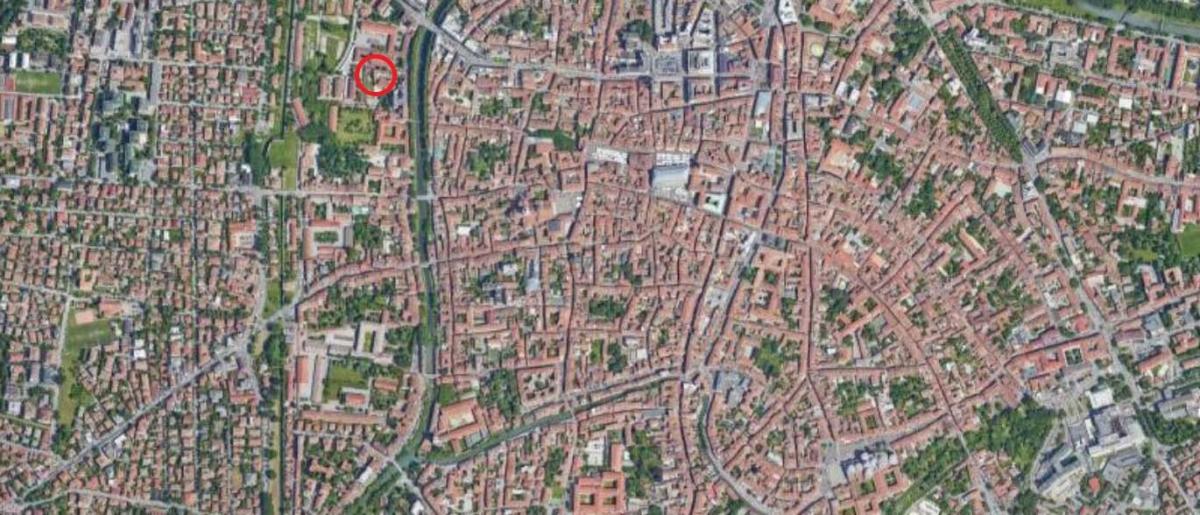
Pagine