2024RUA03 - Allegato 9 - Verbale 4 - Giudizi_Punteggi_Vincitore

Array ( [field_titolo_frontend_all] => Array ( [#theme] => field [#weight] => -4 [#title] => Titolo frontend [#access] => 1 [#label_display] => above [#view_mode] => teaser [#language] => und [#field_name] => field_titolo_frontend_all [#field_type] => text_long [#field_translatable] => 0 [#entity_type] => node [#bundle] => allegato [#object] => stdClass Object ( [vid] => 472048 [uid] => 32 [title] => 2024RUA03 - Allegato 9 - Verbale 4 - Giudizi_Punteggi_Vincitore [log] => [status] => 1 [comment] => 0 [promote] => 1 [sticky] => 0 [nid] => 114036 [type] => allegato [language] => it [created] => 1730115823 [changed] => 1730115823 [tnid] => 0 [translate] => 0 [revision_timestamp] => 1730115823 [revision_uid] => 32 [taxonomy_vocabulary_2] => Array ( ) [taxonomy_vocabulary_8] => Array ( ) [body] => Array ( ) [field_titolo_frontend_all] => Array ( [und] => Array ( [0] => Array ( [value] => Verbale 4 - Giudizi_Punteggi_Vincitore [format] => [safe_value] => Verbale 4 - Giudizi_Punteggi_Vincitore ) ) ) [field_allegato_file] => Array ( [und] => Array ( [0] => Array ( [fid] => 134823 [uid] => 32 [filename] => VERB 4 RTDA 18 ott 2024_firmato GDB-CM-IM.pdf.pdf [uri] => public://2024/VERB 4 RTDA 18 ott 2024_firmato GDB-CM-IM.pdf.pdf [filemime] => application/pdf [filesize] => 439977 [status] => 1 [timestamp] => 1730115818 [type] => document [field_folder] => Array ( [und] => Array ( [0] => Array ( [tid] => 2614 ) ) ) [metadata] => Array ( ) [display] => 1 [description] => ) ) ) [name] => stefano.zampieri [picture] => 0 [data] => a:2:{s:13:"form_build_id";s:48:"form-WsCySmos4vAVlyFhG6gU5T7knfAyqco8LxlocSU_yIA";s:14:"wysiwyg_status";a:1:{i:1;i:1;}} [num_revisions] => 1 [current_revision_id] => 472048 [is_current] => 1 [is_pending] => [revision_moderation] => [entity_view_prepared] => 1 ) [#items] => Array ( [0] => Array ( [value] => Verbale 4 - Giudizi_Punteggi_Vincitore [format] => [safe_value] => Verbale 4 - Giudizi_Punteggi_Vincitore ) ) [#formatter] => text_default [0] => Array ( [#markup] => Verbale 4 - Giudizi_Punteggi_Vincitore ) ) [field_allegato_file] => Array ( [#theme] => field [#weight] => -3 [#title] => File [#access] => 1 [#label_display] => above [#view_mode] => teaser [#language] => und [#field_name] => field_allegato_file [#field_type] => file [#field_translatable] => 0 [#entity_type] => node [#bundle] => allegato [#object] => stdClass Object ( [vid] => 472048 [uid] => 32 [title] => 2024RUA03 - Allegato 9 - Verbale 4 - Giudizi_Punteggi_Vincitore [log] => [status] => 1 [comment] => 0 [promote] => 1 [sticky] => 0 [nid] => 114036 [type] => allegato [language] => it [created] => 1730115823 [changed] => 1730115823 [tnid] => 0 [translate] => 0 [revision_timestamp] => 1730115823 [revision_uid] => 32 [taxonomy_vocabulary_2] => Array ( ) [taxonomy_vocabulary_8] => Array ( ) [body] => Array ( ) [field_titolo_frontend_all] => Array ( [und] => Array ( [0] => Array ( [value] => Verbale 4 - Giudizi_Punteggi_Vincitore [format] => [safe_value] => Verbale 4 - Giudizi_Punteggi_Vincitore ) ) ) [field_allegato_file] => Array ( [und] => Array ( [0] => Array ( [fid] => 134823 [uid] => 32 [filename] => VERB 4 RTDA 18 ott 2024_firmato GDB-CM-IM.pdf.pdf [uri] => public://2024/VERB 4 RTDA 18 ott 2024_firmato GDB-CM-IM.pdf.pdf [filemime] => application/pdf [filesize] => 439977 [status] => 1 [timestamp] => 1730115818 [type] => document [field_folder] => Array ( [und] => Array ( [0] => Array ( [tid] => 2614 ) ) ) [metadata] => Array ( ) [display] => 1 [description] => ) ) ) [name] => stefano.zampieri [picture] => 0 [data] => a:2:{s:13:"form_build_id";s:48:"form-WsCySmos4vAVlyFhG6gU5T7knfAyqco8LxlocSU_yIA";s:14:"wysiwyg_status";a:1:{i:1;i:1;}} [num_revisions] => 1 [current_revision_id] => 472048 [is_current] => 1 [is_pending] => [revision_moderation] => [entity_view_prepared] => 1 ) [#items] => Array ( [0] => Array ( [fid] => 134823 [uid] => 32 [filename] => VERB 4 RTDA 18 ott 2024_firmato GDB-CM-IM.pdf.pdf [uri] => public://2024/VERB 4 RTDA 18 ott 2024_firmato GDB-CM-IM.pdf.pdf [filemime] => application/pdf [filesize] => 439977 [status] => 1 [timestamp] => 1730115818 [type] => document [field_folder] => Array ( [und] => Array ( [0] => Array ( [tid] => 2614 ) ) ) [metadata] => Array ( ) [display] => 1 [description] => ) ) [#formatter] => file_default [0] => Array ( [#theme] => file_link [#file] => stdClass Object ( [fid] => 134823 [uid] => 32 [filename] => VERB 4 RTDA 18 ott 2024_firmato GDB-CM-IM.pdf.pdf [uri] => public://2024/VERB 4 RTDA 18 ott 2024_firmato GDB-CM-IM.pdf.pdf [filemime] => application/pdf [filesize] => 439977 [status] => 1 [timestamp] => 1730115818 [type] => document [field_folder] => Array ( [und] => Array ( [0] => Array ( [tid] => 2614 ) ) ) [metadata] => Array ( ) [display] => 1 [description] => ) ) ) [links] => Array ( [#theme] => links__node [#pre_render] => Array ( [0] => drupal_pre_render_links ) [#attributes] => Array ( [class] => Array ( [0] => links [1] => inline ) ) [node] => Array ( [#theme] => links__node__node [#links] => Array ( [node-readmore] => Array ( [title] => Read more about 2024RUA03 - Allegato 9 - Verbale 4 - Giudizi_Punteggi_Vincitore [href] => node/114036 [html] => 1 [attributes] => Array ( [rel] => tag [title] => 2024RUA03 - Allegato 9 - Verbale 4 - Giudizi_Punteggi_Vincitore ) ) ) [#attributes] => Array ( [class] => Array ( [0] => links [1] => inline ) ) ) ) )

BBSoF, la startup innovativa di Unipd premiata per il miglior potenziale internazionale dall’investitore Plug and Play

Array ( [body] => Array ( [#theme] => field [#weight] => 0 [#title] => Body [#access] => 1 [#label_display] => hidden [#view_mode] => teaser [#language] => und [#field_name] => body [#field_type] => text_with_summary [#field_translatable] => 0 [#entity_type] => node [#bundle] => box_lancio_news [#object] => stdClass Object ( [vid] => 472050 [uid] => 13 [title] => BBSoF, la startup innovativa di Unipd premiata per il miglior potenziale internazionale dall’investitore Plug and Play [log] => [status] => 1 [comment] => 0 [promote] => 1 [sticky] => 0 [nid] => 114035 [type] => box_lancio_news [language] => it [created] => 1730115473 [changed] => 1730115934 [tnid] => 0 [translate] => 0 [revision_timestamp] => 1730115934 [revision_uid] => 13 [body] => Array ( [und] => Array ( [0] => Array ( [value] =>

Una nuova startup dell’Università di Padova, presentata lo scorso 25 ottobre all’Università di Verona in occasione del primo Demo Day del Consorzio iNEST - Ecosistema dell’Innovazione del Nord-Est Interconnesso -, insieme ad altri progetti imprenditoriali di recente costituzione, ha ricevuto il premio per il miglior potenziale internazionale da parte di Plug and Play, piattaforma di innovazione che sostiene realtà emergenti attraverso finanziamenti: si tratta di BBSoF - Beyond Biomechanics Sport on Field. “BBSoF propone un approccio innovativo nella prevenzione degli infortuni” afferma Zimi Sawacha, professoressa Unipd e cofounder della startup.

Sviluppata grazie a un’iniziativa di iNEST per la generazione e lo sviluppo di startup e spin-off da centri di ricerca, finanziata dal Pnrr per 4 milioni di euro, BBSoF ha avuto l’opportunità di incontrare una platea di investitori ed esperti del settore con l’obiettivo di ricevere supporto in vista dell’uscita sul mercato.

BBSoF propone un sistema di analisi biomeccanica in tempo reale per la prevenzione degli infortuni, supportato dall’intelligenza artificiale. “Il sistema consiste in un software che fornisce un report sulla performance e un indice di rischio per qualsiasi sport direttamente in campo”, dichiara Sawacha. L’obiettivo è fornire supporto a squadre professioniste, preparatori atletici e fisioterapisti nella creazione di allenamenti personalizzati: “ciò ridurrà il rischio di infortuni e migliorerà le prestazioni degli atleti”, commenta la cofounder di BBSoF.

Insieme a BBSoF, venerdì è stata presentata anche la startup Stat4Value, che sta sviluppando una piattaforma software, DataMIND, per ottimizzare i processi aziendali. “La piattaforma offre personalizzazioni su misura per le esigenze specifiche di ogni team aziendale, con moduli dedicati alla raccolta, gestione ed elaborazione dei dati, e supporta l'integrazione di modelli di intelligenza artificiale”, afferma Luigi Salmaso, Professore Ordinario di UniPD e cofounder di Stat4Value. DataMIND è predisposta per integrarsi con i sistemi di raccolta dei dati aziendali e aiuta a ridurre i tempi e i costi di ricerca e sviluppo, gestire gli approvvigionamenti nella supply chain e i bisogni futuri dei consumatori.

BBSoF e Stat4Value sono state selezionate tra oltre 100 idee raccolte tra i principali atenei e istituti di ricerca triveneti. I progetti sono stati sviluppati a partire dallo scorso aprile grazie al programma di Accelerazione di iNEST, un percorso strutturato volto a trasformare idee imprenditoriali in realtà di business sostenibili.

Concluso questo programma, per le due startup si apre ora la fase di raccolta fondi, con l’obiettivo di lanciare sul mercato i propri servizi innovativi.

[summary] => [format] => 2 [safe_value] =>

Una nuova startup dell’Università di Padova, presentata lo scorso 25 ottobre all’Università di Verona in occasione del primo Demo Day del Consorzio iNEST - Ecosistema dell’Innovazione del Nord-Est Interconnesso -, insieme ad altri progetti imprenditoriali di recente costituzione, ha ricevuto il premio per il miglior potenziale internazionale da parte di Plug and Play, piattaforma di innovazione che sostiene realtà emergenti attraverso finanziamenti: si tratta di BBSoF - Beyond Biomechanics Sport on Field. “BBSoF propone un approccio innovativo nella prevenzione degli infortuni” afferma Zimi Sawacha, professoressa Unipd e cofounder della startup.

Sviluppata grazie a un’iniziativa di iNEST per la generazione e lo sviluppo di startup e spin-off da centri di ricerca, finanziata dal Pnrr per 4 milioni di euro, BBSoF ha avuto l’opportunità di incontrare una platea di investitori ed esperti del settore con l’obiettivo di ricevere supporto in vista dell’uscita sul mercato.

BBSoF propone un sistema di analisi biomeccanica in tempo reale per la prevenzione degli infortuni, supportato dall’intelligenza artificiale. “Il sistema consiste in un software che fornisce un report sulla performance e un indice di rischio per qualsiasi sport direttamente in campo”, dichiara Sawacha. L’obiettivo è fornire supporto a squadre professioniste, preparatori atletici e fisioterapisti nella creazione di allenamenti personalizzati: “ciò ridurrà il rischio di infortuni e migliorerà le prestazioni degli atleti”, commenta la cofounder di BBSoF.

Insieme a BBSoF, venerdì è stata presentata anche la startup Stat4Value, che sta sviluppando una piattaforma software, DataMIND, per ottimizzare i processi aziendali. “La piattaforma offre personalizzazioni su misura per le esigenze specifiche di ogni team aziendale, con moduli dedicati alla raccolta, gestione ed elaborazione dei dati, e supporta l'integrazione di modelli di intelligenza artificiale”, afferma Luigi Salmaso, Professore Ordinario di UniPD e cofounder di Stat4Value. DataMIND è predisposta per integrarsi con i sistemi di raccolta dei dati aziendali e aiuta a ridurre i tempi e i costi di ricerca e sviluppo, gestire gli approvvigionamenti nella supply chain e i bisogni futuri dei consumatori.

BBSoF e Stat4Value sono state selezionate tra oltre 100 idee raccolte tra i principali atenei e istituti di ricerca triveneti. I progetti sono stati sviluppati a partire dallo scorso aprile grazie al programma di Accelerazione di iNEST, un percorso strutturato volto a trasformare idee imprenditoriali in realtà di business sostenibili.

Concluso questo programma, per le due startup si apre ora la fase di raccolta fondi, con l’obiettivo di lanciare sul mercato i propri servizi innovativi.

[safe_summary] => ) ) ) [field_date_box_lancio_news] => Array ( [und] => Array ( [0] => Array ( [value] => 2024-10-28T00:00:00 [timezone] => Europe/Paris [timezone_db] => Europe/Paris [date_type] => date ) ) ) [field_etichetta_box_lancio_news] => Array ( ) [field_img_box_lancio_news] => Array ( [und] => Array ( [0] => Array ( [fid] => 134821 [uid] => 13 [filename] => IMG_20241025_155948.jpg [uri] => public://IMG_20241025_155948.jpg [filemime] => image/jpeg [filesize] => 2044945 [status] => 1 [timestamp] => 1730115473 [type] => image [field_file_image_alt_text] => Array ( ) [field_file_image_title_text] => Array ( ) [field_folder] => Array ( [und] => Array ( [0] => Array ( [tid] => 2048 ) ) ) [metadata] => Array ( [height] => 2736 [width] => 3648 ) [height] => 2736 [width] => 3648 [alt] => BBSoF [title] => ) ) ) [field_link_alla_news] => Array ( ) [field_link_esterno_news] => Array ( ) [field_pagina_associata] => Array ( ) [field_link_etichetta] => Array ( ) [field_abstract_news] => Array ( [und] => Array ( [0] => Array ( [value] => BBSoF propone un sistema di analisi biomeccanica in tempo reale per la prevenzione degli infortuni, supportato dall’intelligenza artificiale. [format] => [safe_value] => BBSoF propone un sistema di analisi biomeccanica in tempo reale per la prevenzione degli infortuni, supportato dall’intelligenza artificiale. ) ) ) [field_allegato_news] => Array ( ) [field_categorie_news] => Array ( [und] => Array ( [0] => Array ( [tid] => 2264 ) [1] => Array ( [tid] => 2267 ) [2] => Array ( [tid] => 2462 ) ) ) [field_pub_date] => Array ( [und] => Array ( [0] => Array ( [value] => 2024-10-28T00:00:00 [value2] => 2025-06-07T00:00:00 [timezone] => Europe/Paris [timezone_db] => Europe/Paris [date_type] => date ) ) ) [field_layout_news] => Array ( [und] => Array ( [0] => Array ( [value] => single ) ) ) [field_testo_opzionale_news] => Array ( ) [field_url_en_page] => Array ( ) [field_url_en_page_label] => Array ( ) [path] => Array ( [pathauto] => 1 ) [name] => chiara.mezzalira [picture] => 0 [data] => a:2:{s:13:"form_build_id";s:37:"form-e496b743db3766e42eb8a4d1ccc1c014";s:14:"wysiwyg_status";a:1:{i:1;i:1;}} [num_revisions] => 2 [current_revision_id] => 472050 [is_current] => 1 [is_pending] => [revision_moderation] => [entity_view_prepared] => 1 ) [#items] => Array ( [0] => Array ( [value] =>

Una nuova startup dell’Università di Padova, presentata lo scorso 25 ottobre all’Università di Verona in occasione del primo Demo Day del Consorzio iNEST - Ecosistema dell’Innovazione del Nord-Est Interconnesso -, insieme ad altri progetti imprenditoriali di recente costituzione, ha ricevuto il premio per il miglior potenziale internazionale da parte di Plug and Play, piattaforma di innovazione che sostiene realtà emergenti attraverso finanziamenti: si tratta di BBSoF - Beyond Biomechanics Sport on Field. “BBSoF propone un approccio innovativo nella prevenzione degli infortuni” afferma Zimi Sawacha, professoressa Unipd e cofounder della startup.

Sviluppata grazie a un’iniziativa di iNEST per la generazione e lo sviluppo di startup e spin-off da centri di ricerca, finanziata dal Pnrr per 4 milioni di euro, BBSoF ha avuto l’opportunità di incontrare una platea di investitori ed esperti del settore con l’obiettivo di ricevere supporto in vista dell’uscita sul mercato.

BBSoF propone un sistema di analisi biomeccanica in tempo reale per la prevenzione degli infortuni, supportato dall’intelligenza artificiale. “Il sistema consiste in un software che fornisce un report sulla performance e un indice di rischio per qualsiasi sport direttamente in campo”, dichiara Sawacha. L’obiettivo è fornire supporto a squadre professioniste, preparatori atletici e fisioterapisti nella creazione di allenamenti personalizzati: “ciò ridurrà il rischio di infortuni e migliorerà le prestazioni degli atleti”, commenta la cofounder di BBSoF.

Insieme a BBSoF, venerdì è stata presentata anche la startup Stat4Value, che sta sviluppando una piattaforma software, DataMIND, per ottimizzare i processi aziendali. “La piattaforma offre personalizzazioni su misura per le esigenze specifiche di ogni team aziendale, con moduli dedicati alla raccolta, gestione ed elaborazione dei dati, e supporta l'integrazione di modelli di intelligenza artificiale”, afferma Luigi Salmaso, Professore Ordinario di UniPD e cofounder di Stat4Value. DataMIND è predisposta per integrarsi con i sistemi di raccolta dei dati aziendali e aiuta a ridurre i tempi e i costi di ricerca e sviluppo, gestire gli approvvigionamenti nella supply chain e i bisogni futuri dei consumatori.

BBSoF e Stat4Value sono state selezionate tra oltre 100 idee raccolte tra i principali atenei e istituti di ricerca triveneti. I progetti sono stati sviluppati a partire dallo scorso aprile grazie al programma di Accelerazione di iNEST, un percorso strutturato volto a trasformare idee imprenditoriali in realtà di business sostenibili.

Concluso questo programma, per le due startup si apre ora la fase di raccolta fondi, con l’obiettivo di lanciare sul mercato i propri servizi innovativi.

[summary] => [format] => 2 [safe_value] =>

Una nuova startup dell’Università di Padova, presentata lo scorso 25 ottobre all’Università di Verona in occasione del primo Demo Day del Consorzio iNEST - Ecosistema dell’Innovazione del Nord-Est Interconnesso -, insieme ad altri progetti imprenditoriali di recente costituzione, ha ricevuto il premio per il miglior potenziale internazionale da parte di Plug and Play, piattaforma di innovazione che sostiene realtà emergenti attraverso finanziamenti: si tratta di BBSoF - Beyond Biomechanics Sport on Field. “BBSoF propone un approccio innovativo nella prevenzione degli infortuni” afferma Zimi Sawacha, professoressa Unipd e cofounder della startup.

Sviluppata grazie a un’iniziativa di iNEST per la generazione e lo sviluppo di startup e spin-off da centri di ricerca, finanziata dal Pnrr per 4 milioni di euro, BBSoF ha avuto l’opportunità di incontrare una platea di investitori ed esperti del settore con l’obiettivo di ricevere supporto in vista dell’uscita sul mercato.

BBSoF propone un sistema di analisi biomeccanica in tempo reale per la prevenzione degli infortuni, supportato dall’intelligenza artificiale. “Il sistema consiste in un software che fornisce un report sulla performance e un indice di rischio per qualsiasi sport direttamente in campo”, dichiara Sawacha. L’obiettivo è fornire supporto a squadre professioniste, preparatori atletici e fisioterapisti nella creazione di allenamenti personalizzati: “ciò ridurrà il rischio di infortuni e migliorerà le prestazioni degli atleti”, commenta la cofounder di BBSoF.

Insieme a BBSoF, venerdì è stata presentata anche la startup Stat4Value, che sta sviluppando una piattaforma software, DataMIND, per ottimizzare i processi aziendali. “La piattaforma offre personalizzazioni su misura per le esigenze specifiche di ogni team aziendale, con moduli dedicati alla raccolta, gestione ed elaborazione dei dati, e supporta l'integrazione di modelli di intelligenza artificiale”, afferma Luigi Salmaso, Professore Ordinario di UniPD e cofounder di Stat4Value. DataMIND è predisposta per integrarsi con i sistemi di raccolta dei dati aziendali e aiuta a ridurre i tempi e i costi di ricerca e sviluppo, gestire gli approvvigionamenti nella supply chain e i bisogni futuri dei consumatori.

BBSoF e Stat4Value sono state selezionate tra oltre 100 idee raccolte tra i principali atenei e istituti di ricerca triveneti. I progetti sono stati sviluppati a partire dallo scorso aprile grazie al programma di Accelerazione di iNEST, un percorso strutturato volto a trasformare idee imprenditoriali in realtà di business sostenibili.

Concluso questo programma, per le due startup si apre ora la fase di raccolta fondi, con l’obiettivo di lanciare sul mercato i propri servizi innovativi.

[safe_summary] => ) ) [#formatter] => text_summary_or_trimmed [0] => Array ( [#markup] =>

Una nuova startup dell’Università di Padova, presentata lo scorso 25 ottobre all’Università di Verona in occasione del primo Demo Day del Consorzio iNEST - Ecosistema dell’Innovazione del Nord-Est Interconnesso -, insieme ad altri progetti imprenditoriali di recente costituzione, ha ricevuto il premio per il miglior potenziale internazionale da parte di Plug and Play, piattaforma di innovazione che sostiene realtà emergenti attraverso finanziamenti: si tratta di BBSoF - Beyond Biomechanics Sport on Fie

) ) [field_img_box_lancio_news] => Array ( [#theme] => field [#weight] => 0 [#title] => Immagine [#access] => 1 [#label_display] => above [#view_mode] => teaser [#language] => und [#field_name] => field_img_box_lancio_news [#field_type] => image [#field_translatable] => 0 [#entity_type] => node [#bundle] => box_lancio_news [#object] => stdClass Object ( [vid] => 472050 [uid] => 13 [title] => BBSoF, la startup innovativa di Unipd premiata per il miglior potenziale internazionale dall’investitore Plug and Play [log] => [status] => 1 [comment] => 0 [promote] => 1 [sticky] => 0 [nid] => 114035 [type] => box_lancio_news [language] => it [created] => 1730115473 [changed] => 1730115934 [tnid] => 0 [translate] => 0 [revision_timestamp] => 1730115934 [revision_uid] => 13 [body] => Array ( [und] => Array ( [0] => Array ( [value] =>

Una nuova startup dell’Università di Padova, presentata lo scorso 25 ottobre all’Università di Verona in occasione del primo Demo Day del Consorzio iNEST - Ecosistema dell’Innovazione del Nord-Est Interconnesso -, insieme ad altri progetti imprenditoriali di recente costituzione, ha ricevuto il premio per il miglior potenziale internazionale da parte di Plug and Play, piattaforma di innovazione che sostiene realtà emergenti attraverso finanziamenti: si tratta di BBSoF - Beyond Biomechanics Sport on Field. “BBSoF propone un approccio innovativo nella prevenzione degli infortuni” afferma Zimi Sawacha, professoressa Unipd e cofounder della startup.

Sviluppata grazie a un’iniziativa di iNEST per la generazione e lo sviluppo di startup e spin-off da centri di ricerca, finanziata dal Pnrr per 4 milioni di euro, BBSoF ha avuto l’opportunità di incontrare una platea di investitori ed esperti del settore con l’obiettivo di ricevere supporto in vista dell’uscita sul mercato.

BBSoF propone un sistema di analisi biomeccanica in tempo reale per la prevenzione degli infortuni, supportato dall’intelligenza artificiale. “Il sistema consiste in un software che fornisce un report sulla performance e un indice di rischio per qualsiasi sport direttamente in campo”, dichiara Sawacha. L’obiettivo è fornire supporto a squadre professioniste, preparatori atletici e fisioterapisti nella creazione di allenamenti personalizzati: “ciò ridurrà il rischio di infortuni e migliorerà le prestazioni degli atleti”, commenta la cofounder di BBSoF.

Insieme a BBSoF, venerdì è stata presentata anche la startup Stat4Value, che sta sviluppando una piattaforma software, DataMIND, per ottimizzare i processi aziendali. “La piattaforma offre personalizzazioni su misura per le esigenze specifiche di ogni team aziendale, con moduli dedicati alla raccolta, gestione ed elaborazione dei dati, e supporta l'integrazione di modelli di intelligenza artificiale”, afferma Luigi Salmaso, Professore Ordinario di UniPD e cofounder di Stat4Value. DataMIND è predisposta per integrarsi con i sistemi di raccolta dei dati aziendali e aiuta a ridurre i tempi e i costi di ricerca e sviluppo, gestire gli approvvigionamenti nella supply chain e i bisogni futuri dei consumatori.

BBSoF e Stat4Value sono state selezionate tra oltre 100 idee raccolte tra i principali atenei e istituti di ricerca triveneti. I progetti sono stati sviluppati a partire dallo scorso aprile grazie al programma di Accelerazione di iNEST, un percorso strutturato volto a trasformare idee imprenditoriali in realtà di business sostenibili.

Concluso questo programma, per le due startup si apre ora la fase di raccolta fondi, con l’obiettivo di lanciare sul mercato i propri servizi innovativi.

[summary] => [format] => 2 [safe_value] =>

Una nuova startup dell’Università di Padova, presentata lo scorso 25 ottobre all’Università di Verona in occasione del primo Demo Day del Consorzio iNEST - Ecosistema dell’Innovazione del Nord-Est Interconnesso -, insieme ad altri progetti imprenditoriali di recente costituzione, ha ricevuto il premio per il miglior potenziale internazionale da parte di Plug and Play, piattaforma di innovazione che sostiene realtà emergenti attraverso finanziamenti: si tratta di BBSoF - Beyond Biomechanics Sport on Field. “BBSoF propone un approccio innovativo nella prevenzione degli infortuni” afferma Zimi Sawacha, professoressa Unipd e cofounder della startup.

Sviluppata grazie a un’iniziativa di iNEST per la generazione e lo sviluppo di startup e spin-off da centri di ricerca, finanziata dal Pnrr per 4 milioni di euro, BBSoF ha avuto l’opportunità di incontrare una platea di investitori ed esperti del settore con l’obiettivo di ricevere supporto in vista dell’uscita sul mercato.

BBSoF propone un sistema di analisi biomeccanica in tempo reale per la prevenzione degli infortuni, supportato dall’intelligenza artificiale. “Il sistema consiste in un software che fornisce un report sulla performance e un indice di rischio per qualsiasi sport direttamente in campo”, dichiara Sawacha. L’obiettivo è fornire supporto a squadre professioniste, preparatori atletici e fisioterapisti nella creazione di allenamenti personalizzati: “ciò ridurrà il rischio di infortuni e migliorerà le prestazioni degli atleti”, commenta la cofounder di BBSoF.

Insieme a BBSoF, venerdì è stata presentata anche la startup Stat4Value, che sta sviluppando una piattaforma software, DataMIND, per ottimizzare i processi aziendali. “La piattaforma offre personalizzazioni su misura per le esigenze specifiche di ogni team aziendale, con moduli dedicati alla raccolta, gestione ed elaborazione dei dati, e supporta l'integrazione di modelli di intelligenza artificiale”, afferma Luigi Salmaso, Professore Ordinario di UniPD e cofounder di Stat4Value. DataMIND è predisposta per integrarsi con i sistemi di raccolta dei dati aziendali e aiuta a ridurre i tempi e i costi di ricerca e sviluppo, gestire gli approvvigionamenti nella supply chain e i bisogni futuri dei consumatori.

BBSoF e Stat4Value sono state selezionate tra oltre 100 idee raccolte tra i principali atenei e istituti di ricerca triveneti. I progetti sono stati sviluppati a partire dallo scorso aprile grazie al programma di Accelerazione di iNEST, un percorso strutturato volto a trasformare idee imprenditoriali in realtà di business sostenibili.

Concluso questo programma, per le due startup si apre ora la fase di raccolta fondi, con l’obiettivo di lanciare sul mercato i propri servizi innovativi.

[safe_summary] => ) ) ) [field_date_box_lancio_news] => Array ( [und] => Array ( [0] => Array ( [value] => 2024-10-28T00:00:00 [timezone] => Europe/Paris [timezone_db] => Europe/Paris [date_type] => date ) ) ) [field_etichetta_box_lancio_news] => Array ( ) [field_img_box_lancio_news] => Array ( [und] => Array ( [0] => Array ( [fid] => 134821 [uid] => 13 [filename] => IMG_20241025_155948.jpg [uri] => public://IMG_20241025_155948.jpg [filemime] => image/jpeg [filesize] => 2044945 [status] => 1 [timestamp] => 1730115473 [type] => image [field_file_image_alt_text] => Array ( ) [field_file_image_title_text] => Array ( ) [field_folder] => Array ( [und] => Array ( [0] => Array ( [tid] => 2048 ) ) ) [metadata] => Array ( [height] => 2736 [width] => 3648 ) [height] => 2736 [width] => 3648 [alt] => BBSoF [title] => ) ) ) [field_link_alla_news] => Array ( ) [field_link_esterno_news] => Array ( ) [field_pagina_associata] => Array ( ) [field_link_etichetta] => Array ( ) [field_abstract_news] => Array ( [und] => Array ( [0] => Array ( [value] => BBSoF propone un sistema di analisi biomeccanica in tempo reale per la prevenzione degli infortuni, supportato dall’intelligenza artificiale. [format] => [safe_value] => BBSoF propone un sistema di analisi biomeccanica in tempo reale per la prevenzione degli infortuni, supportato dall’intelligenza artificiale. ) ) ) [field_allegato_news] => Array ( ) [field_categorie_news] => Array ( [und] => Array ( [0] => Array ( [tid] => 2264 ) [1] => Array ( [tid] => 2267 ) [2] => Array ( [tid] => 2462 ) ) ) [field_pub_date] => Array ( [und] => Array ( [0] => Array ( [value] => 2024-10-28T00:00:00 [value2] => 2025-06-07T00:00:00 [timezone] => Europe/Paris [timezone_db] => Europe/Paris [date_type] => date ) ) ) [field_layout_news] => Array ( [und] => Array ( [0] => Array ( [value] => single ) ) ) [field_testo_opzionale_news] => Array ( ) [field_url_en_page] => Array ( ) [field_url_en_page_label] => Array ( ) [path] => Array ( [pathauto] => 1 ) [name] => chiara.mezzalira [picture] => 0 [data] => a:2:{s:13:"form_build_id";s:37:"form-e496b743db3766e42eb8a4d1ccc1c014";s:14:"wysiwyg_status";a:1:{i:1;i:1;}} [num_revisions] => 2 [current_revision_id] => 472050 [is_current] => 1 [is_pending] => [revision_moderation] => [entity_view_prepared] => 1 ) [#items] => Array ( [0] => Array ( [fid] => 134821 [uid] => 13 [filename] => IMG_20241025_155948.jpg [uri] => public://IMG_20241025_155948.jpg [filemime] => image/jpeg [filesize] => 2044945 [status] => 1 [timestamp] => 1730115473 [type] => image [field_file_image_alt_text] => Array ( ) [field_file_image_title_text] => Array ( ) [field_folder] => Array ( [und] => Array ( [0] => Array ( [tid] => 2048 ) ) ) [metadata] => Array ( [height] => 2736 [width] => 3648 ) [height] => 2736 [width] => 3648 [alt] => BBSoF [title] => ) ) [#formatter] => image [0] => Array ( [#theme] => image_formatter [#item] => Array ( [fid] => 134821 [uid] => 13 [filename] => IMG_20241025_155948.jpg [uri] => public://IMG_20241025_155948.jpg [filemime] => image/jpeg [filesize] => 2044945 [status] => 1 [timestamp] => 1730115473 [type] => image [field_file_image_alt_text] => Array ( ) [field_file_image_title_text] => Array ( ) [field_folder] => Array ( [und] => Array ( [0] => Array ( [tid] => 2048 ) ) ) [metadata] => Array ( [height] => 2736 [width] => 3648 ) [height] => 2736 [width] => 3648 [alt] => BBSoF [title] => ) [#image_style] => [#path] => ) ) [field_abstract_news] => Array ( [#theme] => field [#weight] => 0 [#title] => Abstract [#access] => 1 [#label_display] => above [#view_mode] => teaser [#language] => und [#field_name] => field_abstract_news [#field_type] => text_long [#field_translatable] => 0 [#entity_type] => node [#bundle] => box_lancio_news [#object] => stdClass Object ( [vid] => 472050 [uid] => 13 [title] => BBSoF, la startup innovativa di Unipd premiata per il miglior potenziale internazionale dall’investitore Plug and Play [log] => [status] => 1 [comment] => 0 [promote] => 1 [sticky] => 0 [nid] => 114035 [type] => box_lancio_news [language] => it [created] => 1730115473 [changed] => 1730115934 [tnid] => 0 [translate] => 0 [revision_timestamp] => 1730115934 [revision_uid] => 13 [body] => Array ( [und] => Array ( [0] => Array ( [value] =>

Una nuova startup dell’Università di Padova, presentata lo scorso 25 ottobre all’Università di Verona in occasione del primo Demo Day del Consorzio iNEST - Ecosistema dell’Innovazione del Nord-Est Interconnesso -, insieme ad altri progetti imprenditoriali di recente costituzione, ha ricevuto il premio per il miglior potenziale internazionale da parte di Plug and Play, piattaforma di innovazione che sostiene realtà emergenti attraverso finanziamenti: si tratta di BBSoF - Beyond Biomechanics Sport on Field. “BBSoF propone un approccio innovativo nella prevenzione degli infortuni” afferma Zimi Sawacha, professoressa Unipd e cofounder della startup.

Sviluppata grazie a un’iniziativa di iNEST per la generazione e lo sviluppo di startup e spin-off da centri di ricerca, finanziata dal Pnrr per 4 milioni di euro, BBSoF ha avuto l’opportunità di incontrare una platea di investitori ed esperti del settore con l’obiettivo di ricevere supporto in vista dell’uscita sul mercato.

BBSoF propone un sistema di analisi biomeccanica in tempo reale per la prevenzione degli infortuni, supportato dall’intelligenza artificiale. “Il sistema consiste in un software che fornisce un report sulla performance e un indice di rischio per qualsiasi sport direttamente in campo”, dichiara Sawacha. L’obiettivo è fornire supporto a squadre professioniste, preparatori atletici e fisioterapisti nella creazione di allenamenti personalizzati: “ciò ridurrà il rischio di infortuni e migliorerà le prestazioni degli atleti”, commenta la cofounder di BBSoF.

Insieme a BBSoF, venerdì è stata presentata anche la startup Stat4Value, che sta sviluppando una piattaforma software, DataMIND, per ottimizzare i processi aziendali. “La piattaforma offre personalizzazioni su misura per le esigenze specifiche di ogni team aziendale, con moduli dedicati alla raccolta, gestione ed elaborazione dei dati, e supporta l'integrazione di modelli di intelligenza artificiale”, afferma Luigi Salmaso, Professore Ordinario di UniPD e cofounder di Stat4Value. DataMIND è predisposta per integrarsi con i sistemi di raccolta dei dati aziendali e aiuta a ridurre i tempi e i costi di ricerca e sviluppo, gestire gli approvvigionamenti nella supply chain e i bisogni futuri dei consumatori.

BBSoF e Stat4Value sono state selezionate tra oltre 100 idee raccolte tra i principali atenei e istituti di ricerca triveneti. I progetti sono stati sviluppati a partire dallo scorso aprile grazie al programma di Accelerazione di iNEST, un percorso strutturato volto a trasformare idee imprenditoriali in realtà di business sostenibili.

Concluso questo programma, per le due startup si apre ora la fase di raccolta fondi, con l’obiettivo di lanciare sul mercato i propri servizi innovativi.

[summary] => [format] => 2 [safe_value] =>

Una nuova startup dell’Università di Padova, presentata lo scorso 25 ottobre all’Università di Verona in occasione del primo Demo Day del Consorzio iNEST - Ecosistema dell’Innovazione del Nord-Est Interconnesso -, insieme ad altri progetti imprenditoriali di recente costituzione, ha ricevuto il premio per il miglior potenziale internazionale da parte di Plug and Play, piattaforma di innovazione che sostiene realtà emergenti attraverso finanziamenti: si tratta di BBSoF - Beyond Biomechanics Sport on Field. “BBSoF propone un approccio innovativo nella prevenzione degli infortuni” afferma Zimi Sawacha, professoressa Unipd e cofounder della startup.

Sviluppata grazie a un’iniziativa di iNEST per la generazione e lo sviluppo di startup e spin-off da centri di ricerca, finanziata dal Pnrr per 4 milioni di euro, BBSoF ha avuto l’opportunità di incontrare una platea di investitori ed esperti del settore con l’obiettivo di ricevere supporto in vista dell’uscita sul mercato.

BBSoF propone un sistema di analisi biomeccanica in tempo reale per la prevenzione degli infortuni, supportato dall’intelligenza artificiale. “Il sistema consiste in un software che fornisce un report sulla performance e un indice di rischio per qualsiasi sport direttamente in campo”, dichiara Sawacha. L’obiettivo è fornire supporto a squadre professioniste, preparatori atletici e fisioterapisti nella creazione di allenamenti personalizzati: “ciò ridurrà il rischio di infortuni e migliorerà le prestazioni degli atleti”, commenta la cofounder di BBSoF.

Insieme a BBSoF, venerdì è stata presentata anche la startup Stat4Value, che sta sviluppando una piattaforma software, DataMIND, per ottimizzare i processi aziendali. “La piattaforma offre personalizzazioni su misura per le esigenze specifiche di ogni team aziendale, con moduli dedicati alla raccolta, gestione ed elaborazione dei dati, e supporta l'integrazione di modelli di intelligenza artificiale”, afferma Luigi Salmaso, Professore Ordinario di UniPD e cofounder di Stat4Value. DataMIND è predisposta per integrarsi con i sistemi di raccolta dei dati aziendali e aiuta a ridurre i tempi e i costi di ricerca e sviluppo, gestire gli approvvigionamenti nella supply chain e i bisogni futuri dei consumatori.

BBSoF e Stat4Value sono state selezionate tra oltre 100 idee raccolte tra i principali atenei e istituti di ricerca triveneti. I progetti sono stati sviluppati a partire dallo scorso aprile grazie al programma di Accelerazione di iNEST, un percorso strutturato volto a trasformare idee imprenditoriali in realtà di business sostenibili.

Concluso questo programma, per le due startup si apre ora la fase di raccolta fondi, con l’obiettivo di lanciare sul mercato i propri servizi innovativi.

[safe_summary] => ) ) ) [field_date_box_lancio_news] => Array ( [und] => Array ( [0] => Array ( [value] => 2024-10-28T00:00:00 [timezone] => Europe/Paris [timezone_db] => Europe/Paris [date_type] => date ) ) ) [field_etichetta_box_lancio_news] => Array ( ) [field_img_box_lancio_news] => Array ( [und] => Array ( [0] => Array ( [fid] => 134821 [uid] => 13 [filename] => IMG_20241025_155948.jpg [uri] => public://IMG_20241025_155948.jpg [filemime] => image/jpeg [filesize] => 2044945 [status] => 1 [timestamp] => 1730115473 [type] => image [field_file_image_alt_text] => Array ( ) [field_file_image_title_text] => Array ( ) [field_folder] => Array ( [und] => Array ( [0] => Array ( [tid] => 2048 ) ) ) [metadata] => Array ( [height] => 2736 [width] => 3648 ) [height] => 2736 [width] => 3648 [alt] => BBSoF [title] => ) ) ) [field_link_alla_news] => Array ( ) [field_link_esterno_news] => Array ( ) [field_pagina_associata] => Array ( ) [field_link_etichetta] => Array ( ) [field_abstract_news] => Array ( [und] => Array ( [0] => Array ( [value] => BBSoF propone un sistema di analisi biomeccanica in tempo reale per la prevenzione degli infortuni, supportato dall’intelligenza artificiale. [format] => [safe_value] => BBSoF propone un sistema di analisi biomeccanica in tempo reale per la prevenzione degli infortuni, supportato dall’intelligenza artificiale. ) ) ) [field_allegato_news] => Array ( ) [field_categorie_news] => Array ( [und] => Array ( [0] => Array ( [tid] => 2264 ) [1] => Array ( [tid] => 2267 ) [2] => Array ( [tid] => 2462 ) ) ) [field_pub_date] => Array ( [und] => Array ( [0] => Array ( [value] => 2024-10-28T00:00:00 [value2] => 2025-06-07T00:00:00 [timezone] => Europe/Paris [timezone_db] => Europe/Paris [date_type] => date ) ) ) [field_layout_news] => Array ( [und] => Array ( [0] => Array ( [value] => single ) ) ) [field_testo_opzionale_news] => Array ( ) [field_url_en_page] => Array ( ) [field_url_en_page_label] => Array ( ) [path] => Array ( [pathauto] => 1 ) [name] => chiara.mezzalira [picture] => 0 [data] => a:2:{s:13:"form_build_id";s:37:"form-e496b743db3766e42eb8a4d1ccc1c014";s:14:"wysiwyg_status";a:1:{i:1;i:1;}} [num_revisions] => 2 [current_revision_id] => 472050 [is_current] => 1 [is_pending] => [revision_moderation] => [entity_view_prepared] => 1 ) [#items] => Array ( [0] => Array ( [value] => BBSoF propone un sistema di analisi biomeccanica in tempo reale per la prevenzione degli infortuni, supportato dall’intelligenza artificiale. [format] => [safe_value] => BBSoF propone un sistema di analisi biomeccanica in tempo reale per la prevenzione degli infortuni, supportato dall’intelligenza artificiale. ) ) [#formatter] => text_default [0] => Array ( [#markup] => BBSoF propone un sistema di analisi biomeccanica in tempo reale per la prevenzione degli infortuni, supportato dall’intelligenza artificiale. ) ) [links] => Array ( [#theme] => links__node [#pre_render] => Array ( [0] => drupal_pre_render_links ) [#attributes] => Array ( [class] => Array ( [0] => links [1] => inline ) ) [node] => Array ( [#theme] => links__node__node [#links] => Array ( [node-readmore] => Array ( [title] => Read more about BBSoF, la startup innovativa di Unipd premiata per il miglior potenziale internazionale dall’investitore Plug and Play [href] => node/114035 [html] => 1 [attributes] => Array ( [rel] => tag [title] => BBSoF, la startup innovativa di Unipd premiata per il miglior potenziale internazionale dall’investitore Plug and Play ) ) ) [#attributes] => Array ( [class] => Array ( [0] => links [1] => inline ) ) ) ) [field_date_box_lancio_news] => Array ( [#theme] => field [#weight] => 1 [#title] => Data [#access] => 1 [#label_display] => above [#view_mode] => teaser [#language] => und [#field_name] => field_date_box_lancio_news [#field_type] => date [#field_translatable] => 0 [#entity_type] => node [#bundle] => box_lancio_news [#object] => stdClass Object ( [vid] => 472050 [uid] => 13 [title] => BBSoF, la startup innovativa di Unipd premiata per il miglior potenziale internazionale dall’investitore Plug and Play [log] => [status] => 1 [comment] => 0 [promote] => 1 [sticky] => 0 [nid] => 114035 [type] => box_lancio_news [language] => it [created] => 1730115473 [changed] => 1730115934 [tnid] => 0 [translate] => 0 [revision_timestamp] => 1730115934 [revision_uid] => 13 [body] => Array ( [und] => Array ( [0] => Array ( [value] =>

Una nuova startup dell’Università di Padova, presentata lo scorso 25 ottobre all’Università di Verona in occasione del primo Demo Day del Consorzio iNEST - Ecosistema dell’Innovazione del Nord-Est Interconnesso -, insieme ad altri progetti imprenditoriali di recente costituzione, ha ricevuto il premio per il miglior potenziale internazionale da parte di Plug and Play, piattaforma di innovazione che sostiene realtà emergenti attraverso finanziamenti: si tratta di BBSoF - Beyond Biomechanics Sport on Field. “BBSoF propone un approccio innovativo nella prevenzione degli infortuni” afferma Zimi Sawacha, professoressa Unipd e cofounder della startup.

Sviluppata grazie a un’iniziativa di iNEST per la generazione e lo sviluppo di startup e spin-off da centri di ricerca, finanziata dal Pnrr per 4 milioni di euro, BBSoF ha avuto l’opportunità di incontrare una platea di investitori ed esperti del settore con l’obiettivo di ricevere supporto in vista dell’uscita sul mercato.

BBSoF propone un sistema di analisi biomeccanica in tempo reale per la prevenzione degli infortuni, supportato dall’intelligenza artificiale. “Il sistema consiste in un software che fornisce un report sulla performance e un indice di rischio per qualsiasi sport direttamente in campo”, dichiara Sawacha. L’obiettivo è fornire supporto a squadre professioniste, preparatori atletici e fisioterapisti nella creazione di allenamenti personalizzati: “ciò ridurrà il rischio di infortuni e migliorerà le prestazioni degli atleti”, commenta la cofounder di BBSoF.

Insieme a BBSoF, venerdì è stata presentata anche la startup Stat4Value, che sta sviluppando una piattaforma software, DataMIND, per ottimizzare i processi aziendali. “La piattaforma offre personalizzazioni su misura per le esigenze specifiche di ogni team aziendale, con moduli dedicati alla raccolta, gestione ed elaborazione dei dati, e supporta l'integrazione di modelli di intelligenza artificiale”, afferma Luigi Salmaso, Professore Ordinario di UniPD e cofounder di Stat4Value. DataMIND è predisposta per integrarsi con i sistemi di raccolta dei dati aziendali e aiuta a ridurre i tempi e i costi di ricerca e sviluppo, gestire gli approvvigionamenti nella supply chain e i bisogni futuri dei consumatori.

BBSoF e Stat4Value sono state selezionate tra oltre 100 idee raccolte tra i principali atenei e istituti di ricerca triveneti. I progetti sono stati sviluppati a partire dallo scorso aprile grazie al programma di Accelerazione di iNEST, un percorso strutturato volto a trasformare idee imprenditoriali in realtà di business sostenibili.

Concluso questo programma, per le due startup si apre ora la fase di raccolta fondi, con l’obiettivo di lanciare sul mercato i propri servizi innovativi.

[summary] => [format] => 2 [safe_value] =>

Una nuova startup dell’Università di Padova, presentata lo scorso 25 ottobre all’Università di Verona in occasione del primo Demo Day del Consorzio iNEST - Ecosistema dell’Innovazione del Nord-Est Interconnesso -, insieme ad altri progetti imprenditoriali di recente costituzione, ha ricevuto il premio per il miglior potenziale internazionale da parte di Plug and Play, piattaforma di innovazione che sostiene realtà emergenti attraverso finanziamenti: si tratta di BBSoF - Beyond Biomechanics Sport on Field. “BBSoF propone un approccio innovativo nella prevenzione degli infortuni” afferma Zimi Sawacha, professoressa Unipd e cofounder della startup.

Sviluppata grazie a un’iniziativa di iNEST per la generazione e lo sviluppo di startup e spin-off da centri di ricerca, finanziata dal Pnrr per 4 milioni di euro, BBSoF ha avuto l’opportunità di incontrare una platea di investitori ed esperti del settore con l’obiettivo di ricevere supporto in vista dell’uscita sul mercato.

BBSoF propone un sistema di analisi biomeccanica in tempo reale per la prevenzione degli infortuni, supportato dall’intelligenza artificiale. “Il sistema consiste in un software che fornisce un report sulla performance e un indice di rischio per qualsiasi sport direttamente in campo”, dichiara Sawacha. L’obiettivo è fornire supporto a squadre professioniste, preparatori atletici e fisioterapisti nella creazione di allenamenti personalizzati: “ciò ridurrà il rischio di infortuni e migliorerà le prestazioni degli atleti”, commenta la cofounder di BBSoF.

Insieme a BBSoF, venerdì è stata presentata anche la startup Stat4Value, che sta sviluppando una piattaforma software, DataMIND, per ottimizzare i processi aziendali. “La piattaforma offre personalizzazioni su misura per le esigenze specifiche di ogni team aziendale, con moduli dedicati alla raccolta, gestione ed elaborazione dei dati, e supporta l'integrazione di modelli di intelligenza artificiale”, afferma Luigi Salmaso, Professore Ordinario di UniPD e cofounder di Stat4Value. DataMIND è predisposta per integrarsi con i sistemi di raccolta dei dati aziendali e aiuta a ridurre i tempi e i costi di ricerca e sviluppo, gestire gli approvvigionamenti nella supply chain e i bisogni futuri dei consumatori.

BBSoF e Stat4Value sono state selezionate tra oltre 100 idee raccolte tra i principali atenei e istituti di ricerca triveneti. I progetti sono stati sviluppati a partire dallo scorso aprile grazie al programma di Accelerazione di iNEST, un percorso strutturato volto a trasformare idee imprenditoriali in realtà di business sostenibili.

Concluso questo programma, per le due startup si apre ora la fase di raccolta fondi, con l’obiettivo di lanciare sul mercato i propri servizi innovativi.

[safe_summary] => ) ) ) [field_date_box_lancio_news] => Array ( [und] => Array ( [0] => Array ( [value] => 2024-10-28T00:00:00 [timezone] => Europe/Paris [timezone_db] => Europe/Paris [date_type] => date ) ) ) [field_etichetta_box_lancio_news] => Array ( ) [field_img_box_lancio_news] => Array ( [und] => Array ( [0] => Array ( [fid] => 134821 [uid] => 13 [filename] => IMG_20241025_155948.jpg [uri] => public://IMG_20241025_155948.jpg [filemime] => image/jpeg [filesize] => 2044945 [status] => 1 [timestamp] => 1730115473 [type] => image [field_file_image_alt_text] => Array ( ) [field_file_image_title_text] => Array ( ) [field_folder] => Array ( [und] => Array ( [0] => Array ( [tid] => 2048 ) ) ) [metadata] => Array ( [height] => 2736 [width] => 3648 ) [height] => 2736 [width] => 3648 [alt] => BBSoF [title] => ) ) ) [field_link_alla_news] => Array ( ) [field_link_esterno_news] => Array ( ) [field_pagina_associata] => Array ( ) [field_link_etichetta] => Array ( ) [field_abstract_news] => Array ( [und] => Array ( [0] => Array ( [value] => BBSoF propone un sistema di analisi biomeccanica in tempo reale per la prevenzione degli infortuni, supportato dall’intelligenza artificiale. [format] => [safe_value] => BBSoF propone un sistema di analisi biomeccanica in tempo reale per la prevenzione degli infortuni, supportato dall’intelligenza artificiale. ) ) ) [field_allegato_news] => Array ( ) [field_categorie_news] => Array ( [und] => Array ( [0] => Array ( [tid] => 2264 ) [1] => Array ( [tid] => 2267 ) [2] => Array ( [tid] => 2462 ) ) ) [field_pub_date] => Array ( [und] => Array ( [0] => Array ( [value] => 2024-10-28T00:00:00 [value2] => 2025-06-07T00:00:00 [timezone] => Europe/Paris [timezone_db] => Europe/Paris [date_type] => date ) ) ) [field_layout_news] => Array ( [und] => Array ( [0] => Array ( [value] => single ) ) ) [field_testo_opzionale_news] => Array ( ) [field_url_en_page] => Array ( ) [field_url_en_page_label] => Array ( ) [path] => Array ( [pathauto] => 1 ) [name] => chiara.mezzalira [picture] => 0 [data] => a:2:{s:13:"form_build_id";s:37:"form-e496b743db3766e42eb8a4d1ccc1c014";s:14:"wysiwyg_status";a:1:{i:1;i:1;}} [num_revisions] => 2 [current_revision_id] => 472050 [is_current] => 1 [is_pending] => [revision_moderation] => [entity_view_prepared] => 1 ) [#items] => Array ( [0] => Array ( [value] => 2024-10-28T00:00:00 [timezone] => Europe/Paris [timezone_db] => Europe/Paris [date_type] => date ) ) [#formatter] => date_default [0] => Array ( [#markup] => Lun, 28/10/2024 ) ) )

Identity Without Borders: Italian-Japanese Research Team Unveils the Possibility of Identifying with Different Ethnic Groups

Array ( [field_link_esterno_news] => Array ( [#theme] => field [#weight] => -1 [#title] => Link esterno news [#access] => 1 [#label_display] => above [#view_mode] => teaser [#language] => und [#field_name] => field_link_esterno_news [#field_type] => text_long [#field_translatable] => 0 [#entity_type] => node [#bundle] => box_lancio_news [#object] => stdClass Object ( [vid] => 472043 [uid] => 2032 [title] => Identity Without Borders: Italian-Japanese Research Team Unveils the Possibility of Identifying with Different Ethnic Groups [log] => [status] => 1 [comment] => 0 [promote] => 1 [sticky] => 0 [nid] => 114033 [type] => box_lancio_news [language] => it [created] => 1730113950 [changed] => 1730113950 [tnid] => 0 [translate] => 0 [revision_timestamp] => 1730113950 [revision_uid] => 2032 [body] => Array ( [und] => Array ( [0] => Array ( [value] =>

Is it possible that our sense of identity is more flexible than we imagine? A recent study—"The self can be associated with novel faces of in-group and out-group members: A cross-cultural study"—conducted by an Italian-Japanese research team coordinated by Mario Dalmaso, a professor in the Department of Developmental and Socialization Psychology at the University of Padua, has explored this question, investigating whether we can recognize a part of ourselves in the faces of unfamiliar people from different cultures.

In the course of the study, Japanese and Italian participants were initially asked to associate their identity with either a white or an Asian face. In other words, each participant had to identify themselves with one of the two presented faces, thus establishing an arbitrary and temporary connection between their own identity and the chosen face. Subsequently, participants completed a computer matching task, where they had to indicate whether the presented face corresponded to the one previously associated with themselves or with another person. Finally, they performed a test to measure implicit biases toward Asian and white individuals.

"The results revealed a surprising and fascinating aspect of our sense of identity: both Italians and Japanese showed a significant ability to identify with faces from other ethnic groups," explains Mario Dalmaso, the study's lead author. "Moreover, this ability to see oneself in others was not influenced by biases toward the other social group, suggesting that our self-perception is more adaptable than we think and can incorporate social elements with different characteristics. This phenomenon offers a deep insight into human psychology, highlighting how the flexibility of the self might be a key to understanding and embracing others."

In an increasingly multicultural world, the ability to identify with an unfamiliar person, especially when they belong to a different social group, could prove to be essential evidence for promoting more inclusive and supportive societies.

"This research opens new perspectives for future investigations on how this self-flexibility might help us overcome ethnic and cultural divides, fostering more open dialogue between diverse communities. Perhaps we will discover—or maybe we already know—that our identity is not a static entity but a dynamic ensemble, ready to evolve and enrich itself through interaction with what is different from us," concludes Dalmaso.

The research also involved Michele Vicovaro, a professor in the Department of General Psychology, and Akira Sarodo and Katsumi Watanabe from Waseda University in Tokyo.

[summary] => [format] => 2 [safe_value] =>

Is it possible that our sense of identity is more flexible than we imagine? A recent study—"The self can be associated with novel faces of in-group and out-group members: A cross-cultural study"—conducted by an Italian-Japanese research team coordinated by Mario Dalmaso, a professor in the Department of Developmental and Socialization Psychology at the University of Padua, has explored this question, investigating whether we can recognize a part of ourselves in the faces of unfamiliar people from different cultures.

In the course of the study, Japanese and Italian participants were initially asked to associate their identity with either a white or an Asian face. In other words, each participant had to identify themselves with one of the two presented faces, thus establishing an arbitrary and temporary connection between their own identity and the chosen face. Subsequently, participants completed a computer matching task, where they had to indicate whether the presented face corresponded to the one previously associated with themselves or with another person. Finally, they performed a test to measure implicit biases toward Asian and white individuals.

"The results revealed a surprising and fascinating aspect of our sense of identity: both Italians and Japanese showed a significant ability to identify with faces from other ethnic groups," explains Mario Dalmaso, the study's lead author. "Moreover, this ability to see oneself in others was not influenced by biases toward the other social group, suggesting that our self-perception is more adaptable than we think and can incorporate social elements with different characteristics. This phenomenon offers a deep insight into human psychology, highlighting how the flexibility of the self might be a key to understanding and embracing others."

In an increasingly multicultural world, the ability to identify with an unfamiliar person, especially when they belong to a different social group, could prove to be essential evidence for promoting more inclusive and supportive societies.

"This research opens new perspectives for future investigations on how this self-flexibility might help us overcome ethnic and cultural divides, fostering more open dialogue between diverse communities. Perhaps we will discover—or maybe we already know—that our identity is not a static entity but a dynamic ensemble, ready to evolve and enrich itself through interaction with what is different from us," concludes Dalmaso.

The research also involved Michele Vicovaro, a professor in the Department of General Psychology, and Akira Sarodo and Katsumi Watanabe from Waseda University in Tokyo.

[safe_summary] => ) ) ) [field_date_box_lancio_news] => Array ( [und] => Array ( [0] => Array ( [value] => 2024-10-28T00:00:00 [timezone] => Europe/Paris [timezone_db] => Europe/Paris [date_type] => date ) ) ) [field_etichetta_box_lancio_news] => Array ( ) [field_img_box_lancio_news] => Array ( [und] => Array ( [0] => Array ( [fid] => 134820 [uid] => 2032 [filename] => hp_tokyo_2.jpg [uri] => public://hp_tokyo_2_0.jpg [filemime] => image/jpeg [filesize] => 52867 [status] => 1 [timestamp] => 1730113950 [type] => image [field_file_image_alt_text] => Array ( ) [field_file_image_title_text] => Array ( ) [field_folder] => Array ( [und] => Array ( [0] => Array ( [tid] => 2048 ) ) ) [metadata] => Array ( [height] => 227 [width] => 677 ) [height] => 227 [width] => 677 [alt] => tokyo [title] => ) ) ) [field_link_alla_news] => Array ( ) [field_link_esterno_news] => Array ( [und] => Array ( [0] => Array ( [value] => [format] => [safe_value] => ) ) ) [field_pagina_associata] => Array ( ) [field_link_etichetta] => Array ( ) [field_abstract_news] => Array ( [und] => Array ( [0] => Array ( [value] => The ability to see oneself in others was not influenced by biases toward the other social group, suggesting that our self-perception is more adaptable than we think and can incorporate social elements with different characteristics [format] => [safe_value] => The ability to see oneself in others was not influenced by biases toward the other social group, suggesting that our self-perception is more adaptable than we think and can incorporate social elements with different characteristics ) ) ) [field_allegato_news] => Array ( ) [field_categorie_news] => Array ( [und] => Array ( [0] => Array ( [tid] => 2296 ) ) ) [field_pub_date] => Array ( [und] => Array ( [0] => Array ( [value] => 2024-10-28T00:00:00 [value2] => 2025-10-28T00:00:00 [timezone] => Europe/Paris [timezone_db] => Europe/Paris [date_type] => date ) ) ) [field_layout_news] => Array ( [und] => Array ( [0] => Array ( [value] => single ) ) ) [field_testo_opzionale_news] => Array ( ) [field_url_en_page] => Array ( ) [field_url_en_page_label] => Array ( ) [path] => Array ( [pathauto] => 1 ) [name] => francesca.forzan [picture] => 0 [data] => b:0; [num_revisions] => 1 [current_revision_id] => 472043 [is_current] => 1 [is_pending] => [revision_moderation] => [entity_view_prepared] => 1 ) [#items] => Array ( [0] => Array ( [value] => [format] => [safe_value] => ) ) [#formatter] => text_default [0] => Array ( [#markup] => ) ) [body] => Array ( [#theme] => field [#weight] => 0 [#title] => Body [#access] => 1 [#label_display] => hidden [#view_mode] => teaser [#language] => und [#field_name] => body [#field_type] => text_with_summary [#field_translatable] => 0 [#entity_type] => node [#bundle] => box_lancio_news [#object] => stdClass Object ( [vid] => 472043 [uid] => 2032 [title] => Identity Without Borders: Italian-Japanese Research Team Unveils the Possibility of Identifying with Different Ethnic Groups [log] => [status] => 1 [comment] => 0 [promote] => 1 [sticky] => 0 [nid] => 114033 [type] => box_lancio_news [language] => it [created] => 1730113950 [changed] => 1730113950 [tnid] => 0 [translate] => 0 [revision_timestamp] => 1730113950 [revision_uid] => 2032 [body] => Array ( [und] => Array ( [0] => Array ( [value] =>

Is it possible that our sense of identity is more flexible than we imagine? A recent study—"The self can be associated with novel faces of in-group and out-group members: A cross-cultural study"—conducted by an Italian-Japanese research team coordinated by Mario Dalmaso, a professor in the Department of Developmental and Socialization Psychology at the University of Padua, has explored this question, investigating whether we can recognize a part of ourselves in the faces of unfamiliar people from different cultures.

In the course of the study, Japanese and Italian participants were initially asked to associate their identity with either a white or an Asian face. In other words, each participant had to identify themselves with one of the two presented faces, thus establishing an arbitrary and temporary connection between their own identity and the chosen face. Subsequently, participants completed a computer matching task, where they had to indicate whether the presented face corresponded to the one previously associated with themselves or with another person. Finally, they performed a test to measure implicit biases toward Asian and white individuals.

"The results revealed a surprising and fascinating aspect of our sense of identity: both Italians and Japanese showed a significant ability to identify with faces from other ethnic groups," explains Mario Dalmaso, the study's lead author. "Moreover, this ability to see oneself in others was not influenced by biases toward the other social group, suggesting that our self-perception is more adaptable than we think and can incorporate social elements with different characteristics. This phenomenon offers a deep insight into human psychology, highlighting how the flexibility of the self might be a key to understanding and embracing others."

In an increasingly multicultural world, the ability to identify with an unfamiliar person, especially when they belong to a different social group, could prove to be essential evidence for promoting more inclusive and supportive societies.

"This research opens new perspectives for future investigations on how this self-flexibility might help us overcome ethnic and cultural divides, fostering more open dialogue between diverse communities. Perhaps we will discover—or maybe we already know—that our identity is not a static entity but a dynamic ensemble, ready to evolve and enrich itself through interaction with what is different from us," concludes Dalmaso.

The research also involved Michele Vicovaro, a professor in the Department of General Psychology, and Akira Sarodo and Katsumi Watanabe from Waseda University in Tokyo.

[summary] => [format] => 2 [safe_value] =>

Is it possible that our sense of identity is more flexible than we imagine? A recent study—"The self can be associated with novel faces of in-group and out-group members: A cross-cultural study"—conducted by an Italian-Japanese research team coordinated by Mario Dalmaso, a professor in the Department of Developmental and Socialization Psychology at the University of Padua, has explored this question, investigating whether we can recognize a part of ourselves in the faces of unfamiliar people from different cultures.

In the course of the study, Japanese and Italian participants were initially asked to associate their identity with either a white or an Asian face. In other words, each participant had to identify themselves with one of the two presented faces, thus establishing an arbitrary and temporary connection between their own identity and the chosen face. Subsequently, participants completed a computer matching task, where they had to indicate whether the presented face corresponded to the one previously associated with themselves or with another person. Finally, they performed a test to measure implicit biases toward Asian and white individuals.

"The results revealed a surprising and fascinating aspect of our sense of identity: both Italians and Japanese showed a significant ability to identify with faces from other ethnic groups," explains Mario Dalmaso, the study's lead author. "Moreover, this ability to see oneself in others was not influenced by biases toward the other social group, suggesting that our self-perception is more adaptable than we think and can incorporate social elements with different characteristics. This phenomenon offers a deep insight into human psychology, highlighting how the flexibility of the self might be a key to understanding and embracing others."

In an increasingly multicultural world, the ability to identify with an unfamiliar person, especially when they belong to a different social group, could prove to be essential evidence for promoting more inclusive and supportive societies.

"This research opens new perspectives for future investigations on how this self-flexibility might help us overcome ethnic and cultural divides, fostering more open dialogue between diverse communities. Perhaps we will discover—or maybe we already know—that our identity is not a static entity but a dynamic ensemble, ready to evolve and enrich itself through interaction with what is different from us," concludes Dalmaso.

The research also involved Michele Vicovaro, a professor in the Department of General Psychology, and Akira Sarodo and Katsumi Watanabe from Waseda University in Tokyo.

[safe_summary] => ) ) ) [field_date_box_lancio_news] => Array ( [und] => Array ( [0] => Array ( [value] => 2024-10-28T00:00:00 [timezone] => Europe/Paris [timezone_db] => Europe/Paris [date_type] => date ) ) ) [field_etichetta_box_lancio_news] => Array ( ) [field_img_box_lancio_news] => Array ( [und] => Array ( [0] => Array ( [fid] => 134820 [uid] => 2032 [filename] => hp_tokyo_2.jpg [uri] => public://hp_tokyo_2_0.jpg [filemime] => image/jpeg [filesize] => 52867 [status] => 1 [timestamp] => 1730113950 [type] => image [field_file_image_alt_text] => Array ( ) [field_file_image_title_text] => Array ( ) [field_folder] => Array ( [und] => Array ( [0] => Array ( [tid] => 2048 ) ) ) [metadata] => Array ( [height] => 227 [width] => 677 ) [height] => 227 [width] => 677 [alt] => tokyo [title] => ) ) ) [field_link_alla_news] => Array ( ) [field_link_esterno_news] => Array ( [und] => Array ( [0] => Array ( [value] => [format] => [safe_value] => ) ) ) [field_pagina_associata] => Array ( ) [field_link_etichetta] => Array ( ) [field_abstract_news] => Array ( [und] => Array ( [0] => Array ( [value] => The ability to see oneself in others was not influenced by biases toward the other social group, suggesting that our self-perception is more adaptable than we think and can incorporate social elements with different characteristics [format] => [safe_value] => The ability to see oneself in others was not influenced by biases toward the other social group, suggesting that our self-perception is more adaptable than we think and can incorporate social elements with different characteristics ) ) ) [field_allegato_news] => Array ( ) [field_categorie_news] => Array ( [und] => Array ( [0] => Array ( [tid] => 2296 ) ) ) [field_pub_date] => Array ( [und] => Array ( [0] => Array ( [value] => 2024-10-28T00:00:00 [value2] => 2025-10-28T00:00:00 [timezone] => Europe/Paris [timezone_db] => Europe/Paris [date_type] => date ) ) ) [field_layout_news] => Array ( [und] => Array ( [0] => Array ( [value] => single ) ) ) [field_testo_opzionale_news] => Array ( ) [field_url_en_page] => Array ( ) [field_url_en_page_label] => Array ( ) [path] => Array ( [pathauto] => 1 ) [name] => francesca.forzan [picture] => 0 [data] => b:0; [num_revisions] => 1 [current_revision_id] => 472043 [is_current] => 1 [is_pending] => [revision_moderation] => [entity_view_prepared] => 1 ) [#items] => Array ( [0] => Array ( [value] =>

Is it possible that our sense of identity is more flexible than we imagine? A recent study—"The self can be associated with novel faces of in-group and out-group members: A cross-cultural study"—conducted by an Italian-Japanese research team coordinated by Mario Dalmaso, a professor in the Department of Developmental and Socialization Psychology at the University of Padua, has explored this question, investigating whether we can recognize a part of ourselves in the faces of unfamiliar people from different cultures.

In the course of the study, Japanese and Italian participants were initially asked to associate their identity with either a white or an Asian face. In other words, each participant had to identify themselves with one of the two presented faces, thus establishing an arbitrary and temporary connection between their own identity and the chosen face. Subsequently, participants completed a computer matching task, where they had to indicate whether the presented face corresponded to the one previously associated with themselves or with another person. Finally, they performed a test to measure implicit biases toward Asian and white individuals.

"The results revealed a surprising and fascinating aspect of our sense of identity: both Italians and Japanese showed a significant ability to identify with faces from other ethnic groups," explains Mario Dalmaso, the study's lead author. "Moreover, this ability to see oneself in others was not influenced by biases toward the other social group, suggesting that our self-perception is more adaptable than we think and can incorporate social elements with different characteristics. This phenomenon offers a deep insight into human psychology, highlighting how the flexibility of the self might be a key to understanding and embracing others."

In an increasingly multicultural world, the ability to identify with an unfamiliar person, especially when they belong to a different social group, could prove to be essential evidence for promoting more inclusive and supportive societies.

"This research opens new perspectives for future investigations on how this self-flexibility might help us overcome ethnic and cultural divides, fostering more open dialogue between diverse communities. Perhaps we will discover—or maybe we already know—that our identity is not a static entity but a dynamic ensemble, ready to evolve and enrich itself through interaction with what is different from us," concludes Dalmaso.

The research also involved Michele Vicovaro, a professor in the Department of General Psychology, and Akira Sarodo and Katsumi Watanabe from Waseda University in Tokyo.

[summary] => [format] => 2 [safe_value] =>

Is it possible that our sense of identity is more flexible than we imagine? A recent study—"The self can be associated with novel faces of in-group and out-group members: A cross-cultural study"—conducted by an Italian-Japanese research team coordinated by Mario Dalmaso, a professor in the Department of Developmental and Socialization Psychology at the University of Padua, has explored this question, investigating whether we can recognize a part of ourselves in the faces of unfamiliar people from different cultures.

In the course of the study, Japanese and Italian participants were initially asked to associate their identity with either a white or an Asian face. In other words, each participant had to identify themselves with one of the two presented faces, thus establishing an arbitrary and temporary connection between their own identity and the chosen face. Subsequently, participants completed a computer matching task, where they had to indicate whether the presented face corresponded to the one previously associated with themselves or with another person. Finally, they performed a test to measure implicit biases toward Asian and white individuals.

"The results revealed a surprising and fascinating aspect of our sense of identity: both Italians and Japanese showed a significant ability to identify with faces from other ethnic groups," explains Mario Dalmaso, the study's lead author. "Moreover, this ability to see oneself in others was not influenced by biases toward the other social group, suggesting that our self-perception is more adaptable than we think and can incorporate social elements with different characteristics. This phenomenon offers a deep insight into human psychology, highlighting how the flexibility of the self might be a key to understanding and embracing others."

In an increasingly multicultural world, the ability to identify with an unfamiliar person, especially when they belong to a different social group, could prove to be essential evidence for promoting more inclusive and supportive societies.

"This research opens new perspectives for future investigations on how this self-flexibility might help us overcome ethnic and cultural divides, fostering more open dialogue between diverse communities. Perhaps we will discover—or maybe we already know—that our identity is not a static entity but a dynamic ensemble, ready to evolve and enrich itself through interaction with what is different from us," concludes Dalmaso.

The research also involved Michele Vicovaro, a professor in the Department of General Psychology, and Akira Sarodo and Katsumi Watanabe from Waseda University in Tokyo.

[safe_summary] => ) ) [#formatter] => text_summary_or_trimmed [0] => Array ( [#markup] =>

Is it possible that our sense of identity is more flexible than we imagine?

) ) [field_img_box_lancio_news] => Array ( [#theme] => field [#weight] => 0 [#title] => Immagine [#access] => 1 [#label_display] => above [#view_mode] => teaser [#language] => und [#field_name] => field_img_box_lancio_news [#field_type] => image [#field_translatable] => 0 [#entity_type] => node [#bundle] => box_lancio_news [#object] => stdClass Object ( [vid] => 472043 [uid] => 2032 [title] => Identity Without Borders: Italian-Japanese Research Team Unveils the Possibility of Identifying with Different Ethnic Groups [log] => [status] => 1 [comment] => 0 [promote] => 1 [sticky] => 0 [nid] => 114033 [type] => box_lancio_news [language] => it [created] => 1730113950 [changed] => 1730113950 [tnid] => 0 [translate] => 0 [revision_timestamp] => 1730113950 [revision_uid] => 2032 [body] => Array ( [und] => Array ( [0] => Array ( [value] =>

Is it possible that our sense of identity is more flexible than we imagine? A recent study—"The self can be associated with novel faces of in-group and out-group members: A cross-cultural study"—conducted by an Italian-Japanese research team coordinated by Mario Dalmaso, a professor in the Department of Developmental and Socialization Psychology at the University of Padua, has explored this question, investigating whether we can recognize a part of ourselves in the faces of unfamiliar people from different cultures.

In the course of the study, Japanese and Italian participants were initially asked to associate their identity with either a white or an Asian face. In other words, each participant had to identify themselves with one of the two presented faces, thus establishing an arbitrary and temporary connection between their own identity and the chosen face. Subsequently, participants completed a computer matching task, where they had to indicate whether the presented face corresponded to the one previously associated with themselves or with another person. Finally, they performed a test to measure implicit biases toward Asian and white individuals.

"The results revealed a surprising and fascinating aspect of our sense of identity: both Italians and Japanese showed a significant ability to identify with faces from other ethnic groups," explains Mario Dalmaso, the study's lead author. "Moreover, this ability to see oneself in others was not influenced by biases toward the other social group, suggesting that our self-perception is more adaptable than we think and can incorporate social elements with different characteristics. This phenomenon offers a deep insight into human psychology, highlighting how the flexibility of the self might be a key to understanding and embracing others."

In an increasingly multicultural world, the ability to identify with an unfamiliar person, especially when they belong to a different social group, could prove to be essential evidence for promoting more inclusive and supportive societies.

"This research opens new perspectives for future investigations on how this self-flexibility might help us overcome ethnic and cultural divides, fostering more open dialogue between diverse communities. Perhaps we will discover—or maybe we already know—that our identity is not a static entity but a dynamic ensemble, ready to evolve and enrich itself through interaction with what is different from us," concludes Dalmaso.

The research also involved Michele Vicovaro, a professor in the Department of General Psychology, and Akira Sarodo and Katsumi Watanabe from Waseda University in Tokyo.

[summary] => [format] => 2 [safe_value] =>

Is it possible that our sense of identity is more flexible than we imagine? A recent study—"The self can be associated with novel faces of in-group and out-group members: A cross-cultural study"—conducted by an Italian-Japanese research team coordinated by Mario Dalmaso, a professor in the Department of Developmental and Socialization Psychology at the University of Padua, has explored this question, investigating whether we can recognize a part of ourselves in the faces of unfamiliar people from different cultures.

In the course of the study, Japanese and Italian participants were initially asked to associate their identity with either a white or an Asian face. In other words, each participant had to identify themselves with one of the two presented faces, thus establishing an arbitrary and temporary connection between their own identity and the chosen face. Subsequently, participants completed a computer matching task, where they had to indicate whether the presented face corresponded to the one previously associated with themselves or with another person. Finally, they performed a test to measure implicit biases toward Asian and white individuals.

"The results revealed a surprising and fascinating aspect of our sense of identity: both Italians and Japanese showed a significant ability to identify with faces from other ethnic groups," explains Mario Dalmaso, the study's lead author. "Moreover, this ability to see oneself in others was not influenced by biases toward the other social group, suggesting that our self-perception is more adaptable than we think and can incorporate social elements with different characteristics. This phenomenon offers a deep insight into human psychology, highlighting how the flexibility of the self might be a key to understanding and embracing others."

In an increasingly multicultural world, the ability to identify with an unfamiliar person, especially when they belong to a different social group, could prove to be essential evidence for promoting more inclusive and supportive societies.

"This research opens new perspectives for future investigations on how this self-flexibility might help us overcome ethnic and cultural divides, fostering more open dialogue between diverse communities. Perhaps we will discover—or maybe we already know—that our identity is not a static entity but a dynamic ensemble, ready to evolve and enrich itself through interaction with what is different from us," concludes Dalmaso.

The research also involved Michele Vicovaro, a professor in the Department of General Psychology, and Akira Sarodo and Katsumi Watanabe from Waseda University in Tokyo.

[safe_summary] => ) ) ) [field_date_box_lancio_news] => Array ( [und] => Array ( [0] => Array ( [value] => 2024-10-28T00:00:00 [timezone] => Europe/Paris [timezone_db] => Europe/Paris [date_type] => date ) ) ) [field_etichetta_box_lancio_news] => Array ( ) [field_img_box_lancio_news] => Array ( [und] => Array ( [0] => Array ( [fid] => 134820 [uid] => 2032 [filename] => hp_tokyo_2.jpg [uri] => public://hp_tokyo_2_0.jpg [filemime] => image/jpeg [filesize] => 52867 [status] => 1 [timestamp] => 1730113950 [type] => image [field_file_image_alt_text] => Array ( ) [field_file_image_title_text] => Array ( ) [field_folder] => Array ( [und] => Array ( [0] => Array ( [tid] => 2048 ) ) ) [metadata] => Array ( [height] => 227 [width] => 677 ) [height] => 227 [width] => 677 [alt] => tokyo [title] => ) ) ) [field_link_alla_news] => Array ( ) [field_link_esterno_news] => Array ( [und] => Array ( [0] => Array ( [value] => [format] => [safe_value] => ) ) ) [field_pagina_associata] => Array ( ) [field_link_etichetta] => Array ( ) [field_abstract_news] => Array ( [und] => Array ( [0] => Array ( [value] => The ability to see oneself in others was not influenced by biases toward the other social group, suggesting that our self-perception is more adaptable than we think and can incorporate social elements with different characteristics [format] => [safe_value] => The ability to see oneself in others was not influenced by biases toward the other social group, suggesting that our self-perception is more adaptable than we think and can incorporate social elements with different characteristics ) ) ) [field_allegato_news] => Array ( ) [field_categorie_news] => Array ( [und] => Array ( [0] => Array ( [tid] => 2296 ) ) ) [field_pub_date] => Array ( [und] => Array ( [0] => Array ( [value] => 2024-10-28T00:00:00 [value2] => 2025-10-28T00:00:00 [timezone] => Europe/Paris [timezone_db] => Europe/Paris [date_type] => date ) ) ) [field_layout_news] => Array ( [und] => Array ( [0] => Array ( [value] => single ) ) ) [field_testo_opzionale_news] => Array ( ) [field_url_en_page] => Array ( ) [field_url_en_page_label] => Array ( ) [path] => Array ( [pathauto] => 1 ) [name] => francesca.forzan [picture] => 0 [data] => b:0; [num_revisions] => 1 [current_revision_id] => 472043 [is_current] => 1 [is_pending] => [revision_moderation] => [entity_view_prepared] => 1 ) [#items] => Array ( [0] => Array ( [fid] => 134820 [uid] => 2032 [filename] => hp_tokyo_2.jpg [uri] => public://hp_tokyo_2_0.jpg [filemime] => image/jpeg [filesize] => 52867 [status] => 1 [timestamp] => 1730113950 [type] => image [field_file_image_alt_text] => Array ( ) [field_file_image_title_text] => Array ( ) [field_folder] => Array ( [und] => Array ( [0] => Array ( [tid] => 2048 ) ) ) [metadata] => Array ( [height] => 227 [width] => 677 ) [height] => 227 [width] => 677 [alt] => tokyo [title] => ) ) [#formatter] => image [0] => Array ( [#theme] => image_formatter [#item] => Array ( [fid] => 134820 [uid] => 2032 [filename] => hp_tokyo_2.jpg [uri] => public://hp_tokyo_2_0.jpg [filemime] => image/jpeg [filesize] => 52867 [status] => 1 [timestamp] => 1730113950 [type] => image [field_file_image_alt_text] => Array ( ) [field_file_image_title_text] => Array ( ) [field_folder] => Array ( [und] => Array ( [0] => Array ( [tid] => 2048 ) ) ) [metadata] => Array ( [height] => 227 [width] => 677 ) [height] => 227 [width] => 677 [alt] => tokyo [title] => ) [#image_style] => [#path] => ) ) [field_abstract_news] => Array ( [#theme] => field [#weight] => 0 [#title] => Abstract [#access] => 1 [#label_display] => above [#view_mode] => teaser [#language] => und [#field_name] => field_abstract_news [#field_type] => text_long [#field_translatable] => 0 [#entity_type] => node [#bundle] => box_lancio_news [#object] => stdClass Object ( [vid] => 472043 [uid] => 2032 [title] => Identity Without Borders: Italian-Japanese Research Team Unveils the Possibility of Identifying with Different Ethnic Groups [log] => [status] => 1 [comment] => 0 [promote] => 1 [sticky] => 0 [nid] => 114033 [type] => box_lancio_news [language] => it [created] => 1730113950 [changed] => 1730113950 [tnid] => 0 [translate] => 0 [revision_timestamp] => 1730113950 [revision_uid] => 2032 [body] => Array ( [und] => Array ( [0] => Array ( [value] =>

Is it possible that our sense of identity is more flexible than we imagine? A recent study—"The self can be associated with novel faces of in-group and out-group members: A cross-cultural study"—conducted by an Italian-Japanese research team coordinated by Mario Dalmaso, a professor in the Department of Developmental and Socialization Psychology at the University of Padua, has explored this question, investigating whether we can recognize a part of ourselves in the faces of unfamiliar people from different cultures.

In the course of the study, Japanese and Italian participants were initially asked to associate their identity with either a white or an Asian face. In other words, each participant had to identify themselves with one of the two presented faces, thus establishing an arbitrary and temporary connection between their own identity and the chosen face. Subsequently, participants completed a computer matching task, where they had to indicate whether the presented face corresponded to the one previously associated with themselves or with another person. Finally, they performed a test to measure implicit biases toward Asian and white individuals.

"The results revealed a surprising and fascinating aspect of our sense of identity: both Italians and Japanese showed a significant ability to identify with faces from other ethnic groups," explains Mario Dalmaso, the study's lead author. "Moreover, this ability to see oneself in others was not influenced by biases toward the other social group, suggesting that our self-perception is more adaptable than we think and can incorporate social elements with different characteristics. This phenomenon offers a deep insight into human psychology, highlighting how the flexibility of the self might be a key to understanding and embracing others."

In an increasingly multicultural world, the ability to identify with an unfamiliar person, especially when they belong to a different social group, could prove to be essential evidence for promoting more inclusive and supportive societies.

"This research opens new perspectives for future investigations on how this self-flexibility might help us overcome ethnic and cultural divides, fostering more open dialogue between diverse communities. Perhaps we will discover—or maybe we already know—that our identity is not a static entity but a dynamic ensemble, ready to evolve and enrich itself through interaction with what is different from us," concludes Dalmaso.

The research also involved Michele Vicovaro, a professor in the Department of General Psychology, and Akira Sarodo and Katsumi Watanabe from Waseda University in Tokyo.

[summary] => [format] => 2 [safe_value] =>

Is it possible that our sense of identity is more flexible than we imagine? A recent study—"The self can be associated with novel faces of in-group and out-group members: A cross-cultural study"—conducted by an Italian-Japanese research team coordinated by Mario Dalmaso, a professor in the Department of Developmental and Socialization Psychology at the University of Padua, has explored this question, investigating whether we can recognize a part of ourselves in the faces of unfamiliar people from different cultures.

In the course of the study, Japanese and Italian participants were initially asked to associate their identity with either a white or an Asian face. In other words, each participant had to identify themselves with one of the two presented faces, thus establishing an arbitrary and temporary connection between their own identity and the chosen face. Subsequently, participants completed a computer matching task, where they had to indicate whether the presented face corresponded to the one previously associated with themselves or with another person. Finally, they performed a test to measure implicit biases toward Asian and white individuals.

"The results revealed a surprising and fascinating aspect of our sense of identity: both Italians and Japanese showed a significant ability to identify with faces from other ethnic groups," explains Mario Dalmaso, the study's lead author. "Moreover, this ability to see oneself in others was not influenced by biases toward the other social group, suggesting that our self-perception is more adaptable than we think and can incorporate social elements with different characteristics. This phenomenon offers a deep insight into human psychology, highlighting how the flexibility of the self might be a key to understanding and embracing others."

In an increasingly multicultural world, the ability to identify with an unfamiliar person, especially when they belong to a different social group, could prove to be essential evidence for promoting more inclusive and supportive societies.

"This research opens new perspectives for future investigations on how this self-flexibility might help us overcome ethnic and cultural divides, fostering more open dialogue between diverse communities. Perhaps we will discover—or maybe we already know—that our identity is not a static entity but a dynamic ensemble, ready to evolve and enrich itself through interaction with what is different from us," concludes Dalmaso.

The research also involved Michele Vicovaro, a professor in the Department of General Psychology, and Akira Sarodo and Katsumi Watanabe from Waseda University in Tokyo.

[safe_summary] => ) ) ) [field_date_box_lancio_news] => Array ( [und] => Array ( [0] => Array ( [value] => 2024-10-28T00:00:00 [timezone] => Europe/Paris [timezone_db] => Europe/Paris [date_type] => date ) ) ) [field_etichetta_box_lancio_news] => Array ( ) [field_img_box_lancio_news] => Array ( [und] => Array ( [0] => Array ( [fid] => 134820 [uid] => 2032 [filename] => hp_tokyo_2.jpg [uri] => public://hp_tokyo_2_0.jpg [filemime] => image/jpeg [filesize] => 52867 [status] => 1 [timestamp] => 1730113950 [type] => image [field_file_image_alt_text] => Array ( ) [field_file_image_title_text] => Array ( ) [field_folder] => Array ( [und] => Array ( [0] => Array ( [tid] => 2048 ) ) ) [metadata] => Array ( [height] => 227 [width] => 677 ) [height] => 227 [width] => 677 [alt] => tokyo [title] => ) ) ) [field_link_alla_news] => Array ( ) [field_link_esterno_news] => Array ( [und] => Array ( [0] => Array ( [value] => [format] => [safe_value] => ) ) ) [field_pagina_associata] => Array ( ) [field_link_etichetta] => Array ( ) [field_abstract_news] => Array ( [und] => Array ( [0] => Array ( [value] => The ability to see oneself in others was not influenced by biases toward the other social group, suggesting that our self-perception is more adaptable than we think and can incorporate social elements with different characteristics [format] => [safe_value] => The ability to see oneself in others was not influenced by biases toward the other social group, suggesting that our self-perception is more adaptable than we think and can incorporate social elements with different characteristics ) ) ) [field_allegato_news] => Array ( ) [field_categorie_news] => Array ( [und] => Array ( [0] => Array ( [tid] => 2296 ) ) ) [field_pub_date] => Array ( [und] => Array ( [0] => Array ( [value] => 2024-10-28T00:00:00 [value2] => 2025-10-28T00:00:00 [timezone] => Europe/Paris [timezone_db] => Europe/Paris [date_type] => date ) ) ) [field_layout_news] => Array ( [und] => Array ( [0] => Array ( [value] => single ) ) ) [field_testo_opzionale_news] => Array ( ) [field_url_en_page] => Array ( ) [field_url_en_page_label] => Array ( ) [path] => Array ( [pathauto] => 1 ) [name] => francesca.forzan [picture] => 0 [data] => b:0; [num_revisions] => 1 [current_revision_id] => 472043 [is_current] => 1 [is_pending] => [revision_moderation] => [entity_view_prepared] => 1 ) [#items] => Array ( [0] => Array ( [value] => The ability to see oneself in others was not influenced by biases toward the other social group, suggesting that our self-perception is more adaptable than we think and can incorporate social elements with different characteristics [format] => [safe_value] => The ability to see oneself in others was not influenced by biases toward the other social group, suggesting that our self-perception is more adaptable than we think and can incorporate social elements with different characteristics ) ) [#formatter] => text_default [0] => Array ( [#markup] => The ability to see oneself in others was not influenced by biases toward the other social group, suggesting that our self-perception is more adaptable than we think and can incorporate social elements with different characteristics ) ) [links] => Array ( [#theme] => links__node [#pre_render] => Array ( [0] => drupal_pre_render_links ) [#attributes] => Array ( [class] => Array ( [0] => links [1] => inline ) ) [node] => Array ( [#theme] => links__node__node [#links] => Array ( [node-readmore] => Array ( [title] => Read more about Identity Without Borders: Italian-Japanese Research Team Unveils the Possibility of Identifying with Different Ethnic Groups [href] => node/114033 [html] => 1 [attributes] => Array ( [rel] => tag [title] => Identity Without Borders: Italian-Japanese Research Team Unveils the Possibility of Identifying with Different Ethnic Groups ) ) ) [#attributes] => Array ( [class] => Array ( [0] => links [1] => inline ) ) ) ) [field_date_box_lancio_news] => Array ( [#theme] => field [#weight] => 1 [#title] => Data [#access] => 1 [#label_display] => above [#view_mode] => teaser [#language] => und [#field_name] => field_date_box_lancio_news [#field_type] => date [#field_translatable] => 0 [#entity_type] => node [#bundle] => box_lancio_news [#object] => stdClass Object ( [vid] => 472043 [uid] => 2032 [title] => Identity Without Borders: Italian-Japanese Research Team Unveils the Possibility of Identifying with Different Ethnic Groups [log] => [status] => 1 [comment] => 0 [promote] => 1 [sticky] => 0 [nid] => 114033 [type] => box_lancio_news [language] => it [created] => 1730113950 [changed] => 1730113950 [tnid] => 0 [translate] => 0 [revision_timestamp] => 1730113950 [revision_uid] => 2032 [body] => Array ( [und] => Array ( [0] => Array ( [value] =>

Is it possible that our sense of identity is more flexible than we imagine? A recent study—"The self can be associated with novel faces of in-group and out-group members: A cross-cultural study"—conducted by an Italian-Japanese research team coordinated by Mario Dalmaso, a professor in the Department of Developmental and Socialization Psychology at the University of Padua, has explored this question, investigating whether we can recognize a part of ourselves in the faces of unfamiliar people from different cultures.

In the course of the study, Japanese and Italian participants were initially asked to associate their identity with either a white or an Asian face. In other words, each participant had to identify themselves with one of the two presented faces, thus establishing an arbitrary and temporary connection between their own identity and the chosen face. Subsequently, participants completed a computer matching task, where they had to indicate whether the presented face corresponded to the one previously associated with themselves or with another person. Finally, they performed a test to measure implicit biases toward Asian and white individuals.

"The results revealed a surprising and fascinating aspect of our sense of identity: both Italians and Japanese showed a significant ability to identify with faces from other ethnic groups," explains Mario Dalmaso, the study's lead author. "Moreover, this ability to see oneself in others was not influenced by biases toward the other social group, suggesting that our self-perception is more adaptable than we think and can incorporate social elements with different characteristics. This phenomenon offers a deep insight into human psychology, highlighting how the flexibility of the self might be a key to understanding and embracing others."

In an increasingly multicultural world, the ability to identify with an unfamiliar person, especially when they belong to a different social group, could prove to be essential evidence for promoting more inclusive and supportive societies.

"This research opens new perspectives for future investigations on how this self-flexibility might help us overcome ethnic and cultural divides, fostering more open dialogue between diverse communities. Perhaps we will discover—or maybe we already know—that our identity is not a static entity but a dynamic ensemble, ready to evolve and enrich itself through interaction with what is different from us," concludes Dalmaso.

The research also involved Michele Vicovaro, a professor in the Department of General Psychology, and Akira Sarodo and Katsumi Watanabe from Waseda University in Tokyo.

[summary] => [format] => 2 [safe_value] =>

Is it possible that our sense of identity is more flexible than we imagine? A recent study—"The self can be associated with novel faces of in-group and out-group members: A cross-cultural study"—conducted by an Italian-Japanese research team coordinated by Mario Dalmaso, a professor in the Department of Developmental and Socialization Psychology at the University of Padua, has explored this question, investigating whether we can recognize a part of ourselves in the faces of unfamiliar people from different cultures.

In the course of the study, Japanese and Italian participants were initially asked to associate their identity with either a white or an Asian face. In other words, each participant had to identify themselves with one of the two presented faces, thus establishing an arbitrary and temporary connection between their own identity and the chosen face. Subsequently, participants completed a computer matching task, where they had to indicate whether the presented face corresponded to the one previously associated with themselves or with another person. Finally, they performed a test to measure implicit biases toward Asian and white individuals.

"The results revealed a surprising and fascinating aspect of our sense of identity: both Italians and Japanese showed a significant ability to identify with faces from other ethnic groups," explains Mario Dalmaso, the study's lead author. "Moreover, this ability to see oneself in others was not influenced by biases toward the other social group, suggesting that our self-perception is more adaptable than we think and can incorporate social elements with different characteristics. This phenomenon offers a deep insight into human psychology, highlighting how the flexibility of the self might be a key to understanding and embracing others."

In an increasingly multicultural world, the ability to identify with an unfamiliar person, especially when they belong to a different social group, could prove to be essential evidence for promoting more inclusive and supportive societies.

"This research opens new perspectives for future investigations on how this self-flexibility might help us overcome ethnic and cultural divides, fostering more open dialogue between diverse communities. Perhaps we will discover—or maybe we already know—that our identity is not a static entity but a dynamic ensemble, ready to evolve and enrich itself through interaction with what is different from us," concludes Dalmaso.

The research also involved Michele Vicovaro, a professor in the Department of General Psychology, and Akira Sarodo and Katsumi Watanabe from Waseda University in Tokyo.

[safe_summary] => ) ) ) [field_date_box_lancio_news] => Array ( [und] => Array ( [0] => Array ( [value] => 2024-10-28T00:00:00 [timezone] => Europe/Paris [timezone_db] => Europe/Paris [date_type] => date ) ) ) [field_etichetta_box_lancio_news] => Array ( ) [field_img_box_lancio_news] => Array ( [und] => Array ( [0] => Array ( [fid] => 134820 [uid] => 2032 [filename] => hp_tokyo_2.jpg [uri] => public://hp_tokyo_2_0.jpg [filemime] => image/jpeg [filesize] => 52867 [status] => 1 [timestamp] => 1730113950 [type] => image [field_file_image_alt_text] => Array ( ) [field_file_image_title_text] => Array ( ) [field_folder] => Array ( [und] => Array ( [0] => Array ( [tid] => 2048 ) ) ) [metadata] => Array ( [height] => 227 [width] => 677 ) [height] => 227 [width] => 677 [alt] => tokyo [title] => ) ) ) [field_link_alla_news] => Array ( ) [field_link_esterno_news] => Array ( [und] => Array ( [0] => Array ( [value] => [format] => [safe_value] => ) ) ) [field_pagina_associata] => Array ( ) [field_link_etichetta] => Array ( ) [field_abstract_news] => Array ( [und] => Array ( [0] => Array ( [value] => The ability to see oneself in others was not influenced by biases toward the other social group, suggesting that our self-perception is more adaptable than we think and can incorporate social elements with different characteristics [format] => [safe_value] => The ability to see oneself in others was not influenced by biases toward the other social group, suggesting that our self-perception is more adaptable than we think and can incorporate social elements with different characteristics ) ) ) [field_allegato_news] => Array ( ) [field_categorie_news] => Array ( [und] => Array ( [0] => Array ( [tid] => 2296 ) ) ) [field_pub_date] => Array ( [und] => Array ( [0] => Array ( [value] => 2024-10-28T00:00:00 [value2] => 2025-10-28T00:00:00 [timezone] => Europe/Paris [timezone_db] => Europe/Paris [date_type] => date ) ) ) [field_layout_news] => Array ( [und] => Array ( [0] => Array ( [value] => single ) ) ) [field_testo_opzionale_news] => Array ( ) [field_url_en_page] => Array ( ) [field_url_en_page_label] => Array ( ) [path] => Array ( [pathauto] => 1 ) [name] => francesca.forzan [picture] => 0 [data] => b:0; [num_revisions] => 1 [current_revision_id] => 472043 [is_current] => 1 [is_pending] => [revision_moderation] => [entity_view_prepared] => 1 ) [#items] => Array ( [0] => Array ( [value] => 2024-10-28T00:00:00 [timezone] => Europe/Paris [timezone_db] => Europe/Paris [date_type] => date ) ) [#formatter] => date_default [0] => Array ( [#markup] => Lun, 28/10/2024 ) ) )

Unipd at Cybathlon: Silver and Bronze for Unipd at the World Championship of Neurorobotics

Array ( [body] => Array ( [#theme] => field [#weight] => 0 [#title] => Body [#access] => 1 [#label_display] => hidden [#view_mode] => teaser [#language] => und [#field_name] => body [#field_type] => text_with_summary [#field_translatable] => 0 [#entity_type] => node [#bundle] => box_lancio_news [#object] => stdClass Object ( [vid] => 472042 [uid] => 2032 [title] => Unipd at Cybathlon: Silver and Bronze for Unipd at the World Championship of Neurorobotics [log] => [status] => 1 [comment] => 0 [promote] => 1 [sticky] => 0 [nid] => 114032 [type] => box_lancio_news [language] => it [created] => 1730113549 [changed] => 1730113599 [tnid] => 0 [translate] => 0 [revision_timestamp] => 1730113599 [revision_uid] => 2032 [body] => Array ( [und] => Array ( [0] => Array ( [value] =>

In the 2024 edition of Cybathlon, the first world championship of neurorobotics organized by ETH Zurich, which took place last weekend, the neurorobotics teams from the Department of Information Engineering (DEI) at the University of Padua secured two podium finishes.

Cybathlon is an international competition organized every four years by ETH Zurich with the aim of promoting the development of assistive technologies for people with disabilities. During the event, numerous teams from around the world competed in various disciplines; this year, 76 teams from over 20 countries competed in 8 disciplines closely related to assistive technologies and human-robot interaction.

The WHi Team from the University of Padua (Instagram: whi_team) competed this year at the Swiss Arena in Zurich, participating in the Brain-Computer Interface (BCI) Race with two neurorobotics teams: the WHi Team and the WHi Students Team, the latter being a parallel team composed entirely of master's students in Bioengineering from DEI.

Cybatlon unipd

The team led by pilot Francesco Bettella, a Paralympic swimming champion, silver and bronze medalist in Paris 2024, and a PhD student at the PNC of the University of Padua, won the silver medal. Meanwhile, the WHi Students Team, with pilot Filippo Boldrin, a Statistics student, earned the bronze medal.
"A big success for the Neurorobotics group of the Department of Information Engineering at the University of Padua at Cybathlon," comments Luca Tonin, professor and head of the Padua neurorobotics group. "The two Italian teams, the WHi Team and the WHi Students Team, have won silver and bronze medals in the brain-computer interface discipline. The first place was obtained by the team from the University of Pittsburgh, which uses invasive technology with electrodes implanted in the pilot's cerebral cortex through a surgical operation. The students of the WHi Students Team also won the Jury Award for the innovation and usability of the brain-computer interface system they brought to Cybathlon. This result highlights the excellent level of research carried out by the University of Padua and the commitment to involving student groups in cutting-edge projects with profound social impact. Moreover, it places the university's neurorobotics group among the main global players in the field of non-invasive brain-computer interfaces."

[summary] => [format] => 2 [safe_value] =>

In the 2024 edition of Cybathlon, the first world championship of neurorobotics organized by ETH Zurich, which took place last weekend, the neurorobotics teams from the Department of Information Engineering (DEI) at the University of Padua secured two podium finishes.

Cybathlon is an international competition organized every four years by ETH Zurich with the aim of promoting the development of assistive technologies for people with disabilities. During the event, numerous teams from around the world competed in various disciplines; this year, 76 teams from over 20 countries competed in 8 disciplines closely related to assistive technologies and human-robot interaction.

The WHi Team from the University of Padua (Instagram: whi_team) competed this year at the Swiss Arena in Zurich, participating in the Brain-Computer Interface (BCI) Race with two neurorobotics teams: the WHi Team and the WHi Students Team, the latter being a parallel team composed entirely of master's students in Bioengineering from DEI.

Cybatlon unipd

The team led by pilot Francesco Bettella, a Paralympic swimming champion, silver and bronze medalist in Paris 2024, and a PhD student at the PNC of the University of Padua, won the silver medal. Meanwhile, the WHi Students Team, with pilot Filippo Boldrin, a Statistics student, earned the bronze medal.
"A big success for the Neurorobotics group of the Department of Information Engineering at the University of Padua at Cybathlon," comments Luca Tonin, professor and head of the Padua neurorobotics group. "The two Italian teams, the WHi Team and the WHi Students Team, have won silver and bronze medals in the brain-computer interface discipline. The first place was obtained by the team from the University of Pittsburgh, which uses invasive technology with electrodes implanted in the pilot's cerebral cortex through a surgical operation. The students of the WHi Students Team also won the Jury Award for the innovation and usability of the brain-computer interface system they brought to Cybathlon. This result highlights the excellent level of research carried out by the University of Padua and the commitment to involving student groups in cutting-edge projects with profound social impact. Moreover, it places the university's neurorobotics group among the main global players in the field of non-invasive brain-computer interfaces."

[safe_summary] => ) ) ) [field_date_box_lancio_news] => Array ( [und] => Array ( [0] => Array ( [value] => 2024-10-28T00:00:00 [timezone] => Europe/Paris [timezone_db] => Europe/Paris [date_type] => date ) ) ) [field_etichetta_box_lancio_news] => Array ( ) [field_img_box_lancio_news] => Array ( [und] => Array ( [0] => Array ( [fid] => 134817 [uid] => 2032 [filename] => n_cervello_digitale_2.jpg [uri] => public://n_cervello_digitale_2_0.jpg [filemime] => image/jpeg [filesize] => 35007 [status] => 1 [timestamp] => 1730113549 [type] => image [field_file_image_alt_text] => Array ( ) [field_file_image_title_text] => Array ( ) [field_folder] => Array ( [und] => Array ( [0] => Array ( [tid] => 2048 ) ) ) [metadata] => Array ( [height] => 227 [width] => 677 ) [height] => 227 [width] => 677 [alt] => brain [title] => ) ) ) [field_link_alla_news] => Array ( ) [field_link_esterno_news] => Array ( ) [field_pagina_associata] => Array ( ) [field_link_etichetta] => Array ( ) [field_abstract_news] => Array ( [und] => Array ( [0] => Array ( [value] => Cybathlon is an international competition organized every four years by ETH Zurich with the aim of promoting the development of assistive technologies for people with disabilities [format] => [safe_value] => Cybathlon is an international competition organized every four years by ETH Zurich with the aim of promoting the development of assistive technologies for people with disabilities ) ) ) [field_allegato_news] => Array ( ) [field_categorie_news] => Array ( [und] => Array ( [0] => Array ( [tid] => 2296 ) ) ) [field_pub_date] => Array ( [und] => Array ( [0] => Array ( [value] => 2024-10-28T00:00:00 [value2] => 2025-10-28T00:00:00 [timezone] => Europe/Paris [timezone_db] => Europe/Paris [date_type] => date ) ) ) [field_layout_news] => Array ( [und] => Array ( [0] => Array ( [value] => single ) ) ) [field_testo_opzionale_news] => Array ( ) [field_url_en_page] => Array ( ) [field_url_en_page_label] => Array ( ) [path] => Array ( [pathauto] => 1 ) [name] => francesca.forzan [picture] => 0 [data] => b:0; [num_revisions] => 2 [current_revision_id] => 472042 [is_current] => 1 [is_pending] => [revision_moderation] => [entity_view_prepared] => 1 ) [#items] => Array ( [0] => Array ( [value] =>

In the 2024 edition of Cybathlon, the first world championship of neurorobotics organized by ETH Zurich, which took place last weekend, the neurorobotics teams from the Department of Information Engineering (DEI) at the University of Padua secured two podium finishes.

Cybathlon is an international competition organized every four years by ETH Zurich with the aim of promoting the development of assistive technologies for people with disabilities. During the event, numerous teams from around the world competed in various disciplines; this year, 76 teams from over 20 countries competed in 8 disciplines closely related to assistive technologies and human-robot interaction.

The WHi Team from the University of Padua (Instagram: whi_team) competed this year at the Swiss Arena in Zurich, participating in the Brain-Computer Interface (BCI) Race with two neurorobotics teams: the WHi Team and the WHi Students Team, the latter being a parallel team composed entirely of master's students in Bioengineering from DEI.

Cybatlon unipd

The team led by pilot Francesco Bettella, a Paralympic swimming champion, silver and bronze medalist in Paris 2024, and a PhD student at the PNC of the University of Padua, won the silver medal. Meanwhile, the WHi Students Team, with pilot Filippo Boldrin, a Statistics student, earned the bronze medal.
"A big success for the Neurorobotics group of the Department of Information Engineering at the University of Padua at Cybathlon," comments Luca Tonin, professor and head of the Padua neurorobotics group. "The two Italian teams, the WHi Team and the WHi Students Team, have won silver and bronze medals in the brain-computer interface discipline. The first place was obtained by the team from the University of Pittsburgh, which uses invasive technology with electrodes implanted in the pilot's cerebral cortex through a surgical operation. The students of the WHi Students Team also won the Jury Award for the innovation and usability of the brain-computer interface system they brought to Cybathlon. This result highlights the excellent level of research carried out by the University of Padua and the commitment to involving student groups in cutting-edge projects with profound social impact. Moreover, it places the university's neurorobotics group among the main global players in the field of non-invasive brain-computer interfaces."

[summary] => [format] => 2 [safe_value] =>

In the 2024 edition of Cybathlon, the first world championship of neurorobotics organized by ETH Zurich, which took place last weekend, the neurorobotics teams from the Department of Information Engineering (DEI) at the University of Padua secured two podium finishes.

Cybathlon is an international competition organized every four years by ETH Zurich with the aim of promoting the development of assistive technologies for people with disabilities. During the event, numerous teams from around the world competed in various disciplines; this year, 76 teams from over 20 countries competed in 8 disciplines closely related to assistive technologies and human-robot interaction.

The WHi Team from the University of Padua (Instagram: whi_team) competed this year at the Swiss Arena in Zurich, participating in the Brain-Computer Interface (BCI) Race with two neurorobotics teams: the WHi Team and the WHi Students Team, the latter being a parallel team composed entirely of master's students in Bioengineering from DEI.

Cybatlon unipd

The team led by pilot Francesco Bettella, a Paralympic swimming champion, silver and bronze medalist in Paris 2024, and a PhD student at the PNC of the University of Padua, won the silver medal. Meanwhile, the WHi Students Team, with pilot Filippo Boldrin, a Statistics student, earned the bronze medal.
"A big success for the Neurorobotics group of the Department of Information Engineering at the University of Padua at Cybathlon," comments Luca Tonin, professor and head of the Padua neurorobotics group. "The two Italian teams, the WHi Team and the WHi Students Team, have won silver and bronze medals in the brain-computer interface discipline. The first place was obtained by the team from the University of Pittsburgh, which uses invasive technology with electrodes implanted in the pilot's cerebral cortex through a surgical operation. The students of the WHi Students Team also won the Jury Award for the innovation and usability of the brain-computer interface system they brought to Cybathlon. This result highlights the excellent level of research carried out by the University of Padua and the commitment to involving student groups in cutting-edge projects with profound social impact. Moreover, it places the university's neurorobotics group among the main global players in the field of non-invasive brain-computer interfaces."

[safe_summary] => ) ) [#formatter] => text_summary_or_trimmed [0] => Array ( [#markup] =>

In the 2024 edition of Cybathlon, the first world championship of neurorobotics organized by ETH Zurich, which took place last weekend, the neurorobotics teams from the Department of Information Engineering (DEI) at the University of Padua secured two podium finishes.

) ) [field_img_box_lancio_news] => Array ( [#theme] => field [#weight] => 0 [#title] => Immagine [#access] => 1 [#label_display] => above [#view_mode] => teaser [#language] => und [#field_name] => field_img_box_lancio_news [#field_type] => image [#field_translatable] => 0 [#entity_type] => node [#bundle] => box_lancio_news [#object] => stdClass Object ( [vid] => 472042 [uid] => 2032 [title] => Unipd at Cybathlon: Silver and Bronze for Unipd at the World Championship of Neurorobotics [log] => [status] => 1 [comment] => 0 [promote] => 1 [sticky] => 0 [nid] => 114032 [type] => box_lancio_news [language] => it [created] => 1730113549 [changed] => 1730113599 [tnid] => 0 [translate] => 0 [revision_timestamp] => 1730113599 [revision_uid] => 2032 [body] => Array ( [und] => Array ( [0] => Array ( [value] =>

In the 2024 edition of Cybathlon, the first world championship of neurorobotics organized by ETH Zurich, which took place last weekend, the neurorobotics teams from the Department of Information Engineering (DEI) at the University of Padua secured two podium finishes.

Cybathlon is an international competition organized every four years by ETH Zurich with the aim of promoting the development of assistive technologies for people with disabilities. During the event, numerous teams from around the world competed in various disciplines; this year, 76 teams from over 20 countries competed in 8 disciplines closely related to assistive technologies and human-robot interaction.

The WHi Team from the University of Padua (Instagram: whi_team) competed this year at the Swiss Arena in Zurich, participating in the Brain-Computer Interface (BCI) Race with two neurorobotics teams: the WHi Team and the WHi Students Team, the latter being a parallel team composed entirely of master's students in Bioengineering from DEI.

Cybatlon unipd

The team led by pilot Francesco Bettella, a Paralympic swimming champion, silver and bronze medalist in Paris 2024, and a PhD student at the PNC of the University of Padua, won the silver medal. Meanwhile, the WHi Students Team, with pilot Filippo Boldrin, a Statistics student, earned the bronze medal.
"A big success for the Neurorobotics group of the Department of Information Engineering at the University of Padua at Cybathlon," comments Luca Tonin, professor and head of the Padua neurorobotics group. "The two Italian teams, the WHi Team and the WHi Students Team, have won silver and bronze medals in the brain-computer interface discipline. The first place was obtained by the team from the University of Pittsburgh, which uses invasive technology with electrodes implanted in the pilot's cerebral cortex through a surgical operation. The students of the WHi Students Team also won the Jury Award for the innovation and usability of the brain-computer interface system they brought to Cybathlon. This result highlights the excellent level of research carried out by the University of Padua and the commitment to involving student groups in cutting-edge projects with profound social impact. Moreover, it places the university's neurorobotics group among the main global players in the field of non-invasive brain-computer interfaces."

[summary] => [format] => 2 [safe_value] =>

In the 2024 edition of Cybathlon, the first world championship of neurorobotics organized by ETH Zurich, which took place last weekend, the neurorobotics teams from the Department of Information Engineering (DEI) at the University of Padua secured two podium finishes.

Cybathlon is an international competition organized every four years by ETH Zurich with the aim of promoting the development of assistive technologies for people with disabilities. During the event, numerous teams from around the world competed in various disciplines; this year, 76 teams from over 20 countries competed in 8 disciplines closely related to assistive technologies and human-robot interaction.

The WHi Team from the University of Padua (Instagram: whi_team) competed this year at the Swiss Arena in Zurich, participating in the Brain-Computer Interface (BCI) Race with two neurorobotics teams: the WHi Team and the WHi Students Team, the latter being a parallel team composed entirely of master's students in Bioengineering from DEI.

Cybatlon unipd

The team led by pilot Francesco Bettella, a Paralympic swimming champion, silver and bronze medalist in Paris 2024, and a PhD student at the PNC of the University of Padua, won the silver medal. Meanwhile, the WHi Students Team, with pilot Filippo Boldrin, a Statistics student, earned the bronze medal.
"A big success for the Neurorobotics group of the Department of Information Engineering at the University of Padua at Cybathlon," comments Luca Tonin, professor and head of the Padua neurorobotics group. "The two Italian teams, the WHi Team and the WHi Students Team, have won silver and bronze medals in the brain-computer interface discipline. The first place was obtained by the team from the University of Pittsburgh, which uses invasive technology with electrodes implanted in the pilot's cerebral cortex through a surgical operation. The students of the WHi Students Team also won the Jury Award for the innovation and usability of the brain-computer interface system they brought to Cybathlon. This result highlights the excellent level of research carried out by the University of Padua and the commitment to involving student groups in cutting-edge projects with profound social impact. Moreover, it places the university's neurorobotics group among the main global players in the field of non-invasive brain-computer interfaces."

[safe_summary] => ) ) ) [field_date_box_lancio_news] => Array ( [und] => Array ( [0] => Array ( [value] => 2024-10-28T00:00:00 [timezone] => Europe/Paris [timezone_db] => Europe/Paris [date_type] => date ) ) ) [field_etichetta_box_lancio_news] => Array ( ) [field_img_box_lancio_news] => Array ( [und] => Array ( [0] => Array ( [fid] => 134817 [uid] => 2032 [filename] => n_cervello_digitale_2.jpg [uri] => public://n_cervello_digitale_2_0.jpg [filemime] => image/jpeg [filesize] => 35007 [status] => 1 [timestamp] => 1730113549 [type] => image [field_file_image_alt_text] => Array ( ) [field_file_image_title_text] => Array ( ) [field_folder] => Array ( [und] => Array ( [0] => Array ( [tid] => 2048 ) ) ) [metadata] => Array ( [height] => 227 [width] => 677 ) [height] => 227 [width] => 677 [alt] => brain [title] => ) ) ) [field_link_alla_news] => Array ( ) [field_link_esterno_news] => Array ( ) [field_pagina_associata] => Array ( ) [field_link_etichetta] => Array ( ) [field_abstract_news] => Array ( [und] => Array ( [0] => Array ( [value] => Cybathlon is an international competition organized every four years by ETH Zurich with the aim of promoting the development of assistive technologies for people with disabilities [format] => [safe_value] => Cybathlon is an international competition organized every four years by ETH Zurich with the aim of promoting the development of assistive technologies for people with disabilities ) ) ) [field_allegato_news] => Array ( ) [field_categorie_news] => Array ( [und] => Array ( [0] => Array ( [tid] => 2296 ) ) ) [field_pub_date] => Array ( [und] => Array ( [0] => Array ( [value] => 2024-10-28T00:00:00 [value2] => 2025-10-28T00:00:00 [timezone] => Europe/Paris [timezone_db] => Europe/Paris [date_type] => date ) ) ) [field_layout_news] => Array ( [und] => Array ( [0] => Array ( [value] => single ) ) ) [field_testo_opzionale_news] => Array ( ) [field_url_en_page] => Array ( ) [field_url_en_page_label] => Array ( ) [path] => Array ( [pathauto] => 1 ) [name] => francesca.forzan [picture] => 0 [data] => b:0; [num_revisions] => 2 [current_revision_id] => 472042 [is_current] => 1 [is_pending] => [revision_moderation] => [entity_view_prepared] => 1 ) [#items] => Array ( [0] => Array ( [fid] => 134817 [uid] => 2032 [filename] => n_cervello_digitale_2.jpg [uri] => public://n_cervello_digitale_2_0.jpg [filemime] => image/jpeg [filesize] => 35007 [status] => 1 [timestamp] => 1730113549 [type] => image [field_file_image_alt_text] => Array ( ) [field_file_image_title_text] => Array ( ) [field_folder] => Array ( [und] => Array ( [0] => Array ( [tid] => 2048 ) ) ) [metadata] => Array ( [height] => 227 [width] => 677 ) [height] => 227 [width] => 677 [alt] => brain [title] => ) ) [#formatter] => image [0] => Array ( [#theme] => image_formatter [#item] => Array ( [fid] => 134817 [uid] => 2032 [filename] => n_cervello_digitale_2.jpg [uri] => public://n_cervello_digitale_2_0.jpg [filemime] => image/jpeg [filesize] => 35007 [status] => 1 [timestamp] => 1730113549 [type] => image [field_file_image_alt_text] => Array ( ) [field_file_image_title_text] => Array ( ) [field_folder] => Array ( [und] => Array ( [0] => Array ( [tid] => 2048 ) ) ) [metadata] => Array ( [height] => 227 [width] => 677 ) [height] => 227 [width] => 677 [alt] => brain [title] => ) [#image_style] => [#path] => ) ) [field_abstract_news] => Array ( [#theme] => field [#weight] => 0 [#title] => Abstract [#access] => 1 [#label_display] => above [#view_mode] => teaser [#language] => und [#field_name] => field_abstract_news [#field_type] => text_long [#field_translatable] => 0 [#entity_type] => node [#bundle] => box_lancio_news [#object] => stdClass Object ( [vid] => 472042 [uid] => 2032 [title] => Unipd at Cybathlon: Silver and Bronze for Unipd at the World Championship of Neurorobotics [log] => [status] => 1 [comment] => 0 [promote] => 1 [sticky] => 0 [nid] => 114032 [type] => box_lancio_news [language] => it [created] => 1730113549 [changed] => 1730113599 [tnid] => 0 [translate] => 0 [revision_timestamp] => 1730113599 [revision_uid] => 2032 [body] => Array ( [und] => Array ( [0] => Array ( [value] =>

In the 2024 edition of Cybathlon, the first world championship of neurorobotics organized by ETH Zurich, which took place last weekend, the neurorobotics teams from the Department of Information Engineering (DEI) at the University of Padua secured two podium finishes.

Cybathlon is an international competition organized every four years by ETH Zurich with the aim of promoting the development of assistive technologies for people with disabilities. During the event, numerous teams from around the world competed in various disciplines; this year, 76 teams from over 20 countries competed in 8 disciplines closely related to assistive technologies and human-robot interaction.

The WHi Team from the University of Padua (Instagram: whi_team) competed this year at the Swiss Arena in Zurich, participating in the Brain-Computer Interface (BCI) Race with two neurorobotics teams: the WHi Team and the WHi Students Team, the latter being a parallel team composed entirely of master's students in Bioengineering from DEI.

Cybatlon unipd

The team led by pilot Francesco Bettella, a Paralympic swimming champion, silver and bronze medalist in Paris 2024, and a PhD student at the PNC of the University of Padua, won the silver medal. Meanwhile, the WHi Students Team, with pilot Filippo Boldrin, a Statistics student, earned the bronze medal.
"A big success for the Neurorobotics group of the Department of Information Engineering at the University of Padua at Cybathlon," comments Luca Tonin, professor and head of the Padua neurorobotics group. "The two Italian teams, the WHi Team and the WHi Students Team, have won silver and bronze medals in the brain-computer interface discipline. The first place was obtained by the team from the University of Pittsburgh, which uses invasive technology with electrodes implanted in the pilot's cerebral cortex through a surgical operation. The students of the WHi Students Team also won the Jury Award for the innovation and usability of the brain-computer interface system they brought to Cybathlon. This result highlights the excellent level of research carried out by the University of Padua and the commitment to involving student groups in cutting-edge projects with profound social impact. Moreover, it places the university's neurorobotics group among the main global players in the field of non-invasive brain-computer interfaces."

[summary] => [format] => 2 [safe_value] =>

In the 2024 edition of Cybathlon, the first world championship of neurorobotics organized by ETH Zurich, which took place last weekend, the neurorobotics teams from the Department of Information Engineering (DEI) at the University of Padua secured two podium finishes.

Cybathlon is an international competition organized every four years by ETH Zurich with the aim of promoting the development of assistive technologies for people with disabilities. During the event, numerous teams from around the world competed in various disciplines; this year, 76 teams from over 20 countries competed in 8 disciplines closely related to assistive technologies and human-robot interaction.

The WHi Team from the University of Padua (Instagram: whi_team) competed this year at the Swiss Arena in Zurich, participating in the Brain-Computer Interface (BCI) Race with two neurorobotics teams: the WHi Team and the WHi Students Team, the latter being a parallel team composed entirely of master's students in Bioengineering from DEI.

Cybatlon unipd

The team led by pilot Francesco Bettella, a Paralympic swimming champion, silver and bronze medalist in Paris 2024, and a PhD student at the PNC of the University of Padua, won the silver medal. Meanwhile, the WHi Students Team, with pilot Filippo Boldrin, a Statistics student, earned the bronze medal.
"A big success for the Neurorobotics group of the Department of Information Engineering at the University of Padua at Cybathlon," comments Luca Tonin, professor and head of the Padua neurorobotics group. "The two Italian teams, the WHi Team and the WHi Students Team, have won silver and bronze medals in the brain-computer interface discipline. The first place was obtained by the team from the University of Pittsburgh, which uses invasive technology with electrodes implanted in the pilot's cerebral cortex through a surgical operation. The students of the WHi Students Team also won the Jury Award for the innovation and usability of the brain-computer interface system they brought to Cybathlon. This result highlights the excellent level of research carried out by the University of Padua and the commitment to involving student groups in cutting-edge projects with profound social impact. Moreover, it places the university's neurorobotics group among the main global players in the field of non-invasive brain-computer interfaces."

[safe_summary] => ) ) ) [field_date_box_lancio_news] => Array ( [und] => Array ( [0] => Array ( [value] => 2024-10-28T00:00:00 [timezone] => Europe/Paris [timezone_db] => Europe/Paris [date_type] => date ) ) ) [field_etichetta_box_lancio_news] => Array ( ) [field_img_box_lancio_news] => Array ( [und] => Array ( [0] => Array ( [fid] => 134817 [uid] => 2032 [filename] => n_cervello_digitale_2.jpg [uri] => public://n_cervello_digitale_2_0.jpg [filemime] => image/jpeg [filesize] => 35007 [status] => 1 [timestamp] => 1730113549 [type] => image [field_file_image_alt_text] => Array ( ) [field_file_image_title_text] => Array ( ) [field_folder] => Array ( [und] => Array ( [0] => Array ( [tid] => 2048 ) ) ) [metadata] => Array ( [height] => 227 [width] => 677 ) [height] => 227 [width] => 677 [alt] => brain [title] => ) ) ) [field_link_alla_news] => Array ( ) [field_link_esterno_news] => Array ( ) [field_pagina_associata] => Array ( ) [field_link_etichetta] => Array ( ) [field_abstract_news] => Array ( [und] => Array ( [0] => Array ( [value] => Cybathlon is an international competition organized every four years by ETH Zurich with the aim of promoting the development of assistive technologies for people with disabilities [format] => [safe_value] => Cybathlon is an international competition organized every four years by ETH Zurich with the aim of promoting the development of assistive technologies for people with disabilities ) ) ) [field_allegato_news] => Array ( ) [field_categorie_news] => Array ( [und] => Array ( [0] => Array ( [tid] => 2296 ) ) ) [field_pub_date] => Array ( [und] => Array ( [0] => Array ( [value] => 2024-10-28T00:00:00 [value2] => 2025-10-28T00:00:00 [timezone] => Europe/Paris [timezone_db] => Europe/Paris [date_type] => date ) ) ) [field_layout_news] => Array ( [und] => Array ( [0] => Array ( [value] => single ) ) ) [field_testo_opzionale_news] => Array ( ) [field_url_en_page] => Array ( ) [field_url_en_page_label] => Array ( ) [path] => Array ( [pathauto] => 1 ) [name] => francesca.forzan [picture] => 0 [data] => b:0; [num_revisions] => 2 [current_revision_id] => 472042 [is_current] => 1 [is_pending] => [revision_moderation] => [entity_view_prepared] => 1 ) [#items] => Array ( [0] => Array ( [value] => Cybathlon is an international competition organized every four years by ETH Zurich with the aim of promoting the development of assistive technologies for people with disabilities [format] => [safe_value] => Cybathlon is an international competition organized every four years by ETH Zurich with the aim of promoting the development of assistive technologies for people with disabilities ) ) [#formatter] => text_default [0] => Array ( [#markup] => Cybathlon is an international competition organized every four years by ETH Zurich with the aim of promoting the development of assistive technologies for people with disabilities ) ) [links] => Array ( [#theme] => links__node [#pre_render] => Array ( [0] => drupal_pre_render_links ) [#attributes] => Array ( [class] => Array ( [0] => links [1] => inline ) ) [node] => Array ( [#theme] => links__node__node [#links] => Array ( [node-readmore] => Array ( [title] => Read more about Unipd at Cybathlon: Silver and Bronze for Unipd at the World Championship of Neurorobotics [href] => node/114032 [html] => 1 [attributes] => Array ( [rel] => tag [title] => Unipd at Cybathlon: Silver and Bronze for Unipd at the World Championship of Neurorobotics ) ) ) [#attributes] => Array ( [class] => Array ( [0] => links [1] => inline ) ) ) ) [field_date_box_lancio_news] => Array ( [#theme] => field [#weight] => 1 [#title] => Data [#access] => 1 [#label_display] => above [#view_mode] => teaser [#language] => und [#field_name] => field_date_box_lancio_news [#field_type] => date [#field_translatable] => 0 [#entity_type] => node [#bundle] => box_lancio_news [#object] => stdClass Object ( [vid] => 472042 [uid] => 2032 [title] => Unipd at Cybathlon: Silver and Bronze for Unipd at the World Championship of Neurorobotics [log] => [status] => 1 [comment] => 0 [promote] => 1 [sticky] => 0 [nid] => 114032 [type] => box_lancio_news [language] => it [created] => 1730113549 [changed] => 1730113599 [tnid] => 0 [translate] => 0 [revision_timestamp] => 1730113599 [revision_uid] => 2032 [body] => Array ( [und] => Array ( [0] => Array ( [value] =>

In the 2024 edition of Cybathlon, the first world championship of neurorobotics organized by ETH Zurich, which took place last weekend, the neurorobotics teams from the Department of Information Engineering (DEI) at the University of Padua secured two podium finishes.

Cybathlon is an international competition organized every four years by ETH Zurich with the aim of promoting the development of assistive technologies for people with disabilities. During the event, numerous teams from around the world competed in various disciplines; this year, 76 teams from over 20 countries competed in 8 disciplines closely related to assistive technologies and human-robot interaction.

The WHi Team from the University of Padua (Instagram: whi_team) competed this year at the Swiss Arena in Zurich, participating in the Brain-Computer Interface (BCI) Race with two neurorobotics teams: the WHi Team and the WHi Students Team, the latter being a parallel team composed entirely of master's students in Bioengineering from DEI.

Cybatlon unipd

The team led by pilot Francesco Bettella, a Paralympic swimming champion, silver and bronze medalist in Paris 2024, and a PhD student at the PNC of the University of Padua, won the silver medal. Meanwhile, the WHi Students Team, with pilot Filippo Boldrin, a Statistics student, earned the bronze medal.
"A big success for the Neurorobotics group of the Department of Information Engineering at the University of Padua at Cybathlon," comments Luca Tonin, professor and head of the Padua neurorobotics group. "The two Italian teams, the WHi Team and the WHi Students Team, have won silver and bronze medals in the brain-computer interface discipline. The first place was obtained by the team from the University of Pittsburgh, which uses invasive technology with electrodes implanted in the pilot's cerebral cortex through a surgical operation. The students of the WHi Students Team also won the Jury Award for the innovation and usability of the brain-computer interface system they brought to Cybathlon. This result highlights the excellent level of research carried out by the University of Padua and the commitment to involving student groups in cutting-edge projects with profound social impact. Moreover, it places the university's neurorobotics group among the main global players in the field of non-invasive brain-computer interfaces."

[summary] => [format] => 2 [safe_value] =>

In the 2024 edition of Cybathlon, the first world championship of neurorobotics organized by ETH Zurich, which took place last weekend, the neurorobotics teams from the Department of Information Engineering (DEI) at the University of Padua secured two podium finishes.

Cybathlon is an international competition organized every four years by ETH Zurich with the aim of promoting the development of assistive technologies for people with disabilities. During the event, numerous teams from around the world competed in various disciplines; this year, 76 teams from over 20 countries competed in 8 disciplines closely related to assistive technologies and human-robot interaction.

The WHi Team from the University of Padua (Instagram: whi_team) competed this year at the Swiss Arena in Zurich, participating in the Brain-Computer Interface (BCI) Race with two neurorobotics teams: the WHi Team and the WHi Students Team, the latter being a parallel team composed entirely of master's students in Bioengineering from DEI.

Cybatlon unipd

The team led by pilot Francesco Bettella, a Paralympic swimming champion, silver and bronze medalist in Paris 2024, and a PhD student at the PNC of the University of Padua, won the silver medal. Meanwhile, the WHi Students Team, with pilot Filippo Boldrin, a Statistics student, earned the bronze medal.
"A big success for the Neurorobotics group of the Department of Information Engineering at the University of Padua at Cybathlon," comments Luca Tonin, professor and head of the Padua neurorobotics group. "The two Italian teams, the WHi Team and the WHi Students Team, have won silver and bronze medals in the brain-computer interface discipline. The first place was obtained by the team from the University of Pittsburgh, which uses invasive technology with electrodes implanted in the pilot's cerebral cortex through a surgical operation. The students of the WHi Students Team also won the Jury Award for the innovation and usability of the brain-computer interface system they brought to Cybathlon. This result highlights the excellent level of research carried out by the University of Padua and the commitment to involving student groups in cutting-edge projects with profound social impact. Moreover, it places the university's neurorobotics group among the main global players in the field of non-invasive brain-computer interfaces."

[safe_summary] => ) ) ) [field_date_box_lancio_news] => Array ( [und] => Array ( [0] => Array ( [value] => 2024-10-28T00:00:00 [timezone] => Europe/Paris [timezone_db] => Europe/Paris [date_type] => date ) ) ) [field_etichetta_box_lancio_news] => Array ( ) [field_img_box_lancio_news] => Array ( [und] => Array ( [0] => Array ( [fid] => 134817 [uid] => 2032 [filename] => n_cervello_digitale_2.jpg [uri] => public://n_cervello_digitale_2_0.jpg [filemime] => image/jpeg [filesize] => 35007 [status] => 1 [timestamp] => 1730113549 [type] => image [field_file_image_alt_text] => Array ( ) [field_file_image_title_text] => Array ( ) [field_folder] => Array ( [und] => Array ( [0] => Array ( [tid] => 2048 ) ) ) [metadata] => Array ( [height] => 227 [width] => 677 ) [height] => 227 [width] => 677 [alt] => brain [title] => ) ) ) [field_link_alla_news] => Array ( ) [field_link_esterno_news] => Array ( ) [field_pagina_associata] => Array ( ) [field_link_etichetta] => Array ( ) [field_abstract_news] => Array ( [und] => Array ( [0] => Array ( [value] => Cybathlon is an international competition organized every four years by ETH Zurich with the aim of promoting the development of assistive technologies for people with disabilities [format] => [safe_value] => Cybathlon is an international competition organized every four years by ETH Zurich with the aim of promoting the development of assistive technologies for people with disabilities ) ) ) [field_allegato_news] => Array ( ) [field_categorie_news] => Array ( [und] => Array ( [0] => Array ( [tid] => 2296 ) ) ) [field_pub_date] => Array ( [und] => Array ( [0] => Array ( [value] => 2024-10-28T00:00:00 [value2] => 2025-10-28T00:00:00 [timezone] => Europe/Paris [timezone_db] => Europe/Paris [date_type] => date ) ) ) [field_layout_news] => Array ( [und] => Array ( [0] => Array ( [value] => single ) ) ) [field_testo_opzionale_news] => Array ( ) [field_url_en_page] => Array ( ) [field_url_en_page_label] => Array ( ) [path] => Array ( [pathauto] => 1 ) [name] => francesca.forzan [picture] => 0 [data] => b:0; [num_revisions] => 2 [current_revision_id] => 472042 [is_current] => 1 [is_pending] => [revision_moderation] => [entity_view_prepared] => 1 ) [#items] => Array ( [0] => Array ( [value] => 2024-10-28T00:00:00 [timezone] => Europe/Paris [timezone_db] => Europe/Paris [date_type] => date ) ) [#formatter] => date_default [0] => Array ( [#markup] => Lun, 28/10/2024 ) ) )
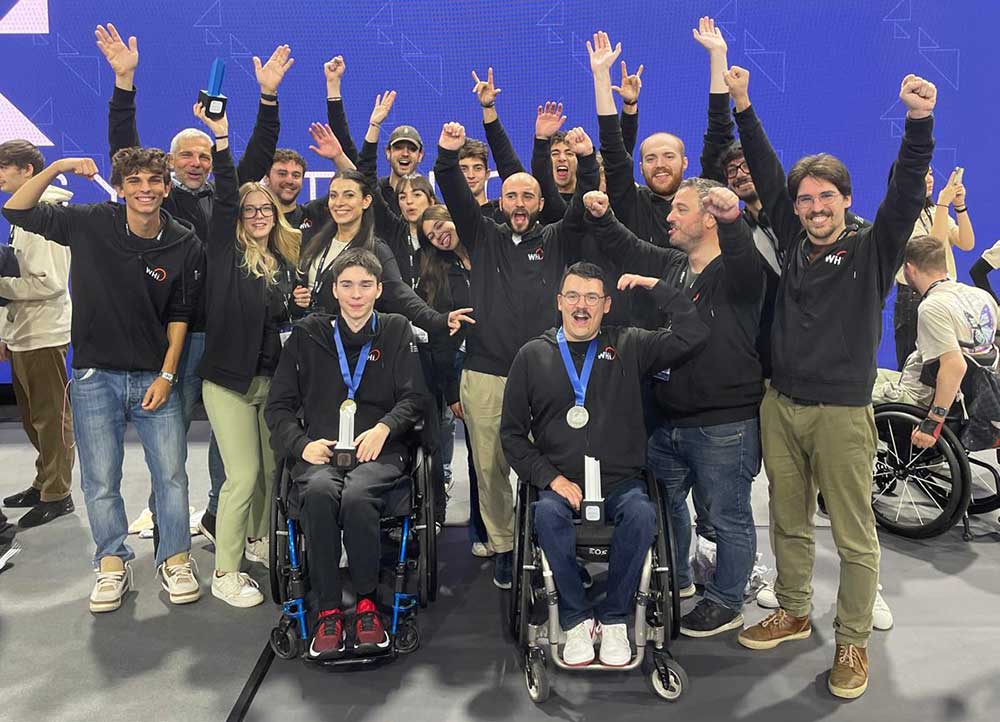
Assegnazione dei posti vacanti – candidate e candidati che hanno sostenuto il test presso l’Università di Padov - accesso al primo anno - Graduatorie Professioni sanitarie 2024

Array ( [field_titolo_frontend_all] => Array ( [#theme] => field [#weight] => -4 [#title] => Titolo frontend [#access] => 1 [#label_display] => above [#view_mode] => teaser [#language] => und [#field_name] => field_titolo_frontend_all [#field_type] => text_long [#field_translatable] => 0 [#entity_type] => node [#bundle] => allegato [#object] => stdClass Object ( [vid] => 472037 [uid] => 26525 [title] => Assegnazione dei posti vacanti – candidate e candidati che hanno sostenuto il test presso l’Università di Padov - accesso al primo anno - Graduatorie Professioni sanitarie 2024 [log] => [status] => 1 [comment] => 0 [promote] => 1 [sticky] => 0 [nid] => 114030 [type] => allegato [language] => it [created] => 1730113129 [changed] => 1745480610 [tnid] => 0 [translate] => 0 [revision_timestamp] => 1745480610 [revision_uid] => 26525 [taxonomy_vocabulary_2] => Array ( ) [taxonomy_vocabulary_8] => Array ( ) [body] => Array ( ) [field_titolo_frontend_all] => Array ( [und] => Array ( [0] => Array ( [value] => Assegnazione dei posti vacanti
candidate e candidati che hanno sostenuto il test presso l’Università di Padova [format] => [safe_value] => Assegnazione dei posti vacanti<br>candidate e candidati che hanno sostenuto il test presso l’Università di Padova ) ) ) [field_allegato_file] => Array ( ) [name] => alessandro.galeone [picture] => 0 [data] => b:0; [num_revisions] => 1 [current_revision_id] => 472037 [is_current] => 1 [is_pending] => [revision_moderation] => [entity_view_prepared] => 1 ) [#items] => Array ( [0] => Array ( [value] => Assegnazione dei posti vacanti
candidate e candidati che hanno sostenuto il test presso l’Università di Padova [format] => [safe_value] => Assegnazione dei posti vacanti<br>candidate e candidati che hanno sostenuto il test presso l’Università di Padova ) ) [#formatter] => text_default [0] => Array ( [#markup] => Assegnazione dei posti vacanti<br>candidate e candidati che hanno sostenuto il test presso l’Università di Padova ) ) [links] => Array ( [#theme] => links__node [#pre_render] => Array ( [0] => drupal_pre_render_links ) [#attributes] => Array ( [class] => Array ( [0] => links [1] => inline ) ) [node] => Array ( [#theme] => links__node__node [#links] => Array ( [node-readmore] => Array ( [title] => Read more about Assegnazione dei posti vacanti – candidate e candidati che hanno sostenuto il test presso l’Università di Padov - accesso al primo anno - Graduatorie Professioni sanitarie 2024 [href] => node/114030 [html] => 1 [attributes] => Array ( [rel] => tag [title] => Assegnazione dei posti vacanti – candidate e candidati che hanno sostenuto il test presso l’Università di Padov - accesso al primo anno - Graduatorie Professioni sanitarie 2024 ) ) ) [#attributes] => Array ( [class] => Array ( [0] => links [1] => inline ) ) ) ) )

IL “SABATO AL LIVIANO”: DAI GIGANTI AL BAMBINO CHE SI INGINOCCHIA E SCRIVE PER TUTTA LA VITA

Array ( [field_luogo_area_stampa] => Array ( [#theme] => field [#weight] => -4 [#title] => Luogo [#access] => 1 [#label_display] => above [#view_mode] => teaser [#language] => und [#field_name] => field_luogo_area_stampa [#field_type] => text_long [#field_translatable] => 0 [#entity_type] => node [#bundle] => allegato_area_stampa [#object] => stdClass Object ( [vid] => 472033 [uid] => 8835 [title] => IL “SABATO AL LIVIANO”: DAI GIGANTI AL BAMBINO CHE SI INGINOCCHIA E SCRIVE PER TUTTA LA VITA [log] => [status] => 1 [comment] => 0 [promote] => 1 [sticky] => 0 [nid] => 114029 [type] => allegato_area_stampa [language] => und [created] => 1730112577 [changed] => 1730112577 [tnid] => 0 [translate] => 0 [revision_timestamp] => 1730112577 [revision_uid] => 8835 [body] => Array ( ) [field_allegato_area_stampa] => Array ( [und] => Array ( [0] => Array ( [fid] => 134813 [uid] => 8835 [filename] => Comunicato _SABATO AL LIVIANO apertura dal 2 novembre_.pdf [uri] => public://Comunicato _SABATO AL LIVIANO apertura dal 2 novembre_.pdf [filemime] => application/pdf [filesize] => 440625 [status] => 1 [timestamp] => 1730112577 [type] => document [field_folder] => Array ( [und] => Array ( [0] => Array ( [tid] => 2048 ) ) ) [metadata] => Array ( ) [display] => 1 [description] => ) ) ) [field_all_imm_area_stampa] => Array ( ) [field_data_area_stampa] => Array ( [und] => Array ( [0] => Array ( [value] => 2024-10-28 00:00:00 [timezone] => Europe/Paris [timezone_db] => Europe/Paris [date_type] => datetime ) ) ) [field_luogo_area_stampa] => Array ( [und] => Array ( [0] => Array ( [value] => Padova [format] => [safe_value] => Padova ) ) ) [name] => stampa [picture] => 0 [data] => b:0; [num_revisions] => 1 [current_revision_id] => 472033 [is_current] => 1 [is_pending] => [revision_moderation] => [entity_view_prepared] => 1 ) [#items] => Array ( [0] => Array ( [value] => Padova [format] => [safe_value] => Padova ) ) [#formatter] => text_default [0] => Array ( [#markup] => Padova ) ) [field_data_area_stampa] => Array ( [#theme] => field [#weight] => -3 [#title] => Data [#access] => 1 [#label_display] => above [#view_mode] => teaser [#language] => und [#field_name] => field_data_area_stampa [#field_type] => datetime [#field_translatable] => 0 [#entity_type] => node [#bundle] => allegato_area_stampa [#object] => stdClass Object ( [vid] => 472033 [uid] => 8835 [title] => IL “SABATO AL LIVIANO”: DAI GIGANTI AL BAMBINO CHE SI INGINOCCHIA E SCRIVE PER TUTTA LA VITA [log] => [status] => 1 [comment] => 0 [promote] => 1 [sticky] => 0 [nid] => 114029 [type] => allegato_area_stampa [language] => und [created] => 1730112577 [changed] => 1730112577 [tnid] => 0 [translate] => 0 [revision_timestamp] => 1730112577 [revision_uid] => 8835 [body] => Array ( ) [field_allegato_area_stampa] => Array ( [und] => Array ( [0] => Array ( [fid] => 134813 [uid] => 8835 [filename] => Comunicato _SABATO AL LIVIANO apertura dal 2 novembre_.pdf [uri] => public://Comunicato _SABATO AL LIVIANO apertura dal 2 novembre_.pdf [filemime] => application/pdf [filesize] => 440625 [status] => 1 [timestamp] => 1730112577 [type] => document [field_folder] => Array ( [und] => Array ( [0] => Array ( [tid] => 2048 ) ) ) [metadata] => Array ( ) [display] => 1 [description] => ) ) ) [field_all_imm_area_stampa] => Array ( ) [field_data_area_stampa] => Array ( [und] => Array ( [0] => Array ( [value] => 2024-10-28 00:00:00 [timezone] => Europe/Paris [timezone_db] => Europe/Paris [date_type] => datetime ) ) ) [field_luogo_area_stampa] => Array ( [und] => Array ( [0] => Array ( [value] => Padova [format] => [safe_value] => Padova ) ) ) [name] => stampa [picture] => 0 [data] => b:0; [num_revisions] => 1 [current_revision_id] => 472033 [is_current] => 1 [is_pending] => [revision_moderation] => [entity_view_prepared] => 1 ) [#items] => Array ( [0] => Array ( [value] => 2024-10-28 00:00:00 [timezone] => Europe/Paris [timezone_db] => Europe/Paris [date_type] => datetime ) ) [#formatter] => date_default [0] => Array ( [#markup] => Lun, 28/10/2024 ) ) [field_allegato_area_stampa] => Array ( [#theme] => field [#weight] => -2 [#title] => Allegato [#access] => 1 [#label_display] => above [#view_mode] => teaser [#language] => und [#field_name] => field_allegato_area_stampa [#field_type] => file [#field_translatable] => 0 [#entity_type] => node [#bundle] => allegato_area_stampa [#object] => stdClass Object ( [vid] => 472033 [uid] => 8835 [title] => IL “SABATO AL LIVIANO”: DAI GIGANTI AL BAMBINO CHE SI INGINOCCHIA E SCRIVE PER TUTTA LA VITA [log] => [status] => 1 [comment] => 0 [promote] => 1 [sticky] => 0 [nid] => 114029 [type] => allegato_area_stampa [language] => und [created] => 1730112577 [changed] => 1730112577 [tnid] => 0 [translate] => 0 [revision_timestamp] => 1730112577 [revision_uid] => 8835 [body] => Array ( ) [field_allegato_area_stampa] => Array ( [und] => Array ( [0] => Array ( [fid] => 134813 [uid] => 8835 [filename] => Comunicato _SABATO AL LIVIANO apertura dal 2 novembre_.pdf [uri] => public://Comunicato _SABATO AL LIVIANO apertura dal 2 novembre_.pdf [filemime] => application/pdf [filesize] => 440625 [status] => 1 [timestamp] => 1730112577 [type] => document [field_folder] => Array ( [und] => Array ( [0] => Array ( [tid] => 2048 ) ) ) [metadata] => Array ( ) [display] => 1 [description] => ) ) ) [field_all_imm_area_stampa] => Array ( ) [field_data_area_stampa] => Array ( [und] => Array ( [0] => Array ( [value] => 2024-10-28 00:00:00 [timezone] => Europe/Paris [timezone_db] => Europe/Paris [date_type] => datetime ) ) ) [field_luogo_area_stampa] => Array ( [und] => Array ( [0] => Array ( [value] => Padova [format] => [safe_value] => Padova ) ) ) [name] => stampa [picture] => 0 [data] => b:0; [num_revisions] => 1 [current_revision_id] => 472033 [is_current] => 1 [is_pending] => [revision_moderation] => [entity_view_prepared] => 1 ) [#items] => Array ( [0] => Array ( [fid] => 134813 [uid] => 8835 [filename] => Comunicato _SABATO AL LIVIANO apertura dal 2 novembre_.pdf [uri] => public://Comunicato _SABATO AL LIVIANO apertura dal 2 novembre_.pdf [filemime] => application/pdf [filesize] => 440625 [status] => 1 [timestamp] => 1730112577 [type] => document [field_folder] => Array ( [und] => Array ( [0] => Array ( [tid] => 2048 ) ) ) [metadata] => Array ( ) [display] => 1 [description] => ) ) [#formatter] => file_default [0] => Array ( [#theme] => file_link [#file] => stdClass Object ( [fid] => 134813 [uid] => 8835 [filename] => Comunicato _SABATO AL LIVIANO apertura dal 2 novembre_.pdf [uri] => public://Comunicato _SABATO AL LIVIANO apertura dal 2 novembre_.pdf [filemime] => application/pdf [filesize] => 440625 [status] => 1 [timestamp] => 1730112577 [type] => document [field_folder] => Array ( [und] => Array ( [0] => Array ( [tid] => 2048 ) ) ) [metadata] => Array ( ) [display] => 1 [description] => ) ) ) [links] => Array ( [#theme] => links__node [#pre_render] => Array ( [0] => drupal_pre_render_links ) [#attributes] => Array ( [class] => Array ( [0] => links [1] => inline ) ) [node] => Array ( [#theme] => links__node__node [#links] => Array ( [node-readmore] => Array ( [title] => Read more about IL “SABATO AL LIVIANO”: DAI GIGANTI AL BAMBINO CHE SI INGINOCCHIA E SCRIVE PER TUTTA LA VITA [href] => node/114029 [html] => 1 [attributes] => Array ( [rel] => tag [title] => IL “SABATO AL LIVIANO”: DAI GIGANTI AL BAMBINO CHE SI INGINOCCHIA E SCRIVE PER TUTTA LA VITA ) ) ) [#attributes] => Array ( [class] => Array ( [0] => links [1] => inline ) ) ) ) )

Locandina - Visita aziendale Hitachi Energy - 19 e 20 novembre 2024

Array ( [field_titolo_frontend_all] => Array ( [#theme] => field [#weight] => -4 [#title] => Titolo frontend [#access] => 1 [#label_display] => above [#view_mode] => teaser [#language] => und [#field_name] => field_titolo_frontend_all [#field_type] => text_long [#field_translatable] => 0 [#entity_type] => node [#bundle] => allegato [#object] => stdClass Object ( [vid] => 472028 [uid] => 32 [title] => Locandina - Visita aziendale Hitachi Energy - 19 e 20 novembre 2024 [log] => [status] => 1 [comment] => 0 [promote] => 1 [sticky] => 0 [nid] => 114027 [type] => allegato [language] => it [created] => 1730112456 [changed] => 1730112456 [tnid] => 0 [translate] => 0 [revision_timestamp] => 1730112456 [revision_uid] => 32 [taxonomy_vocabulary_2] => Array ( ) [taxonomy_vocabulary_8] => Array ( ) [body] => Array ( ) [field_titolo_frontend_all] => Array ( [und] => Array ( [0] => Array ( [value] => Locandina [format] => [safe_value] => Locandina ) ) ) [field_allegato_file] => Array ( [und] => Array ( [0] => Array ( [fid] => 134812 [uid] => 32 [filename] => Locandina visita aziendale.pdf [uri] => public://2024/Locandina visita aziendale.pdf [filemime] => application/pdf [filesize] => 96292 [status] => 1 [timestamp] => 1730112458 [type] => document [field_folder] => Array ( [und] => Array ( [0] => Array ( [tid] => 2614 ) ) ) [metadata] => Array ( ) [display] => 1 [description] => ) ) ) [name] => stefano.zampieri [picture] => 0 [data] => a:2:{s:13:"form_build_id";s:48:"form-WsCySmos4vAVlyFhG6gU5T7knfAyqco8LxlocSU_yIA";s:14:"wysiwyg_status";a:1:{i:1;i:1;}} [num_revisions] => 1 [current_revision_id] => 472028 [is_current] => 1 [is_pending] => [revision_moderation] => [entity_view_prepared] => 1 ) [#items] => Array ( [0] => Array ( [value] => Locandina [format] => [safe_value] => Locandina ) ) [#formatter] => text_default [0] => Array ( [#markup] => Locandina ) ) [field_allegato_file] => Array ( [#theme] => field [#weight] => -3 [#title] => File [#access] => 1 [#label_display] => above [#view_mode] => teaser [#language] => und [#field_name] => field_allegato_file [#field_type] => file [#field_translatable] => 0 [#entity_type] => node [#bundle] => allegato [#object] => stdClass Object ( [vid] => 472028 [uid] => 32 [title] => Locandina - Visita aziendale Hitachi Energy - 19 e 20 novembre 2024 [log] => [status] => 1 [comment] => 0 [promote] => 1 [sticky] => 0 [nid] => 114027 [type] => allegato [language] => it [created] => 1730112456 [changed] => 1730112456 [tnid] => 0 [translate] => 0 [revision_timestamp] => 1730112456 [revision_uid] => 32 [taxonomy_vocabulary_2] => Array ( ) [taxonomy_vocabulary_8] => Array ( ) [body] => Array ( ) [field_titolo_frontend_all] => Array ( [und] => Array ( [0] => Array ( [value] => Locandina [format] => [safe_value] => Locandina ) ) ) [field_allegato_file] => Array ( [und] => Array ( [0] => Array ( [fid] => 134812 [uid] => 32 [filename] => Locandina visita aziendale.pdf [uri] => public://2024/Locandina visita aziendale.pdf [filemime] => application/pdf [filesize] => 96292 [status] => 1 [timestamp] => 1730112458 [type] => document [field_folder] => Array ( [und] => Array ( [0] => Array ( [tid] => 2614 ) ) ) [metadata] => Array ( ) [display] => 1 [description] => ) ) ) [name] => stefano.zampieri [picture] => 0 [data] => a:2:{s:13:"form_build_id";s:48:"form-WsCySmos4vAVlyFhG6gU5T7knfAyqco8LxlocSU_yIA";s:14:"wysiwyg_status";a:1:{i:1;i:1;}} [num_revisions] => 1 [current_revision_id] => 472028 [is_current] => 1 [is_pending] => [revision_moderation] => [entity_view_prepared] => 1 ) [#items] => Array ( [0] => Array ( [fid] => 134812 [uid] => 32 [filename] => Locandina visita aziendale.pdf [uri] => public://2024/Locandina visita aziendale.pdf [filemime] => application/pdf [filesize] => 96292 [status] => 1 [timestamp] => 1730112458 [type] => document [field_folder] => Array ( [und] => Array ( [0] => Array ( [tid] => 2614 ) ) ) [metadata] => Array ( ) [display] => 1 [description] => ) ) [#formatter] => file_default [0] => Array ( [#theme] => file_link [#file] => stdClass Object ( [fid] => 134812 [uid] => 32 [filename] => Locandina visita aziendale.pdf [uri] => public://2024/Locandina visita aziendale.pdf [filemime] => application/pdf [filesize] => 96292 [status] => 1 [timestamp] => 1730112458 [type] => document [field_folder] => Array ( [und] => Array ( [0] => Array ( [tid] => 2614 ) ) ) [metadata] => Array ( ) [display] => 1 [description] => ) ) ) [links] => Array ( [#theme] => links__node [#pre_render] => Array ( [0] => drupal_pre_render_links ) [#attributes] => Array ( [class] => Array ( [0] => links [1] => inline ) ) [node] => Array ( [#theme] => links__node__node [#links] => Array ( [node-readmore] => Array ( [title] => Read more about Locandina - Visita aziendale Hitachi Energy - 19 e 20 novembre 2024 [href] => node/114027 [html] => 1 [attributes] => Array ( [rel] => tag [title] => Locandina - Visita aziendale Hitachi Energy - 19 e 20 novembre 2024 ) ) ) [#attributes] => Array ( [class] => Array ( [0] => links [1] => inline ) ) ) ) )

2024S37 - Commissione giudicatrice (D.D.G. rep. n. 4181/2024, prot. n. 202709, del 28.10.2024)

Array ( [field_titolo_frontend_all] => Array ( [#theme] => field [#weight] => -4 [#title] => Titolo frontend [#access] => 1 [#label_display] => above [#view_mode] => teaser [#language] => und [#field_name] => field_titolo_frontend_all [#field_type] => text_long [#field_translatable] => 0 [#entity_type] => node [#bundle] => allegato [#object] => stdClass Object ( [vid] => 472027 [uid] => 32 [title] => 2024S37 - Commissione giudicatrice (D.D.G. rep. n. 4181/2024, prot. n. 202709, del 28.10.2024) [log] => [status] => 1 [comment] => 0 [promote] => 1 [sticky] => 0 [nid] => 114026 [type] => allegato [language] => it [created] => 1730112167 [changed] => 1730112167 [tnid] => 0 [translate] => 0 [revision_timestamp] => 1730112167 [revision_uid] => 32 [taxonomy_vocabulary_2] => Array ( ) [taxonomy_vocabulary_8] => Array ( ) [body] => Array ( ) [field_titolo_frontend_all] => Array ( [und] => Array ( [0] => Array ( [value] => Commissione giudicatrice
(D.D.G. rep. n. 4181/2024, prot. n. 202709, del 28.10.2024) [format] => [safe_value] => Commissione giudicatrice<br>(D.D.G. rep. n. 4181/2024, prot. n. 202709, del 28.10.2024) ) ) ) [field_allegato_file] => Array ( [und] => Array ( [0] => Array ( [fid] => 134811 [uid] => 32 [filename] => 18.Nomina Commissione - 2024S37.pdf [uri] => public://2024/18.Nomina Commissione - 2024S37.pdf [filemime] => application/pdf [filesize] => 236103 [status] => 1 [timestamp] => 1730112161 [type] => document [field_folder] => Array ( [und] => Array ( [0] => Array ( [tid] => 2614 ) ) ) [metadata] => Array ( ) [display] => 1 [description] => ) ) ) [name] => stefano.zampieri [picture] => 0 [data] => a:2:{s:13:"form_build_id";s:48:"form-WsCySmos4vAVlyFhG6gU5T7knfAyqco8LxlocSU_yIA";s:14:"wysiwyg_status";a:1:{i:1;i:1;}} [num_revisions] => 1 [current_revision_id] => 472027 [is_current] => 1 [is_pending] => [revision_moderation] => [entity_view_prepared] => 1 ) [#items] => Array ( [0] => Array ( [value] => Commissione giudicatrice
(D.D.G. rep. n. 4181/2024, prot. n. 202709, del 28.10.2024) [format] => [safe_value] => Commissione giudicatrice<br>(D.D.G. rep. n. 4181/2024, prot. n. 202709, del 28.10.2024) ) ) [#formatter] => text_default [0] => Array ( [#markup] => Commissione giudicatrice<br>(D.D.G. rep. n. 4181/2024, prot. n. 202709, del 28.10.2024) ) ) [field_allegato_file] => Array ( [#theme] => field [#weight] => -3 [#title] => File [#access] => 1 [#label_display] => above [#view_mode] => teaser [#language] => und [#field_name] => field_allegato_file [#field_type] => file [#field_translatable] => 0 [#entity_type] => node [#bundle] => allegato [#object] => stdClass Object ( [vid] => 472027 [uid] => 32 [title] => 2024S37 - Commissione giudicatrice (D.D.G. rep. n. 4181/2024, prot. n. 202709, del 28.10.2024) [log] => [status] => 1 [comment] => 0 [promote] => 1 [sticky] => 0 [nid] => 114026 [type] => allegato [language] => it [created] => 1730112167 [changed] => 1730112167 [tnid] => 0 [translate] => 0 [revision_timestamp] => 1730112167 [revision_uid] => 32 [taxonomy_vocabulary_2] => Array ( ) [taxonomy_vocabulary_8] => Array ( ) [body] => Array ( ) [field_titolo_frontend_all] => Array ( [und] => Array ( [0] => Array ( [value] => Commissione giudicatrice
(D.D.G. rep. n. 4181/2024, prot. n. 202709, del 28.10.2024) [format] => [safe_value] => Commissione giudicatrice<br>(D.D.G. rep. n. 4181/2024, prot. n. 202709, del 28.10.2024) ) ) ) [field_allegato_file] => Array ( [und] => Array ( [0] => Array ( [fid] => 134811 [uid] => 32 [filename] => 18.Nomina Commissione - 2024S37.pdf [uri] => public://2024/18.Nomina Commissione - 2024S37.pdf [filemime] => application/pdf [filesize] => 236103 [status] => 1 [timestamp] => 1730112161 [type] => document [field_folder] => Array ( [und] => Array ( [0] => Array ( [tid] => 2614 ) ) ) [metadata] => Array ( ) [display] => 1 [description] => ) ) ) [name] => stefano.zampieri [picture] => 0 [data] => a:2:{s:13:"form_build_id";s:48:"form-WsCySmos4vAVlyFhG6gU5T7knfAyqco8LxlocSU_yIA";s:14:"wysiwyg_status";a:1:{i:1;i:1;}} [num_revisions] => 1 [current_revision_id] => 472027 [is_current] => 1 [is_pending] => [revision_moderation] => [entity_view_prepared] => 1 ) [#items] => Array ( [0] => Array ( [fid] => 134811 [uid] => 32 [filename] => 18.Nomina Commissione - 2024S37.pdf [uri] => public://2024/18.Nomina Commissione - 2024S37.pdf [filemime] => application/pdf [filesize] => 236103 [status] => 1 [timestamp] => 1730112161 [type] => document [field_folder] => Array ( [und] => Array ( [0] => Array ( [tid] => 2614 ) ) ) [metadata] => Array ( ) [display] => 1 [description] => ) ) [#formatter] => file_default [0] => Array ( [#theme] => file_link [#file] => stdClass Object ( [fid] => 134811 [uid] => 32 [filename] => 18.Nomina Commissione - 2024S37.pdf [uri] => public://2024/18.Nomina Commissione - 2024S37.pdf [filemime] => application/pdf [filesize] => 236103 [status] => 1 [timestamp] => 1730112161 [type] => document [field_folder] => Array ( [und] => Array ( [0] => Array ( [tid] => 2614 ) ) ) [metadata] => Array ( ) [display] => 1 [description] => ) ) ) [links] => Array ( [#theme] => links__node [#pre_render] => Array ( [0] => drupal_pre_render_links ) [#attributes] => Array ( [class] => Array ( [0] => links [1] => inline ) ) [node] => Array ( [#theme] => links__node__node [#links] => Array ( [node-readmore] => Array ( [title] => Read more about 2024S37 - Commissione giudicatrice (D.D.G. rep. n. 4181/2024, prot. n. 202709, del 28.10.2024) [href] => node/114026 [html] => 1 [attributes] => Array ( [rel] => tag [title] => 2024S37 - Commissione giudicatrice (D.D.G. rep. n. 4181/2024, prot. n. 202709, del 28.10.2024) ) ) ) [#attributes] => Array ( [class] => Array ( [0] => links [1] => inline ) ) ) ) )

2024RTT02_RISERVATO - Allegato 7 - DR approvazione atti

Array ( [field_titolo_frontend_all] => Array ( [#theme] => field [#weight] => -4 [#title] => Titolo frontend [#access] => 1 [#label_display] => above [#view_mode] => teaser [#language] => und [#field_name] => field_titolo_frontend_all [#field_type] => text_long [#field_translatable] => 0 [#entity_type] => node [#bundle] => allegato [#object] => stdClass Object ( [vid] => 472025 [uid] => 32 [title] => 2024RTT02_RISERVATO - Allegato 7 - DR approvazione atti [log] => [status] => 1 [comment] => 0 [promote] => 1 [sticky] => 0 [nid] => 114025 [type] => allegato [language] => it [created] => 1730112005 [changed] => 1730112005 [tnid] => 0 [translate] => 0 [revision_timestamp] => 1730112005 [revision_uid] => 32 [taxonomy_vocabulary_2] => Array ( ) [taxonomy_vocabulary_8] => Array ( ) [body] => Array ( ) [field_titolo_frontend_all] => Array ( [und] => Array ( [0] => Array ( [value] => DR approvazione atti [format] => [safe_value] => DR approvazione atti ) ) ) [field_allegato_file] => Array ( [und] => Array ( [0] => Array ( [fid] => 134810 [uid] => 32 [filename] => DR approvazione atti M-PSI 01.pdf [uri] => public://2024/DR approvazione atti M-PSI 01.pdf [filemime] => application/pdf [filesize] => 171922 [status] => 1 [timestamp] => 1730111999 [type] => document [field_folder] => Array ( [und] => Array ( [0] => Array ( [tid] => 2614 ) ) ) [metadata] => Array ( ) [display] => 1 [description] => ) ) ) [name] => stefano.zampieri [picture] => 0 [data] => a:2:{s:13:"form_build_id";s:48:"form-WsCySmos4vAVlyFhG6gU5T7knfAyqco8LxlocSU_yIA";s:14:"wysiwyg_status";a:1:{i:1;i:1;}} [num_revisions] => 1 [current_revision_id] => 472025 [is_current] => 1 [is_pending] => [revision_moderation] => [entity_view_prepared] => 1 ) [#items] => Array ( [0] => Array ( [value] => DR approvazione atti [format] => [safe_value] => DR approvazione atti ) ) [#formatter] => text_default [0] => Array ( [#markup] => DR approvazione atti ) ) [field_allegato_file] => Array ( [#theme] => field [#weight] => -3 [#title] => File [#access] => 1 [#label_display] => above [#view_mode] => teaser [#language] => und [#field_name] => field_allegato_file [#field_type] => file [#field_translatable] => 0 [#entity_type] => node [#bundle] => allegato [#object] => stdClass Object ( [vid] => 472025 [uid] => 32 [title] => 2024RTT02_RISERVATO - Allegato 7 - DR approvazione atti [log] => [status] => 1 [comment] => 0 [promote] => 1 [sticky] => 0 [nid] => 114025 [type] => allegato [language] => it [created] => 1730112005 [changed] => 1730112005 [tnid] => 0 [translate] => 0 [revision_timestamp] => 1730112005 [revision_uid] => 32 [taxonomy_vocabulary_2] => Array ( ) [taxonomy_vocabulary_8] => Array ( ) [body] => Array ( ) [field_titolo_frontend_all] => Array ( [und] => Array ( [0] => Array ( [value] => DR approvazione atti [format] => [safe_value] => DR approvazione atti ) ) ) [field_allegato_file] => Array ( [und] => Array ( [0] => Array ( [fid] => 134810 [uid] => 32 [filename] => DR approvazione atti M-PSI 01.pdf [uri] => public://2024/DR approvazione atti M-PSI 01.pdf [filemime] => application/pdf [filesize] => 171922 [status] => 1 [timestamp] => 1730111999 [type] => document [field_folder] => Array ( [und] => Array ( [0] => Array ( [tid] => 2614 ) ) ) [metadata] => Array ( ) [display] => 1 [description] => ) ) ) [name] => stefano.zampieri [picture] => 0 [data] => a:2:{s:13:"form_build_id";s:48:"form-WsCySmos4vAVlyFhG6gU5T7knfAyqco8LxlocSU_yIA";s:14:"wysiwyg_status";a:1:{i:1;i:1;}} [num_revisions] => 1 [current_revision_id] => 472025 [is_current] => 1 [is_pending] => [revision_moderation] => [entity_view_prepared] => 1 ) [#items] => Array ( [0] => Array ( [fid] => 134810 [uid] => 32 [filename] => DR approvazione atti M-PSI 01.pdf [uri] => public://2024/DR approvazione atti M-PSI 01.pdf [filemime] => application/pdf [filesize] => 171922 [status] => 1 [timestamp] => 1730111999 [type] => document [field_folder] => Array ( [und] => Array ( [0] => Array ( [tid] => 2614 ) ) ) [metadata] => Array ( ) [display] => 1 [description] => ) ) [#formatter] => file_default [0] => Array ( [#theme] => file_link [#file] => stdClass Object ( [fid] => 134810 [uid] => 32 [filename] => DR approvazione atti M-PSI 01.pdf [uri] => public://2024/DR approvazione atti M-PSI 01.pdf [filemime] => application/pdf [filesize] => 171922 [status] => 1 [timestamp] => 1730111999 [type] => document [field_folder] => Array ( [und] => Array ( [0] => Array ( [tid] => 2614 ) ) ) [metadata] => Array ( ) [display] => 1 [description] => ) ) ) [links] => Array ( [#theme] => links__node [#pre_render] => Array ( [0] => drupal_pre_render_links ) [#attributes] => Array ( [class] => Array ( [0] => links [1] => inline ) ) [node] => Array ( [#theme] => links__node__node [#links] => Array ( [node-readmore] => Array ( [title] => Read more about 2024RTT02_RISERVATO - Allegato 7 - DR approvazione atti [href] => node/114025 [html] => 1 [attributes] => Array ( [rel] => tag [title] => 2024RTT02_RISERVATO - Allegato 7 - DR approvazione atti ) ) ) [#attributes] => Array ( [class] => Array ( [0] => links [1] => inline ) ) ) ) )

2024RTT02_RISERVATO - Allegato 7 - Verbale 4 - Giudizi, punteggi, vincitore

Array ( [field_titolo_frontend_all] => Array ( [#theme] => field [#weight] => -4 [#title] => Titolo frontend [#access] => 1 [#label_display] => above [#view_mode] => teaser [#language] => und [#field_name] => field_titolo_frontend_all [#field_type] => text_long [#field_translatable] => 0 [#entity_type] => node [#bundle] => allegato [#object] => stdClass Object ( [vid] => 472024 [uid] => 32 [title] => 2024RTT02_RISERVATO - Allegato 7 - Verbale 4 - Giudizi, punteggi, vincitore [log] => [status] => 1 [comment] => 0 [promote] => 1 [sticky] => 0 [nid] => 114024 [type] => allegato [language] => it [created] => 1730111963 [changed] => 1730111963 [tnid] => 0 [translate] => 0 [revision_timestamp] => 1730111963 [revision_uid] => 32 [taxonomy_vocabulary_2] => Array ( ) [taxonomy_vocabulary_8] => Array ( ) [body] => Array ( ) [field_titolo_frontend_all] => Array ( [und] => Array ( [0] => Array ( [value] => Verbale 4 - Giudizi, punteggi, vincitore [format] => [safe_value] => Verbale 4 - Giudizi, punteggi, vincitore ) ) ) [field_allegato_file] => Array ( [und] => Array ( [0] => Array ( [fid] => 134809 [uid] => 32 [filename] => Verbale 4 - Giudizi, punteggi, vincitore.pdf [uri] => public://2024/Verbale 4 - Giudizi, punteggi, vincitore.pdf [filemime] => application/pdf [filesize] => 528827 [status] => 1 [timestamp] => 1730111951 [type] => document [field_folder] => Array ( [und] => Array ( [0] => Array ( [tid] => 2614 ) ) ) [metadata] => Array ( ) [display] => 1 [description] => ) ) ) [name] => stefano.zampieri [picture] => 0 [data] => a:2:{s:13:"form_build_id";s:48:"form-WsCySmos4vAVlyFhG6gU5T7knfAyqco8LxlocSU_yIA";s:14:"wysiwyg_status";a:1:{i:1;i:1;}} [num_revisions] => 1 [current_revision_id] => 472024 [is_current] => 1 [is_pending] => [revision_moderation] => [entity_view_prepared] => 1 ) [#items] => Array ( [0] => Array ( [value] => Verbale 4 - Giudizi, punteggi, vincitore [format] => [safe_value] => Verbale 4 - Giudizi, punteggi, vincitore ) ) [#formatter] => text_default [0] => Array ( [#markup] => Verbale 4 - Giudizi, punteggi, vincitore ) ) [field_allegato_file] => Array ( [#theme] => field [#weight] => -3 [#title] => File [#access] => 1 [#label_display] => above [#view_mode] => teaser [#language] => und [#field_name] => field_allegato_file [#field_type] => file [#field_translatable] => 0 [#entity_type] => node [#bundle] => allegato [#object] => stdClass Object ( [vid] => 472024 [uid] => 32 [title] => 2024RTT02_RISERVATO - Allegato 7 - Verbale 4 - Giudizi, punteggi, vincitore [log] => [status] => 1 [comment] => 0 [promote] => 1 [sticky] => 0 [nid] => 114024 [type] => allegato [language] => it [created] => 1730111963 [changed] => 1730111963 [tnid] => 0 [translate] => 0 [revision_timestamp] => 1730111963 [revision_uid] => 32 [taxonomy_vocabulary_2] => Array ( ) [taxonomy_vocabulary_8] => Array ( ) [body] => Array ( ) [field_titolo_frontend_all] => Array ( [und] => Array ( [0] => Array ( [value] => Verbale 4 - Giudizi, punteggi, vincitore [format] => [safe_value] => Verbale 4 - Giudizi, punteggi, vincitore ) ) ) [field_allegato_file] => Array ( [und] => Array ( [0] => Array ( [fid] => 134809 [uid] => 32 [filename] => Verbale 4 - Giudizi, punteggi, vincitore.pdf [uri] => public://2024/Verbale 4 - Giudizi, punteggi, vincitore.pdf [filemime] => application/pdf [filesize] => 528827 [status] => 1 [timestamp] => 1730111951 [type] => document [field_folder] => Array ( [und] => Array ( [0] => Array ( [tid] => 2614 ) ) ) [metadata] => Array ( ) [display] => 1 [description] => ) ) ) [name] => stefano.zampieri [picture] => 0 [data] => a:2:{s:13:"form_build_id";s:48:"form-WsCySmos4vAVlyFhG6gU5T7knfAyqco8LxlocSU_yIA";s:14:"wysiwyg_status";a:1:{i:1;i:1;}} [num_revisions] => 1 [current_revision_id] => 472024 [is_current] => 1 [is_pending] => [revision_moderation] => [entity_view_prepared] => 1 ) [#items] => Array ( [0] => Array ( [fid] => 134809 [uid] => 32 [filename] => Verbale 4 - Giudizi, punteggi, vincitore.pdf [uri] => public://2024/Verbale 4 - Giudizi, punteggi, vincitore.pdf [filemime] => application/pdf [filesize] => 528827 [status] => 1 [timestamp] => 1730111951 [type] => document [field_folder] => Array ( [und] => Array ( [0] => Array ( [tid] => 2614 ) ) ) [metadata] => Array ( ) [display] => 1 [description] => ) ) [#formatter] => file_default [0] => Array ( [#theme] => file_link [#file] => stdClass Object ( [fid] => 134809 [uid] => 32 [filename] => Verbale 4 - Giudizi, punteggi, vincitore.pdf [uri] => public://2024/Verbale 4 - Giudizi, punteggi, vincitore.pdf [filemime] => application/pdf [filesize] => 528827 [status] => 1 [timestamp] => 1730111951 [type] => document [field_folder] => Array ( [und] => Array ( [0] => Array ( [tid] => 2614 ) ) ) [metadata] => Array ( ) [display] => 1 [description] => ) ) ) [links] => Array ( [#theme] => links__node [#pre_render] => Array ( [0] => drupal_pre_render_links ) [#attributes] => Array ( [class] => Array ( [0] => links [1] => inline ) ) [node] => Array ( [#theme] => links__node__node [#links] => Array ( [node-readmore] => Array ( [title] => Read more about 2024RTT02_RISERVATO - Allegato 7 - Verbale 4 - Giudizi, punteggi, vincitore [href] => node/114024 [html] => 1 [attributes] => Array ( [rel] => tag [title] => 2024RTT02_RISERVATO - Allegato 7 - Verbale 4 - Giudizi, punteggi, vincitore ) ) ) [#attributes] => Array ( [class] => Array ( [0] => links [1] => inline ) ) ) ) )

Pagine